 Talmud Bavli
The learning on the whole site is dedicated : L'ilui Nishmat Margalit bat Ledicia
The learning on the whole site is dedicated : L'ilui Nishmat Yaakov ben Myriam
The learning on the whole site is dedicated : L'ilui Nishmat Reuven ben Rivka SEBBAG
Bava Kamma 30a : Youtube
Daf TubeYoutube
2 video classes :
Bava Kamma Page 30a
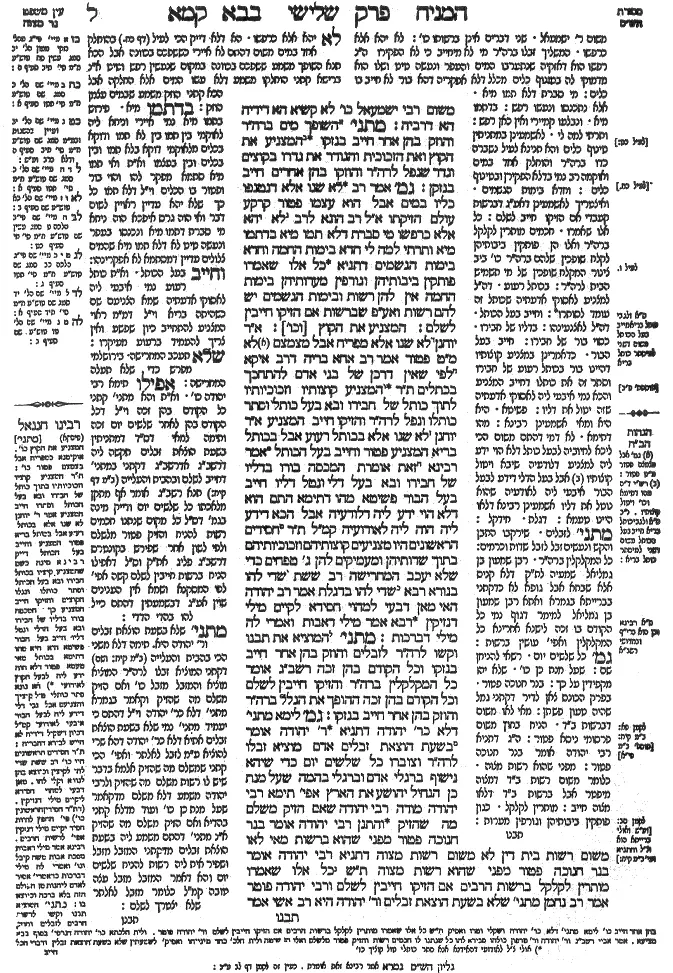
Bava Kamma 30a - Guemara
משום רבי ישמעאל כו' לא קשיא הא דידיה הא דרביה:
מתני׳ השופך מים ברה"ר והוזק בהן אחר חייב בנזקו המצניע את הקוץ ואת הזכוכית והגודר את גדרו בקוצים וגדר שנפל לרה"ר והוזקו בהן אחרים חייב בנזקן:
גמ׳ אמר רב לא שנו אלא דנטנפו כליו במים אבל הוא עצמו פטור קרקע עולם הזיקתו א"ל רב הונא לרב לא יהא אלא כרפשו מי סברת דלא תמו מיא בדתמו מיא ותרתי למה לי חדא בימות החמה וחדא בימות הגשמים דתניא כל אלו שאמרו פותקין ביבותיהן וגורפין מערותיהן בימות החמה אין להן רשות ובימות הגשמים יש להם רשות ואע"פ שברשות אם הזיקו חייבין לשלם:
המצניע את הקוץ [וכו']:
א"ר יוחנן לא שנו אלא מפריח אבל מצמצם לא מ"ט פטור אמר רב אחא בריה דרב איקא לפי שאין דרכן של בני אדם להתחכך בכתלים ת"ר המצניע קוצותיו וזכוכיותיו לתוך כותל של חבירו ובא בעל כותל וסתר כותלו ונפל לרה"ר והזיקו חייב המצניע א"ר יוחנן לא שנו אלא בכותל רעוע אבל בכותל בריא המצניע פטור וחייב בעל הכותל אמר רבינא זאת אומרת המכסה בורו בדליו של חבירו ובא בעל דלי ונטל דליו חייב בעל הבור פשיטא מהו דתימא התם הוא דלא הוי ידע ליה דלודעיה אבל הכא דידע ליה הוה ליה לאודועיה קמ"ל ת"ר חסידים הראשונים היו מצניעים קוצותיהם וזכוכיותיהם בתוך שדותיהן ומעמיקים להן ג' טפחים כדי שלא יעכב המחרישה רב ששת שדי להו בנורא רבא שדי להו בדגלת אמר רב יהודה האי מאן דבעי למהוי חסידא לקיים מילי דנזיקין רבא אמר מילי דאבות ואמרי לה מילי דברכות:
מתני׳ המוציא את תבנו וקשו לרה"ר לזבלים והוזק בהן אחר חייב בנזקו וכל הקודם בהן זכה רשב"ג אומר כל המקלקלין ברה"ר והזיקו חייבין לשלם וכל הקודם בהן זכה ההופך את הגלל ברה"ר והוזק בהן אחר חייב בנזקו:
גמ׳ לימא מתני' דלא כר' יהודה דתניא ר' יהודה אומר בשעת הוצאת זבלים אדם מוציא זבלו לרה"ר וצוברו כל שלשים יום כדי שיהא נישוף ברגלי אדם וברגלי בהמה שעל מנת כן הנחיל יהושע את הארץ אפי' תימא רבי יהודה מודה רבי יהודה שאם הזיק משלם מה שהזיק והתנן רבי יהודה אומר בנר חנוכה פטור מפני שהוא ברשות מאי לאו משום רשות בית דין לא משום רשות מצוה דתניא רבי יהודה אומר בנר חנוכה פטור מפני שהוא רשות מצוה ת"ש כל אלו שאמרו מותרין לקלקל ברשות הרבים אם הזיקו חייבין לשלם ורבי יהודה פוטר אמר רב נחמן מתני' שלא בשעת הוצאת זבלים ור' יהודה היא רב אשי אמר
Comments from Rashi on Masechet Bava Kamma Page 30a
משום ר' ישמעאל . שני דברים אינן ברשותו כו': לא יהא אלא כרפשו . המשליך זבלו ברה"ר מי לא מיחייב כי לא הפקירו ה"נ רפשו הוא דאזקיה שנתערבו המים והעפר ונעשה טיט ושלו הוא מדמוקי לה בטינוף כלים מכלל דלא אפקריה דהא בור לא חייב בו כלים: מי סברת דלא תמו מיא . אלא נתכנסו ונעשו רפש: בדתמו מיא . ונבלעו קמיירי ואין כאן רפש: ותרתי למה לי . לאשמעינן במתניתין טינוף כלים והא תנינא לעיל נשברה כדו ברה"ר והוחלק אחד במים ואוקמה רב נמי בדלא הפקירן ובטינוף כלים: וחדא בימות הגשמים . ואיצטריך לאשמעינן דאע"ג דברשות קעבדי אם הזיקו חייב לשלם: כל אלו שאמרו . חכמים מותרין לקלקל ברה"ר ואלו הן פותקין ביבותיהן לקלח שופכין שלהם ברה"ר כו' ביב צינור המקלח שופכין של מי תשמיש הבית לרה"ר: בכותל רעוע . דה"ל למצניע לאסוקי אדעתיה שכותל זה עומד לסותרו: וחייב בעל הכותל . דה"ל לאצנעינהו: בדליו של חבירו . כסוי בור של חבירו: חייב בעל הבור . כדאמרינן במצניע קוצותיו דהיינו בור בכותל רעוע של חבירו וסתר זה את כותלו דחייב המצניע והכא נמי איבעי ליה לאסוקי אדעתיה שזה יטול את דליו: פשיטא . היא היא ומאי אשמעינן רבינא: מהו דתימא . לא דמי דהתם משום הכי ליכא לחיוביה לבעל כותל דלא הוי ידע ליה למצניע דלודעיה שיבא ויטול קוצותיו אבל בעל הדלי דידע לבעל הבור איבעי ליה לאודעיה שהוא נוטל את דליו אשמעינן רבינא דלאו היינו טעמא: דגלת . חידקל: מתני' לזבלים . שירקבו התבן והקש ונעשים זבל לזבל שדות וכרמים: כל המקלקלין ברה"ר . רבן שמעון בן גמליאל שמעיה לת"ק דלא קניס אלא שבחא אבל גופא לא כדקתני בברייתא בגמרא ואתא רבן שמעון בן גמליאל למימר דגוף נמי כל הקודם בו זכה. לישנא אחרינא כל המקלקלין ואפי' עושין ברשות: גמ' כל שלשים יום . רשאי להניחן שם: שעל מנת כן כו' . שלא יהו מקפידין על כך: בנר חנוכה פטור . בפרק הכונס צאן לדיר דקתני גמל שהיה טעון פשתן: מאי לאו משום דברשות ב"ד . הניח בחוץ משום פרסומי ניסא פטור: ה"ג דתניא רבי יהודה אומר בנר חנוכה פטור: מפני שהוא רשות מצוה . כלומר משום רשות ב"ד דמצוה מיפטר אבל ברשות ב"ד דלאו מצוה חייב: מותרין לקלקל . כגון פותקין ביבותיהן וגורפין מערות:
Comments from Tosafot - Bava Kamma 30a
לא יהא אלא כרפשו . הא דלא דייק הכי לעיל (בבא קמא דף כח.) בהוחלק אחד במים משום דהתם לא איירי כששפכם בכוונה אבל הכא תנא השופך משמע ששפכם בכוונה במקום שנעשין רפש וטיט א"נ ברישא קתני הוחלקו משמע דלא עשו המים אלא החלקה אבל הכא קתני הוזק משמע שבמים עצמן הוזק: בדתמו מיא . פירוש בתמו מיא נמי איירי וניחא ליה לאוקמי בין תמו בין לא תמו ודוקא בכלים מלאוקמי דוקא בלא תמו ובין בכלים ובין בעצמו וא"ת ואי תמו מיא סתמא מפקר להו והוי בור ופטור בו הכלים וי"ל דלא תמו כל כך שלא יהא עדיין ראויין לשום דבר ואי הוה גרס איפכא הוה ניחא מי סברת דתמו מיא ונכנסו בעפר ונעשה טיט לא דלא תמו מיא שהמים צלולים עדיין דמסתמא לא אפקרינהו: וחייב בעל הכותל . וא"ת כותל רעוע נמי איבעי ליה לאסוקי אדעתיה שמא הצניעם שם כשהיתה בריא וי"ל דמ"מ ראוי המצניע להתחייב כיון שפשע ואין צריך להעמיד ברעוע מעיקרו: שלא תעכב המחרישה . בירושלמי מפרש כדי שלא תעלה המחרישה: אפילו תימא רבי יהודה כו'. וא"ת והא מתני' קתני כל הקודם בהן זכה וי"ל דכל הקודם בהן לאחר שלשים יום זכה ותימה למאי דס"ד דמתניתין בשעת הוצאת זבלים תקשה ליה דרשב"ג אדרשב"ג דקתני במתני' דחייב לשלם ובהבית והעלייה (ב"מ דף קיח:) תנא רשב"ג אומר אף מתקן מלאכתו כל שלשים יום ודייק מינה בגמ' דס"ל כל מקום שנתנו חכמים רשות להניח והזיק פטור מלשלם ולפי לשון אחר שפירש בקונטרס דרשב"ג פליג את"ק וס"ל דאפילו הניח ברשות חייבין לשלם קשה אפי' לפי המסקנא ושמא אין הענינים שוין אע"ג דבשמעתין דהתם כייל להו בהדי הדדי: מתני' שלא בשעת הוצאת זבלים ור' יהודה היא . תימה דלא משני הכי בהבית והעלייה (ב"מ קיח: ושם) דקתני המוציא זבלו לרה"ר המוציא מוציא והמזבל מזבל כו' ואם הזיק משלם מה שהזיק וקאמר בגמרא מתני' דלא כר' יהודה וי"ל דהתם כי יעמיד מתני' נמי שלא בשעת הוצאת זבלים אתיא דלא כר' יהודה דהא שרי להוציא ע"מ לזבל לאלתר ואפי' הכי קתני שמשלם מה שהזיק אלמא בדבר שיש לו רשות משלם מה שהזיק ולרבי יהודה משמע דלא משלם מדקאמר שעל מנת כן כו' ועוד מדלא קתני בהדיא ואם הזיק משלם מה שהזיק א"נ מתני' דהתם משמע ליה בשעת הוצאת זבלים מדקתני המזבל מזבל ושפיר אית ליה רשות להניח שלשים יום והא דאמר המזבל מזבל עצה טובה קמ"ל כלומר מזבל לאלתר
Bava Kamma 30a - Mishnah translated into english
in the name of Rabbi Yishmael that one is liable to pay for damage caused by a pit that he dug in the public domain, even if it is not his personal property?
The Gemara answers: This is not difficult. This ruling, that he is exempt, is his own opinion, whereas that ruling, that he is liable, is the opinion of his teacher Rabbi Yishmael, and he disagrees with it.
MISHNA: In the case of one who pours water in the public domain, and another person incurred damage due to it, the one who poured water is liable to pay for his damage. In the case of one who conceals a thorn or a piece of glass in his wall adjacent to the public domain, or one who puts up a fence of thorns, or one who puts up a fence that subsequently fell into the public domain, and others incurred damage due to any of these, he is liable to pay for their damage.
GEMARA: With regard to the case of one who pours water in the public domain, Rav says: They taught that he is liable only when the clothes of one who slipped were soiled by the dirty water, but if the one who slipped himself was injured, the one who poured the water is exempt, as it is the impact with the ground that injured him, not the water.
Rav Huna said to Rav: Why should he be exempt from paying restitution for the injury? Even if the water that he poured is considered only like his filth that he tossed in the public domain, he should be liable. Since the muddy ground caused the injury, and the mud belongs to him, as it results from the addition of his water to the dirt, he should be liable.
Rav responded: Do you maintain that this is a case where the water was not absorbed into the ground? It is a case where the water was absorbed, leaving only moist dirt. Since there is no mud there that can be deemed as belonging to the one who spilled the water, he is exempt from liability.
The Gemara asks: But if the mishna’s ruling refers only to the soiling of the pedestrian’s clothes, why do I need two mishnayot to state this halakha? According to Rav, this halakha was already addressed in the previous mishna, with regard to a jug that broke, causing a pedestrian to fall and his clothes to become soiled.
The Gemara answers: One halakha was stated with regard to a case where this occurred in the summer, the dry season, and one with regard to a case where it occurred in the rainy season.
As it is taught in a baraita: With regard to all those people who engage in activities that the Sages stated are permitted, i.e., those who open [potkin] their gutters and drain the sewage from their houses into the public domain, and those who flush out the water from their caves, where foul-smelling water was stored, into the public domain, during the summer they do not have permission to do so, while during the rainy season they have permission to do so, since the street is rained upon in any event and thereby washed. And although all these people perform their actions with permission, if they cause damage they are liable to pay for it. Because of the difference between the summer and the rainy season with regard to whether it is permitted for one to pour water into the public domain, both mishnayot are necessary, one for each season. This is in order to teach that even in the rainy season, when it is permitted to pour water into the public domain, one is nevertheless liable to pay for damage resulting from the water.
§ It is stated in the mishna that one who conceals a thorn or a piece of glass, or one who puts up a fence of thorns, is liable to pay for damage resulting from them. Rabbi Yoḥanan says: They taught that he is liable only in a case where he projects these obstacles into the public domain, but if he restricts them to his own property, he is not liable. The Gemara asks: What is the reason that he is exempt? Rav Aḥa, son of Rav Ika, says: It is because it is not the typical manner of people to rub against walls, but to keep a certain distance from them. Therefore, if a pedestrian is wounded by the thorns, it is considered an unusual accident, for which the owner of the fence is not liable.
The Sages taught (Tosefta 2:6): With regard to one who conceals his thorns or his pieces of glass in another’s wall, and the owner of the wall came and demolished his wall and it fell into the public domain, and the thorns or glass caused damage, the one who concealed them is liable.
Rabbi Yoḥanan says: They taught this only in the case of an unstable wall, since the one who concealed his items should have anticipated that the owner of the wall would soon demolish it, but in the case of a stable wall, the one who concealed his items is exempt, and the owner of the wall is liable.
Ravina says: That is to say that in the case of one who covers his pit with another’s bucket, and the owner of the bucket came and took his bucket, and the pit causes damage, the owner of the pit is liable.
The Gemara asks: Isn’t this obvious? This is exactly the same halakha as Rabbi Yoḥanan’s statement with regard to one who conceals thorns in an unstable wall, i.e., that the hazardous item was likely to be revealed from the moment that it was concealed, and therefore its owner is liable to pay for any damage that it causes. What is the novel element in Ravina’s statement?
The Gemara answers: It is necessary. Lest you say: It is only there, in the case of the thorns, that the owner of the wall is exempt, since he did not know who concealed the hazardous item in order to inform him that he should remove them, but here, since the owner of the bucket knew who dug the pit, he should have informed him that he was taking his bucket and is consequently liable to pay for damage caused by the pit, Ravina therefore, teaches us that he is not required to inform the owner of the pit, and he bears no responsibility for any damage caused.
The Sages taught: The early pious people would conceal their thorns and their pieces of glass in their fields, and would dig to the depth of at least three handbreadths in order to bury them, so that they would not obstruct the plow.
The Gemara relates: Rav Sheshet would toss his thorns into fire, so they would not cause damage to others. Rava would toss them into the Tigris [Diglat] River.
Rav Yehuda says: One who wants to be pious should observe the matters of tractate Nezikin, so as to avoid causing damage to others. Rava said he should observe the matters of tractate Avot. And some say he should observe the matters of tractate Berakhot.
MISHNA: In the case of one who takes out his straw [teven] and his hay [kash] to the public domain to use afterward as fertilizer and another person incurred damage due to them, he is liable to pay for his damage, and whoever takes possession of the hay and straw first acquires them for himself. Rabban Shimon ben Gamliel says: With regard to anyone who places obstacles in the public domain and they cause damage, he is liable to pay damages, and whoever takes possession of them first acquires them.
In the case of one who turns over dung in the public domain and another person incurred damage due to it, the former is liable to pay for his damage.
GEMARA: Let us say that the ruling in the mishna that one is liable to pay for damage caused by straw or hay that he put in the public domain is not in accordance with the opinion of Rabbi Yehuda.
As it is taught in a baraita that Rabbi Yehuda says: During the period when fertilizer is taken out, a person may take his fertilizer out to the public domain and let it accumulate there for a full thirty days, so that it gets trampled by people’s feet and by animals’ feet, as it was on this condition that Joshua bequeathed Eretz Yisrael to the Jewish people (see 80b). In other words, people do not have the right to prevent someone from taking out his straw to the public domain, since they received their portion of Eretz Yisrael following Joshua’s conquest on this condition. Apparently, since one has the right to take out his straw, he is not held liable to pay for damage caused by it.
The Gemara rejects this suggestion: You can even say that the mishna is in accordance with the opinion of Rabbi Yehuda, since Rabbi Yehuda possibly concedes that if the fertilizer caused damage, he is liable to pay for the damage it caused, although he acted within his rights.
The Gemara asks: But didn’t we learn in a baraita that Rabbi Yehuda says: If a pile of straw on the back of an animal that was passing through the public domain catches fire from a Hanukkah lamp that was placed outside a store, the owner of the lamp is exempt, since he put it there with permission (see 62b)? What, is it not because he put it there with the permission of the court and is therefore exempt from paying for damage caused by it?
The Gemara answers: No, it is because he put it there with the permission granted to those performing a mitzva. Permission of the court is not sufficient to exempt him from paying damages, unless, in addition, permission was granted for the purpose of performing a mitzva. As it is taught in a baraita: Rabbi Yehuda says that if it caught fire from a Hanukkah lamp he is exempt because he had permission to put it there in order to perform a mitzva.
Come and hear an alternative proof from a baraita: With regard to all these cases in which the Sages said that it is permitted for people to place obstacles in the public domain, if they caused damage, these people are liable to pay, and Rabbi Yehuda exempts them. Evidently, according to Rabbi Yehuda, if one has the permission of the court to put an item in the public domain, he is exempt from paying damages.
Rav Naḥman said: The mishna is referring to a case where one put his fertilizer outside not during the period when fertilizer is taken out. Therefore, he did not have permission to do so. And it is in accordance with the opinion of Rabbi Yehuda, who holds that one is liable only if he acts without permission.
Rav Ashi said an alternative explanation of the mishna according to Rabbi Yehuda:
Traduction : The William Davidson digital edition of the Koren Noé Talmud, with commentary by Rabbi Adin Even-Israel Steinsaltz.