 Talmud Bavli
Bava Kamma 29a : Youtube
Daf TubeYoutube
2 video classes :
Bava Kamma Page 29a
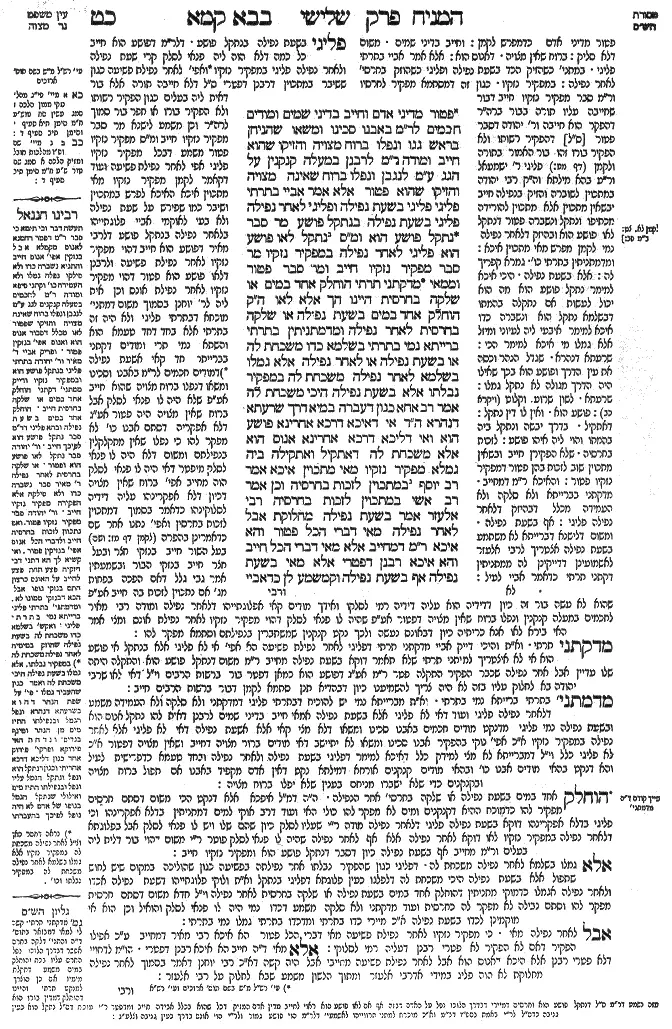
Bava Kamma 29a - Guemara
פטור מדיני אדם וחייב בדיני שמים ומודים חכמים לר"מ באבנו סכינו ומשאו שהניחן בראש גגו ונפלו ברוח מצויה והזיקו שהוא חייב ומודה ר"מ לרבנן במעלה קנקנין על הגג ע"מ לנגבן ונפלו ברוח שאינה מצויה והזיקו שהוא פטור אלא אמר אביי בתרתי פליגי פליגי בשעת נפילה ופליגי לאחר נפילה פליגי בשעת נפילה בנתקל פושע מר סבר נתקל פושע הוא ומ"ס נתקל לאו פושע הוא פליגי לאחר נפילה במפקיר נזקיו מר סבר מפקיר נזקיו חייב ומר סבר פטור וממאי מדקתני תרתי הוחלק אחד במים או שלקה בחרסית היינו הך אלא לאו ה"ק הוחלק אחד במים בשעת נפילה או שלקה בחרסית לאחר נפילה ומדמתניתין בתרתי ברייתא נמי בתרתי בשלמא כדו משכחת לה או בשעת נפילה או לאחר נפילה אלא גמלו בשלמא לאחר נפילה משכחת לה במפקיר נבלתו אלא בשעת נפילה היכי משכחת לה אמר רב אחא כגון דעברה במיא דרך שרעתא דנהרא ה"ד אי דאיכא דרכא אחרינא פושע הוא ואי דליכא דרכא אחרינא אנוס הוא אלא משכחת לה דאתקיל ואתקילה ביה גמלא מפקיר נזקיו מאי מתכוין איכא אמר רב יוסף במתכוין לזכות בחרסיה וכן אמר רב אשי במתכוין לזכות בחרסיה רבי אלעזר אמר בשעת נפילה מחלוקת אבל לאחר נפילה מאי דברי הכל פטור והא איכא ר"מ דמחייב אלא מאי דברי הכל חייב והא איכא רבנן דפטרי אלא מאי בשעת נפילה אף בשעת נפילה וקמשמע לן כדאביי
Comments from Rashi on Masechet Bava Kamma Page 29a
פטור מדיני אדם . כדמפרש לקמן: וחייב בדיני שמים . משום דלא סליק: ברוח שאין מצויה . דאנוס הוא: ברוח שאין מצויה . דאנוס הוא: אלא אמר אביי בתרתי פליגי . במתני' כשהזיק הכד בשעת נפילה ופליגי כשהוזק בחרסי' לאחר נפילה: במפקיר נזקיו . כגון זה דמסתמא מפקיר לחרסיו ור"מ סבר מפקיר נזקיו חייב דבור שחייבה עליו תורה בבור ברה"ר דהפקר הוא חייבה ור' יהודה דסבר פטור [ס"ל] דהפקיר רשותו ולא הפקיר בורו זהו בור האמור בתורה ולקמן (בבא קמא דף מט:) פליגי ר' ישמעאל ור"ע בהא מילתא וה"ק רבי יהודה במתכוין לשוברה והזיק בנפילה חייב ובשאין מתכוין אלא מתכוין להורידה מכתיפו ונתקל ונשברה פטור דנתקל לאו פושע הוא ובהיזק דלאחר נפילה נמי לקמן מפרש מאי מתכוין איכא: ומדמתניתין בתרתי כו' . גמרא קפריך לה: אלא בשעת נפילה . היכי איכא למימר נתקל פושע הוא מה הוא יכול לעשות אם נתקלה בהמתו דבשלמא נתקל הוא ונשברה כדו איכא למימר איבעי ליה לעיוני ומיזל אלא גמלו מי איכא למימר הכי: שרעתא דנהרא . שגדל הנהר וכסה את עין הדרך ופושע הוא בכך שאילו היה הדרך מגולה לא נתקל גמלו: שרעתא . לשון שרוע וקלוט (ויקרא כב): פושע הוא . ואין לו דין נתקל: דאתקיל . בדרך יבשה ונתקל ביה בהמתו והוי ליה איהו פושע: לזכות בחרסיה . שלא הפקירן חייב ובשאין מתכוין שוב לזכות בהן פטור דמפקיר נזקיו פטור: והאיכא ר"מ דמחייב . מדקתני בברייתא ולא סלקה ולא העמידה מכלל דבהיזק דלאחר נפילה פליגי: אף בשעת נפילה . ומשום דלישנא דברייתא לא משתמע בשעת נפילה אצטריך לרבי אלעזר לאשמועינן דדייקינן לה ממתניתין דקתני תרתי כדאמר אביי לעיל:
Comments from Tosafot - Bava Kamma 29a
פליגי בשעת נפילה בנתקל פושע . דלר"מ דפושע הוא חייב כל כמה דלא הוה ליה פנאי לסלק קרי שעת נפילה ולאחר נפילה פליגי במפקיר נזקיו ואפי' לאחר נפילת פשיעה כגון ששיבר במתכוין דרבנן דפטרי ס"ל דלא חייבה תורה אלא בור דאית ליה בעלים כגון הפקיר רשותו ולא הפקיר בורו או חפר בור סמוך לרה"ר וכן משמע לישנא מר סבר מפקיר נזקיו חייב ומ"ס מפקיר נזקיו פטור משמע דבכל מפקיר נזקיו פליגי אפי' לאחר נפילת פשיעה ועוד דקאמר לקמן מפקיר נזקיו מאי מתכוין איכא האיכא לפרש במתכוין ושיבר כמו שפירש על שעת נפילה ולא בעי לאוקמי אביי פלוגתייהו בלאחר נפילה בנתקל פושע דלרבי מאיר דפושע הוא חייב דהוי מפקיר נזקיו לאחר נפילת פשיעה ולרבנן דלאו פושע הוא פטור דהוי מפקיר נזקיו לאחר נפילת אונס וכן אית ליה לר' יוחנן בסמוך משום דמתני' מוכחא דבתרתי פליגי ולא היה זה בתרתי אלא בחד דחד טעמא הוא והשתא נמי תרי ומודים דקתני בברייתא חד קאי אשעת נפילה דמודים חכמים לר"מ באבנו וסכינו ומשאו דנפלו ברוח מצויה שהוא חייב אע"פ שלא היה לו פנאי לסלק אבל ברוח שאין מצויה היה פטור אע"ג דלא אפקריה דסתם אבנו כו' לא מפקר להו כי נפלו שאין מתקלקלין בנפילתם ומשום דלא היה לו פנאי לסלק מיפטר דאי היה לו פנאי לסלק הוה מחייב אפי' ברוח שאין מצויה דכיון דלא אפקרינהו עליה דידיה לסלוקינהו כדאמר בסמוך דמתכוין לזכות בחרסין ואפי' נתנו אחר שם כדאמרינן בהפרה (לקמן בבא קמא דף מז: ושם) בעל השור חייב בנזקי חצר ובעל חצר חייב בנזקי הבור ובשמעתין אמר גבי גלל דאם הפכה בפחות מג' אם נתכוין לזכות בה חייב אע"פ שהוא לא עשה בור זה כיון דדידיה הוא עליה דידיה רמי לסלקו ואידך מודים קאי אפלוגתייהו דלאחר נפילה ומודה רבי מאיר לחכמים במעלה קנקנין ונפלו ברוח שאין מצויה דפטור אע"פ שהיה לו פנאי לסלק דהוי מפקיר נזקיו לאחר נפילת אונס ומצי אמר האי בירא לאו אנא כריתיה כיון דבאונס נעשה ולכך נקט קנקנין שמשתברין בנפילתם וסתמא מפקר להו: מדקתני תרתי . וא"ת והיכי דייק אביי מדקתני תרתי דפליגי לאחר נפילת פשיעה הא אפי' אי לא פליגי אלא בנתקל אי פושע הוא אי לא איצטריך למיתני תרתי שלא תאמר דוקא בשעת נפילה מחייב ר"מ משום דנתקל פושע הוא והתקלה היתה שלו עדיין אבל אחר נפילה שכבר הפקיר התקלה פטר ר"מ אע"ג דפושע הוא כמאן דפטר בור ברשות הרבים וי"ל דאי לאו שרבי יהודה בא לחלוק עליו בזה לא היה צריך להשמיענו כיון דבהדיא תנן סתמא לקמן דבור ברשות הרבים חייב: הוחלק אחד במים בשעת נפילה או שלקה בחרסי' אחר הנפילה . ה"ה דמ"ל איפכא אלא דנקט הכי משום דסתם חרסים מפקיר להו כדמוכח ההיא דקנקנים ומים לא מפקר להו כולי האי ועוד דרב אוקי למים דמתניתין בדלא אפקרינהו וכי פליגי בדלא אפקרינהו דוקא בשעת נפילה פליגי דלאחר נפילה מודה ר"י שעליו לסלק כיון שהם שלו ויש לו פנאי לסלק אבל בפלוגתא דלאחר נפילה במפקיר נזקיו לאו דוקא לאחר נפילה אלא אף לאחר נפילה שהיה לו פנאי לסלק פוטר ר"י משום דהוי בור דלית ליה בעלים ור"מ מחייב אף בשעת נפילה כיון דסבר דנתקל פושע הוא ומפקיר נזקיו חייב: מדמתני' בתרתי ברייתא נמי בתרתי . וא"ת מברייתא נמי יש להוכיח דבתרתי פליגי דמדקתני ולא סלקה ולא העמידה משמע דלאחר נפילה פליגי ועוד דאי לא פליגי אלא בשעת נפילה אמאי חייב בדיני שמים לרבנן דאית להו נתקל אנוס הוא ובשעת נפילה נמי פליגי מדנקט מודים חכמים באבנו סכינו ומשאו דלא מצי קאי אלא אשעת נפילה דאי לא פליגי אלא לאחר נפילה במפקיר נזקיו א"כ אפי' נוקי בהפקיר אבנו סכינו ומשאו לא יתיישב דאי מודים ברוח מצויה דחייב ושאין מצויה דפטור א"כ לא פליגי כלל וי"ל דמברייתא לא מצי למידק כלל דאיכא למימר דפליגי בשעת נפילה ולאחר נפילה ובחד טעמא כדפרישית לעיל והא דנקט בהאי מודים אבנו כו' ובהאי מודים קנקנים אורחא דמילתא נקט דאין אדם מקפיד באבנו אם תפול ברוח מצויה ובקנקנים כדי שלא ישברו מניחם בענין שלא יפלו ברוח מצויה: אלא גמלו בשלמא לאחר נפילה משכחת לה . דפליגי כגון שהפקיר נבלתו אחר נפילתה בפשיעה כגון שהוליכה במקום שיש לחוש שתפול אלא בשעת נפילה היכי משכחת לה דלפלגו כעין פלוגתא דפליגי בנתקל וא"ת ולוקי פלוגתייהו דשעת נפילה אכדו ולאחר נפילה אגמלו כדמוקי מתניתין דהוחלק אחד במים בשעת נפילה או שלקה בחרסית לאחר נפילה וי"ל חדא משום דסתם חרסית מפקר להו וסתם נבילה לא מפקר לה כחרסית ועוד מדקתני ולא סלקה משמע דכדו נמי היה לו פנאי לסלק והואיל וכן הוא אי מוקמינן לכדו בשעת נפילה א"כ מיירי כדו בתרתי ומדכדו בתרתי גמלו נמי בתרתי: אבל לאחר נפילה מאי . כי מפקיר נזקיו לאחר נפילת פשיעה מאי דברי הכל פטור הא איכא רבי מאיר דמחייב ע"כ אפילו הפקיר דאם לא הפקיר לא פטרי רבנן דעליה רמי לסלוקי: אלא מאי ד"ה חייב הא איכא רבנן דפטרי . הו"מ לדחויי דלא פטרי רבנן אלא היכא דאנוס הוא אבל לאחר נפילת פשיעה מחייבי אבל היה קשה דא"כ רבי יוחנן דאמר בסמוך לאחר נפילה מחלוקת לא הוה פליג במידי אדרבי אלעזר ומתוך הלשון משמע שבא לחלוק על רבי אלעזר:
Bava Kamma 29a - Mishnah translated into english
he is exempt according to human laws but liable according to the laws of Heaven.
The Gemara comments: And the Rabbis concede to the opinion of Rabbi Meir in the cases of one’s stone, one’s knife, or one’s load, that if he placed them on top of his roof and they fell as a result of being blown off by a typical wind, i.e., one of ordinary force, and they caused damage, that he is liable. And Rabbi Meir concedes to the opinion of the Rabbis in the case of one who puts pitchers [kankanin] on the roof in order to dry them, and they fell as a result of being blown off by an atypical wind, i.e., one of unusual force, and they caused damage, that he is exempt. Evidently, even Rabbi Meir concedes that if one’s property causes damage due to circumstances completely beyond his control, he is exempt.
Accordingly, Abaye rejects Rabba’s explanation of Rabbi Yehuda’s statement, that he deems the owner of the jug liable even if he merely attempted to take it off his shoulder and it broke, and offers another explanation. Rather, Abaye said that Rabbi Meir and Rabbi Yehuda disagree with regard to two different situations. They disagree with regard to a situation where the damage was caused at the time of the person’s fall, and they disagree with regard to a situation where the damage was caused after the person’s fall.
They disagree in a situation where the damage was caused at the time of the person’s fall, with regard to whether or not one who stumbles, thereby causing his jug to break, is considered negligent. One Sage, Rabbi Meir, holds that one who stumbles is considered negligent, as his carelessness caused him to stumble. Therefore, he is liable to pay for damage caused by the shards of the jug, which broke as result of his stumbling. And one Sage, Rabbi Yehuda, holds that one who stumbles is not considered negligent.
They disagree in a situation where the damage was caused after the person’s fall, with regard to one who renounces ownership of his hazardous property. Presumably, the owner of the jug has no interest in keeping the shards, and it is considered as though he renounced his ownership of them. One Sage, Rabbi Meir, holds that one who renounces ownership of his hazardous property is liable to pay restitution for damage caused by it, despite the fact that it no longer belongs to him. And one Sage, Rabbi Yehuda, holds that he is exempt from paying restitution, as it does not belong to him anymore.
And from where is this interpretation derived? It is derived from the fact that the mishna teaches two possible cases of damage, stating: Another person slipped in the water or was injured by the shards. This case, slipping in the water, is seemingly identical to that case, injured by the shards. Rather, is it not necessary to explain that this is what the mishna is saying: Another person slipped in the water at the time of the person’s fall, or was injured by the shards after the person’s fall?
The Gemara infers: And since the dispute in the mishna is with regard to two situations, the dispute in the baraita between Rabbi Meir and the Rabbis must also relate to two situations, as there too, two cases are mentioned, a case where one’s jug broke and a case where one’s camel fell. Apparently, the dispute is with regard to damage caused both at the time of the fall and after the fall. Rabbi Meir holds that one who stumbles and breaks his jug, causing damage to others, is considered negligent and that one who renounces ownership of his hazardous property is liable, and the Rabbis disagree with regard to both issues.
The Gemara asks: Granted, with regard to the case where one’s jug broke, you find these circumstances either at the time of the fall or after the fall. But with regard to the case where his camel fell, granted, you find this circumstance after the fall, when he renounces his ownership of the carcass, not considering it worth keeping, but how can you find these circumstances at the time of the fall? How can the camel’s falling be considered to be due to the owner’s negligence, possibly rendering him liable to pay for injuries caused by it?
Rav Aḥa said: For example, in a case where the camel crossed through water, through the inundation [serata] of a river that overflowed its banks, and it stumbled there, the owner was negligent, as he should not have gone this way.
The Gemara asks: What are the circumstances? If there was another route, and he nevertheless chose this one, he is clearly negligent according to all opinions. And if there was no other route, he is a victim of circumstances beyond his control, and he is exempt from liability according to all opinions.
Rather, you find this circumstance in a case where the owner stumbled and the camel then stumbled on him. In this case, the Sages engage in a dispute whether or not one who stumbles is considered negligent.
The Gemara asks: According to Abaye’s explanation that the dispute between Rabbi Meir and Rabbi Yehuda is with regard to a situation where the owner of the jug renounces ownership of his hazardous property after it falls, what is the meaning of Rabbi Yehuda’s statement that if the owner of the jug acted with intent he is liable? What intention is there after the jug fell and broke?
Rav Yosef said: It is a situation where he intends to acquire the shards of the broken jug, and he does not renounce his ownership of them. It is specifically in that case that Rabbi Yehuda holds him liable to pay for damage caused by the shards. And similarly, Rav Ashi said: It is a situation where he intends to acquire the shards.
§ Rabbi Elazar says: The dispute in the baraita is with regard to a situation where the damage occurred at the time of the person’s fall.
The Gemara asks: But after the fall, according to this statement, what is the halakha? Does everyone agree that the owner of the jug is exempt from liability? But isn’t there Rabbi Meir, who deems him liable, since he did not remove the shards? Rather, what is the halakha? Does everyone agree that he is liable? But aren’t there the Rabbis, who deem him exempt?
The Gemara answers: Rather, what is the explanation of the phrase: At the time of the person’s fall? It means even at the time of the person’s fall, and it teaches us that the dispute is referring to a situation where the damage occurred after the fall and also to a situation where it occurred at the time of the fall, in accordance with Abaye’s explanation of the mishna.
Traduction : The William Davidson digital edition of the Koren Noé Talmud, with commentary by Rabbi Adin Even-Israel Steinsaltz.
Bava Kamma 29a : Significance
Next step
Finished studying Bava Kamma 29a? Carry on with the rest of the tractate.
Study Bava Kamma 29bFrequently asked questions: Bava Kamma 29a
Where is Bava Kamma 29a in tractate Bava Kamma?
Bava Kamma 29a is page 55 of 236 in tractate Bava Kamma (Seder Nezikin).
When is daf 29 of Bava Kamma studied in Daf Yomi?
Daf Yomi covers one daf a day, both sides. Daf 29 of Bava Kamma will be studied on May 4, 2031.
Is there a video class on Bava Kamma 29a?
Yes, by Daf Tube, Rabbi Dr. Moshe Weisblum. These classes were published on YouTube by their authors and are gathered on this site.
What is tractate Bava Kamma about?
The Masechet Baba Kama is the first tractate of the Seder Nezikin. The Baba Kama gemara is the study of laws relating to the general aspects and specific orders of tort liability without criminal intent. As well as criminal damage, whether it be theft, violence or burglary The Baba Kama tractate is a gemara which contains 10 chapters.
Your study is also dedicated to them
- L'ilui Nishmat Nissim ben Barukh Malka
- L'ilui Nishmat Ledicia bat David Banoun
- L'ilui Nishmat רינה בת לדיסיה