 Talmud Bavli
Bava Kamma 89a : Youtube
Daf TubeYoutube
2 video classes :
Bava Kamma Page 89a
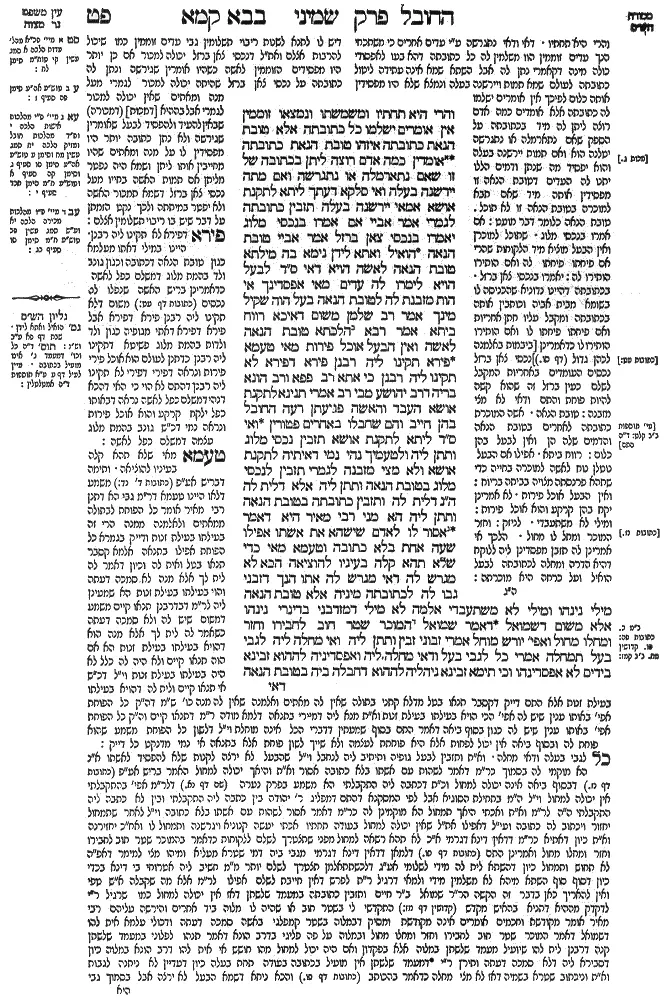
Bava Kamma 89a - Guemara
והרי היא תחתיו ומשמשתו ונמצאו זוממין אין אומרים ישלמו כל כתובתה אלא טובת הנאת כתובתה איזהו טובת הנאת כתובתה אומדין כמה אדם רוצה ליתן בכתובה של זו שאם נתארמלה או נתגרשה ואם מתה יירשנה בעלה ואי סלקא דעתך ליתא לתקנת אושא אמאי יירשנה בעלה תזבין כתובתה לגמרי אמר אביי אם אמרו בנכסי מלוג יאמרו בנכסי צאן ברזל אמר אביי טובת הנאה הואיל ואתא לידן נימא בה מילתא טובת הנאה לאשה הויא דאי ס"ד לבעל הויא לימרו לה עדים מאי אפסדינך אי הות מזבנת לה לטובת הנאה בעל הוה שקיל מינך אמר רב שלמן משום דאיכא רווח ביתא אמר רבא הלכתא טובת הנאה לאשה ואין הבעל אוכל פירות מאי טעמא פירא תקינו ליה רבנן פירא דפירא לא תקינו ליה רבנן כי אתא רב פפא ורב הונא בריה דרב יהושע מבי רב אמרי תנינא לתקנת אושא העבד והאשה פגיעתן רעה החובל בהן חייב והם שחבלו באחרים פטורין ואי ס"ד ליתא לתקנת אושא תזבין נכסי מלוג ותתן ליה ולטעמיך נהי נמי דאיתיה לתקנת אושא ולא מצי מזבנה לגמרי תזבין לנכסי מלוג בטובת הנאה ותתן ליה אלא דלית לה ה"נ דלית לה ותזבין כתובתה בטובת הנאה ותתן ליה הא מני רבי מאיר היא דאמר אסור לו לאדם שישהא את אשתו אפילו שעה אחת בלא כתובה וטעמא מאי כדי שלא תהא קלה בעיניו להוציאה הכא לא מגרש לה דאי מגרש לה אתו הנך דזבני גבו לה לכתובתה מיניה אלא טובת הנאה מילי נינהו ומילי לא משתעבדי אלמה לא מילי דמזדבני בדינרי נינהו אלא משום דשמואל דאמר שמואל המוכר שטר חוב לחבירו וחזר ומחלו מחול ואפי' יורש מוחל אמרי זבוני זבין ותתן ליה ואי מחלה ליה לגבי בעל תמחלה אמרי כל לגבי בעל ודאי מחלה ליה ואפסדיניה לההוא זבינא בידים לא אפסדינהו וכי תימא זבינא ניהליה לההוא דחבלה ביה בטובת הנאה
Comments from Rashi on Masechet Bava Kamma Page 89a
והרי היא תחתיו . דאי ודאי נתגרשה ע"י עדים אחרים כי משתכחי הנך עדים זוממין הוו משלמין לה כל כתובתה דהא בעו לאפסודי כולה מינה דקאמרי נתן לה אבל השתא שמא אינה עתידה ליטול כתובתה לעולם שמא תמות ויירשנה בעלה ונמצא שלא היו מפסידין אותה כלום לפיכך אין אומרים ישלמו לה כתובתה אלא אומדים כמה אדם רוצה ליתן לה מיד בכתובתה על הספק שאם נתארמלה או נתגרשה יטלנה הוא ואם תמות יירשנה בעלה והוא יפסיד מה שנתן ודמים הללו יתנו לה העדים דטובת הנאה זו מפסידין אותה מיד שאם תבא למוכרה בטובת הנאה זו לא תוכל טובת הנאה כלומר דבר מועט: אם אמרו בנכסי מלוג . שתוכל למוכרן ואין הבעל מוציא מיד הלקוחות שהרי אם פיחתו פיחתו לה ואם הותירו הותירו לה: יאמרו בנכסי צאן ברזל . בכתובתה דהיינו נדוניא שהכניסה לו בשומא מבית אביה וכותבין אותה בכתובתה ומקבל עליו חתן אחריות ואם פיחתו פיחתו לו ואם הותירו הותירו לו כדאמרינן [ביבמות באלמנה לכהן גדול (דף סו.)] נכסי צאן ברזל נכסים העומדים באחריות המקבל לשלם כעין ברזל זה שהוא קשה להיות פוחת והתם ודאי לא מצי מזבנה: טובת הנאה . אשה המוכרת כתובתה לאחרים בטובת הנאה והדמים שלה הן ואין לבעל בהן כלום: רווח ביתא . אפילו אם הבעל נוטלן נוח לאשה למוכרה בחייה כדי שתהא פרנסתה מצויה בביתה בריוח: ואין הבעל אוכל פירות . לא אמרינן יקח בהן קרקע והוא אוכל פירות: ומילי לא משתעבדי . לניזק: וחזר המוכר ומחל לו מחול . הלכך אי אמרינן לה תזבן מפסדינן ליה ללוקח דהיא הדרה ומחלה לכתובתה לבעל הואיל ועל כרחה היא מוכרתה:
Comments from Tosafot - Bava Kamma 89a
פירא דפירא לא תקינו ליה רבנן . היינו במילי דאתו מעלמא כגון טובת הנאה דכתובה וכגון גונב ולד בהמת מלוג דמשלם כפל לאשה כדאמרינן בריש האשה שנפלו לה נכסים (כתובות דף עט:) משום דלא תקינו ליה רבנן פירא דפירא אבל פירא דפירא דאתי מגופיה כגון ולד ולדות בהמת מלוג פשיטא דתקינו ליה רבנן כדתנן לעולם הוא אוכל פירי פירות ונראה דפירי דפירי לא תקינו ליה רבנן דהתם לא הוי כי האי דהכא דנהי דמשלם כפל לאשה נראה דבאותו כפל ילקח קרקע והוא אוכל פירות ונראה נמי דכ"ש גונב בהמת מלוג עצמה דמשלם כפל לאשה: טעמא מאי שלא תהא קלה בעיניו להוציאה . ותימה דבריש אע"פ (כתובות ד' נד:) משמע דלאו היינו טעמא דר"מ גבי הא דתנן רבי מאיר אומר כל הפוחת לבתולה ממאתים ולאלמנה ממנה הרי זה בעילתו בעילת זנות ודייק בגמרא כל הפוחת אפילו בתנאה אלמא קסבר תנאו בטל ואית לה וכיון דאמר לה לית לך אלא מנה לא סמכה דעתה והוי בעילתו בעילת זנות הא שמעינן ליה לר"מ דבדרבנן תנאו קיים משמע דמשום שיש לה ולא סמכה דעתה כשאמר לה לית לך אלא מנה הוא דהויא בעילתו בעילת זנות הא אם הוה תנאו קיים ולא היה לה כלל לא היה בעילתו בעילת זנות וי"ל דכ"ש אי תנאו קיים ולית לה דהויא בעילתו בעילת זנות אלא התם דייק דקסבר תנאו בטל מדלא קתני בתולה שאין לה מאתים ואלמנה שאין לה מנה כו' ש"מ דה"ק כל הפוחת אפי' באותו ענין שיש לה אפי' הכי הויא בעילתו בעילת זנות וא"ת מנא ליה דמיירי בתנאה דלמא מודה ר"מ. דתנאו קיים וה"ק כל הפוחת . אפי' באותו ענין שיש לה כגון בסוף ביאה דאמר התם בסוף שמעתין דדברי הכל אינה מוחלת וי"ל דלשון כל הפוחת משמע שהוא פוחת לה ובסוף ביאה אין יכול לפחות אלא היא פוחתת לעצמה ולא שייך לשון פוחת אלא בתנאה אי נמי מדנקט כל דייק: כל לגבי בעלה ודאי מחלה . וא"ת ותזבין לבעל גופיה ותיתיב ליה לנחבל וי"ל שהבעל לא ירצה לקנות שלא להפסיד לאשתו א"נ הא מוקמי לה בסמוך כר"מ דאמר לשהות עם אשתו בלא כתובה אסור וא"ת והיאך יכולה למחול האמר בריש אע"פ (כתובות דף נז.) דבסוף ביאה אינה יכולה למחול וכ"ת דכתבה ליה התקבלתי הא משמע בפרק נערה (שם דף נא.) דלר"מ אפי' בהתקבלתי אין יכולה למחול וי"ל ה"מ בתחילת הסוגיא אבל לפי המסקנא דהתם דמפליג ר' יהודה בין כתבה ליה התקבלתי ובין לא כתבה ליה התקבלתי ה"ה לר"מ וא"ת ואכתי היאך תמחול הא מוקמינן לה כר"מ דאמר אסור לשהות עם אשתו בלא כתובה וי"ל לאחר שתמחול . יחזור ויכתוב לה כתובה ועי"ל דאפילו את"ל שאין יכולה למחול בעודה תחתיו אכתי יעשה קנוניא ויגרשנה ותמחול לו ואח"כ יחזירנה וא"ת כיון דאתיא כר"מ דדאין דינא דגרמי א"כ לא תהא רשאה למחול מפני שתצטרך לשלם ללקוחות כדאמר בהמוכר שטר חוב לחבירו . וחזר ומחלו מחול ואמרינן התם (כתובות דף פו.) דלמאן דדאין דינא דגרמי מגבי ביה דמי שטרא מעליא ומיהו מצי למימר דאפ"ה לא תחוש ותמחול כיון דהשתא לית לה מידי לשלומי אע"ג דלכשתתאלמן תצטרך לשלם יותר מ"מ חשיב ליה אטרוחי בי דינא בכדי כיון דסוף סוף השתא מיהא לא משלמין מידי ולמאי דרגיל ר"ת לפרש דאין חייבת לשלם אפילו לר"מ אלא מה שקבלה א"ש טפי ואין להאריך כאן בדבר זה הקשה הר"ר שמואל ב"ר חיים ותזבין כתובתה במעמד שלשתן דאז אין יכולה למחול כמו שרגיל ר"י לדקדק מההיא דתניא בהאיש מקדש (קדושין דף מז:) התקדשי לי בשטר חוב או שהיה לו מלוה ביד אחרים והירשה עליהם רבי מאיר אומר מקודשת וחכמים אומרים אינה מקודשת ומסיק דבמלוה בשטר קמפלגי באשה סמכה דעתה ודכולי עלמא אית להו דשמואל דאמר המוכר שטר חוב לחבירו וחזר ומחלו מחול ובמלוה על פה פליגי בדרב הונא דאמר תנהו לפלוני במעמד שלשתן קנה דרבנן לית להו שיועיל מעמד שלשתן במלוה אלא בפקדון ואם היה יכול למחול מהו חושש אי אית להו דרב הונא במלוה כיון דסבירא ליה דלא סמכה דעתה ותירץ ר"י דמעמד שלשתן אין מועיל בכתובה בעודה תחת בעלה כיון דעדיין לא ניתנה לגבות וא"ת וניכתוב שטרא בשמיה דאז לא מצי מחלה כדאמר בהכותב (כתובות דף פו.) והכא ניחא דשמא הבעל לא ירצה אבל בסמוך גבי היא שחבלה בבעלה קשה דתזבין לאחר והבעל יכתוב ברצון שטר . בשמו כדי שיגבה חבלתו ותירץ ר"י דכיון שאין הכתובה בשם האשה הרי הוא כאילו משהה אשתו בלא כתובה אע"פ שאין קלה בעיניו להוציאה וא"ת כיון דכל גבי בעלה ודאי מחלה מאי קאמר לעיל אומדין כמה אדם רוצה ליתן בכתובה של זו כו' שום אדם לא יקנה אותה כיון דודאי מחלה ויכולין עדים לומר מאי אפסדינך כדקאמר לעיל אם טובת הנאה לבעל וי"ל דיכולה לעשות קיום במשכונות או בערבות או בנדר או בשבועה שלא תמחול אבל כאן אם יש לה תשלם ואם אין לה אין משועבדת לניזק לעשות לו קיומים צ"ע:
Bava Kamma 89a - Mishnah translated into english
and she is under him and serves him, i.e., she was in fact still married to him, and then these witnesses were found to be conspiring witnesses who were attempting to deny this woman the ability to ever collect payment of her marriage contract, then the court does not say that the witnesses shall pay the entire value of her marriage contract. Rather, the court says that they shall pay the financial advantage of her marriage contract. The Gemara explains: What is the financial advantage of her marriage contract? The court evaluates how much a person would want to give to purchase the rights of this woman’s marriage contract, taking into account the halakha that if she becomes widowed or divorced the purchaser will receive its full value, but if she dies during her husband’s lifetime, her husband will inherit her property and the purchaser will receive nothing.
Rav Idi bar Avin continues: And if it enters your mind that there is no ordinance of Usha, why would her husband inherit from her? Let the woman sell her marriage contract entirely.
Abaye said: This is not a proof for the existence of the ordinance of Usha, because even if there is no ordinance, and the Sages said that the woman retains the right to sell with regard to the usufruct property, would they also say that the woman retains the right to sell with regard to guaranteed property, which is listed among the possessions she brought into the marriage but is entirely under her husband’s authority? In any event, there is property that she does not have the right to sell and that the husband would inherit if she dies, regardless of whether or not there is an ordinance of Usha, so the marriage contract could not be sold for its full value.
§ Abaye said: With regard to financial advantage, since discussion of this matter came to us, let us say something about it. The money received for selling the financial advantage is given only to the wife. For if it enters your mind to say that it is given to the husband, then let the conspiring witnesses, who have been rendered liable to pay a penalty to the wife, say to her: What loss have we caused you by testifying that you had received payment of your marriage contract? Even if you were to sell it for the financial advantage, your husband would have taken it from you. Rav Shalman said in response: She still would incur a loss, because there is a gain to the household. Even if the husband were to be the one to receive the payment from the sale, the financial situation of the household would be improved, leading to a concrete benefit for the wife as well. This offsets the wife’s potential loss.
Rava said: The halakha is that the money received for selling the financial advantage of the marriage contract is given only to the wife, and the husband does not even garner the profits from that money or from property the wife would purchase with that money. What is the reason? The Sages instituted that the profits of her property are for the husband, but the Sages did not institute that the profits of the profits are for him.
§ When Rav Pappa and Rav Huna, son of Rav Yehoshua, came from the study hall of Rav they said: We learned a source for the ordinance of Usha in the mishna (87a): With regard to a slave or a married woman, an encounter with them is disadvantageous, since one who injures them is liable. But if they were the ones who injured others they are exempt, because they do not have money with which to pay. And if it enters your mind to say that there is no ordinance of Usha, there would be a method by which a married woman can obtain money with which to pay, as the court can have her sell her usufruct property and give the money received to the one she injured. It can therefore be inferred from the mishna that a woman cannot sell her usufruct property, in accordance with the ordinance of Usha.
The Gemara responds: And according to your reasoning, though indeed there is an ordinance of Usha, and she cannot fully sell her usufruct property, she should nevertheless be able to sell her usufruct property for the financial advantage, i.e., the purchaser will pay her for the future rights to the property in the event that she gets divorced or is widowed, and she will give that money to the one she injured. Rather, it must be that the mishna is discussing a case where she does not have usufruct property of which she can sell the future rights. So too, there is no source from the mishna for the ordinance of Usha, as the mishna is discussing a case where she does not have usufruct property to sell.
The Gemara questions the ruling of the mishna: Why does the mishna assert that a married woman will not have money with which to pay, but she should sell the financial advantage of her marriage contract and give the money received to the one she injured? The Gemara answers: In accordance with whose opinion is this ruling of the mishna? It is in accordance with the opinion of Rabbi Meir, who says that it is prohibited for a man to remain living together with his wife for even one hour without her having a marriage contract. Therefore, the woman cannot sell the financial advantage of her marriage contract.
The Gemara asks: And what is the reason for the ruling of Rabbi Meir? It is so that she will not be demeaned in his eyes such that he will easily divorce her, as he would not suffer any adverse financial consequences by divorcing her. The Gemara asks: If that is the reason, then here, when she sold her marriage contract to others, the husband will not easily divorce her, as, if he would divorce her, those who purchased her marriage contract will come and collect payment of her marriage contract from the husband. It makes no difference to the husband whether he will have to pay the marriage contract to her or to the purchasers. Therefore, the reason for the ruling of the mishna cannot be based upon the statement of Rabbi Meir.
Rather, the reason she is not required to sell the financial advantage of her marriage contract to pay the one she injured is that the financial advantage of her marriage contract is mere words, i.e., not a specific possession, but a legal entity that simply creates the possibility to collect its value at a later date. And mere words are not mortgaged for the payment of debts, in this case her debt to the injured party.
The Gemara questions this assertion: Why not? Why is financial advantage not mortgaged? They are words that are sold for dinars. Since the financial advantage of her marriage contract has a market value, it is mortgaged to pay the debt to the injured party. Rather, she is not required to sell the financial advantage of her marriage contract because of the statement of Shmuel, as Shmuel says: With regard to one who sells a promissory note to another, and the seller went back and forgave the debtor his debt, it is forgiven, and the promissory note is left valueless, since the debtor essentially had a non-transferable obligation to the creditor alone, and even the seller’s heir can forgive the debt. Since there is a concern that the woman will forgive the debt of her marriage contract after having sold it, causing a loss to the purchaser, she is not required to sell it.
The Sages say: Let her sell the financial advantage of the marriage contract and give the money to the one she injured, and if she happens to forgive the debt of her marriage contract to her husband, she will forgive it. Just as it is generally permitted for one to sell a promissory note despite the fact that he could then forgive the debt, the same should hold true in this case as well.
The Sages say: In any matter that will engender a benefit to her husband, she will certainly forgive the debt to him so that he will not have to pay the marriage contract. And with regard to causing a definite loss to that purchaser through direct action by having the woman sell the financial advantage of her marriage contract in a case where she will certainly forgive the debt, the Sages will not be willing to cause a definite loss to the purchaser.
The Gemara offers another suggestion: And if you would say that she should sell her marriage contract to that one whom she injured in order to receive the money for the financial advantage,
Traduction : The William Davidson digital edition of the Koren Noé Talmud, with commentary by Rabbi Adin Even-Israel Steinsaltz.