 Talmud Bavli
Bava Kamma 87a : Youtube
Daf TubeYoutube
2 video classes :
Bava Kamma Page 87a
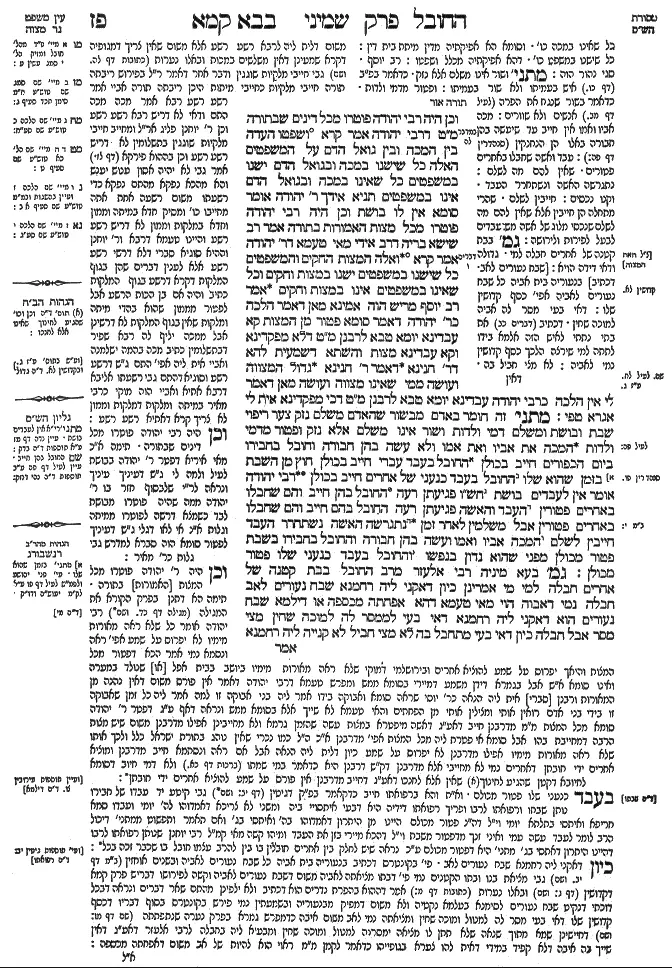
Bava Kamma 87a - Guemara
וכן היה רבי יהודה פוטרו מכל דינים שבתורה מ"ט דרבי יהודה אמר קרא (במדבר לה, כד) ושפטו העדה בין המכה ובין גואל הדם על המשפטים האלה כל שישנו במכה ובגואל הדם ישנו במשפטים כל שאינו במכה ובגואל הדם אינו במשפטים תניא אידך ר' יהודה אומר סומא אין לו בושת וכן היה רבי יהודה פוטרו מכל מצות האמורות בתורה אמר רב שישא בריה דרב אידי מאי טעמא דר' יהודה אמר קרא (דברים ו, א) ואלה המצות החקים והמשפטים כל שישנו במשפטים ישנו במצות וחקים וכל שאינו במשפטים אינו במצות וחקים אמר רב יוסף מריש הוה אמינא מאן דאמר הלכה כר' יהודה דאמר סומא פטור מן המצות קא עבדינא יומא טבא לרבנן מ"ט דלא מפקדינא וקא עבדינא מצות והשתא דשמעית להא דר' חנינא דאמר ר' חנינא גדול המצווה ועושה ממי שאינו מצווה ועושה מאן דאמר לי אין הלכה כרבי יהודה עבדינא יומא טבא לרבנן מ"ט דכי מפקדינא אית לי אגרא טפי:
מתני׳ זה חומר באדם מבשור שהאדם משלם נזק צער ריפוי שבת ובושת ומשלם דמי ולדות ושור אינו משלם אלא נזק ופטור מדמי ולדות המכה את אביו ואת אמו ולא עשה בהן חבורה וחובל בחבירו ביום הכפורים חייב בכולן החובל בעבד עברי חייב בכולן חוץ מן השבת בזמן שהוא שלו החובל בעבד כנעני של אחרים חייב בכולן רבי יהודה אומר אין לעבדים בושת חש"ו פגיעתן רעה החובל בהן חייב והם שחבלו באחרים פטורין העבד והאשה פגיעתן רעה החובל בהם חייב והם שחבלו באחרים פטורין אבל משלמין לאחר זמן נתגרשה האשה נשתחרר העבד חייבין לשלם המכה אביו ואמו ועשה בהן חבורה והחובל בחבירו בשבת פטור מכולן מפני שהוא נדון בנפשו והחובל בעבד כנעני שלו פטור מכולן:
גמ׳ בעא מיניה רבי אלעזר מרב החובל בבת קטנה של אחרים חבלה למי מי אמרינן כיון דאקני ליה רחמנא שבח נעורים לאב חבלה נמי דאבוה הוי מאי טעמא דהא אפחתה מכספה או דילמא שבח נעורים הוא דאקני ליה רחמנא דאי בעי לממסר לה למוכה שחין מצי מסר אבל חבלה כיון דאי בעי מתחבל בה לא מצי חביל לא קנייה ליה רחמנא
Comments from Rashi on Masechet Bava Kamma Page 87a
כל שאינו במכה כו' . וסומא הא אפיקתיה מדין מיתת בית דין: כל שישנו במשפט כו' . דהא אפיקתיה מכלל ושפטו: רב יוסף . סגי נהור הוה: מתני' ושור אינו משלם אלא נזק . כדאמר בפ"ב (דף כו.) איש בעמיתו ולא שור בעמיתו: ופטור מדמי ולדות . כדאמר בשור שנגח את הפרה (לעיל בבא קמא דף מב.) אנשים ולא שוורים: מכה אביו ואמו . אין חייב עד שיעשה בהן חבורה באלו הן הנחנקין (סנהדרין דף פה:): עבד ואשה שחבלו באחרים פטורים . שאין להם מה לשלם: נתגרשה האשה ונשתחרר העבד . וקנו נכסים: חייבין לשלם . שהרי מתחלה הן חייבין אלא שאין להם מה לשלם שנכסי מלוג של אשה משועבדים לבעל לפירות ולירושה: גמ' בבת קטנה של אחרים חבלה למי . גדולה ודאי דידה הויא: [שבח נעורים לאב . דכתיב] בנעוריה בית אביה כל שבח נעורים לאביה אפי' כסף קדושין שלו: דאי בעי מסר לה אביה למוכה שחין . דכתיב (דברים כב) את בתי נתתי לאיש הזה אלמא בידו לתתה למי שירצה הלכך כסף קדושין נמי לאביה: לא מצי חביל בה . דאין אדם רשאי לחבול בבתו דהא ישראלית היא ועבר על לא יוסיף פן יוסיף (דברים כה):
Comments from Tosafot - Bava Kamma 87a
וכן היה רבי יהודה פוטרו מכל דינים שבתורה . תימה א"כ מאי איריא דפטר ר' יהודה בבושת לעיל ולמה לי ג"ש דעיניך עיניך ונראה לר"י שלבסוף חזר בו ר' יהודה ממה שהיה פוטרו מבושת לבד כשמצא דרשה לפוטרו ממיתה וגלות א"נ אי לאו דגלי ג"ש דעיניך לפטור סומא הוה סברא למדרש גבי גלות כר' מאיר: וכן היה ר' יהודה פוטרו מכל המצות [האמורות] בתורה . תימה הא דתנן בפרק הקורא את המגילה (מגילה דף כד. ושם) רבי יהודה אומר כל שלא ראה מאורות מימיו לא יפרוס על שמע אפי' ראה ונסמא נמי אמר הכא דפטור מכל המצות והיאך יפרוס על שמע להוציא אחרים ובירושלמי דמוקי שלא ראה מאורות מימיו ביושב בבית אפל [או] שנולד במערה ואינו סומא א"ש אבל בגמרא דידן משמע דמיירי בסומא ממש ומפרש טעמא דרבי יהודה דאמר אין פורס משום דאין נהנה מן המאורות ורבנן [סברי] אית ליה הנאה כר' יוסי שראה סומא ואבוקה בידו אמר ליה בני אבוקה זו למה אמר ליה כל זמן שאבוקה זו בידי בני אדם רואין אותי ומצילין אותי מן הפחתים והאי טעמא לא שייך אלא בסומא ממש ונראה דאף ע"ג דפטר ר' יהודה סומא מכל המצות מ"מ מדרבנן חייב דאע"ג דאשה מיפטרא במצות עשה שהזמן גרמא ולא מחייבינן אפילו מדרבנן משום שיש מצות הרבה דמחייבת בהו אבל סומא אי פטרת ליה מכל המצות אפי' מדרבנן א"כ ה"ל כמו נכרי שאין נוהג בתורת ישראל כלל ולכך אותו שלא ראה מאורות מימיו אפילו מדרבנן לא יפרוס על שמע כיון דלית ליה הנאה אבל אם ראה ונסתמא חייב מדרבנן ומוציא אחרים ידי חובתן דאחרים נמי לא מחייבי אלא מדרבנן דק"ש דרבנן היא כדאמר במי שמתו (ברכות דף כא.) ולא דמי חיוב דסומא לחיובא דקטן שהגיע לחינוך שאין אלא לחנכו דאע"ג דחייב מדרבנן אין פורס על שמע להוציא אחרים ידי חובתן: בעבד כנעני שלו פטור . מכולם. וא"ת והא ברפואתו חייב כדקאמר בפ"ק דגיטין (דף יב: ושם) גבי קיטע יד עבדו של חבירו . נותן שבתו ורפואתו לרבו ופריך רפואתו דידיה היא דבעי איתסויי ביה ומשני לא צריכא דאמדוהו לה' יומי ועבדו סמא חריפא ואיתסי בתלתא יומי וי"ל דה"נ פטור מכולם היינו מן היתרון דאמדוהו בה' ואיתסי בג' ואם תאמר ותפשוט ממתני' דיכול הרב לומר לעבד עשה עמי ואיני זנך מדפטור משבת וי"ל דהכא מיירי בזן את העבד ומיהו קשה מאי קמ"ל רבי יוחנן שנותן רפואתו לרבו דהיינו היתרון דאתסי בג' מתני' היא דפטור מכולם ע"כ נראה שיש לחלק בין אחרים חובלין בו בין להרב עצמו חובל בו שכבר זכה בכל.: כיון דאקני ליה רחמנא שבח נעורים לאב . פי' בקונטרס דכתיב בנעוריה בית אביה כל שבח נעורים לאביה ובשנים אוחזין (ב"מ דף יב. ושם) גבי מציאת בנו ובתו הקטנים נמי פי' דבתו מציאתה לאביה משום דשבח נעורים לאביה וקשה לפירושו דבריש פרק קמא דקדושין (דף ג: ושם) ובאלו נערות (כתובות דף מ:) אמר דההוא בהפרת נדרים הוא דכתיב ולא ילפינן מהתם שאר דברים ונראה דבכל דוכתי דנקיט שבח נעורים לסימנא בעלמא נקטיה ולא משום דמפיק מבנעוריה ובשמעתין נמי פירש בקונטרס בסוף דבריו דכסף קדושין שלו דאי בעי מסר לה למנוול ומוכה שחין ומציאתה נמי לאב משום איבה כדמפרש גמרא בפרק נערה שנתפתתה (שם דף מו: ושם) דחיישינן שמא מתוך שנאה שלא תתן לו מציאה ימסרנה למנוול ומוכה שחין ומבעיא ליה בחבלה לרבי אלעזר דאע"ג דאין שייך בה איבה דלא קפיד במידי דאית להו צערא בגופייהו כדאמר לקמן מ"מ ראוי הוא להיות של אב משום דאפחתה מכספה:
Bava Kamma 87a - Mishnah translated into english
and so did Rabbi Yehuda exempt a blind person from all judgments of civil law that are in the Torah. The Gemara explains: What is the reasoning of Rabbi Yehuda? The verse states with regard to an unintentional killing: “Then the congregation shall judge between the smiter and the avenger of blood, according to these laws” (Numbers 35:24), to teach that anyone who is subject to the halakha of a smiter and to the halakha of an avenger of blood is subject to civil laws, and anyone who is not subject to the halakha of a smiter or to the halakha of an avenger of blood, including a blind person, is not subject to civil laws.
The Gemara presents another statement of Rabbi Yehuda. It is taught in another baraita that Rabbi Yehuda says: A blind person does not have, i.e., receive, compensation for humiliation, and so did Rabbi Yehuda exempt a blind person from all mitzvot that are stated in the Torah. Rav Sheisha, son of Rav Idi, said: What is the reasoning of Rabbi Yehuda? The verse states: “And this is the commandment, statutes, and laws” (Deuteronomy 6:1), to teach that anyone who is subject to civil laws is also subject to the commandments and statutes, and anyone who is not subject to civil laws, including a blind person, is also not subject to the commandments and statutes.
Rav Yosef, who was blind, said: At first, I would say: If I hear one who says that the halakha is in accordance with the opinion of Rabbi Yehuda, who says: A blind person is exempt from the mitzvot, then I will host a festive day for the Sages. What is the reason? It is that I am not commanded and nevertheless I perform mitzvot.
Rav Yosef continues. But now that I heard this statement of Rabbi Ḥanina, as Rabbi Ḥanina says: One who is commanded and performs a mitzva is greater than one who is not commanded and performs it, I say: If I hear one who says to me that the halakha is not in accordance with the opinion of Rabbi Yehuda, then I will host a festive day for the Sages. What is the reason? It is that as I am commanded, I have more reward.
MISHNA: This halakha is a stringency with regard to a person who caused injury, compared to the halakha with regard to an ox that caused injury: The halakha is that the person pays compensation for damage, pain, medical costs, loss of livelihood, and humiliation; and if he caused a woman to miscarry he also pays compensation for miscarried offspring, as the verse states (see Exodus 21:22). But in the case of an ox that caused injury, the owner pays only compensation for damage, and he is exempt from paying compensation for miscarried offspring.
The mishna continues: One who strikes his father or his mother but did not cause them to have a bruise, and therefore is not liable to receive court-imposed capital punishment, and one who injures another on Yom Kippur, the punishment for which is not court-imposed capital punishment, is liable to pay for all of the five types of indemnity.
One who injures a Hebrew slave is liable to pay for all of the five types of indemnity. This is except for compensation for loss of livelihood suffered during the time that the injured slave belongs to the one that injured him. Since the right to the slave’s labor belongs to his master, his inability to work is his master’s loss. One who injures a Canaanite slave belonging to others is liable to pay for all of the five types of indemnity. Rabbi Yehuda says: Canaanite slaves do not have humiliation, so the one who injures the slave pays only the other four types of indemnity.
The mishna continues: With regard to a deaf-mute, an imbecile, or a minor, an encounter with them is disadvantageous. In other words, no favorable outcome is possible for someone involved in an incident with one of these people, since one who injures them is liable. But if they were the ones who injured others, they are exempt. This is because they lack awareness and are not responsible for their actions.
Similarly, with regard to a slave and a married woman, an encounter with them is disadvantageous, since one who injures them is liable. But if they were the ones who injured others, they are exempt, because they do not have money with which to pay compensation. But they pay compensation at a later time. The exemption is only temporary, as, if the woman becomes divorced or the slave becomes emancipated, and they then have their own money, they are liable to pay compensation.
The mishna continues: One who strikes his father or his mother and causes them to have a bruise, or one who injures another on Shabbat, is exempt from paying all of the five types of indemnity, because he is judged with losing his life. The court imposes capital punishment for these acts, so there is no additional monetary punishment.
And one who injures his own Canaanite slave is exempt from paying all of the five types of indemnity, because his slave is his property.
GEMARA: The Gemara discusses a case of compensation for injury. Rabbi Elazar raised a dilemma before Rav: In a case of one who injures the minor daughter of others, to whom does he pay compensation for the injury?
Rabbi Elazar explains the dilemma: Do we say that since the Merciful One granted the profits of her youth to the father, as he receives her betrothal money, compensation for injury also belongs to her father? What is the reason that he should receive it? The reason is that the one who injured her lowered her monetary value, resulting in her father receiving gifts of lesser value when she is betrothed. Or perhaps it is only the profits of her youth that the Merciful One granted to her father, because if he desires to give her in marriage to a man afflicted with boils, he can give her to him, but with regard to injury, since if he desires to injure her he may not injure her, just as he may not injure any other person, the Merciful One did not grant him the right to receive the compensation when she is injured.
Traduction : The William Davidson digital edition of the Koren Noé Talmud, with commentary by Rabbi Adin Even-Israel Steinsaltz.