 Talmud Bavli
The learning on the whole site is dedicated : L'ilui Nishmat Chemouel Eliezer ben Batcheva
The learning on the whole site is dedicated : L'ilui Nishmat Yechayahou ben Moche
The learning on the whole site is dedicated : For the success of Elyahou ben H'anna & family
Bava Kamma 60a : Youtube
Daf TubeYoutube
2 video classes :
Bava Kamma Page 60a
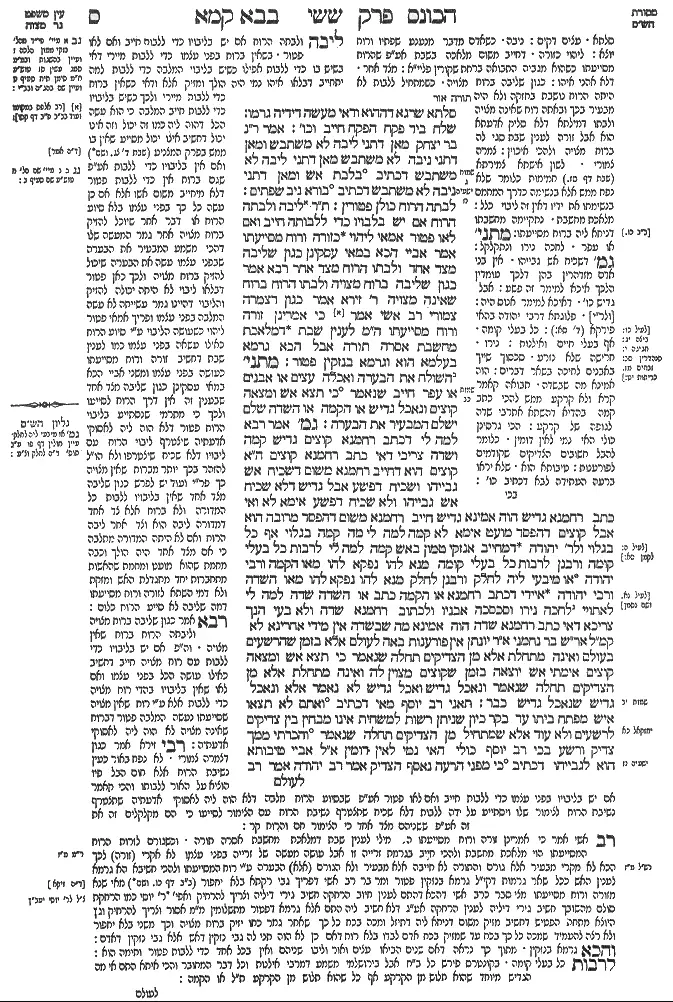
Bava Kamma 60a - Guemara
סלתא שרגא דההוא ודאי מעשה דידיה גרמו:
שלח ביד פקח הפקח חייב וכו':
אמר ר"נ בר יצחק מאן דתני ליבה לא משתבש ומאן דתני ניבה לא משתבש מאן דתני ליבה לא משתבש דכתיב (שמות ג, ב) בלבת אש ומאן דתני ניבה לא משתבש דכתיב (ישעיהו נז, יט) בורא ניב שפתים:
לבתה הרוח כולן פטורין:
ת"ר ליבה ולבתה הרוח אם יש בלבויו כדי ללבותה חייב ואם לאו פטור אמאי ליהוי כזורה ורוח מסייעתו אמר אביי הכא במאי עסקינן כגון שליבה מצד אחד ולבתו הרוח מצד אחר רבא אמר כגון שליבה ברוח מצויה ולבתו הרוח ברוח שאינה מצויה ר' זירא אמר כגון דצמרה צמורי רב אשי אמר כי אמרינן זורה ורוח מסייעתו ה"מ לענין שבת דמלאכת מחשבת אסרה תורה אבל הכא גרמא בעלמא הוא וגרמא בנזקין פטור:
מתני׳ השולח את הבערה ואכלה עצים או אבנים או עפר חייב שנאמר (שמות כב, ה) כי תצא אש ומצאה קוצים ונאכל גדיש או הקמה או השדה שלם ישלם המבעיר את הבערה:
גמ׳ אמר רבא למה לי דכתב רחמנא קוצים גדיש קמה ושדה צריכי דאי כתב רחמנא קוצים ה"א קוצים הוא דחייב רחמנא משום דשכיח אש גבייהו ושכיח דפשע אבל גדיש דלא שכיח אש גבייהו ולא שכיח דפשע אימא לא ואי כתב רחמנא גדיש הוה אמינא גדיש חייב רחמנא משום דהפסד מרובה הוא אבל קוצים דהפסד מועט אימא לא קמה למה לי מה קמה בגלוי אף כל בגלוי ולר' יהודה דמחייב אנזקי טמון באש קמה למה לי לרבות כל בעלי קומה ורבנן לרבות כל בעלי קומה מנא להו נפקא להו מאו הקמה ורבי יהודה או מיבעי ליה לחלק ורבנן לחלק מנא להו נפקא להו מאו השדה ורבי יהודה איידי דכתב רחמנא או הקמה כתב או השדה שדה למה לי לאתויי לחכה נירו וסכסכה אבניו ולכתוב רחמנא שדה ולא בעי הנך צריכא דאי כתב רחמנא שדה הוה אמינא מה שבשדה אין מידי אחרינא לא קמ"ל אר"ש בר נחמני א"ר יונתן אין פורענות באה לעולם אלא בזמן שהרשעים בעולם ואינה מתחלת אלא מן הצדיקים תחלה שנאמר כי תצא אש ומצאה קוצים אימתי אש יוצאה בזמן שקוצים מצוין לה ואינה מתחלת אלא מן הצדיקים תחלה שנאמר ונאכל גדיש ואכל גדיש לא נאמר אלא ונאכל גדיש שנאכל גדיש כבר:
תאני רב יוסף מאי דכתיב (שמות יב, כב) ואתם לא תצאו איש מפתח ביתו עד בקר כיון שניתן רשות למשחית אינו מבחין בין צדיקים לרשעים ולא עוד אלא שמתחיל מן הצדיקים תחלה שנאמר (יחזקאל כא, ח) והכרתי ממך צדיק ורשע בכי רב יוסף כולי האי נמי לאין דומין א"ל אביי טיבותא הוא לגבייהו דכתיב (ישעיהו נז, א) כי מפני הרעה נאסף הצדיק אמר רב יהודה אמר רב
Comments from Rashi on Masechet Bava Kamma Page 60a
סלתא . עצים דקים: ניבה . כשאדם מדבר מנענע שפתיו ורוח יוצא: הוה אמינא מה שבשדה . תבואה קאמר קרא ולא קרקע ממש להכי כתב קמה בהדיא דהשתא אתרבי שדה לגופה של קרקע: ליהוי כזורה . דחייב משום מלאכה בשבת אע"פ שהרוח מסייעתו כשהוא מגביה התבואה ברחת שקורין פליי"א: מצד אחר . דלא אהני איהו: כגון שליבה ברוח מצויה . כשמתחיל ללבות לא היתה הרוח נושבת בחזקה ולא היה מבעיר בכך ובאתה רוח שאינה מצויה ולבתו דמילתא דלא סליק אדעתא הוא אבל זורה לענין שבת סגי לה ברוח מצויה ולהכי איכוין: צמרה צמורי . לשון אישתא צמירתא (שבת דף סז.) חמימות כלומר שלא נפח ממש אלא בנשימה כדרך המחמם בנשימתו את ידיו דאין זה ליבוי כלל: מלאכת מחשבת . נתקיימה מחשבתו דניחא ליה ברוח מסייעתו: מתני' או עפר . לחכה נירו ונתקלקל: גמ' דשכיח אש גבייהו . אין בני אדם מזדהרין בהן דלכך עומדין הלכך איכא למימר זה פשע: אבל גדיש כו' . דאיכא למימר אנוס היה: [ולר"י] . פלוגתא דרבי יהודה בהאי פירקא (ד' סא:): כל בעלי קומה . אף בעלי חיים ואילנות: נירו . חרישה שלא נזרע סכסוך שייך באבנים לחיכה בשאר דברים: הוה אמינא מה שבשדה . תבואה קאמר קרא ולא קרקע ממש להכי כתב קמה בהדיא דהשתא אתרבי שדה לגופה של קרקע: הכי גרסינן כולי האי נמי לאין דומין . כלומר להבל חשובים הצדיקים שקודמים לפורענות: טיבותא הוא . שלא יראו ברעה העתידה לבא דכתיב כו':
Comments from Tosafot - Bava Kamma 60a
ליבה ולבתה הרוח אם יש בליבויו כדי ללבות חייב ואם לאו פטור . בשאין ברוח בפני עצמו כדי ללבות מיירי דאי בשיש בו כדי ללבות אפילו כשיש בליבוי המלבה כדי ללבות למה יתחייב דבלאו איהו נמי היה הולך ומזיק אלא ודאי כשאין ברוח כדי ללבות מיירי ולכך כשיש בליבויו כדי ללבות חייב המלבה כי הוא עשה הכל דהוה ליה כמו זה יכול וזה אינו יכול דחשיב אינו יכול מסייע שאין בו ממש בפרק המצניע (שבת ד' צג. ושם) ואם אין בליבויו כדי ללבות אע"פ שגם ברוח אין כדי ללבות פטור דלא מיחייב משום אשו אלא אם כן עשה כל כך בפני עצמו בלא סיוע הרוח או דבר אחר שיוכל להזיק ברוח מצויה אחר גמר המעשה שלו דהכי משמע המבעיר את הבערה שבפני עצמו עשה את הבערה שיכול להזיק ברוח מצויה ולכך כאן פטור דבלאו ליבוי לא היתה יכולה להזיק והליבוי דהיינו גמר עשייתה לא עשה המלבה בפני עצמו ופריך אמאי פטור ליהוי כשעושה הליבוי ע"י סיוע הרוח כאילו עשאה בפני עצמו כמו לענין שבת דחשיב זורה ורוח מסייעתו כעושה בפני עצמו ומשני אביי הכא במאי עסקינן כגון שליבה מצד אחד שבענין זה אין דרך הרוח לסייעו ולכך כי מתרמי שנסתייע בליבוי הרוח פטור דלא הוה ליה לאסוקי אדעתיה שיצטרף ליבוי הרוח עם ליבויו דלא שכיח שיצטרפו ולא הו"ל להזהר בכך יותר מברוח שאין מצויה כך פר"י ועוד יש לפרש כגון שליבה מצד אחד שאין בליבויו ללבות כל המדורה ולא ברוח אלא צד אחד דמדורה ליבה הוא וצד אחר ליבה הרוח ואם לא היתה המדורה מתלבה כי אם מצד אחד היה הולך וכבה מחמת שהוא מועט ומחמת שהאשות מתחברות יחד מתגדלת האש ומזקת ולא דמי השתא לזורה ורוח מסייעתו דמה שליבה לא סייע הרוח כלום: רבא אמר כגון שליבה ברוח מצויה וליבתה הרוח ברוח שאין מצויה . וה"פ אם יש בליבויו כדי ללבות עם רוח מצויה חייב דחשיב כאילו עושה הכל בפני עצמו ואם לאו שאין בליבויו בהדי רוח מצויה כדי ללבות אלא ע"י רוח שאין מצויה שסייעתו נעשה המלבה פטור דברוח שאינה מצויה לא הוה ליה לאסוקי אדעתיה: רבי זירא אמר כגון דצמרה צמורי . לא נפח באור כעין נשיבת הרוח אלא חום הבל פיו הוציא על האור ללבותו והכי קאמר אם יש בליבויו בפני עצמו כדי ללבות חייב ואם לאו פטור אע"פ שבסיוע הרוח מלבה דלא הוה ליה לאסוקי אדעתיה שתצטרף נשיבת הרוח לצימור שלו ויסתייע על ידה ללבות דלא שכיח שתצטרף נשיבת הרוח עם הצימור לסייעו כי הם מקלקלים זה את זה אע"פ ששניהם מצד אחד כי הצימור חם והרוח קר: רב אשי אמר כי אמרינן זורה ורוח מסייעתו הני מילי לענין שבת דמלאכת מחשבת אסרה תורה. וכשגורם לזרות הרוח המסייעתו הוי מלאכת מחשבת ולהכי חייב בגרמת זרייה זו אבל עושה מעשה של זרייה בפני עצמו לא אקרי (זורה) לכך הכא לא מקרי מבעיר אלא גורם והתורה לא חייבה אלא מבעיר ולא הגורם (אלא) הבערה ע"י רוח המסייעתו ולהכי חשיבא הא גרמא לענין האש ככל שאר גרמות דקי"ל גרמא בנזקין פטור ומר בר רב אשי דפריך גבי רקתא בלא יחפור (ב"ב דף כו. ושם) מאי שנא מזורה ורוח מסייעתו מצי סבר כרב אשי דהכא דהתם לענין חיוב הרחקה חשיב גירי דיליה וצריך להרחיק ואפי' ר' יוסי כמו הרחקת סולם מהשובך חשיב גירי דיליה לענין הרחקה אע"ג דלא חשיב ליה התם אלא גרמא דפטור מתשלומין מ"מ אסור וצריך להרחיק וגץ היוצא מתחת הפטיש דחשיב מזיק משום דניחא ליה דתיזל ומכה בכח כל כך שאחר גמר כחו יזיק ברוח מצויה וכך משני בלא יחפור ולא רצה להעמיד שמכה כל כך בכח עד שמזיק בכח אדם לבדו בלא רוח דאם כן לא הוה תני לה גבי נזקין דאש אלא גבי נזקין דאדם: והכא גרמא בנזקין . מתוך כך נראה דאם שנים הביאו עצים ואור וליבו שניהם ואין בכל אחד כדי ללבות פטור ותימה הוא: לרבות כל בעלי קומה . בקונטרס פירש כל ב"ח אבל בירושלמי משמע דמרבי אילנות וכל דבר המחובר והכי איתא התם אי מה הגדיש מיוחד שהוא תלוש מן הקרקע אף כל שהוא תלוש מן הקרקע ת"ל או הקמה:
Bava Kamma 60a - Mishnah translated into english
of thin wood and a candle [sheraga], since in that case his own action, i.e., that of the one who sent the flame, definitely caused the fire to spread.
The mishna teaches that if one sent a fire in the hand of a halakhically competent person, the halakhically competent person is liable…If another came and fanned the flame the one who fanned it is liable. Rav Naḥman bar Yitzḥak says with regard to the correct text of the mishna: The one who teaches it using the word fanned [libba] is not mistaken, and the one who teaches it using the word blew [nibba] is not mistaken.
Rav Naḥman explained: The one who teaches using the word fanned [libba] is not mistaken, as it is written: “With a flame [belabbat] of fire” (Exodus 3:2), and the one who teaches using the word blew [nibba] is not mistaken, as it is written: “He creates the fruit [niv] of the lips” (Isaiah 57:19), which can be interpreted as referring to the breath of the lips.
§ The mishna teaches: If the wind fanned the flames, all the people involved are exempt, indicating that even if one fanned the fire at the same time that the wind was blowing he is exempt. The Gemara cites a baraita in which the Sages taught the same idea explicitly: In a case where one fanned the flame and at the same time the wind fanned it, if his fanning has sufficient strength by itself to fan the flames, he is liable for damage caused by the fire, since even without the wind the fire would have spread. But if his fanning alone was not sufficient, he is exempt.
The Gemara asks: Why is he exempt if his fanning is not sufficient? Let it be the same halakha as the case of one who winnows grain on Shabbat by throwing it into the air, and the wind assists him by separating the chaff from the grain. In such a case he is liable for desecrating Shabbat, despite the fact that without the assistance of the wind he would not have been able to winnow the grain.
Abaye said: With what are we dealing here? We are dealing with a case where he fanned the fire from one side and the wind fanned it from the other side, and the fire was blown in the direction the wind was blowing. Therefore, it is clear that his fanning did not help the fire spread, so he is exempt. Rava says: We are dealing with a case where he fanned it along with a typical wind, and this was not sufficient to cause the fire to spread, and suddenly an atypical wind came and fanned it. Therefore, he is exempt since he could not have anticipated this. Rabbi Zeira said: We are dealing with a case where he only heated [detzamera tzamurei] the fire by breathing on it, rather than fanning it properly.
Rav Ashi said: When we say that one is liable in a case where he winnows and the wind assists him, this statement applies with regard to the halakhot of Shabbat. With regard to Shabbat, the principle is that the Torah prohibited planned, constructive labor. The primary consideration is that his objective is accomplished, even if he did not perform the entire act of labor. But here, in the context of damages, he is considered to have caused damage merely through indirect action, and one who causes damage through indirect action is exempt.
MISHNA: If one sends forth a fire, i.e., allows it to escape, and it consumes wood, or stones, or earth, he is liable, as it is stated: “If a fire breaks out, and catches in thorns, so that a stack of grain, or standing grain, or the field, is consumed, the one who kindled the fire shall pay compensation” (Exodus 22:5), which teaches that he is liable also for destroying the field itself.
GEMARA: With regard to the verse cited in the mishna, Rava says: Why do I need the Merciful One to write in the Torah all of these terms: “Thorns,” “a stack of grain,” “standing grain,” and “field,” which seem to be redundant?
Rava explains: All the terms are necessary, because if the Merciful One had written only “thorns” in the Torah, I would say that it is specifically thorns for which the Merciful One renders one liable, because it is common for fire to be near them, and it is common that one is negligent. But with regard to a stack of grain, with regard to which it is not common for fire to be near it, as grain is valuable, so one keeps it out of harm’s way, and it is not common that one is negligent in allowing it to catch fire, I would say that he should not be liable. And if the Merciful One had written only: “A stack of grain,” I would say that it is specifically for such a stack that the Merciful One renders him liable, because it involves a substantial financial loss. But with regard to thorns, which involve only a minimal loss, I would say that he should not be liable. Therefore, the verse teaches that he is liable for damage to thorns as well.
Why do I need the Torah to state the term “standing grain”? It is in order to teach that just as standing grain is exposed, so too, one is liable only for damage caused by fire for all items that are exposed. One is exempt from liability for damage to items that are concealed.
The Gemara asks: And according to the opinion of Rabbi Yehuda, who deems one liable for a concealed article damaged by a fire, why do I need the Torah to state the term: “Standing grain”? The Gemara answers: The term serves to include all items that have stature, i.e., trees and animals, and not only produce. The Gemara asks: And according to the opinion of the Rabbis, who derive the halakha of concealed articles from the term “standing grain,” from where do they derive that all items that have stature are included? The Gemara answers: They derive it from the term: “Or standing grain,” since the additional word “or” is an inclusive term.
The Gemara asks: And what does Rabbi Yehuda derive from the additional word “or”? The Gemara answers: He requires the word “or” to divide the terms, i.e., to teach that one is liable for damage to any one of the items listed, and not only where the fire burned all of them together. The Gemara then asks: And from where do the Rabbis derive the halakha to divide the terms so that one is liable for damage to each one independently? The Gemara answers: They derive it from the second instance of the word “or,” as the verse states: “Or the field.”
The Gemara asks: And what does Rabbi Yehuda derive from the phrase “or the field”? The Gemara answers: Since the Merciful One wrote in the Torah: “Or standing grain,” He also wrote: “Or the field,” for stylistic consistency, but no additional halakha may be derived from this term.
Rava continues to elaborate on the different terms in the verse: And why do I need the word “field” in the verse? It serves to include liability for damage in a case when the flames licked a plowed field and charred its stones. The Gemara asks: But let the Merciful One write only the term “field,” and then it would not require all these other terms. If one is liable for damage to a field, which is not totally destroyed by the fire, he is certainly liable for damage to other items that are completely destroyed. The Gemara answers: It is necessary to write the other terms as well, because if the Merciful One had written only “field,” I would say that for what is in the field, yes, one is liable, but for anything else, no, one is not liable. Therefore, it teaches us that one is liable for any damage caused by fire.
§ The Gemara cites an aggadic midrash based on this verse: Rabbi Shmuel bar Naḥmani says that Rabbi Yonatan says: Calamity befalls the world only when wicked people are in the world, but the calamity begins only with the righteous first, as it is stated in the verse: “If a fire breaks out, and catches in thorns, so that a stack of grain, or standing grain, or the field, is consumed” (Exodus 22:5). When does the fire, i.e., calamity, emerge? At a time when the thorns, i.e., the wicked, are found with it. But calamity begins only from the righteous first, as it is stated in the continuation of the verse: “And a stack of grain is consumed [vene’ekhal].” It is not stated: If a fire breaks out, and catches in thorns, and consumes [ve’akhal] the stack of grain; rather, it states: “A stack of grain is consumed,” meaning that the stack, i.e., the righteous, has already been consumed before the thorns.
Rav Yosef taught a baraita: What is the meaning of that which is written with regard to the plague of the firstborn: “And none of you shall go out of the opening of his house until the morning” (Exodus 12:22)? If the plague was not decreed upon the Jewish people, why were they not permitted to leave their homes? Once permission is granted to the destroyer to kill, it does not distinguish between the righteous and the wicked. And not only that, but it begins with the righteous first, as it is stated in the verse: “And will cut off from you the righteous and the wicked” (Ezekiel 21:8), where mention of the righteous precedes the wicked.
Rav Yosef cried and said: Are all these righteous people also compared to nothing when calamity strikes? Abaye said to him: It is goodness for the righteous that they die first, as it is written: “The righteous is taken away because of the evil to come” (Isaiah 57:1), so that he will not have to endure the suffering that will befall the people.
Rav Yehuda says that Rav says:
Traduction : The William Davidson digital edition of the Koren Noé Talmud, with commentary by Rabbi Adin Even-Israel Steinsaltz.