 Talmud Bavli
Bava Kamma 52a : Youtube
Daf TubeYoutube
2 video classes :
Bava Kamma Page 52a
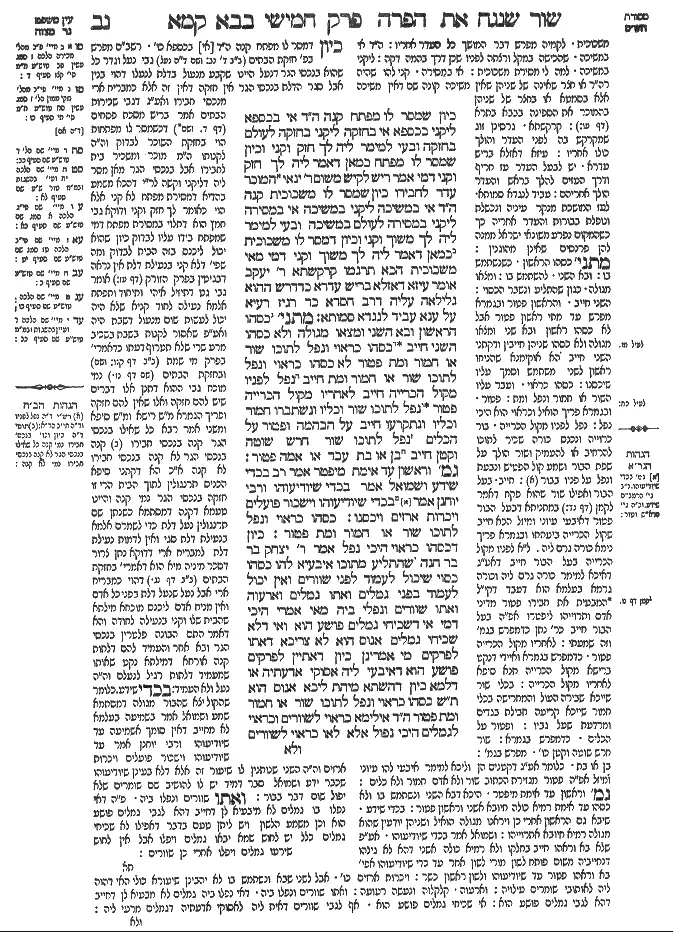
Bava Kamma 52a - Guemara
כיון שמסר לו מפתח קנה ה"ד אי בכספא ליקני בכספא אי בחזקה ליקני בחזקה לעולם בחזקה ובעי למימר ליה לך חזק וקני וכיון שמסר לו מפתח כמאן דאמר ליה לך חזק וקני דמי אמר ריש לקיש משום ר' ינאי המוכר עדר לחבירו כיון שמסר לו משכוכית קנה ה"ד אי במשיכה ליקני במשיכה אי במסירה ליקני במסירה לעולם במשיכה ובעי למימר ליה לך משוך וקני וכיון דמסר לו משכוכית כמאן דאמר ליה לך משוך וקני דמי מאי משכוכית הכא תרגמו קרקשתא ר' יעקב אומר עיזא דאזלא בריש עדרא כדדרש ההוא גלילאה עליה דרב חסדא כד רגיז רעיא על ענא עביד לנגדא סמותא:
מתני׳ כסהו הראשון ובא השני ומצאו מגולה ולא כסהו השני חייב כסהו כראוי ונפל לתוכו שור או חמור ומת פטור לא כסהו כראוי ונפל לתוכו שור או חמור ומת חייב נפל לפניו מקול הכרייה חייב לאחריו מקול הכרייה פטור נפל לתוכו שור וכליו ונשתברו חמור וכליו ונתקרעו חייב על הבהמה ופטור על הכלים נפל לתוכו שור חרש שוטה וקטן חייב בן או בת עבד או אמה פטור:
גמ׳ וראשון עד אימת מיפטר אמר רב בכדי שידע ושמואל אמר בכדי שיודיעוהו ורבי יוחנן אמר בכדי שיודיעוהו וישכור פועלים ויכרות ארזים ויכסנו:
כסהו כראוי ונפל לתוכו שור או חמור ומת פטור:
כיון דכסהו כראוי היכי נפל אמר ר' יצחק בר בר חנה שהתליע מתוכו איבעיא להו כסהו כסוי שיכול לעמוד לפני שוורים ואין יכול לעמוד בפני גמלים ואתו גמלים וארעוה ואתו שוורים ונפלי ביה מאי אמרי היכי דמי אי דשכיחי גמלים פושע הוא ואי דלא שכיחי גמלים אנוס הוא לא צריכא דאתו לפרקים מי אמרינן כיון דאתיין לפרקים פושע הוא דאיבעי ליה אסוקי אדעתיה או דלמא כיון דהשתא מיהת ליכא אנוס הוא ת"ש כסהו כראוי ונפל לתוכו שור או חמור ומת פטור ה"ד אילימא כראוי לשוורים וכראוי לגמלים היכי נפול אלא לאו כראוי לשוורים
Comments from Rashi on Masechet Bava Kamma Page 52a
משכוכית . לקמיה מפרש דבר המושך כל העדר אחריו: ה"ד אי במשיכה . שהכישה במקל ורצתה לפניו שכן דרך בהמה דקה: ליקני במשיכה . למה לי מסירת משכוכית: אי במסירה . קני להו שהיה רה"ר או חצר שאינה של שניהן שאין משיכה קונה שם דאין משיכה אלא בסמטא או בחצר של שניהן בהמוכר את הספינה בבבא בתרא (דף עו:): קרקשתא . גרסינן זוג שמקרקש בה לפני העדר והולך כולו אחריו: עיזא דאזלא בריש עדרא . יש לבעל העדר עז חריף ודרך העזים להלך בראש והעדר הולך אחריהם: עביד לנגדא סמותא . לעז המושכת מנקר עיניה ונכשלת ונופלת בבורות והעדר אחריה כך כשהמקום נפרע משונאי ישראל ממנה להן פרנסים שאינן מהוגנין: מתני' כסהו הראשון . כשנשתמש בו: ובא השני . להשתמש בו: ומצאו מגולה . כגון שהתליע ונשבר הכסוי: השני חייב . והראשון פטור ובגמרא מפרש עד מתי ראשון פטור אבל לא כסהו ראשון ובא שני ומצאו מגולה ולא כסהו שניהן חייבין ודקתני השני חייב הא אוקימנא שהניחו ראשון לשני משתמש וסמך עליו שיכסנו: כסהו כראוי . ועבר עליו השור או חמור ונפל ומת: פטור . ובגמרא פריך הואיל וכראוי הוא היכי נפל: נפל לפניו מקול הכרייה . בור כרוייה ונכנס כורה שכיר לתוכו להרחיב או להעמיק ושור הולך על שפת הבור ושמע קול הפטיש ונבעת ונפל על פניו בבור: חייב . בעל הבור ואפילו שור שהוא פקח דאמר לקמן (בבא קמא דף נד:) במתניתא דבעל הבור פטור דאיבעי עיוני ומיזל הכא חייב שקול הכרייה ביעתתו ובגמרא פריך נימא כורה גרם ליה. ל"א לפניו מקול הכרייה בעל הבור חייב דאע"ג דאיכא למימר כורה גרם ליה וכורה גרמא בעלמא הוא דעבד דקי"ל המבעית את חבירו פטור מדיני אדם ותרוייהו ליפטרו אפ"ה בעל הבור חייב כר' נתן כדמפרש בגמ' וזה שמעתי: לאחריו מקול הכרייה פטור . כדמפרש בגמרא ואיידי דנקט ברישא מקול הכרייה תנא סיפא לאחריו מקול הכרייה: בכלי שור . שייכא שבירה העול והמחרישה בכלי חמור שייכא קריעה חבילת בגדים ומרדעת שעל גביו: שור חרש שוטה וקטן כו' . מפרש בגמ': בן או בת . כלומר אע"ג דקטנים הן וליכא למימר איבעי להו עיוני ומיזל אפ"ה פטור מגזירת הכתוב שור ולא אדם חמור ולא כלים: גמ' וראשון עד אימת מיפטר . היכא דבא השני ונשתמש בו ולא כסהו עד אימת רמיא כולה חיובא אשני וראשון פטור: בכדי שידע . שיבא גם הראשון אחרי כן ויראנו מגולה הואיל ושניהן יודעין שהוא מגולה רמיא חיובא אתרוייהו: ושמואל אמר בכדי שיודיעוהו . אע"פ שלא בא וראהו חייב בחלקו ולא רמיא כולה אשני דהא לא גילהו דנחייביה משום פותח לשון מורי. לשון אחר עד כדי שיודיעוהו אפי' בא וראהו פטור עד שיודיעוהו. ולשון ראשון כשר: ויכרות ארזים כו' . אבל לשני שבא ונשתמש בו לא יהבינן שיעורא כולי האי דהוה ליה לאותובי שומרים עילויה: וארעוה . קלקלוה ונעשה רעועה: ואתו שוורים ונפלו ביה . דאי נפלו ביה גמלים לא מבעיא לן דחייב דהא לגבי גמלים פושע הוא: אי שכיחי גמלים פושע הוא . אף לגבי שוורים דאית ליה לאסוקי אדעתיה דגמלים מרעי ליה:
Comments from Tosafot - Bava Kamma 52a
כיון דמסר לו מפתח קנה ה"ד [אי] בכספא כו'. רשב"ם מפרש בפ' חזקת הבתים (ב"ב ד' נב: ושם ד"ה נעל) גבי נעל וגדר כל שהוא בנכסי הגר דנעל היינו שקבע מנעול בדלת לנעלו דהוי בנין אבל סגר הדלת בנכסי הגר אין חזקה דאין זה אלא כמבריח ארי מנכסי חבירו ואע"ג דגבי שכירות הבתים אמר בריש מסכת פסחים (דף ד. ושם) דכשמסר לו מפתחות הוי בחזקת השוכר לבדוק וה"ה לקנותו ה"מ מוכר ומשכיר בית לחבירו אבל בנכסי הגר מאן מסר ליה דליקני וקשה לר"י דהכא משמע בהדיא דמסירת מפתח לא קני אלא הוי כאומר לך חזק וקני ודוקא גבי חמץ הוא דתלוי במסירת מפתח דמי שמפתח בידו עליו לבדוק כיון שהוא יכול ליכנס בזה הבית לבדוק ומה שפי' דלא קני בנעילת דלת אין נראה דבגיטין בפרק הזורק (דף עז:) אומר גבי גט דתיזיל איהי ותיחוד ותפתח אלמא נעילה לחוד קניא שלא היה יכול לעשות שום מנעול דשבת היה ואע"פ שאסור לקנות בשבת בשכיב מרע שרי שלא תטרוף דעתו כדאמרי' בפרק מי שמת (ב"ב דף קנו: ושם) ובחזקת הבתים (שם דף נז.) נמי מוכח גבי ההוא דתנן אלו דברים שיש להם חזקה ואלו שאין להם חזקה ופריך הגמרא מ"ש רישא ומ"ש סיפא ומשני אמר רבא כל שאילו בנכסי הגר קנה בנכסי חבירו קנה בנכסי הגר לא קנה בנכסי חבירו לא קנה א"כ הא דקתני סיפא הכניס תרנגולין לתוך הבית הרי זו חזקה בנכסי הגר נמי קנה והיינו טעמא דקנה דמסתמא כשנתן שם תרנגולין נעל דלת כדי לשמרם אלמא בנעילת דלת סגי ואין לדמות נעילת דלת למבריח ארי דדוקא נתן צרור דסכר מיניה מיא הוא דאמרי' בחזקת הבתים (ב"ב דף נג.) דהוי כמבריח ארי אבל נעל שנעל דלת בפני כל אדם ואין מניח אדם ליכנס מוכחא מילתא שהבית שלו וקני בנעילה לחודה והא דאמר התם הבונה פלטרין בנכסי הגר ובא אחר והעמיד להם דלתות קנה אורחא דמילתא נקט שאותו שמעמיד דלתות רגיל לנעלם וה"ה נעל ולא העמיד: בכדי שידע . כלומר שהקול יצא שהבור מגולה דמסתמא שמע ושמואל אמר בשמיעה בעלמא לא מחייב דאין סומך אשמיעה עד שיודיעוהו ורבי יוחנן אמר עד שיודיעוהו וישכור פועלים ויכרות ארזים וה"ה השני שנותנין לו שיעור זה אלא דלא בעינן שיודיעוהו שכבר ידע ושמואל סבר דמיד יש לו להושיב שם שומרים שלא יפול שום דבר בבור: ואתו שוורים ונפלו ביה . פ"ה דאי נפלו בו גמלים לא מיבעיא לן דחייב דהא לגבי גמלים פושע הוא וכן משמע הלשון ויש ליתן טעם בדבר דאפילו לא שכיחי גמלים כלל יש לחוש שמא יבאו גמלים ויפלו אבל אין לחוש שירעו גמלים ויפלו אחרי כן שוורים:
Bava Kamma 52a - Mishnah translated into english
once he has conveyed the key to him, he has acquired it.
Here too, the Gemara asks: What are the circumstances involving this sale? If it was a transaction by payment of money, then let him acquire it by paying money. If it was by taking possession of it, let him acquire it by taking possession. What is the significance of transferring the key? The Gemara answers: Actually, the transaction occurred by taking possession, and in that case, the seller usually must say to him: Go, take possession, and thereby acquire it for yourself. And in this case, once he conveys the key to him, he is considered like one who says to him: Go, take possession, and thereby acquire it.
Similarly, Reish Lakish says in the name of Rabbi Yannai: With regard to one who sells a flock of sheep to another, once he conveys the mashkukhit to the buyer, he has acquired the flock.
The Gemara asks: What are the circumstances of this case? If the transaction occurred by pulling the flock into his possession, then let the buyer acquire it by pulling. If it was by conveying it, let the buyer acquire it by the seller conveying it. The Gemara answers: Actually, it was a transaction by pulling, and in that case, the seller usually must say to him: Go, pull it and acquire it for yourself. And in this case, once he conveys the mashkukhit to him, he is like one who says to him: Go, pull it and acquire it.
The Gemara asks: What is this mashkukhit? Here, in Babylonia, they translate it as a bell [karkashta] that the shepherd rings and whose sound the flock follows. Rabbi Ya’akov says: It is referring to the goat that goes at the front of the flock that they follow. The Gemara notes: This explanation of Rabbi Ya’akov is similar to that which a certain Galilean taught in the presence of Rav Ḥisda concerning this goat: When a shepherd is angry with his flock, he renders the goat leading [lenaggada] them, i.e., the mashkukhit, blind. Similarly, when God is angry with the Jewish people, he appoints unsuitable leaders for them.
MISHNA: The mishna lists several halakhot that pertain to damage classified as Pit: In the case of a pit that the first person who passed by covered after using it, and then the second came to use it and found it uncovered after the cover fell off or was damaged, and he did not cover it, the second one is liable for damage caused by the pit. If the owner covered the pit appropriately and an ox or a donkey fell into it and died, he is exempt. If he did not cover the pit appropriately and an ox or a donkey fell into it and died, he is liable.
If a man was digging or widening a pit, and an ox passing by fell forward into it in fright due to the sound of the digging, he is liable. If it fell backward into the pit due to the sound of the digging, he is exempt.
If an ox and its accoutrements, i.e., the vessels it was carrying, fell into the pit and the vessels were broken, or if a donkey and its accoutrements fell in and the accoutrements were torn, the owner of the pit is liable for damage to the animal caused by the pit, but he is exempt from liability for damage caused to the vessels, by Torah edict.
If an ox that was impaired by being deaf, or an ox that was an imbecile, or an ox that was very young fell into the pit, he is liable. If a boy or a girl, a Canaanite slave or a Canaanite maidservant fell in, he is exempt, since there is a Torah edict that the digger of a pit is liable only for damage caused to an animal.
GEMARA: With regard to the first case in the mishna, the Gemara asks: And until when is the first person exempt if the pit is later uncovered? Rav says: He is exempt from liability for the time necessary for him to become aware that it became uncovered. Once this time has passed, he bears responsibility. And Shmuel says: He is exempt for the time necessary for others to realize that the pit is uncovered and inform him. And Rabbi Yoḥanan says: He is exempt for the time necessary for others to inform him that the cover has fallen down and for him to hire workers and cut cedar trees to make a suitable cover and cover it. After this period of time has passed, the first bears responsibility.
§ The mishna teaches: If he covered the pit appropriately and an ox or a donkey fell inside and died, he is exempt. The Gemara asks: Since he covered the pit appropriately, how did it fall in? Rabbi Yitzḥak bar bar Ḥana says: This is a case where the cover rotted from the inside, and he could not have known that the cover was damaged. Therefore, he is not responsible for damage caused as a result.
A dilemma was raised before the Sages: If he covered it with a cover that is able to withstand the weight of oxen but cannot withstand the weight of camels, which are heavier, and camels came and weakened it, and subsequently oxen came and broke the weakened cover and fell into the pit, what is the halakha? The Sages said in response: What are the circumstances? If camels are commonly found there, he is negligent, since he should have constructed the cover suitably for camels as well. And if camels are not commonly found there, then he is a victim of circumstances beyond his control if by chance they did come and weaken the cover.
The Gemara answers: No, it is necessary in a case where camels come occasionally, in which case the question effectively becomes: Do we say that since they come occasionally, he is considered negligent, since he should have anticipated their coming? Or perhaps since now, in any event, there are no camels, he is a victim of circumstances beyond his control.
Come and hear a possible proof from the mishna: If he covered the pit appropriately, and an ox or a donkey fell into it and died, he is exempt. Now what are the circumstances? If we say that he covered it appropriately for oxen and appropriately for camels, then how did they fall in? Rather, is it not the case that he covered it with a covering that was appropriate for oxen
Traduction : The William Davidson digital edition of the Koren Noé Talmud, with commentary by Rabbi Adin Even-Israel Steinsaltz.
Bava Kamma 52a : Significance
Next step
Finished studying Bava Kamma 52a? Carry on with the rest of the tractate.
Study Bava Kamma 52bFrequently asked questions: Bava Kamma 52a
Where is Bava Kamma 52a in tractate Bava Kamma?
Bava Kamma 52a is page 101 of 236 in tractate Bava Kamma (Seder Nezikin).
When is daf 52 of Bava Kamma studied in Daf Yomi?
Daf Yomi covers one daf a day, both sides. Daf 52 of Bava Kamma will be studied on May 27, 2031.
Is there a video class on Bava Kamma 52a?
Yes, by Daf Tube, Rabbi Dr. Moshe Weisblum. These classes were published on YouTube by their authors and are gathered on this site.
What is tractate Bava Kamma about?
The Masechet Baba Kama is the first tractate of the Seder Nezikin. The Baba Kama gemara is the study of laws relating to the general aspects and specific orders of tort liability without criminal intent. As well as criminal damage, whether it be theft, violence or burglary The Baba Kama tractate is a gemara which contains 10 chapters.
Your study is also dedicated to them
- L'ilui Nishmat יוסף בן מושה
- L'ilui Nishmat Amram ben Itshak Loubaton
- L'ilui Nishmat אליעזר בן רחל