 Talmud Bavli
The learning on the whole site is dedicated : L'ilui Nishmat Jamila bat Chlomo Abensour
The learning on the whole site is dedicated : L'ilui Nishmat Chemouel Eliezer ben Batcheva
The learning on the whole site is dedicated : L'ilui Nishmat רינה בת לדיסיה
Bava Kamma 88b : Youtube
Daf TubeYoutube
2 video classes :
Bava Kamma Page 88b
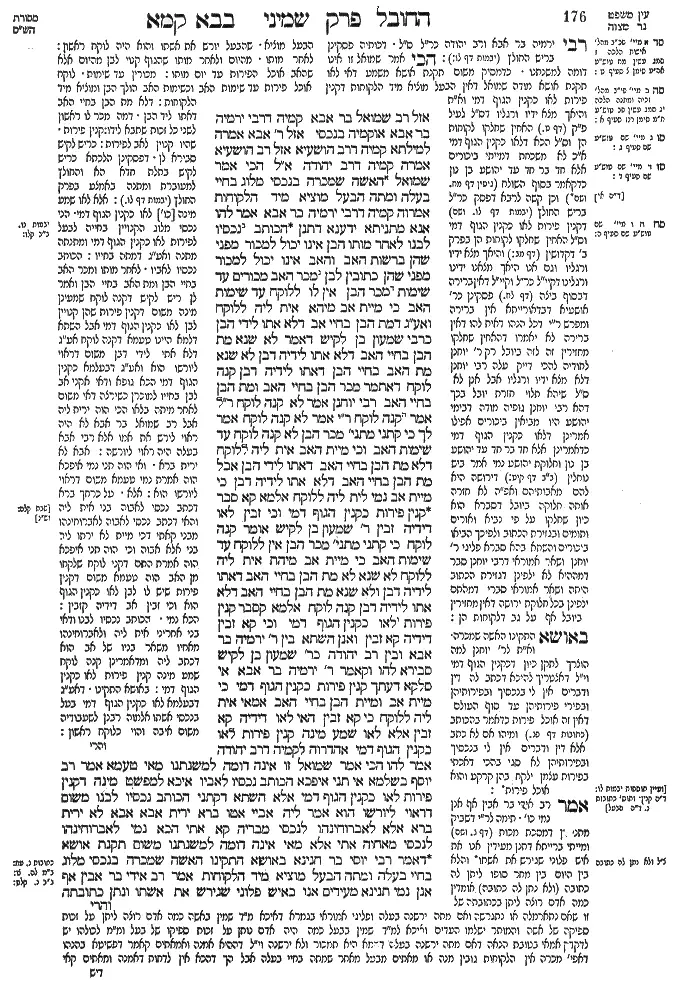
Bava Kamma 88b - Guemara
אזל רב שמואל בר אבא קמיה דרבי ירמיה בר אבא אוקמיה בנכסי אזל ר' אבא אמרה למילתא קמיה דרב הושעיא אזל רב הושעיא אמרה קמיה דרב יהודה א"ל הכי אמר שמואל האשה שמכרה בנכסי מלוג בחיי בעלה ומתה הבעל מוציא מיד הלקוחות אמרוה קמיה דרבי ירמיה בר אבא אמר להו אנא מתניתא ידענא דתנן הכותב נכסיו לבנו לאחר מותו הבן אינו יכול למכור מפני שהן ברשות האב והאב אינו יכול למכור מפני שהן כתובין לבן מכר האב מכורים עד שימות מכר הבן אין לו ללוקח עד שימות האב כי מיית אב מיהא אית ליה ללוקח ואע"ג דמת הבן בחיי אב דלא אתו לידי הבן כרבי שמעון בן לקיש דאמר לא שנא מת הבן בחיי האב דלא אתו לידיה דבן לא שנא מת האב בחיי הבן דאתו לידיה דבן קנה לוקח דאתמר מכר הבן בחיי האב ומת הבן בחיי האב רבי יוחנן אמר לא קנה לוקח ר"ל אמר קנה לוקח ר"י אמר לא קנה לוקח אמר לך כי קתני מתני' מכר הבן. לא קנה לוקח עד שימות האב וכי מיית האב אית ליה ללוקח דלא מת הבן בחיי האב דאתו לידי הבן אבל מת הבן בחיי האב דלא אתו לידיה דבן כי מיית אב נמי לית ליה ללוקח אלמא קא סבר קנין פירות כקנין הגוף דמי וכי זבין לאו דידיה זבין ר' שמעון בן לקיש אומר קנה לוקח כי קתני מתני' מכר הבן אין ללוקח עד שימות האב כי מיית אב מיהת אית ליה ללוקח לא שנא לא מת הבן בחיי האב דאתו לידיה דבן ולא שנא מת הבן בחיי האב דלא אתו לידיה דבן קנה לוקח אלמא קסבר קנין פירות לאו כקנין הגוף דמי וכי קא זבין דידיה קא זבין ואנן השתא בין ר' ירמיה בר אבא ובין רב יהודה כר' שמעון בן לקיש סבירא להו וקאמר ר' ירמיה בר אבא אי סלקא דעתך קנין פירות כקנין הגוף דמי כי מיית אב ומיית הבן בחיי האב אמאי אית ליה ללוקח כי קא זבין האי לאו דידיה קא זבין אלא לאו שמע מינה קנין פירות לאו כקנין הגוף דמי אהדרוה לקמיה דרב יהודה אמר להו הכי אמר שמואל זו אינה דומה למשנתנו מאי טעמא אמר רב יוסף בשלמא אי תני איפכא הכותב נכסיו לאביו איכא למפשט מינה דקנין פירות לאו כקנין הגוף דמי אלא השתא דקתני הכותב נכסיו לבנו משום דראוי ליורשו הוא אמר ליה אביי אטו ברא ירית אבא אבא לא ירית ברא אלא לאברוחינהו לנכסי מבריה קא אתי הכא נמי לאברוחינהו לנכסי מאחוה אתי אלא מאי אינה דומה למשנתנו משום תקנת אושא דאמר רבי יוסי בר חנינא באושא התקינו האשה שמכרה בנכסי מלוג בחיי בעלה ומתה הבעל מוציא מיד הלקוחות אמר רב אידי בר אבין אף אנן נמי תנינא מעידים אנו באיש פלוני שגירש את אשתו ונתן כתובתה
Comments from Rashi on Masechet Bava Kamma Page 88b
הבעל מוציא . שהבעל יורש את אשתו והוא היה לוקח ראשון: לאחר מותו . מהיום ולאחר מותו שהגוף קנוי לבן מהיום אלא שהאב אוכל הפירות עד יום מותו: מכורין עד שימות . לוקח אוכל פירות עד שימות האב וכשימות האב הולך הבן ומוציא מיד הלקוחות: דלא מת הבן בחיי האב דאתו ליד הבן . דמה מכר לו ראשון לשני כל זכות שתבא לידו: קנין פירות . שהיו קנוין לאב לפירות: כריש לקיש סבירא לן . דפסקינן הלכתא כריש לקיש בתלת חדא הא והחולץ למעוברת ומתנה באמצע בפרק החולץ (יבמות דף לו.): אלא לאו שמע מינה [כו'] לאו כקנין הגוף דמי . הני נכסי מלוג הקנויין בחייה לבעל לפירות לאו כקנין הגוף דמי ומתנתה מתנה ואע"ג דמתה בחייו: הכותב נכסיו לאביו . לאחר מותו ומכר האב בחיי הבן ומת האב בחיי הבן ואמר לן ריש לקיש דקנה לוקח שמעינן מינה משום דקנין פירות שהן קנויין לבן לאו כקנין הגוף דמי אבל השתא דלמא היינו טעמא דקנה לוקח אע"ג דלא אתי לידי דבן משום דראוי ליורשו הוא ואע"ג דבעלמא כקנין הגוף דמי הכא גופא ודאי אקני אב לבן בחייו למוכרן כשירצה דאי משום לאחר מיתה בלאו הכי הוה ירית ליה אבל רב שמואל בר אבא לא היה ראוי לירש את אמו אלא רבי אבא בעלה היה ראוי ליורשה: אלא לאו שמע מינה [כו'] לאו כקנין הגוף דמי . הני נכסי מלוג הקנויין בחייה לבעל לפירות לאו כקנין הגוף דמי ומתנתה מתנה ואע"ג דמתה בחייו: אבא לא ירית ברא . ואי הוה תני נמי איפכא הוה אמרת נמי טעמא משום דראוי ליורשו הוא: אלא . על כרחך ברא דכתב נכסי לאבוה בני אית ליה והאי דכתב נכסי לאבוה לאברוחינהו מבני קאתי דכי מיית לא ירתו ליה בני אלא אבוה וכי הוה תני איפכא הוה אמרת התם דקני לוקח שלקחו מן האב הוה טעמא משום דקנין פירות שיש לו לבן לאו כקנין הגוף הוא וכי זבין אב דידיה קזבין: הכא נמי . הכותב נכסיו לבנו ודאי בני אחריני אית ליה ולאברוחינהו מאחיו משאר בניו של אב הוא דכתב ליה ומדאמרינן קנה לוקח שמע מינה קנין פירות לאו כקנין הגוף דמי: באושא התקינו . דאע"ג דבעלמא לאו כקנין הגוף דמי בעל בנכסי אשתו אלמוה רבנן לשעבודיה משום איבה והוי כלוקח ראשון:
Comments from Tosafot - Bava Kamma 88b
רבי ירמיה בר אבא ורב יהודה כר"ל ס"ל . דכותיה פסקינן בריש החולץ (יבמות דף לו:): הכי אמר שמואל זו אינו דומה למשנתנו . כדמסיק משום תקנת אושא משמע דאי לאו תקנת אושא מודה שמואל דאין הבעל מוציא מיד הלקוחות דקנין פירות לאו כקנין הגוף דמי וא"ת והיאך מצא ידיו ורגליו דס"ל לעיל פ"ק (בבא קמא דף ט.) האחין שחלקו לקוחות הן וס"ל הכא דלאו כקנין הגוף דמי א"כ לא משכחת דמייתי ביכורים אלא חד בר חד עד יהושע בן נון כדקאמר בסוף השולח (גיטין דף מח. ושם) וכן קשה לרבא דפסק כר"ל בריש החולץ (יבמות דף לו. ושם) דקנין פירות לאו כקנין הגוף דמי וס"ל האחין שחלקו לקוחות הן בפרק ב' דקדושין (דף מב:) והיאך מצא ידיו ורגליו וגם אנו היאך מצאנו ידינו ורגלינו דקיי"ל כר"ל וקיי"ל דאין ברירה דבסוף ביצה (דף לח.) פסקינן כר' אושעיא דבדאורייתא אין ברירה ומפרש ר"י דכל הנהו דאית להו דאין ברירה לא יאמרו דהאחין שחלקו מחזירין זה לזה ביובל רק ר' יוחנן לחודיה להכי דייק עלה רבי יוחנן דלא מצא ידיו ורגליו אבל אנן לא ס"ל שיהא תלוי חזרת יובל בכך דהא רבי יוחנן גופיה מודה דבימי יהושע היו מביאין ביכורים אפילו אמרינן דלאו כקנין הגוף דמי כדאמרינן אלא חד בר חד עד יהושע בן נון וחלוקת יהושע נמי אמר ביש נוחלין (ב"ב דף קיט:) דירושה היא להם מאבותיהם ואפ"ה לא חזרה אותה חלוקה ביובל דסברא הוא כיון שחלקו על פי נביא ואורים ותומים ובגזירת הכתוב ולפיכך הביאו ביכורים והשתא בהא סברא פליגי ר' יוחנן ושאר אמוראי דרבי יוחנן סבר דמההיא לא ילפינן דגזירת הכתוב היתה ושאר אמוראי סברי דמהתם ילפינן בכל חלוקת ירושה דאין מחזירין ביובל אף על גב דלקוחות הן: באושא התקינו האשה שמכרה . וא"ת לר' יוחנן למה הוצרך לתקן כיון דכקנין הגוף דמי וי"ל דאצטריך להיכא דכתב לה דין ודברים אין לי בנכסיך ובפירותיהן ובפירי פירותיהן עד סוף העולם דאין זה אוכל פירות כדאמר בהכותב (כתובות דף פג.) ומיהו אם לא כתב אלא דין ודברים אין לי בנכסיך ובפירותיהן לא סגי בהכי דאכתי בפירות עצמן ילקח בהן קרקע והוא אוכל פירות: אמר רב אידי בר אבין אף אנן נמי כו' . תימה לר"י דשביק מתניתין דמסכת מכות (דף ג. ושם) ומייתי ברייתא דתנן מעידין אנו את איש פלוני שגירש את אשתו והלא בין היום בין מחר סופו ליתן לה כתובה (ולא נתן לה כתובה) אומדין כמה אדם רוצה ליתן בכתובתה של זו שאם נתארמלה או נתגרשה ואם מתה ירשנה בעלה ופליגי אמוראי בגמרא דאיכא מ"ד שמין באשה כמה אדם רוצה ליתן על זכות ספיקה של אשה והמותר ישלמו העדים ואיכא למ"ד שמין בבעל כמה היה אדם נותן על זכות ספיקו של בעל ומ"מ לכולהו יש לדקדק אמאי בטובת הנאה דאם מתה ירשנה בעלה דשמא היא תמכור ולא ירשנה וי"ל דההיא אמנה ואמאתים קאמר דפשיטא בהנהו דאפי' מכרה אין הלקוחות גובין מנה או מאתים מבעל מאחר שמתה בחיי בעלה אבל הך דהכא אין לדחות דאמנה ומאתים קאי דיש לו לתנא לשנות ריבוי תשלומין גבי עדים זוממין כמו שיכול להרבות אצלם ואת"ל דנכסי צאן ברזל יכולה למכור אם כן יותר היו מפסידים הזוממין לאשה כשהיו אומרין שגירשה ונתן לה כתובתה על נכסי צאן ברזל שהיתה יכולה למכור לגמרי מעל מנה ומאתים שאין יכולה למכור לגמרי אבל בההיא [דמכות] (דמכורה) שבאין להעיד ולהפסיד. לבעל שאומרין שגירשה ולא נתן כתובה יותר היו מפסידין לו על מנה ומאתים שהיו מחייבין אותו ליתן ושמא היה נפטר מליתן אם תמות האשה בחייו מעל נכסי צאן ברזל דשמא תמכור האשה ולא יפטר במיתתה ולכך נקט הזמתן על דבר שיש בו ריבוי תשלומין אצלם:
Bava Kamma 88b - Mishnah translated into english
Rav Shmuel bar Abba went before Rabbi Yirmeya bar Abba to claim his mother’s property. Rabbi Yirmeya established him as the owner of the property, in accordance with what was written in the document. Rabbi Abba, the mother’s husband, went and said a report of the matter before Rav Hoshaya. Rav Hoshaya went and said a report of the matter before Rav Yehuda. Rav Yehuda said to Rav Hoshaya: This is what Shmuel says: In a case of a woman who sold her usufruct property, which belongs to her but whose profits her husband garners, in her husband’s lifetime, and then she died, the husband repossesses the property from the purchasers. The granting of her property by means of the document is analogous to a sale, and Rabbi Abba can repossess the property from Rav Shmuel bar Abba.
The Sages said that halakha before Rabbi Yirmeya bar Abba, who had ruled that the property belongs to Rav Shmuel bar Abba. He said to them: I know the mishna that supports my opinion, as we learned in a mishna (Bava Batra 136a): In the case of one who writes a document transferring ownership of his property to his son, stating that the transfer should take effect immediately but the son will have use of it only after the father’s death, the son cannot sell the property due to the fact that it is still in the father’s possession. And the father, even though he retained the right to use the property, cannot sell the property due to the fact that it is written as belonging to the son. If the father sold the property, then it is sold to the extent that the purchaser may use it until the father dies. If the son sold the property during his father’s lifetime, the purchaser does not have the right to use the property until the father dies.
Rabbi Yirmeya bar Abba infers: In any event, if the son sold the property during his father’s lifetime, when the father dies the purchaser has rights to the property. And this would be so even though it is a case where the son died in the father’s lifetime, where the property never came into the son’s possession.
Rabbi Yirmeya bar Abba’s analysis is in accordance with the opinion of Rabbi Shimon ben Lakish, who says: There is no difference if the son died in the father’s lifetime, where the property never came into the son’s possession, and there is no difference if the father died in the son’s lifetime, where the property came into the son’s possession. In any event, the purchaser acquired the property.
The Gemara records a dispute between the amora’im with regard to this point. As was stated: In a case where the son sold the property in the father’s lifetime, and the son died in the father’s lifetime, Rabbi Yoḥanan says: The purchaser did not acquire the property. Reish Lakish says: The purchaser acquired the property.
The Gemara explains the opinion of Rabbi Yoḥanan. Rabbi Yoḥanan says: The purchaser did not acquire the property, because he could have said to you: When the mishna teaches that if the son sold the property during his father’s lifetime the purchaser does not acquire any rights to use the property until the father dies, and one could infer that when the father dies the purchaser has rights to the property, the mishna is discussing a case where the son did not die during the father’s lifetime, so that the property came into the son’s possession upon the father’s death, before the purchaser acquired it. But if the son died in the father’s lifetime, so that the property did not come into the son’s possession, then even when the father dies the purchaser does not have rights to the property.
The Gemara comments: Apparently, Rabbi Yoḥanan holds that ownership of the rights to use an item and to its produce is considered to be like ownership of the item itself. Even though the property itself did not belong to the father, it is as though the father owned the property, because all of the produce belonged to him in practice. Therefore, when the son sold the property, he sold property that did not belong to him.
The Gemara explains the opinion of Rabbi Shimon ben Lakish: Rabbi Shimon ben Lakish says that the purchaser acquired the property based on this claim: When the mishna teaches that if the son sold the property during his father’s lifetime the purchaser does not have any right to use the property until the father dies, and one could infer that in any event, when the father dies the purchaser has rights to the property, the mishna means that there is no difference if the son did not die in the father’s lifetime, where the property came into the son’s possession, and there is no difference if the son died in the father’s lifetime, where the property did not come into the son’s possession. In either case, the purchaser acquired the property.
The Gemara comments: Apparently, Rabbi Shimon ben Lakish holds that ownership of the rights to use an item and to its produce is not considered to be like ownership of the item itself. And therefore when the son sold the property, he sold property that belonged to him.
The Gemara returns to the discussion of the opinion of Rabbi Yirmeya bar Abba. And now for us, whether if one discusses the opinion of Rabbi Yirmeya bar Abba and whether one discusses the opinion of Rav Yehuda, they both hold in accordance with the opinion of Rabbi Shimon ben Lakish, that ownership of the rights to use an item and to its produce is not considered to be like ownership of the item itself. And Rabbi Yirmeya bar Abba says: If it enters your mind that ownership of the rights to use an item and to its produce is considered to be like ownership of the item itself, then when the father dies and the son had died in the father’s lifetime, why does the purchaser have rights to the property? When the son sold it, didn’t he sell property that did not belong to him?
Rather, isn’t it correct to conclude from the mishna that ownership of the rights to use an item and to its produce is not considered to be like ownership of the item itself? Therefore, Rav Shmuel bar Abba should receive the property transferred to him by his mother, as the fact that the husband owned the rights to its produce does not limit her ability to transfer her property to her son.
The Sages brought back Rabbi Yirmeya bar Abba’s reply before Rav Yehuda. Rav Yehuda said to them: This is what Shmuel said: This halakha, that a husband can repossess the property that his wife sold before she died, is not similar to the halakha of our mishna concerning a father who transfers his property to his son while retaining the right to garner the profits.
The Gemara asks: What is the reasoning for distinguishing between the two cases? Rav Yosef said: Granted, if the mishna had taught the opposite and stated that in the case of one who writes a document transferring ownership of his property to his father after his death, with the son retaining the right to garner the profits until then, and the father sold the property during his son’s lifetime, the purchaser has rights to the property after the son dies, then it is possible to resolve from the mishna that ownership of the rights to use an item and to its produce is not considered to be like ownership of the item itself.
Rav Yosef continues: But now that the mishna teaches specifically: One who writes a document transferring ownership of his property to his son, the ability of the son to sell the property is due to the fact that the son is fit to inherit from him and already has a right to the property, and not just due to the existence of the document. In the case of Rav Shmuel bar Abba as well, the woman’s property is inherited by her husband, not her son, so she cannot transfer it to Rav Shmuel bar Abba.
Abaye said to Rav Yosef: Is this to say that a son inherits from a father, but a father does not inherit from a son? There is no difference between their rights to inherit from one another. Rather, even if the mishna taught a halakha concerning a son transferring his property to his father, the son’s reason for doing so could have been that he comes to hide his property from his own son and wants his father to inherit from him instead. Here too, when a father transfers his property to his son, he comes to hide his property from the son’s brothers, as the father has other sons but does not want them to inherit from him. Therefore, the mishna’s choice of case cannot serve as a basis for inference.
Abaye continues: Rather, what was Shmuel’s reason for saying that the right of a husband to the property that his wife sold before she died is not similar to our mishna that states that a father does not have rights to property sold by his son? The difference is due to the rabbinic ordinance of Usha, an ordinance instituted with regard to a husband’s rights to his wife’s property. As Rabbi Yosei bar Ḥanina says: In the town of Usha the Sages instituted that in the case of a woman who sold her usufruct property in her husband’s lifetime and then died, the husband repossesses it from the purchasers. This ordinance was instituted only for the benefit of a husband, but not for the benefit of a father or son.
Rav Idi bar Avin said: We too learn of the ordinance of Usha in the baraita: If witnesses said: We testify about so-and-so that he divorced his wife and gave her the full value of the obligations recorded in her marriage contract,
Traduction : The William Davidson digital edition of the Koren Noé Talmud, with commentary by Rabbi Adin Even-Israel Steinsaltz.