 Talmud Bavli
The learning on the whole site is dedicated : L'ilui Nishmat Amram ben Itshak Loubaton
The learning on the whole site is dedicated : L'ilui Nishmat Reuven ben Rivka SEBBAG
The learning on the whole site is dedicated : L'ilui Nishmat אסתר בת חיים
Yevamot 98b : Youtube
Daf TubeYoutube
1 video class :
Yevamot Page 98b
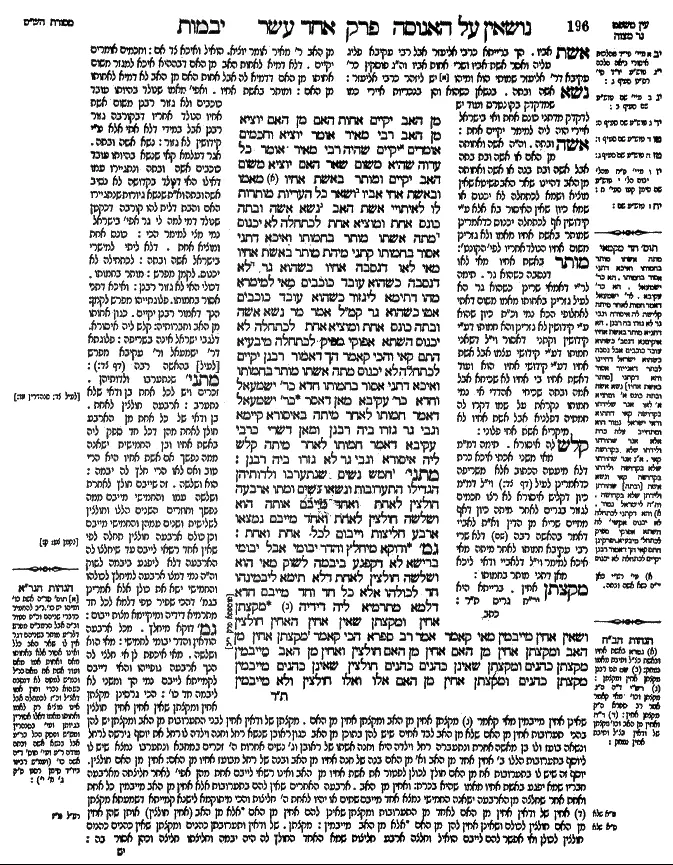
Yevamot 98b - Guemara
מן האב יקיים אחות האם מן האם יוציא מן האב רבי מאיר אומר יוציא וחכמים אומרים יקיים שהיה רבי מאיר אומר כל ערוה שהיא משום שאר האם יוציא משום האב יקיים ומותר באשת אחיו מאמו ובאשת אחי אביו ושאר כל העריות מותרות לו לאיתויי אשת האב נשא אשה ובתה כונס אחת ומוציא אחת לכתחלה לא יכנוס מתה אשתו מותר בחמותו ואיכא דתני אסור בחמותו קתני מיהת מותר באשת אחיו מאי לאו דנסבה אחיו כשהוא גר לא דנסבה כשהוא עובד כוכבים מאי למימרא מהו דתימא ליגזור כשהוא עובד כוכבים אטו כשהוא גר קמ"ל אמר מר נשא אשה ובתה כונס אחת ומוציא אחת לכתחלה לא יכנוס השתא אפוקי מפיק לכתחלה מיבעיא התם קאי והכי קאמר הך דאמור רבנן יקיים לכתחלה לא יכנוס מתה אשתו מותר בחמותו ואיכא דתני אסור בחמותו חדא כר' ישמעאל וחדא כר' עקיבא מאן דאסר כר' ישמעאל דאמר חמותו לאחר מיתה באיסורא קיימא וגבי גר גזרו ביה רבנן ומאן דשרי כרבי עקיבא דאמר חמותו לאחר מיתה קלש ליה איסורא וגבי גר לא גזרו ביה רבנן:
מתני׳ חמש נשים שנתערבו ולדותיהן הגדילו התערובות ונשאו נשים ומתו ארבעה חולצין לאחת ואחד מייבם אותה הוא ושלשה חולצין לאחת ואחד מייבם נמצאו ארבע חליצות וייבום לכל אחת ואחת:
גמ׳ ודוקא מיחלץ והדר יבומי אבל יבומי ברישא לא דקפגע ביבמה לשוק מאי הוא ושלשה חולצין לאחת דלא תימא ליבמינהו חד לכולהו אלא כל חד וחד מייבם חדא דלמא מתרמיא ליה דידיה מקצתן אחין ומקצתן שאין אחין האחין חולצין ושאין אחין מייבמין מאי קאמר אמר רב ספרא הכי קאמר מקצתן אחין מן האב ומקצתן אחין מן האם אחין מן האם חולצין ואחין מן האב מייבמין מקצתן כהנים ומקצתן שאינן כהנים כהנים חולצין שאינן כהנים מייבמין מקצתן כהנים ומקצתן אחין מן האם אלו ואלו חולצין ולא מייבמין
Comments from Rashi on Masechet Yevamot Page 98b
מן האב ר' מאיר אומר יוציא . הואיל ואיכא צד אם: וחכמים אומרים יקיים . דלא דמיא לאחות האב מן האם דבההיא איכא למגזר משום אחותו מן האם דדמיא לה אבל אחות האם מן האב לא דמיא לאחותו מן האם: ומותר באשת אחיו . ואפי' מאמו שנולד בהיותו עובד כוכבים ולא גזור רבנן משום אשת אחיו הנולד אחריו דבקורבה גזור רבנן אבל במידי דלא אתי אלא ע"י קידושין לא גזור: נשא אשה ובתה . אגר דעלמא קאי שנשא בהיותו עובד כוכבים אשה ובתה ונתגיירו עמו דאילו האי דנולד בקדושה לא נסיב אשה ובתה. וא"ת שנשא גיורות שנתגיירו האם והבת דלית להו קורבה דכקטן שנולד דמי למה לי גר אפי' בישראל נמי מצי למימר הכי: כונס אחת ומוציא אחת . דלא ליתי למישרי בישראל אשה ובתה: לכתחילה לא יכנוס . לקמן מפרש: מותר בחמותו . דכולי האי לא גזור רבנן: ואיכא דתני אסור בחמותו . פלוגתייהו מפרש לקמן: הנך דאמור רבנן יקיים . כגון אחותו מן האב וחברותיה: קלש ליה איסורא . דלגבי ישראל אינה בשריפה:
פלוגתא דר' ישמעאל ור' עקיבא מפרש [לעיל] בהאשה רבה (דף צד:): מתני' שנתערבו ולדותיהן . זכרים ויש לכל אחת בן ודאי שלא נתערב: ארבעה חולצין לאחת . בן ודאי של כל אחת מן הארבע חולץ לאחת מהן דכל חד ספק ליה באשת אחיו ובן החמישית ישאנה ממה נפשך אם אשת אחיו היא הרי טוב ואם לאו הרי חלץ לה יבמה: הוא ושלשה . זה שייבם חולץ לאחרת ושלשה עמו והחמישי מייבם ממה נפשך וחוזרים השנים הללו וחולצין לשלישית ושנים עמהן והחמישי מייבם וכן כולם ארבעה חולצין תחלה לפי שאין אחד רשאי לייבם עד שיחלצו לה הארבעה דלא ליפגע ביבמה לשוק. וה"ה נמי דמצו ארבעה למיחלץ לכולהו והחמישי ישא את כולן אלא אמרינן בגמ' דהכי שפיר טפי דלמא לכל חד מתרמיא דידיה ומיקיימא מצות ייבום: גמ' דוקא מיחלץ . מכל ארבעה הודאין והדר יבומי לחמישי: מאי הוא ושלשה . מאי איכפת לן אי חלצי לה הנך ארבעה גופייהו והאי דייבם לקמייתא לייבם נמי הך. ומשני לא ליבמה חד כו': הכי גרסינן מקצתן אחין ומקצתן שאין אחין אחין חולצין שאינן אחין מייבמין מאי קאמר מקצתן אחין מן האב ומקצתן אחין מן האם . מקצתן של ודאין אחין לבני התערובות מן האב ומקצתן יש להן בהני תערובות אחין מן האם שלא מן האב לבד אחים שיש להן בתוכן מן האב כגון ראובן שנשא רחל וחנה וילדה לו רחל את יוסף גירשה לרחל ונשאה בועז ולו בן מאשה אחרת ונתעברה רחל וילדה היא וחנה אשתו של ראובן וג' נשים אחרות ה' זכרים במחבא ונתערבו נמצא שיש לו ליוסף בתערובות הללו ב' אחין אחד מן האב וא' מן האם בנה של חנה אחיו מן האב ובנה של רחל מבועז אחיו מן האם: אחין מן האם חולצין . יוסף זה שיש לו בתערובות אח מן האם חולץ לכולן לפטור את אשת אחיו מן האב ואינו רשאי לייבם אחת מהן אפי' לאחר חליצתה מארבעה חבריו שמא יפגע באשת אחיו מאמו שהיא בכרת: ואחין מן האב . ארבעה האחרים שאין להם בתערובות אלא אחין מן האב מייבמין כל אחת ואחת אחר שחלצה מן הארבעה ישאנה החמישי נמצא אחד מייבם שתים או יהיו לאחת ה' חליצות. והכי מיתוקמא לישנא קמייתא דשמעתא מקצתן אחין של ודאין אחין מן האם לאחד מן התערובות ומקצתן שאינן להם אחין מן האם אלא מן האב (אחין חולצין) אותן שהן אחין מן האם חולצין לכולם ושאינן אחין להן מן האם אלא מן האב מייבמין: מקצתן . של ודאין ותערובתן כהנים ומקצתן שאין כהנים כהנים חולצין לכולן ואי אפשר להם לייבם הואיל וחלצה ארבע חליצות שמא האחד החולץ לה היה יבמה וחליצתו חליצה וכהן אסור בה:
Comments from Tosafot - Yevamot 98b
אשת אביו . הך ברייתא כרבי אליעזר אבל רבי עקיבא פליג עליה ואסר אשת אביו ושרי אחות אביו וה"ג פוסקין כר' עקיבא דר' אליעזר שמותי הוא ומיהו יש ליזהר כרבי אליעזר: נשא אשה ובתה . בנשאן כשהוא והן בנכריות איירי כמו שמדקדק בקונטרס ועוד יש לדקדק מדתני כונס אחת ואי בישראל איירי הוה ליה למימר יקיים אחת: אשה ובתה . וה"ה אשה ואחותה מן האם או אשה ובת בתה אבל אשה ובת בנה או אשה ואחותה מן האב דהיינו שאר האב פשיטא שאין מוציא ושמא לכתחלה לא יכנוס או שמא כיון שאין האיסור בא אלא ע"י קידושין אף לכתחלה יכנוס כדאמרינן שמותר באשת אחיו מאמו ולא גזרינן משום אחיו הנולד אחריו לפי' הקונט': מותר באשת אחיו מאי לאו דנסבה כשהוא גר . תימה לר"י דאמאי שרינן כשהוא גר הא לעיל גזרינן באחותו מאמו משום דאתי לאחלופי הכא נמי וכ"ת כיון שהוא ע"י קידושין לא גזרינן והא חמותו דע"י קידושין וקתני דאסור וי"ל דשאני חמותו דע"י קידושי עצמו אבל אשת אחיו דע"י קידושי אחיו הוא ועוד דאשת אחיו בי אחיו לא שכיחא אבל אמה ובתה שכיחי אהדדי אי נמי חמותו נקראת על שמו דקרו לה חמתיה דפלניא אבל אשת אחיו לא מיקריא אשת אחי פלוני: קלש לה איסורא . תימה דמ"מ מאי משני אכתי איכא כרת דלא מיעטה הכתוב אלא משריפה כדאמרינן לעיל (יבמות דף צד:) וי"ל דמ"מ כיון דקליש איסורא לא רצו חכמים לגזור בגרים לאחר מיתה כיון דאף מחיים שריא מן הדין וא"ת לאביי דאמר בהאשה רבה (שם) דלא שרי רבי עקיבא חמותו לאחר מיתה מאי איכא למימר וי"ל דלאביי ודאי ליכא מאן דתני מותר בחמותו: מקצתן אחין . ברייתא היא ור"ח גריס ת"ר:
Yevamot 98b - Mishnah translated into english
If she is his father’s paternal half sister, he may maintain her as his wife. If she is his mother’s maternal half sister, he must divorce her. If she is his mother’s paternal half sister, Rabbi Meir says he must divorce her, and the Rabbis say he may maintain her. This is as Rabbi Meir would say: Any relative forbidden due to kinship with the mother, whether the woman is his paternal relative, e.g., his father’s maternal half sister, or his maternal relative, he must divorce her. However, if she is forbidden due to the father, he may maintain her.
And he is permitted to marry his maternal brother’s wife and his father’s brother’s wife, and all other forbidden relatives are also permitted to him. The expression: And all other relatives are also permitted to him, is added to include the father’s wife.
With regard to one who married a woman and her daughter and they converted, he may remarry one but must divorce the other one. He should not marry her ab initio. If his wife, the daughter, died, he is permitted to maintain his mother-in-law as his wife. And some teach that he is prohibited from maintaining his mother-in-law.
In any event, this baraita teaches that he is permitted to marry his brother’s wife. The Gemara asks: What, is it not referring to a case where his brother married her when he was already a convert? The Gemara answers: No, it is referring to a case where he married her while he was a gentile. The Gemara asks: If so, what is the purpose of stating this obvious halakha? The Gemara answers: Lest you say that the Sages should decree that the marriage is prohibited if the brother married her while he was a gentile, due to the prohibition against their marriage if the brother married her when he was already a convert. The baraita therefore teaches us that there is no such decree.
The Master said: If one married a woman and her daughter and they converted, he may remarry one but must divorce the other one. He should not marry her ab initio. The Gemara asks: Now that he must divorce her, is it necessary to state that he should not marry her ab initio? The Gemara answers: That statement is standing there, i.e., it is referring to the previous sentence, and this is what it is saying: Those wives that the Sages said that he may maintain, e.g., his paternal half sister, he should not marry them ab initio.
The baraita taught: If his wife, the daughter, died, he is permitted to maintain his mother-in-law as his wife. And some teach that he is prohibited to maintain his mother-in-law. The Gemara comments: One of the teachings is in accordance with the opinion of Rabbi Yishmael, and the other one is in accordance with the opinion of Rabbi Akiva.
The one who prohibits the convert from maintaining his mother-in-law is in accordance with the opinion of Rabbi Yishmael, who said that one’s mother-in-law after his wife’s death remains forbidden to him to the same degree as during her lifetime. And therefore, with regard to a convert, the Sages decreed that she is forbidden to him, lest one marry his mother-in-law who is a Jew from birth after his wife’s death. And the one who permits him to maintain her is in accordance with the opinion of Rabbi Akiva, who said that the prohibition against engaging in intercourse with one’s mother-in-law is weakened after his wife’s death, as they are not liable to receive the death penalty. And therefore, with regard to a convert, the Sages did not decree that she is forbidden to him.
MISHNA: With regard to five women whose offspring were mixed, i.e., their lineage became indeterminate, and they had other sons as well who were not mixed, and the mixed sons matured and married women and subsequently died, then four sons who were not mixed, each one from a different mother, must perform ḥalitza with one of the widows, as she might be the sister-in-law of any of them. And one son of the mother whose sons did not perform ḥalitza may perform levirate marriage with her instead of ḥalitza; even if she is not his sister-in-law, once she has received ḥalitza from the others she may marry any man.
Subsequently, he and three of the four other sons must perform ḥalitza with one of the remaining widows, and the other one may perform levirate marriage. When this process has been completed for all the widows, four ḥalitzot and a levirate marriage are found altogether for each and every widow.
GEMARA: The Gemara infers from the mishna that ḥalitza specifically is performed first, and afterward levirate marriage. However, levirate marriage may not be performed first, as that would breach the prohibition against a yevama engaging in intercourse with a member of the public, if she is not his sister-in-law.
The Gemara asks: What is the reason for the mishna’s ruling that the son who performed levirate marriage and three of the four others must perform ḥalitza with one of the remaining widows, and the remaining son may perform levirate marriage? Why can’t the same son who performed levirate marriage with the first widow be the one to perform levirate marriage with the other widows, too, after the other four sons perform ḥalitza? The Gemara answers: Do not say that one of the brothers may perform levirate marriage with all of them. Rather, each one of them should perform levirate marriage with one, as perhaps one will happen upon his own sister-in-law, whereas if one performs levirate marriage with all of them, the others will not have a chance to perform the mitzva.
§ A continuation of a case in the mishna is stated in a baraita: If some of them are brothers, and some of them are not brothers, the brothers perform ḥalitza and those who are not brothers perform levirate marriage. The Gemara asks: What is the baraita saying? Rav Safra said that this is what it is saying: If some of the sons who were not mixed are only paternal brothers of the mixed sons, and some of them, in addition to being paternal half brothers, are also maternal half brothers of other members of the mixed group, then the maternal half brothers must perform ḥalitza with all of the women, since each of them might be his maternal sister-in-law, who is forbidden to him, as levirate marriage applies only to a paternal sister-in-law. And those who are only paternal brothers perform levirate marriage.
The baraita continues: If some of them are priests and some of them are not priests, the priests perform ḥalitza, and those who are not priests perform levirate marriage, as it is prohibited for a priest to marry a woman who underwent ḥalitza. If some of them are priests and some of them are maternal half brothers, both these and those perform ḥalitza and not levirate marriage.
Traduction : The William Davidson digital edition of the Koren Noé Talmud, with commentary by Rabbi Adin Even-Israel Steinsaltz.