 Talmud Bavli
The learning on the whole site is dedicated : L'ilui Nishmat Avraham Ben Simha
The learning on the whole site is dedicated : L'ilui Nishmat Rav Chlomo Ben Jamilla
The learning on the whole site is dedicated : L'ilui Nishmat Yechayahou ben Moche
Kiddushin 73b : Youtube
Daf TubeYoutube
2 video classes :
Kiddushin Page 73b
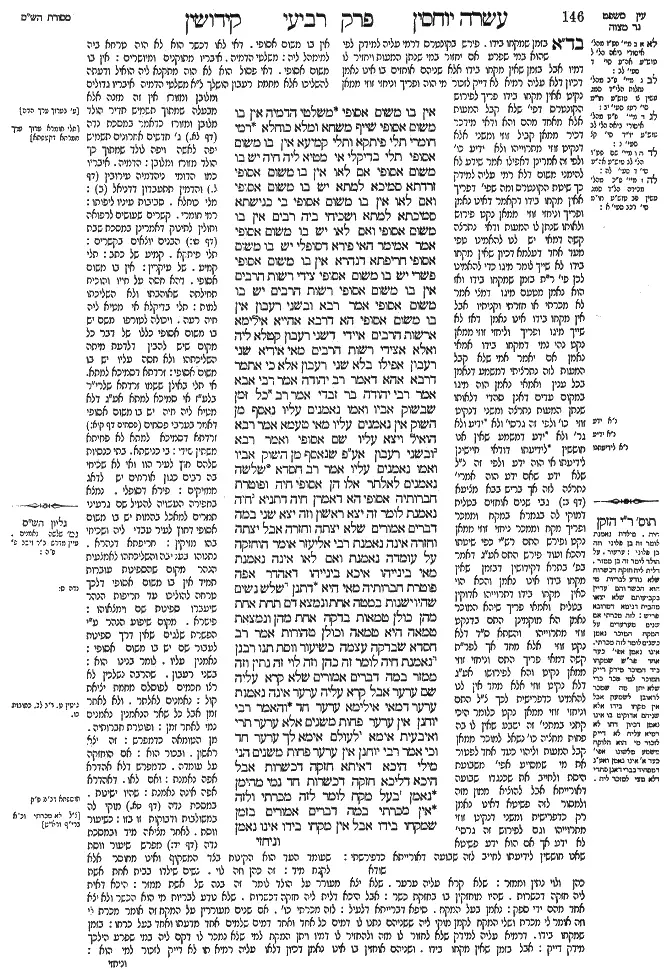
Kiddushin 73b - Guemara
אין בו משום אסופי משלטי הדמיה אין בו משום אסופי שייף משחא ומלא כוחלא רמי חומרי תלי פיתקא ותלי קמיעא אין בו משום אסופי תלי בדיקלי אי מטיא ליה חיה יש בו משום אסופי אם לאו אין בו משום אסופי זרדתא סמיכא למתא יש בו משום אסופי ואם לאו אין בו משום אסופי בי כנישתא סמיכתא למתא ושכיחי ביה רבים אין בו משום אסופי ואם לאו יש בו משום אסופי אמר אמימר האי פירא דסופלי יש בו משום אסופי חריפתא דנהרא אין בו משום אסופי פשרי יש בו משום אסופי צידי רשות הרבים אין בו משום אסופי רשות הרבים יש בו משום אסופי אמר רבא ובשני רעבון אין בו משום אסופי הא דרבא אהייא אילימא ארשות הרבים איידי דשני רעבון קטלא ליה ואלא אצידי רשות הרבים מאי איריא שני רעבון אפילו בלא שני רעבון אלא כי אתמר דרבא אהא דאמר רב יהודה אמר רבי אבא אמר רבי יהודה בר זבדי אמר רב כל זמן שבשוק אביו ואמו נאמנים עליו נאסף מן השוק אין נאמנים עליו מאי טעמא אמר רבא הואיל ויצא עליו שם אסופי ואמר רבא ובשני רעבון אע"פ שנאסף מן השוק אביו ואמו נאמנים עליו אמר רב חסדא שלשה נאמנים לאלתר אלו הן אסופי חיה ופוטרת חברותיה אסופי הא דאמרן חיה דתניא חיה נאמנת לומר זה יצא ראשון וזה יצא שני במה דברים אמורים שלא יצתה וחזרה אבל יצתה וחזרה אינה נאמנת רבי אליעזר אומר הוחזקה על עומדה נאמנת ואם לאו אינה נאמנת מאי בינייהו איכא בינייהו דאהדר אפה פוטרת חברותיה מאי היא דתנן שלש נשים שהיו ישנות במטה אחת ונמצא דם תחת אחת מהן כולן טמאות בדקה אחת מהן ונמצאת טמאה היא טמאה וכולן טהורות אמר רב חסדא שבדקה עצמה כשיעור ווסת תנו רבנן נאמנת חיה לומר זה כהן וזה לוי זה נתין וזה ממזר במה דברים אמורים שלא קרא עליה שם ערער אבל קרא עליה ערער אינה נאמנת ערער דמאי אילימא ערער חד והאמר רבי יוחנן אין ערער פחות משנים אלא ערער תרי ואיבעית אימא לעולם אימא לך ערער חד וכי אמר רבי יוחנן אין ערער פחות משנים הני מילי היכא דאיתא חזקה דכשרות אבל היכא דליכא חזקה דכשרות חד נמי מהימן נאמן בעל מקח לומר לזה מכרתי ולזה אין מכרתי במה דברים אמורים בזמן שמקחו בידו אבל אין מקחו בידו אינו נאמן
Comments from Rashi on Masechet Kiddushin Page 73b
אין בו משום אסופי . דאי לאו דכשר הוא לא הוה טרחא ביה למימהל ליה: משלטי הדמיה . איבריו מתוקנים ומיושרים: אין בו משום אסופי . דאי פסול הוא לא הוה מתקנא ליה הואיל ודעתה להשליכו אלא מחמת רעבון הושלך ל"א משלטי הדמיה איבריו גדולים ומלובן ומזורז אין זה מזנה אלא מבעלה שמתוך תשמיש תדיר הולד מלובן ומזורז כדאמר במסכת נדה (דף לא.) ג' חדשים אחרונים תשמיש יפה לאשה ויפה לולד שמתוך כך הולד מזורז ומלובן: הדמיה . איבריו כמו הדומי ניהדמיה דעירובין (דף ל.) והדמין תתעבדון דדניאל: מלי כוחלא . סביבות עיניו ליפותו: רמי חומרי . קשרים שעושים לרפואה ותולין לתינוק דאמרינן במסכת שבת (דף סו:) הבנים יוצאים בקשרים: תלי פיתקא . קמיע של כתב: תלי קמיע . של עיקרין: אין בו משום אסופי . דהא חסה על חייו והוכיח תחילתה שאוהבתו ולא השליכתו למות: תלי בדיקלא אי מטיא ליה חיה רעה . ויכולה לטורפו משם יש בו משום אסופי כללו של דבר כל מקום שיש להבין דלדעת מיתה השליכתהו ולא חסה עליו יש בו משום אסופי: זרדתא דסמיכא למתא . אי תלי באילן ששמו זרדתא שלרי"ר (שורביי"ר: חוזרר (אילן)) בלע"ז אי סמיכא למתא אע"ג דלא מטיא ליה חיה יש בו משום אסופי דאמר בערבי פסחים (פסחים דף קיא:) זרדתא דסמיכא למתא לא פחיתא משתין שידי: בי כנישתא . בתי כנסיות שלהם חוץ לעיר הוו ואי לא שכיחי בה רבים כגון אורחים יש לדאג ממזיקים: פירא דסופלי . נמצא בחפירה העשויה להטיל שם גרעיני תמרים למאכל בהמות יש בו משום אסופי דחוץ לעיר עבדי ליה ושכיחי בהו מזיקין: פישרא . מקום שיפוע הנהר ע"י הפשרת שלגים שאין דרך ספינות לעבור שם יש בו משום אסופי: חריפתא דנהרא . נתנוהו בעריבה והשליכתהו לאמצעית הנהר מקום שהספינות עוברות תמיד אין בו משום אסופי דלכך טרחה להוליכו עד חריפות הנהר שיעברו ספינות שם וימצאוהו: פישרא . מקום שיפוע הנהר ע"י הפשרת שלגים שאין דרך ספינות לעבור שם יש בו משום אסופי: נאמנין עליו . לומר בנינו הוא: בשני רעבון . שהרבה נשלכין לא רצו חכמים לפוסלם מחמת יציאת קול: נאמנים לאלתר . ולא לאחר זמן אבל כל שאר הנאמנין נאמנים נמי לאחר זמן: ופוטרת חברותיה . מן הטומאה כדמפרש: זה יצא ראשון . ובכור הוא: אם הוחזקה על עומדה . כדמפרש דלא אהדרא אפה נאמנת: ואם לאו . דאהדרא אפה אינה נאמנת: שהיו ישינות . במסכת נדה (דף סא.) מוקי לה במשולבות ודבוקות זו בזו: כשיעור ווסת . לאחר מציאה מיד ובמסכת נדה (דף יד:) מפרש שיעור ווסת שעומד העד הוא הקינוח בצד המשקוף ואינו מחוסר אלא לקנח מיד: זה כהן וזה לוי . נשים שילדו בבית אחת אשת כהן ולוי נתין וממזר: שלא קרא עליה ערער . שלא יצא מעורר על הולד לומר זה בנה של אשת ממזר: היכא דאית ליה חזקה דכשרות . שהיו מוחזקין בו בחזקת כשר: אבל היכא דלית ליה חזקה דכשרות . שלא נודע לבריות מי הוא הכשר ולא יצא אחד מהם ידי ספק: נאמן בעל המקח . סיפא דברייתא דלעיל: לזה מכרתי כו' . אם שנים מעוררין על המקח זה אומר מכרת לי וזה אומר לי מכרת ושלי המקח לקמן מוקי ליה ששניהם נתנו לו דמים כל אחד ואחד דמים שלמים אחד מדעתו ואחד בעל כרחו: בזמן שמקחו בידו . דרמיא עליה למידק שלא לחזור לו מזה ולהחזיר לו דמיו ויתן המקח למי שלא נמכר לו דקם ליה במי שפרע הילכך מידק דייק: אבל בזמן שאין מקחו בידו . ושניהם אוחזין בו אינו נאמן דכיון דלאו עליה רמיא תו לא דייק לזכור למי הוא:
Comments from Tosafot - Kiddushin 73b
בד"א בזמן שמקחו בידו . פירש בקונטרס דרמי עליה למידק לפי שהוא במי שפרע אם יחזור במי שנתן המעות ויחזיר לו דמיו אבל בזמן שאין מקחו בידו אלא שניהם אוחזים בו אינו נאמן דכיון דלא עליה רמיא לא דייק לזכור מי הוה ופריך וניחזי זוזי ממאן נקיט אאין מקחו בידו פריך לפירוש הקונטרס דפי' שלא קבל המעות אלא מאחד מהם והא ודאי מידכר דכיר ממאן קביל זוזי ומשני אלא דנקיט זוזי מתרוייהו ולא ידיע כו' ולפי זה אמרינן דאפילו אמר שידע לא להימני משום דלא רמי עליה למידק כך שיטת הקונטרס ומה שפי' דפריך אאין מקחו בידו דקאמר דאינו נאמן ופריך וניחזי זוזי ממאן נקט פירוש ולאותו שנתן לו המעות ודאי נתרצה קשה דמאי יש לנו להאמינו טפי מעד אחד דעלמא דכיון שאין מקחו בידו לא שייך לומר מיגו כדי להאמינו לכן פי' ר"ת בזמן שמקחו בידו ואז הוא נאמן מטעם מיגו דמצי אמר לא מכרתי או חזרתי וקניתיו אבל אין מקחו בידו אינו נאמן דאז לא שייך מיגו ופריך וליחזי זוזי ממאן נקט נהי נמי דמקחו בידו אמאי נאמן אם יאמר אמי שלא קבל המעות לזה נתרציתי דמשמע דנאמן בכל ענין ואמאי נאמן הוה מיגו במקום עדים דאנן סהדי דלאותו שנתן המעות נתרצה ומשני דנקיט זוזי כו' ולפי זה גרסי' ולא ידיע ולא גר' ולא ידע דמשמע שאין אנו חוששין לידיעתו דודאי חיישינן לידיעתו אי הוה ידע ולפי זה צ"ל שלא ידע שאם ידע הוה אמרי' נתרצה לזה אך בריש בבא מציעא (דף ב:) גבי שנים אוחזים בטלית דמוקי לה בגמרא במקח וממכר ופריך מקח וממכר ניחזי זוזי ממאן נקט ופירש התם רש"י כפי שיטתו דהכא ועוד פירש התם אע"ג דאמר בפ' בתרא דקידושין דבזמן שאין מקחו בידו אינו נאמן והכא הוי כאין מקחו בידו דתרוייהו אדוקין בטלית ואמאי פריך שיהא המוכר נאמן הא מוקמינן התם בדנקט זוזי מתרוייהו והשתא ס"ד דלא נקט זוזי אלא מחד אך לפר"ת קשה דמאי פריך התם וניחזי זוזי ממאן נקיט והא לפירושו אע"ג דלא נקיט זוזי אלא מחד אין לנו להאמינו כדפרישית לכך צ"ל התם וניחזי זוזי ממאן נקט כלומר היכי קתני במתני' זה ישבע שאין לו בה פחות מחציה כו' נשאל למוכר ממאן קבל המעות וליהוי כעד אחד לפטור את מי שמסייע אפי' משבועת היסת ולחייב את שכנגדו שבועה דאורייתא אבל להוציא ממון מזה ולמסור לזה פשיטא דאינו נאמן רק כדפרישית ומשני דנקיט זוזי מתרוייהו וגם לפירוש זה גרסי' לא ידע אך אם הוא ידע פשיטא שאנו חוששין לידיעתו לחייב לזה שבועה דאורייתא כדפירשתי:
Kiddushin 73b - Mishnah translated into english
he is not subject to the halakhot of a foundling. If the baby’s lineage were unfit, his parents would not have gone to the trouble of circumcising him. Likewise, if his limbs are adjusted, indicating that he was cared for after birth, he is not subject to the halakhot of a foundling. Similarly, if he was anointed with oil, or if his eyes were smeared with eye salve, or if he was adorned with rings, or if a note [pitka] was hanging on him, or if an amulet was hanging on him, he is not subject to the halakhot of a foundling.
Concerning a child found hanging from a palm tree, if he was in such a place that an animal could reach him, he is subject to the halakhot of a foundling. If not, if he was placed on a palm tree in a way that he could not be reached by an animal, he is not subject to the halakhot of a foundling, since he was cared for enough to be placed in a safe location.
Similarly, if the child was placed in a thicket near a town, where people are not commonly found, he is subject to the halakhot of a foundling. But if not, he is not subject to the halakhot of a foundling. If the child was discovered in a synagogue near a town, and people are commonly found there, he is not subject to the halakhot of a foundling, since the parents wanted to give him to others. But if not, if the synagogue was not near a town or if it was not frequented by people, he is subject to the halakhot of a foundling.
Ameimar said: With regard to this cistern into which date pits are placed [peira desuflei] as animal fodder, if a child is found there, he is subject to the halakhot of a foundling. If he was found in the middle of a fast-flowing river with boats passing by, he is not subject to the halakhot of a foundling. If he was placed at the side of the river, he is subject to the halakhot of a foundling. If he was found at the sides of a public domain, which is not frequented by many people, he is not subject to the halakhot of a foundling. But if the child was discovered in the public domain itself, where he might easily be trampled, he is subject to the halakhot of a foundling.
Rava said: And in famine years, he is not subject to the halakhot of a foundling. The Gemara asks: With regard to this statement of Rava, to which specific case is it referring? If we say it is referring to the case where the child was left in the public domain because it is a famine year, would a mother kill him by placing him in a place where he is likely to be trampled? Rather, if Rava’s statement is referring to the case where the child was found at the sides of a public domain, why specifically mention famine years? Even when it is not famine years, the child was placed in a safe location where he was likely to be found.
Rather, it must be that when Rava’s halakha was stated, it was stated with regard to that which Rav Yehuda says that Rabbi Abba says that Rabbi Yehuda bar Zavdi says that Rav says: As long as the abandoned child is still in the marketplace, his father and mother are deemed credible with regard to him when they later claim the child as theirs. But once the child has been collected from the marketplace, they are no longer deemed credible with regard to him.
The Gemara asks: What is the reason for this? Rava said: Since the child has already been publicized with the name of being of flawed lineage as a foundling, they cannot change the status of the child. And it is with regard to this halakha that Rava says: And in famine years, although the child has been collected from the marketplace, his father and mother are deemed credible with regard to him, as it is common even for parents of unflawed lineage to abandon their children in famine years, and it is likely that they are speaking the truth.
§ Rav Ḥisda says: There are three cases where people are deemed credible if they immediately offer testimony with regard to a matter about which they are not ordinarily deemed credible to testify. These are they: A foundling, a midwife, and one who exempts her friends from uncertain impurity.
How so? The case of a foundling is that which we said, that his parents can testify with regard to his lineage before he is collected from the marketplace.
The case of a midwife is as it is taught in a baraita: A midwife is deemed credible to say that this child emerged first from the womb and that child emerged second from the womb. Her testimony is relied upon to determine which of them is the firstborn. In what case is this statement said? When she has not left the birthing room and returned. But if she left the birthing room and returned, she is not deemed credible, since the babies might have been exchanged in the meantime. Rabbi Eliezer says: If she has stood in her place, she is deemed credible. But if not, she is not deemed credible. The Gemara asks: What is the difference between them? The Gemara answers: The difference between them is in a case when the midwife turned her head aside after the birth. According to Rabbi Eliezer she is no longer deemed credible, despite having remained in the room.
What is the case of one who exempts her friends? As we learned in a mishna (Nidda 60b): If there were three women who were sleeping in one bed, and blood was found beneath one of them, they are all deemed impure as menstruating women, as it is not known from which of them the blood came. If one of them examined herself and was found to be impure, i.e., she saw that she was menstruating, she is impure and all the rest are pure. With regard to this, Rav Ḥisda said: This applies provided that she examined herself within the period of time needed for the onset of menstruation, i.e., immediately after the discovery of the blood. But if she did so even a short while later, her discovery is not accepted as proof with regard to the source of the blood.
The Sages taught: If several women gave birth at the same time, the midwife is deemed credible to say: This baby is a priest and that baby is a Levite; this baby is a Gibeonite and that baby is a mamzer. In other words, she is deemed credible to say which baby was born to which mother. In what case is this statement said? When no objection was registered about it. But if an objection was registered about it, she is not deemed credible.
The Gemara clarifies: An objection of what type? If we say it is an objection of one witness claiming that her testimony is not accurate, but doesn’t Rabbi Yoḥanan say: There is no objection with less than two witnesses? Rather, the baraita must refer to the objection of two witnesses, but she is deemed credible when contradicted by a single witness.
And if you wish, say: Actually, I could say to you that she is not deemed credible even when contradicted by the objection of one witness, and when Rabbi Yoḥanan said that there is no objection with less than two witnesses, that statement applies only in a case where there is a presumption of validity, which can be countered only by the objection of two witnesses. But in a case where there is no presumption of validity, such as in this case, when the baby was just born, one witness is also deemed credible to object.
Similarly, if the owner of an item being purchased is confronted by two people, each claiming to have purchased the item, he is deemed credible to say: I sold to this one, and I did not sell to that one. In what case is this statement said? When the item being purchased is still in the seller’s possession. But if the item being purchased is not in his possession, he is not deemed credible any more than a single witness is.
Traduction : The William Davidson digital edition of the Koren Noé Talmud, with commentary by Rabbi Adin Even-Israel Steinsaltz.