 Talmud Bavli
The learning on the whole site is dedicated : L'ilui Nishmat Nissim ben Barukh Malka
The learning on the whole site is dedicated : L'ilui Nishmat Jacques Isaac Ben Amram Loubaton
The learning on the whole site is dedicated : L'ilui Nishmat Yaakov ben Myriam
Kiddushin 31b : Youtube
Daf TubeYoutube
2 video classes :
Kiddushin Page 31b
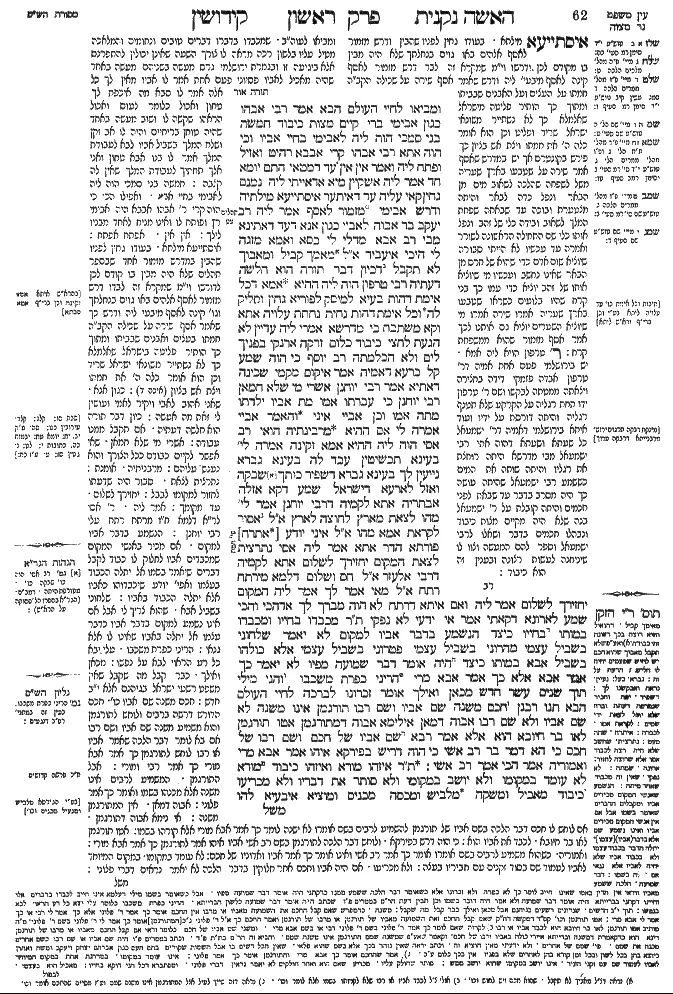
Kiddushin 31b - Guemara
ומביאו לחיי העולם הבא אמר רבי אבהו כגון אבימי ברי קיים מצות כיבוד חמשה בני סמכי הוה ליה לאבימי בחיי אביו וכי הוה אתא רבי אבהו קרי אבבא רהיט ואזיל ופתח ליה ואמר אין אין עד דמטאי התם יומא חד אמר ליה אשקיין מיא אדאייתי ליה נמנם גחין קאי עליה עד דאיתער איסתייעא מילתיה ודרש אבימי (תהלים עט, א) מזמור לאסף אמר ליה רב יעקב בר אבוה לאביי כגון אנא דעד דאתינא מבי רב אבא מדלי לי כסא ואמא מזגה לי היכי איעביד א"ל מאמך קביל ומאבוך לא תקבל דכיון דבר תורה הוא חלשה דעתיה רבי טרפון הוה ליה ההיא אמא דכל אימת דהות בעיא למיסק לפוריא גחין וסליק לה וכל אימת דהות נחית נחתת עלויה אתא וקא משתבח בי מדרשא אמרי ליה עדיין לא הגעת לחצי כיבוד כלום זרקה ארנקי בפניך לים ולא הכלמתה רב יוסף כי הוה שמע קל כרעא דאמיה אמר איקום מקמי שכינה דאתיא אמר רבי יוחנן אשרי מי שלא חמאן רבי יוחנן כי עברתו אמו מת אביו ילדתו מתה אמו וכן אביי איני והאמר אביי אמרה לי אם ההיא מרבינתיה הואי רב אסי הוה ליה ההיא אמא זקינה אמרה לי' בעינא תכשיטין עבד לה בעינא גברא נייעין לך בעינא גברא דשפיר כותך שבקה ואזל לארעא דישראל שמע דקא אזלה אבתריה אתא לקמיה דרבי יוחנן אמר לי' מהו לצאת מארץ לחוצה לארץ א"ל אסור לקראת אמא מהו א"ל איני יודע [אתרח] פורתא הדר אתא אמר ליה אסי נתרצית לצאת המקום יחזירך לשלום אתא לקמיה דרבי אלעזר א"ל חס ושלום דלמא מירתח רתח א"ל מאי אמר לך אמר ליה המקום יחזירך לשלום אמר ליה ואם איתא דרתח לא הוה מברך לך אדהכי והכי שמע לארונא דקאתי אמר אי ידעי לא נפקי ת"ר מכבדו בחייו ומכבדו במותו בחייו כיצד הנשמע בדבר אביו למקום לא יאמר שלחוני בשביל עצמי מהרוני בשביל עצמי פטרוני בשביל עצמי אלא כולהו בשביל אבא במותו כיצד היה אומר דבר שמועה מפיו לא יאמר כך אמר אבא אלא כך אמר אבא מרי הריני כפרת משכבו והני מילי תוך שנים עשר חדש מכאן ואילך אומר זכרונו לברכה לחיי העולם הבא תנו רבנן חכם משנה שם אביו ושם רבו תורגמן אינו משנה לא שם אביו ולא שם רבו אבוה דמאן אילימא אבוה דמתורגמן אטו תורגמן לאו בר חיובא הוא אלא אמר רבא שם אביו של חכם ושם רבו של חכם כי הא דמר בר רב אשי כי הוה דריש בפירקא איהו אמר אבא מרי ואמוריה אמר הכי אמר רב אשי ת"ר איזהו מורא ואיזהו כיבוד מורא לא עומד במקומו ולא יושב במקומו ולא סותר את דבריו ולא מכריעו כיבוד מאכיל ומשקה מלביש ומכסה מכניס ומוציא איבעיא להו
Comments from Rashi on Masechet Kiddushin Page 31b
ומביאו לעוה"ב . שמכבדו בדברו דברים טובים ונחומים והמלאכה מטיל עליו בלשון רכה מראה לו צורך השעה שאינן יכולין להתפרנס אלא ביגיעה זו ובגמרת ירושלמי גרס מעשה בשניהם מעשה באחד שהיה מאכיל לאביו פסיוני פעם אחת אמר לו אביו מאין לך כל אלה אמר לו סבא מה איכפת לך טחון ואכול כלומר לעוס ואכול הראהו שקשה לו ושוב מעשה באחד שהיה טוחן בריחיים והיה לו אב זקן ושלח המלך בשביל אביו לבא לעבודת המלך אמר לו בנו אבא טחון ואני אלך תחתיך לעבודת המלך שאין לה קצבה: חמשה בני סמכי הוה ליה לאבימי בחיי אביו . ואפילו הכי כי הוה קרי ר' אבהו אבבא היה אבימי רץ ופותח לו ואינו מניח לאחד מבניו לילך: אין אין . אפתח אפתח: איסתייעא מילתא . בעודו גחין לפניו שהבין במדרש מזמור אחד שבספר תהלים שלא היה מבין בו קודם לכן לדורשו וי"מ שמקרא זה לבדו דרש מזמור לאסף אלהים באו גוים בנחלתך וגו' קינה לאסף מיבעי ליה ודרש כך שאמר אסף שירה על שכילה הקב"ה חמתו בעצים ואבנים שבביתו ומתוך כך הותיר פליטה בישראל שאלמלא כך לא נשתייר משונאי ישראל שריד וכן הוא אומר כלה ה' את חמתו ויצת אש בציון (איכה ד): כגון אנא . שאני אהוב לאבי ויקיר לאמי ועושין לי זאת מה אעשה: כיון דבר תורה הוא חלשה דעתיה . אם תקבל ממנו עבודה: אשרי מי שלא חמאן . שאי אפשר לקיים כבודם ככל הצורך והוא נענש עליהם: מרבניתיה . אומנת: נתרצית לצאת . סבור היה שדעתו לחזור למקומו לבבל: יחזירך לשלום . עד מקומך: אמר ליה . ר' אסי לר"א דלמא ח"ו מרתח רתח עלי רבי יוחנן: אמר ליה . ר' אסי לר"א דלמא ח"ו מרתח רתח עלי רבי יוחנן: הנשמע בדבר אביו למקום . אם מכיר באנשי המקום שמכבדים אביו לחלוק לו כבוד לקבל דברים שיאמר בשמו אל יתלה הכבוד בעצמו ואפי' יודע שיכבדוהו כאביו אלא יתלה הכבוד באביו: שלחוני בשביל אבא . שהוא צריך לי אבל אם אינו נשמע למקום בדבר אביו כדבר עצמו אל יתלה באביו שאינו לו אלא גנאי: הריני כפרת משכבו . עלי יבא כל רע הראוי לבא על נפשו: מכאן ואילך . כבר קבל מה שקבל שאין משפט רשעי ישראל בגיהנם אלא י"ב חדש: חכם משנה שם אביו כו' . חכם הדורש דרשה ברבים ולוחש לתורגמן והוא משמיע משנה שם אביו ושם רבו אם בא לומר דבר הלכה שאמר אביו או רבו לוחש לתורגמן כך אמר אבא מורי כך אמר רבי ומורי: אבל התורגמן . המשמיע לרבים אינו משנה אלא מכנהו בשמו ואומר כך אמר פלוני: אבוה דמאן . אין המתורגמן משנה: אי נימא אבוה דתורגמן . אם לוחש לו חכם דבר הלכה בשם אביו של תורגמן להשמיע לרבים בשם אומרו לא ישנה לומר כך אמר אבא מורי אלא קורהו בשמו: אטו תורגמן לאו בר חיובא . לכבד את אביו הוא: כי הוה דרש בפירקא . ולוחש דבר הלכה לתורגמן בשם רב אשי אביו איהו אמר לתורגמן כך אמר אבא מורי: ואמוריה . כשהוא משמיע לרבים בשם אומרו אומר כך אמר רב אשי ואינו אומר כך אמר אביו ואדוניו של חכם: לא עומד במקומו . במקום המיוחד לאביו לעמוד שם בסוד זקנים עם חביריו בעצה: ולא מכריעו . אם היה אביו וחכם אחר חלוקין בדבר הלכה לא יאמר נראים דברי פלוני:
Comments from Tosafot - Kiddushin 31b
איסתייא מילתא . בעודו גחין לפניו שהבין ודרש מזמור לאסף אלהים באו גוים בנחלתך שלא היה מבין בו מקודם לכן ודרשו וי"מ שמקרא זה לבד דרש מזמור לאסף קינה לאסף מיבעי' ליה ודרש שאמר אסף שירה על שכילה הקב"ה חמתו על העצים ועל האבנים שבביתו ומתוך כך הותיר פליטה מישראל שאלמלא כך לא נשתייר משונאי ישראל שריד ופליט וכן הוא אומר כלה ה' את חמתו ויצת אש בציון כך פירש בקונטרס אך יש במדרש שאסף אמר שירה על שטבעו בארץ שעריה משל לשפחה שהלכה לשאוב מים מן הבאר ונפל כדה לבאר והיתה מצטערת ובוכה עד שבאתה שפחת המלך לשאוב ובידה כלי של זהב ונפל אותו כלי שם התחילה הראשונה לשורר ואמרה עד עכשיו לא הייתי סבורה שיוציא שום אדם כדי שהוא של חרס מן הבאר שאינו נחשב ועכשיו מי שיוציא אותו של זהב יוציא כדי עמו כך בני קרח שהיו בלועים כשראו שטבעו בארץ שעריה אמרו שירה אמרו מי שיוציא השערים יוציא גם אותנו לכך אמר אסף מזמור שהוא ממשפחת קרח: ר' טרפון הויא ליה אמא. יש בירושלמי פעם אחת אמיה דר' טרפון אבדה פזמקי דידה בחצירה ויצאתה ממטתה לבקשו ושם ר' טרפון ידו תחת רגליה על הקרקע שלא תטנף רגליה והיתה דורסת על ידיו ועוד איתא בירושלמי דאמיה דר' ישמעאל כל שעתא ושעתא דהוה אתי רבי ישמעאל מבי מדרשא היתה רוחצת את רגליו והיתה שותה את המים כששמע רבי ישמעאל שהיתה עושה כך היה מסרב בדבר עד שבאת לפני חכמים והיתה קובלת על ר' ישמעאל בנה שלא היה מקיים מצות כיבוד ונבהלו חכמים בדבר ושאלו לרבי ישמעאל וספר להם המעשה וצוו לו שיניחנה לעשות רצונה ובענין זה הוא כיבוד: ר' טרפון הויא ליה אמא . יש בירושלמי פעם אחת אמיה דר' טרפון אבדה פזמקי דידה בחצירה ויצאתה ממטתה לבקשו ושם ר' טרפון ידו תחת רגליה על הקרקע שלא תטנף רגליה והיתה דורסת על ידיו ועוד איתא בירושלמי דאמיה דר' ישמעאל כל שעתא ושעתא דהוה אתי רבי ישמעאל מבי מדרשא היתה רוחצת את רגליו והיתה שותה את המים כששמע רבי ישמעאל שהיתה עושה כך היה מסרב בדבר עד שבאת לפני חכמים והיתה קובלת על ר' ישמעאל בנה שלא היה מקיים מצות כיבוד ונבהלו חכמים בדבר ושאלו לרבי ישמעאל וספר להם המעשה וצוו לו שיניחנה לעשות רצונה ובענין זה הוא כיבוד:
Kiddushin 31b - Mishnah translated into english
and this action brings him to the life of the World-to-Come.
Rabbi Abbahu said: One such as Avimi, my son, properly fulfilled the mitzva of honoring his parents. The Gemara relates: Avimi had five sons during his father’s lifetime who were ordained to issue halakhic rulings, and he too was ordained. And yet when Rabbi Abbahu, his father, came and called at the gate to enter, Avimi would himself run and go to open the door for him. And before he arrived there, he would already say: Yes, yes, so that his father would not think that he was being ignored.
One day Rabbi Abbahu said to Avimi his son: Give me water to drink. Before he brought him the water, Rabbi Abbahu dozed off. Avimi bent over and stood over him until his father awoke. The performance of this mitzva aided him, i.e., as a reward God helped him in his studies, and Avimi succeeded in homiletically interpreting the psalm: “A song to Asaph” (Psalms 79).
Rav Ya’akov bar Avuh said to Abaye: With regard to one such as I, so beloved by my parents that before I return from the study hall my father brings me a cup and my mother pours for me, how should I act? Is it disrespectful to accept this honor from them? Abaye said to him: Accept it from your mother, but do not accept it from your father, as, since he is a Torah scholar he will be disheartened if his son does not show him the proper level of respect.
The Gemara relates: Rabbi Tarfon had a certain manner of treating his mother, that whenever she wished to ascend into her bed he would bend over and help her to ascend, and whenever she wished to descend from the bed, she would descend onto him. He came and praised himself in the study hall for performing the mitzva of honoring one’s father and mother so thoroughly. They said to him: You still have not reached even half of the honor due to her. Has it ever happened that she threw a purse into the sea in front of you, and you did not embarrass her?
When Rav Yosef heard his mother’s footsteps, he would say: I will stand before the arriving Divine Presence. Rabbi Yoḥanan said: Fortunate is one who never saw his father and mother, as it is so difficult to honor them appropriately. The Gemara relates that Rabbi Yoḥanan himself never saw his parents. When his mother was pregnant with him, his father died; and when she gave birth to him, his mother died. And the same is true of Abaye. The Gemara asks: Is that so, that Abaye never saw his mother? But didn’t Abaye say on many occasions: My mother told me? The Gemara answers: That mother was actually his foster mother, not his birth mother.
Rav Asi had an elderly mother. She said to him: I want jewelry, and he made jewelry for her. She said to him: I want a man whom I can marry, and he said to her: I will seek one for you. She said to him: I want a husband who is as handsome as you. At this point, he realized that she was senile, and that he would be unable to fulfill all her requests. Therefore, he left her and went to Eretz Yisrael.
Rav Asi heard that she was following him to Eretz Yisrael. He came before Rabbi Yoḥanan and said to him: What is the halakha with regard to leaving Eretz Yisrael to go outside of Eretz Yisrael? Rabbi Yoḥanan said to him: It is prohibited. Rav Asi further asked: If one is going to greet his mother, what is the halakha? Rabbi Yoḥanan said to him: I do not know. Rav Asi waited a little while, and then came back to him. Rabbi Yoḥanan said to him: Asi, you are evidently determined to leave. May the Omnipresent return you in peace, and he said no more.
Rav Asi came before Rabbi Elazar, because he did not know how to interpret Rabbi Yoḥanan’s statement. He said to Rabbi Elazar: God forbid, perhaps he is angry with me that I wished to leave? Rabbi Elazar said to him: What exactly did he say to you? Rav Asi said to him: May the Omnipresent return you in peace. Rabbi Elazar said to him: If it is so that he was angry, he would not have blessed you. Rabbi Yoḥanan certainly gave you permission to leave. In the meantime, while he was traveling to meet her, Rav Asi heard that her coffin was coming, i.e., his mother had died and her coffin was being brought to Eretz Yisrael. He said: Had I known I would not have left, as after his mother’s death he was not obligated to leave Eretz Yisrael to honor her.
The Sages taught: One honors his father in his life and honors him in his death. How does he honor him in his life? One who goes to a place on the command of his father should not say to the people to whom he has been sent, to hurry them along: Send me on my journey on my own behalf, or: Hurry up on my own behalf, or: Allow me to take leave of this business on my own behalf. Rather, he should say all of the above in the following manner: Act in this manner on Father’s behalf, as a mark of respect for his father.
How does he honor him in his death? If he says a matter he heard from his father’s mouth, he should not say: So said Father. Rather, he should say: So said Father, my teacher, may I be an atonement for his resting soul. And this halakha applies within twelve months of his death. From this time onward he says: May his memory be for a blessing, for the life of the World-to-Come.
The Sages taught: A Sage who lectures in public must change the name of his father, i.e., when he quotes his father he should not mention him by name. And similarly, he changes the name of his teacher. The disseminator, who explains the statements of a Sage to the audience, changes neither the name of his father nor the name of his teacher. The Gemara asks: To whose father is this referring? If we say it is referring to the father of the disseminator, whom the Sage mentioned in his lecture, is that to say that the disseminator is not obligated to observe the mitzva of honoring one’s father? How can a disseminator mention his own father by name?
Rather, Rava said: This is referring to the name of the Sage’s father and the name of the Sage’s teacher. This is like that which Mar bar Rav Ashi would do, as when he would teach Torah at his regular lecture and would mention a halakha in the name of his father, Rav Ashi, he would say: So said my father, my teacher; and his disseminator would say: So said Rav Ashi. Although a son may not mention his father’s name, the disseminator of his lecture may do so.
The Sages taught: What is fear and what is honor? Fear of one’s father includes the following: One may not stand in his father’s fixed place, and may not sit in his place, and may not contradict his statements by expressing an opinion contrary to that of his father, and he may not choose sides when his father argues with someone else. What is considered honor? He gives his father food and drink, dresses and covers him, and brings him in and takes him out for all his household needs.
A dilemma was raised before the Sages:
Traduction : The William Davidson digital edition of the Koren Noé Talmud, with commentary by Rabbi Adin Even-Israel Steinsaltz.