 Talmud Bavli
Bava Kamma 39b : Youtube
Daf TubeYoutube
2 video classes :
Bava Kamma Page 39b
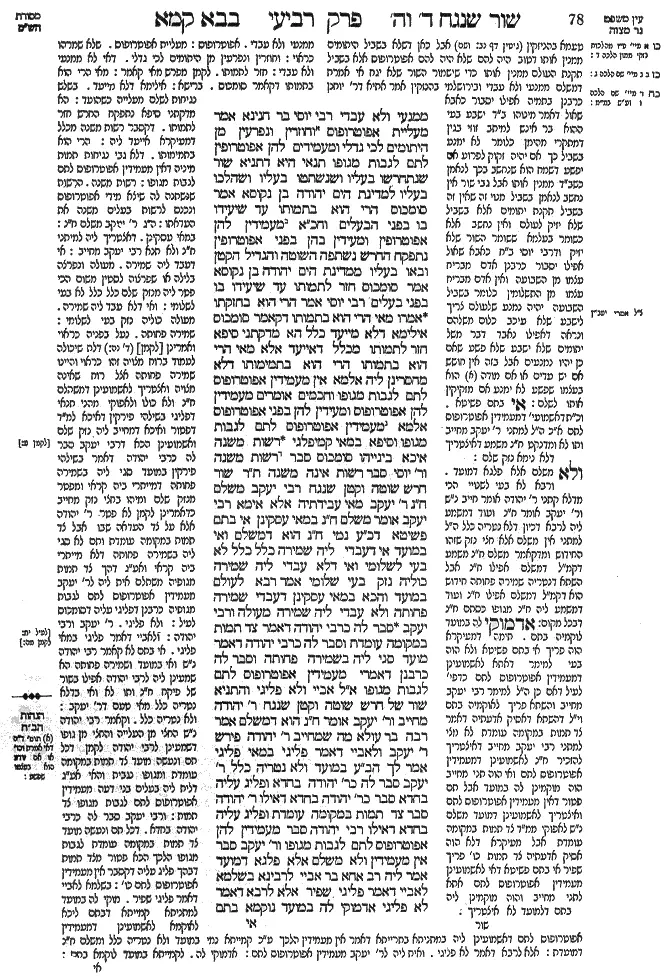
Bava Kamma 39b - Guemara
ממנעי ולא עבדי רבי יוסי בר חנינא אמר מעליית אפוטרופוס וחוזרין ונפרעין מן היתומים לכי גדלי ומעמידים להן אפוטרופין לתם לגבות מגופו תנאי היא דתניא שור שנתחרשו בעליו ושנשתטו בעליו ושהלכו בעליו למדינת הים יהודה בן נקוסא אמר סומכוס הרי הוא בתמותו עד שיעידו בו בפני הבעלים וחכ"א מעמידין להן אפוטרופין ומעידין בהן בפני אפוטרופין נתפקח החרש נשתפה השוטה והגדיל הקטן ובאו בעליו ממדינת הים יהודה בן נקוסא אמר סומכוס חזר לתמותו עד שיעידו בו בפני בעלים רבי יוסי אמר הרי הוא בחזקתו אמרו מאי הרי הוא בתמותו דקאמר סומכוס אילימא דלא מייעד כלל הא מדקתני סיפא חזר לתמותו מכלל דאייעד אלא מאי הרי הוא בתמותו הרי הוא בתמימותו דלא מחסרינן ליה אלמא אין מעמידין אפוטרופוס לתם לגבות מגופו וחכמים אומרים מעמידין להן אפוטרופוס ומעידין להן בפני אפוטרופוס אלמא מעמידין אפוטרופוס לתם לגבות מגופו וסיפא במאי קמיפלגי רשות משנה איכא בינייהו סומכוס סבר רשות משנה ור' יוסי סבר רשות אינה משנה ת"ר שור חרש שוטה וקטן שנגח רבי יעקב משלם ח"נ ר' יעקב מאי עבידתיה אלא אימא רבי יעקב אומר משלם ח"נ במאי עסקינן אי בתם פשיטא דכ"ע נמי ח"נ הוא דמשלם ואי במועד אי דעבדי ליה שמירה כלל כלל לא בעי לשלומי ואי דלא עבדי ליה שמירה כוליה נזק בעי שלומי אמר רבא לעולם במועד והכא במאי עסקינן דעבדי שמירה פחותה ולא עבדי ליה שמירה מעולה ורבי יעקב סבר לה כרבי יהודה דאמר צד תמות במקומה עומדת וסבר לה כרבי יהודה דאמר מועד סגי ליה בשמירה פחותה וסבר לה כרבנן דאמרי מעמידין אפוטרופוס לתם לגבות מגופו א"ל אביי ולא פליגי והתניא שור של חרש שוטה וקטן שנגח ר' יהודה מחייב ור' יעקב אומר ח"נ הוא דמשלם אמר רבה בר עולאמה שמחייב ר' יהודה פירש ר' יעקב ולאביי דאמר פליגי במאי פליגי אמר לך הב"ע במועד ולא נטריה כלל ר' יעקב סבר לה כר' יהודה בחדא ופליג עליה בחדא סבר כר' יהודה בחדא דאילו ר' יהודה סבר צד תמות במקומה עומדת ופליג עליה בחדא דאילו רבי יהודה סבר מעמידין להן אפוטרופוס לתם לגבות מגופו ור' יעקב סבר אין מעמידין ולא משלם אלא פלגא דמועד אמר ליה רב אחא בר אביי לרבינא בשלמא לאביי דאמר פליגי שפיר אלא לרבא דאמר לא פליגי אדמוקי לה במועד נוקמא בתם
Comments from Rashi on Masechet Bava Kamma Page 39b
ממנעי ולא עבדי . אפוטרופוס: מעליית אפוטרופוס . שלא שמרהו כראוי: וחוזרין ונפרעין מן היתומים לכי גדלי . דאי לא ממנעי ולא עבדי: חזר לתמותו . לקמן מפרש מאי קאמר: מאי הרי הוא בתמותו דקאמר סומכוס . ברישא: אילימא דלא מייעד . בשלש נגיחות לשלם מעלייה כשהועד: הא מדקתני סיפא נתפקח החרש חזר לתמותו . דקסבר רשות משנה מכלל דמעיקרא אייעד ליה: הרי הוא בתמימותו . דלא גבי נגיחות תמות מיניה דאין מעמידין אפוטרופוס לתם לגבות מגופו: רשות משנה . הרשות שנשתנה לה שיצא מידי אפוטרופוס ונכנס לרשות בעלים משנה את העדאתו: ה"ג . ר' יעקב משלם ח"נ: במאי עסקינן . דאצטריך ליה למיתני ח"נ ולא תנא רבי יעקב מחייב: אי דעבד ליה שמירה . מעולה ונפרצה בלילה או שפרצוה לסטין משום הכי פטר ליה מנזק שלם כלל כלל לא בעי לשלומי: ואי דלא עבד ליה שמירה . מעולה כוליה נזק בעי לשלומי: שמירה פחותה . נעל בפניה כראוי ואמרינן [לקמן] (ד' נה:) דלת שיכולה לעמוד ברוח מצויה זהו כראוי והיינו שמירה פחותה אצל רוח שאינה מצויה ואצטריך לאשמועינן דמשתלם ח"נ ולא כולו ולאפוקי מהני תנאי דפליגי בשילהי פירקין דאיכא למ"ד דפטור ואיכא דמחייב ליה נזק שלם ואשמועינן הכא דרבי יעקב סבר לה כרבי יהודה דאמר בשילהי פירקין במועד סגי ליה בשמירה פחותה דמייתרי ביה קראי ומפטר מנזק שלם ומיהו בחצי נזק מחייב כדאמרינן לקמן לא פטר ר' יהודה אלא על צד העדאה שבו אבל צד תמות במקומה עומדת ותם לא סגי ליה בשמירה פחותה דלא מייתרי ביה קראי ואע"ג דהך צד תמות מגופיה משתלם אית ליה לר' יעקב מעמידין אפוטרופוס לתם לגבות מגופיה כרבנן דפליגי עליה דסומכוס לעיל: ורבי יעקב סבר לה כרבי יהודה בחדא . דכל תם ונעשה מועד צד תמות במקומה עומדת לגבות מגופו הלכך הכא פטור מצד תמות דבהך פליג עליה דקסבר אין מעמידין אפוטרופוס לתם כו': ולא פליגי . ר' יעקב ורבי יהודה: ולאביי דאמר פליגי במאי פליגי . אי בתם לא קאמר רבי יהודה נ"ש ואי במועד ושמירה פחותה הא שמעינן ליה לרבי יהודה אפילו בשור של פיקח ח"נ ותו לא ואי בדלא נטריה כלל מאי טעם דר' יעקב: ולא נטריה כלל . וקאמר רבי יהודה נ"ש החצי מן העלייה והחצי מן גופו דשמעינן לרבי יהודה לקמן דכל תם ונעשה מועד צד תמות במקומה עומדת ומגופו נגבית והאי אע"ג דלית ליה בעלים בני דעה מעמידין אפוטרופוס לתם לגבות מגופו צד תמות: ורבי יעקב סבר לה כרבי יהודה בחדא . דכל תם ונעשה מועד צד תמות במקומה עומדת לגבות מגופו הלכך הכא פטור מצד תמות דבהך פליג עליה דקסבר אין מעמידין אפוטרופוס לתם כו': בשלמא לאביי דאמר פליגי שפיר . מוקי לה במועד למתניתא קמייתא דבתם ליכא לאוקמא לאשמועינן דמעמידין אפוטרופוס לתם דאשמועינן ליה במתניתא בתרייתא דאמר אין מעמידין הלכך ע"כ קמייתא נמי במועד ולא נטריה כלל ומשלם ח"נ דמועדת: אלא לרבא דאמר לא פליגי . ואית ליה לר' יעקב מעמידין אפוטרופוס לתם: אדמוקי לה . לקמייתא במועד לוקמא בתם:
Comments from Tosafot - Bava Kamma 39b
אי בתם פשיטא . וכ"ת דאשמועי' דמעמידין אפוטרופוס לתם א"כ ה"ל למתני ר' יעקב מחייב ותו לא ומדנקט ח"נ משמע דאיצטריך דלא נימא נזק שלם: ולא משלם אלא פלגא דמועד . ורבא לא בעי לשנויי הכי מדלא קתני ר' יהודה אומר חייב נ"ש ור' יעקב אומר ח"נ ועוד דמשמע ליה לרבא דכיון דלא נטריה כלל ה"ל למתני אין משלם אלא חצי נזק שזהו החידוש ומדקאמר משלם ח"נ משמע דקמ"ל דמשלם אפילו ח"נ אבל השתא דנטריה שמירה פחותה חידוש הוא דקמ"ל דמשלם אפילו ח"נ ועוד דמשמע ליה ח"נ מגופו כסתם ח"נ דבכל מקום: אדמוקי לה במועד לוקמיה בתם . תימה דמעיקרא הוה פריך אי בתם פשיטא ולא הוה בעי למימר דאתא לאשמועינן דמעמידין אפוטרופוס לתם כדפי' לעיל דאם כן ה"ל למימר רבי יעקב מחייב והשתא פריך לאוקמיה בתם וי"ל דהשתא דאסיק אדעתיה דאמר צד תמות במקומה עומדת לא מצי למתני רבי יעקב מחייב דאיצטריך להזכיר ח"נ לאשמועינן דמעמידין אפוטרופוס לתם ואי הוה תני מחייב הוה מוקמינן לה במועד אבל תם פטור דאין מעמידין אפוטרופוס לתם ואיצטריך לאשמועינן דמועד משלם נ"ש לאפוקי ממ"ד צד תמות במקומה עומדת אבל מעיקרא דלא הוה אסיק אדעתיה צד תמות כו' פריך שפיר אי בתם פשיטא דאי לאשמועינן מעמידין אפוטרופוס לתם אתא לתני מחייב והוה מוקמינן ליה בתם דלמועד לא איצטריך:
Bava Kamma 39b - Mishnah translated into english
people will refrain from becoming stewards, fearing that they would incur a financial loss by having to pay for damage caused by the orphans’ animals. By contrast, Rabbi Yosei bar Ḥanina says that it is collected from the superior-quality property of the steward, and there is no concern that people will refrain from becoming stewards, because if they pay for the orphans they are subsequently repaid by the orphans when they grow up.
The Gemara notes: And the matter of whether or not the court appoints stewards for the halakhically incompetent owners of an innocuous ox for the purpose of collecting damages from the sale of its body if it gores is subject to a dispute between tanna’im.
As it is taught in a baraita: With regard to an ox whose owner became a deaf-mute, or whose owner became an imbecile, or whose owner went overseas, if the ox gores, Yehuda ben Nakosa said that Sumakhos said: It retains its status of innocuousness until the court renders it forewarned in the presence of the owner. And the Rabbis say: The court appoints stewards for them, and the ox is rendered forewarned in the presence of the stewards.
If the deaf-mute regained his hearing, or the imbecile became halakhically competent, or the minor reached majority, or its owner came back from overseas, Yehuda ben Nakosa said that Sumakhos said: The ox has reverted to its previous status of innocuousness, until it is rendered forewarned in the presence of the owner. Rabbi Yosei said: The ox retains its status of being forewarned.
The Sages said: What did Sumakhos mean by saying that it retains its status of innocuousness? If we say that he meant that it is not rendered forewarned at all, and is still considered innocuous, from the fact that Sumakhos himself teaches in the latter clause of the baraita that the ox has reverted to its previous status of innocuousness, it is clear by inference that previously it was rendered forewarned.
Rather, what did Sumakhos mean by saying that it retains its status of innocuousness [betammuto]? He meant that it retains its completeness [bitmimuto], as we do not reduce its owner’s share of it by collecting compensation from the sale of its body. Rather, the injured party must wait until the owner becomes competent or returns. Apparently, the court does not appoint a steward for the owner of an innocuous ox to enable the injured party to collect damages from its body. And the Rabbis, who disagree with Sumakhos, say that the court appoints a steward for the owner and renders the ox forewarned in the presence of the steward. Apparently, they hold that the court does appoint a steward for the owner of an innocuous ox to enable the injured party to collect damages from its body.
The Gemara asks: And in the latter clause of the baraita, with regard to what principle do they disagree? The Gemara answers: The difference between them is with regard to whether a change of custody changes the status of the ox. Sumakhos holds that a change of custody changes the status of the ox, whereas Rabbi Yosei holds that a change of custody does not change it; rather, it is determined by the actions of the ox itself, regardless of its custody.
§ The Sages taught in a baraita: With regard to an ox that gored that belonged to a deaf-mute, an imbecile, or a minor, Rabbi Ya’akov pays half the cost of the damage.
The Gemara asks: What did Rabbi Ya’akov do that he should pay for the damage? Rather, emend the baraita and say: Rabbi Ya’akov says that he pays half the cost of the damage.
The Gemara asks: With what are we dealing? If it is with regard to an innocuous ox, isn’t this obvious? Everyone else also holds that one pays half the cost of the damage caused by their ox that gored, so what is the novel element of Rabbi Ya’akov’s statement? And if it is with regard to a forewarned ox it is unclear why the owner pays half the cost of the damage, as if it is a case where he provided adequate safeguarding for it he is not required to pay at all, and if it is a case where he did not provide adequate safeguarding for it he is required to pay the entire cost of the damage.
Rava said: Actually, Rabbi Ya’akov stated his ruling with regard to a forewarned ox, and here we are dealing with a case where he provided reduced safeguarding and did not provide superior safeguarding for it.
And Rabbi Ya’akov holds in accordance with the opinion of Rabbi Yehuda, who says that when an ox is rendered forewarned the liability for its element of innocuousness remains in place. In other words, with regard to half of the damages, it is treated like an innocuous ox, and it is treated as a forewarned ox only with regard to the other half of the damages. Therefore, half the cost of the damage is still collected from the proceeds of the sale of its body. And furthermore, with regard to another issue Rabbi Ya’akov holds in accordance with the opinion of Rabbi Yehuda, who says that although superior safeguarding is necessary for an innocuous ox, reduced safeguarding is sufficient for a forewarned ox. Consequently, one who safeguards his forewarned ox in this manner is exempt from paying the additional half that he would be liable to pay due to the ox’s forewarned status. He is liable with respect to the half that he pays due to its remaining element of innocuousness.
And Rabbi Ya’akov also holds in accordance with the opinion of the Rabbis, who say that the court appoints a steward for the owner of an innocuous ox to enable the injured party to collect damages from its body. Therefore, Rabbi Ya’akov rules that in the case in the baraita, where a forewarned ox owned by a halakhically incompetent person is safeguarded in a reduced fashion, half the cost of the damage must be paid from the proceeds of the sale of its body.
Abaye said to Rava: But do Rabbi Yehuda and Rabbi Ya’akov not disagree with regard to this matter? But isn’t it taught in a baraita that with regard to an ox of a deaf-mute, an imbecile, or a minor, that gored, Rabbi Yehuda deems the owner liable, and Rabbi Ya’akov says that he pays only half the cost of the damage? Rabba bar Ulla says: There is no disagreement here; Rabbi Ya’akov merely explained what Rabbi Yehuda deems him liable to pay.
The Gemara asks: And according to Abaye, who says that Rabbi Ya’akov and Rabbi Yehuda disagree, with regard to what principle do they disagree?
The Gemara answers: Abaye could have said to you that here we are dealing with a forewarned ox whose owner did not safeguard it at all and that is consequently liable for the full cost of the damage.
And Rabbi Ya’akov holds in accordance with the opinion of Rabbi Yehuda with regard to one issue and disagrees with him with regard to one issue. He holds in accordance with the opinion of Rabbi Yehuda with regard to one issue, as Rabbi Yehuda holds that when an ox is rendered forewarned its element of innocuousness remains in its place, and Rabbi Ya’akov agrees. And he disagrees with him with regard to one issue, as Rabbi Yehuda holds that the court appoints a steward for the owner of an innocuous ox to enable the injured party to collect damages from its body, whereas Rabbi Ya’akov holds that the court does not appoint a steward. Therefore, the owner is exempt from paying the half for which he would be liable due to the ox’s element of innocuousness, and pays only the half damages he is liable to pay due to its forewarned status.
Rav Aḥa bar Abaye said to Ravina: Granted, according to Abaye, who says that they disagree, the explanation works out well. But according to Rava, who says that they do not disagree, instead of interpreting the baraita as referring to a forewarned ox, he should have interpreted it as referring to an innocuous ox.
Traduction : The William Davidson digital edition of the Koren Noé Talmud, with commentary by Rabbi Adin Even-Israel Steinsaltz.