 Talmud Bavli
The learning on the whole site is dedicated : L'ilui Nishmat Margalit bat Ledicia
The learning on the whole site is dedicated : L'ilui Nishmat Jamila bat Chlomo Abensour
The learning on the whole site is dedicated : L'ilui Nishmat Amram ben Itshak Loubaton
Kiddushin 66b : Youtube
Daf TubeYoutube
2 video classes :
Kiddushin Page 66b
Kiddushin 66b - Guemara
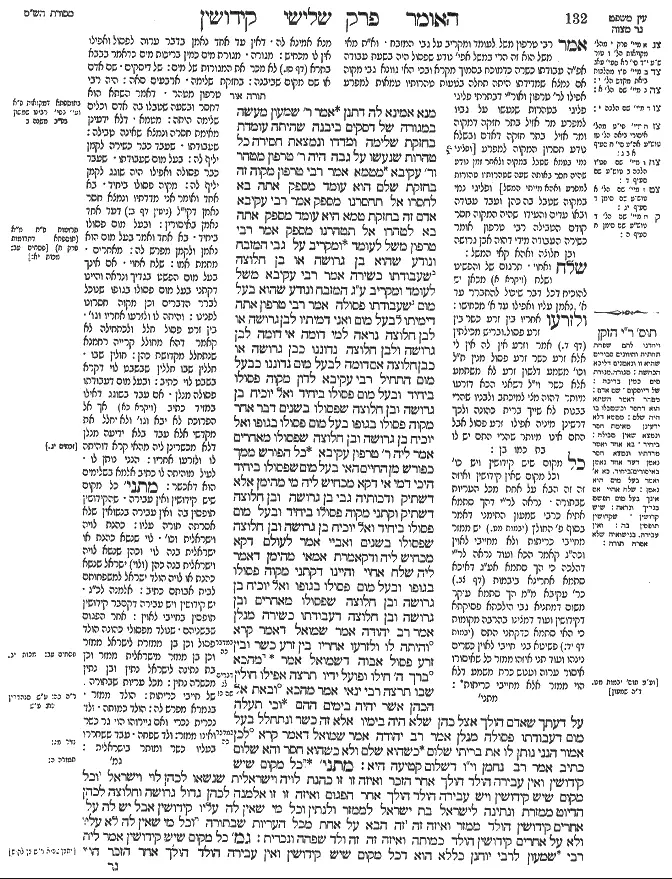
מנא אמינא לה דתנן אמר ר' שמעון מעשה במגורה של דסקים ביבנה שהיתה עומדת בחזקת שלימה ומדדו ונמצאת חסירה כל טהרות שנעשו על גבה היה ר' טרפון מטהר ור' עקיבא מטמא אמר רבי טרפון מקוה זה בחזקת שלם הוא עומד מספק אתה בא לחסרו אל תחסרנו מספק אמר רבי עקיבא אדם זה בחזקת טמא הוא עומד מספק אתה בא לטהרו אל תטהרנו מספק אמר רבי טרפון משל לעומד ומקריב על גבי המזבח ונודע שהוא בן גרושה או בן חלוצה שעבודתו כשירה אמר רבי עקיבא משל לעומד ומקריב ע"ג המזבח ונודע שהוא בעל מום שעבודתו פסולה אמר רבי טרפון אתה דימיתו לבעל מום ואני דמיתיו לבן גרושה או לבן חלוצה נראה למי דומה אי דומה לבן גרושה ולבן חלוצה נדוננו כבן גרושה או כבן חלוצה אם דומה לבעל מום נדוננו כבעל מום התחיל רבי עקיבא לדון מקוה פסולו ביחיד ובעל מום פסולו ביחיד ואל יוכיח בן גרושה ובן חלוצה שפסולו בשנים דבר אחר מקוה פסולו בגופו בעל מום פסולו בגופו ואל יוכיח בן גרושה ובן חלוצה שפסולו מאחרים אמר ליה ר' טרפון עקיבא כל הפורש ממך כפורש מן החיים האי בעל מום שפסולו ביחיד היכי דמי אי דקא מכחיש ליה מי מהימן אלא דשתיק ודכותיה גבי בן גרושה ובן חלוצה דשתיק וקתני מקוה פסולו ביחיד ובעל מום פסולו ביחיד ואל יוכיח בן גרושה ובן חלוצה שפסולו בשנים ואביי אמר לעולם דקא מכחיש ליה ודקאמרת אמאי מהימן דאמר ליה שלח אחוי והיינו דקתני מקוה פסולו בגופו ובעל מום פסולו בגופו ואל יוכיח בן גרושה ובן חלוצה שפסולו מאחרים ובן גרושה ובן חלוצה דעבודתו כשירה מנלן אמר רב יהודה אמר שמואל דאמר קרא (במדבר כה, יג) והיתה לו ולזרעו אחריו בין זרע כשר ובין זרע פסול אבוה דשמואל אמר מהכא (דברים לג, יא) ברך ה' חילו ופועל ידיו תרצה אפילו חולין שבו תרצה רבי ינאי אמר מהכא (דברים כו, ג) ובאת אל הכהן אשר יהיה בימים ההם וכי תעלה על דעתך שאדם הולך אצל כהן שלא היה בימיו אלא זה כשר ונתחלל בעל מום דעבודתו פסולה מנלן אמר רב יהודה אמר שמואל דאמר קרא (במדבר כה, יב) לכן אמור הנני נותן לו את בריתי שלום כשהוא שלם ולא כשהוא חסר והא שלום כתיב אמר רב נחמן וי"ו דשלום קטיעה היא מתני׳ כל מקום שיש קידושין ואין עבירה הולד הולך אחר הזכר ואיזה זו זו כהנת לויה וישראלית שנשאו לכהן לוי וישראל וכל מקום שיש קידושין ויש עבירה הולד הולך אחר הפגום ואיזה זו זו אלמנה לכהן גדול גרושה וחלוצה לכהן הדיוט ממזרת ונתינה לישראל בת ישראל לממזר ולנתין וכל מי שאין לה עליו קידושין אבל יש לה על אחרים קידושין הולד ממזר ואיזה זה זה הבא על אחת מכל העריות שבתורה וכל מי שאין לה לא עליו ולא על אחרים קידושין הולד כמותה ואיזה זה זה ולד שפחה ונכרית גמ׳ כל מקום שיש קידושין אמר ליה רבי שמעון לרבי יוחנן כללא הוא דכל מקום שיש קידושין ואין עבירה הולד הולך אחר הזכר הרי
Comments from Rashi on Masechet Kiddushin Page 66b
מנא אמינא לה . דאין עד אחד נאמן בדבר ערוה לפסול ואפילו אין לו מכחיש: מגורה . מגורת מים כמין בריכות מים כדאמר בבבא בתרא (דף סז.) לא מכר את המגורות של מים: של דיסקים . שם אדם או שם מקום שביבנה: בחזקת שלימה . ארבעים סאה: היה רבי טרפון מטהר . דאמר השתא הוא דחסר ובשעה שטבלו בה אדם וכלים שלימה היתה: מטמא . דלא ידעינן מאימת חסרה ונמצא שאינה טבילה: שעבודתו . שעבד כבר כשירה לקמן יליף לה: בעל מום שעבודתו . שעבד כבר פסולה ואפילו היה שוגג לקמן יליף לה: מקוה פסולו ביחיד . בא אחד ואומר אני מדדתיו ונמצא חסר נאמן דקי"ל (גיטין דף ב:) דעד אחד נאמן באיסורין: ובעל מום פסולו ביחיד . בא אחד ואמר בעל מום הוא נאמן ולקמן מפרש לה: מאחרים . מחמת אמו: שלח אחוי . אם אינך בעל מום הפשט בגדיך ונראה והיינו דקתני בעל מום פסולו בגופו שנוכל לברר הדברים וכן מקוה חסרונו לפנינו: והיתה לו ולזרעו אחריו וגו' . בין זרע פסול חלל ולכתחילה לא קאמר דהא מחולל קרייה רחמנא שנתחלל מקדושת כהן: חולין שבו . חללין שבו חללין שבשבט לוי דקרא בשבט לוי כתיב: ובעל מום דעבודתו פסולה מנלן . אם עבד בשוגג דאילו במזיד כתיב (ויקרא כא) אך אל הפרוכת לא יבא וגו' ולא יחלל את מקדשי אלא עבד בלא ידיעה מנלן דלא מכשרינן ליה מהאי קרא דוהיתה לו ולזרעו אחריו: הנני נותן לו . לעיל מוהיתה לו כתיב אלמא בשלימים הוא דאכשר: מתני' כל מקום שיש קידושין ואין עבירה . שהקידושין תופסין בה ואין עבירה בנשואין שלא אסרתה תורה עליו: כהנת לויה וישראלית וכו' . לוי שנשא כהנת או ישראלית בנה לוי וכהן שנשא לויה וישראלית בנה כהן (ולוי) ישראל שנשא כהנת או לויה הולד ישראל למשפחותם לבית אבותם כתיב: אחר הפגום שבשניהם . שנולד מפסולי כהונה הולד פסול וכן בן ממזרת לישראל ממזר וכן בן ממזר מישראלית ממזר וכן בת נתינה לישראל נתין ובן נתין מכשרה נתין: אלמנה לכ"ג . יש קידושין ויש עבירה דקסבר קידושין תופסין בחייבי לאוין: הולד ממזר . בגמרא מפרש לה: מכל עריות שבתורה . של חייבי כריתות: הולד כמותה . ולד נכרית נכרי ואם גיירוהו הוי גר כשר ואינו ממזר: ולד שפחה . עבד ששחררו בעליו כשר ומותר בישראלית:
Comments from Tosafot - Kiddushin 66b
אמר רבי טרפון משל לעומד ומקריב על גבי המזבח. וא"ת מאי משל הוא זה הרי במשל אפי' נודע שפסול היה בשעת עבודה אפ"ה עבודתו כשרה כדמוכח בסמוך מקרא ובכי האי גוונא גבי מקוה אם נמצא שמדידתו היתה תחלה בטעות טהרותיו טמאות למפרע אפילו לר' טרפון ואור"י דבתרתי פליגי פליגי בטהרות שנעשו על גביו למפרע מר אזיל בתר חזקה דמקוה ומר אזיל בתר חזקה דאדם ובשלא נודע חסרון המקוה למפרע [ופליגי נמי בטמא שטבל במקוה ולאחר זמן נודע שהיה חסר באותה שעה שטהרותיו טהורות למפרע ואהא מייתי המשל] ופליגי נמי במקוה שטבל בה כהן ועבד עבודה ובאו עדים והעידו שהיה המקוה חסר קודם הטבילה רבי טרפון אומר כשירה העבודה מידי דהוה אבן גרושה ובן חלוצה ואהא קאי המשל: שלח ואחוי . תרגום של והפשיט ושלח (ויקרא א) מכאן יש להוכיח דכל דבר שיכול להתברר עד א' נאמן עליו ואפילו עד א' מכחישו: ולזרעו אחריו בין זרע כשר בין זרע פסול . ובריש מכילתין (דף ד.) אמר וזרע אין לה אין לי אלא זרע כשר זרע פסול מנין ת"ל וכו' משמע דלשון זרע לא משתמע אלא כשר וי"ל דשאני הכא דזרעו מיותר דהוה מצי למיכתב ולבניו שהרי בבנות לא שייך ברית כהונה ולכך דרשינן מיניה אפילו זרע פסול אבל התם אינו מיותר שהרי התם יש לו בת כמו בן: כל מקום שיש קידושין ויש כו' וכל מקום שאין קידושין ואיזה זה זה הבא על אחת מכל העריות שבתורה. נראה לר"י דהך סתמא אתיא כרבי שמעון התימני דאמר בסוף פ' החולץ (יבמות מט.) יש ממזר מחייבי כריתות ולא מחייבי לאוין וכה"ג קאמר הכא ועוד נראה לר"י דהלכה כי הך סתמא אע"ג דאיכא סתמא אחרינא ביבמות (דף צב.) כר' עקיבא מ"מ הך סתמא עיקר משום דמתניא גבי הילכתא פסיקתא דקידושין ועוד דמצינו בהרבה מקומות כי האי סתמא כדקתני התם (יבמות דף יד:) פשיטא בני חייבי לאוין כשרים נינהו ועוד תני איזהו ממזר כל שאיסורו איסור ערוה וענוש כרת משמע דלא הוי ממזר אלא מחייבי כריתות:
Kiddushin 66b - Mishnah translated into english
From where do I say my claim that one does not rely on a lone witness in matters of forbidden relations? As we learned in a baraita: Rabbi Shimon said: An incident occurred with regard to a water reservoir of Diskim in Yavne, which had the presumptive status of being complete, i.e., they thought it contained forty se’a, the requisite amount for a ritual bath, and they measured it after a time and it was found to be deficient, as it contained less than that amount.
With regard to all immersions of ritual purification performed in the reservoir before it was measured, Rabbi Tarfon would render them ritually pure, and Rabbi Akiva would render them ritually impure. The two Sages discussed the matter. Rabbi Tarfon said: This ritual bath retained the presumptive status of being whole throughout this period, and you are coming to declare it deficient in the past out of uncertainty. Do not deem it deficient out of uncertainty. Rabbi Akiva said in response: This person who immersed himself in that ritual bath retained the presumptive status of being ritually impure before he immersed. You are coming to purify him out of uncertainty. Do not deem him ritually pure out of uncertainty.
Rabbi Tarfon said in response: There is a parable that illustrates this. A priest was standing and sacrificing offerings on the altar, and it became known that he is the son of a divorced woman or the son of a ḥalutza. The halakha is that his earlier service before this discovery remains valid. Rabbi Akiva said: A more accurate parable is that of a priest who was standing and sacrificing on the altar, and it became known that he is blemished. In this case, the halakha is that his earlier service is disqualified.
Rabbi Tarfon said: You compared the case of a ritual bath found to be deficient to that of a blemished priest, whereas I compared it to the case of the son of a divorced woman or the son of a ḥalutza. Let us see to which case it is similar. If this case is similar to that of the son of a divorced woman or the son of a ḥalutza, let us treat it like the case of the son of a divorced woman or the son of a ḥalutza; if it is similar to the case of a blemished priest, let us treat it like that of a blemished priest.
Rabbi Akiva began to analyze the matter: The disqualification of a ritual bath is by the testimony of an individual, as witnesses are not required to establish that a ritual bath is deficient, and likewise the disqualification of a blemished priest with regard to performing the Temple service is by the testimony of an individual. And do not let the halakha of the son of a divorced woman or the son of a ḥalutza prove otherwise, as his disqualification is by the testimony of two witnesses. Two witnesses are required to testify about one’s mother to disqualify him from performing the Temple service; one is insufficient.
Alternatively, one can say: The disqualification of a ritual bath is due to the bath itself, and similarly, the disqualification of a blemished priest is due to the priest himself. And do not let the halakha of the son of a divorced woman or the son of a ḥalutza prove otherwise, as his disqualification is due to others, i.e., through his mother. Rabbi Tarfon said to him: Akiva, anyone who separates from you, it is as though he has separated from life itself. Rabbi Tarfon was impressed by Rabbi Akiva’s explanation and accepted it. This concludes the baraita.
The Gemara returns to the topic at hand: What are the circumstances with regard to this blemished priest whose disqualification is by means of an individual witness? If the priest denies his claim, maintaining that he is not blemished, is a lone witness deemed credible? Rather, it must be that the priest remains silent and therefore is considered to have admitted to the accusation.
And similarly with regard to the son of a divorced woman or the son of a ḥalutza, it must also be referring to one who is silent, and yet the baraita teaches: The disqualification of a ritual bath is by the testimony of an individual, and likewise the disqualification of a blemished priest with regard to performing the Temple service is by the testimony of an individual. And do not let the halakha of the son of a divorced woman or the son of a ḥalutza prove otherwise, as his disqualification is by the testimony of two witnesses. This indicates that if the person under scrutiny himself remains silent, one witness is insufficient to disqualify him.
And Abaye could have said in response to this proof: Actually, both cases deal with an individual who denies the witness’s testimony, and that which you said: Why is the witness deemed credible when he says that this priest is blemished, it is referring to a case where the witness said to him: Remove your clothes and show us that you are not blemished. Since this is a matter that can be investigated, the witness is deemed credible, because if he were lying the priest could prove it. And this explanation is consistent with that which the baraita teaches: The disqualification of a ritual bath is due to the bath itself, and similarly, the disqualification of a blemished priest is due to the priest himself, as he himself can be examined. And do not let the halakha of the son of a divorced woman or the son of a ḥalutza prove otherwise, as his disqualification is due to others.
The Gemara asks a question with regard to the halakha of the baraita: And from where do we derive that the service of the son of a divorced woman or the son of a ḥalutza is valid after the fact? Rav Yehuda says that Shmuel says: As the verse states with regard to Pinehas the priest: “And it shall be for him and his seed after him the covenant of an everlasting priesthood” (Numbers 25:13), which includes both fit seed and unfit seed. This teaches that the service of a priest is valid after the fact even if he was disqualified.
Shmuel’s father said that the proof text is from here: It states in the blessing of the tribe of Levi: “Bless, Lord, his substance [ḥeilo], and accept the work of his hands” (Deuteronomy 33:11). The word ḥeilo is expounded as including even the service of his profane ones [ḥullin], which God will accept after the fact.
Rabbi Yannai said: The source is from here, a verse stated with regard to first fruits: “And you shall come to the priest who shall be in those days” (Deuteronomy 26:3). But can it enter your mind that a person can come to a priest who is not alive in his days? What then is the meaning of the phrase “in those days”? Rather, this is referring to a fit priest who later became established as a ḥalal. All his previous days of service are considered those of a fit priest.
The Gemara continues its analysis of the baraita. From where do we derive that the service of a blemished priest is retroactively invalid? Rav Yehuda says that Shmuel says: As the verse states with regard to Pinehas: “Wherefore say: Behold, I give to him My covenant of peace [shalom]” (Numbers 25:12), which means that he receives the covenant when he is whole [shalem], but not when he is blemished and lacking a limb. The Gemara comments: But shalom is written, rather than shalem. Rav Naḥman says: The letter vav in the word shalom is severed. According to tradition, this letter is written with a break in it, and therefore the word can be read as though the vav were missing.
MISHNA: There is a principle with regard to the halakhot of lineage: Any case where there is betrothal, i.e., where the betrothal takes effect, and the marriage involves no transgression by Torah law, the lineage of the offspring follows the male, his father. And in which case is this applicable? For example, this is the case with regard to the daughter of a priest; or the daughter of a Levite; or the daughter of an Israelite, who married a priest, a Levite, or an Israelite. In all these cases the child’s lineage is established by his father’s family.
And any case where there is a valid betrothal and yet there is a transgression, the offspring follows the flawed parent. And in which case is this applicable? For example, this is the case of a widow who is married to a High Priest, or a divorced woman or a ḥalutza who is married to a common priest, or a mamzeret or a Gibeonite woman who is married to an Israelite, or an Israelite woman who is married to a mamzer or to a Gibeonite. In these situations the child inherits the status of the blemished parent.
And in any case where a woman cannot join in betrothal with a particular man, as the betrothal does not take effect, but she can join in betrothal with others, i.e., the woman is considered a member of the Jewish people and can marry other Jews, in these cases the offspring is a mamzer. And in which case is this applicable? This is one who engages in intercourse with any one of those with whom relations are forbidden that are written in the Torah. And in any case where a woman cannot join in betrothal with him or with others, the offspring is like her. He is not considered his father’s son at all, but has the same status as his mother. And in which case is this applicable? This is the offspring of a Canaanite maidservant or a gentile woman, as her child is a slave or a gentile like her. If he converts, he is not a mamzer.
GEMARA: The mishna teaches that any case where there is betrothal and the marriage involves no transgression, the lineage of the offspring follows the male. Rabbi Shimon said to Rabbi Yoḥanan: Is it an established principle that any case where there is betrothal and there is no transgression the offspring invariably follows the male? But
Traduction : The William Davidson digital edition of the Koren Noé Talmud, with commentary by Rabbi Adin Even-Israel Steinsaltz.