 Talmud Bavli
Bava Kamma 55b : Youtube
Daf TubeYoutube
2 video classes :
Bava Kamma Page 55b
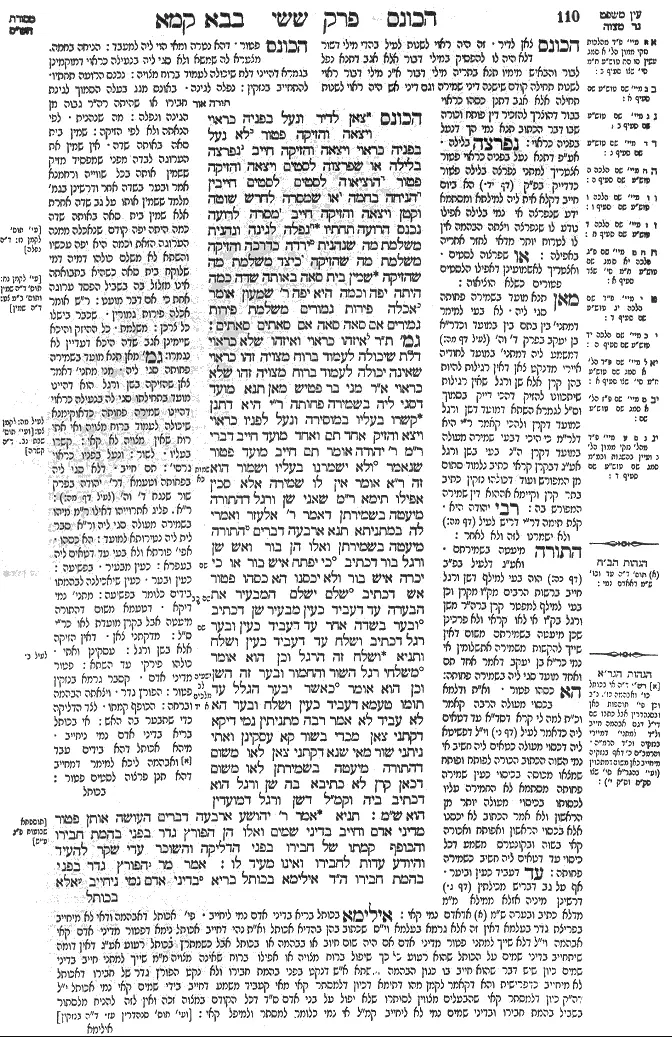
Bava Kamma 55b - Guemara
מתני׳ הכונס צאן לדיר ונעל בפניה כראוי ויצאה והזיקה פטור לא נעל בפניה כראוי ויצאה והזיקה חייב נפרצה בלילה או שפרצוה לסטים ויצאה והזיקה פטור הוציאוה לסטים לסטים חייבין הניחה בחמה או שמסרה לחרש שוטה וקטן ויצאה והזיקה חייב מסרה לרועה נכנס הרועה תחתיו נפלה לגינה ונהנית משלמת מה שנהנית ירדה כדרכה והזיקה משלמת מה שהזיקה כיצד משלמת מה שהזיקה שמין בית סאה באותה שדה כמה היתה יפה וכמה היא יפה ר' שמעון אומר אכלה פירות גמורים משלמת פירות גמורים אם סאה סאה אם סאתים סאתים:
גמ׳ ת"ר איזהו כראוי ואיזהו שלא כראוי דלת שיכולה לעמוד ברוח מצויה זהו כראוי שאינה יכולה לעמוד ברוח מצויה זהו שלא כראוי א"ר מני בר פטיש מאן תנא מועד דסגי ליה בשמירה פחותה ר"י היא דתנן קשרו בעליו במוסירה ונעל לפניו כראוי ויצא והזיק אחד תם ואחד מועד חייב דברי ר"מ ר' יהודה אומר תם חייב מועד פטור שנאמר (שמות כא, לו) ולא ישמרנו בעליו ושמור הוא זה ר"א אומר אין לו שמירה אלא סכין אפילו תימא ר"מ שאני שן ורגל דהתורה מיעטה בשמירתן דאמר ר' אלעזר ואמרי לה במתניתא תנא ארבעה דברים התורה מיעטה בשמירתן ואלו הן בור ואש שן ורגל בור דכתיב (שמות כא, לג) כי יפתח איש בור או כי יכרה איש בור ולא יכסנו הא כסהו פטור אש דכתיב (שמות כב, ה) שלם ישלם המבעיר את הבערה עד דעביד כעין מבעיר שן דכתיב (שמות כב, ד) ובער בשדה אחר עד דעביד כעין ובער רגל דכתיב ושלח עד דעביד כעין ושלח ותניא ושלח זה הרגל וכן הוא אומר (ישעיהו לב, כ) משלחי רגל השור והחמור ובער זה השן וכן הוא אומר (מלכים א יד, י) כאשר יבער הגלל עד תומו טעמא דעביד כעין ושלח ובער הא לא עביד לא אמר רבה מתניתין נמי דיקא דקתני צאן מכדי בשור קא עסקינן ואתי ניתני שור מאי שנא דקתני צאן לאו משום דהתורה מיעטה בשמירתן לאו משום דכאן קרן לא כתיבא בה שן ורגל הוא דכתיב ביה וקמ"ל דשן ורגל דמועדין הוא ש"מ:
תניא אמר ר' יהושע ארבעה דברים העושה אותן פטור מדיני אדם וחייב בדיני שמים ואלו הן הפורץ גדר בפני בהמת חבירו והכופף קמתו של חבירו בפני הדליקה והשוכר עדי שקר להעיד והיודע עדות לחבירו ואינו מעיד לו:
אמר מר הפורץ גדר בפני בהמת חבירו ה"ד אילימא בכותל בריא בדיני אדם נמי ניחייב אלא
Comments from Rashi on Masechet Bava Kamma Page 55b
מתני' הכונס פטור . דהא נטרה ומאי הוי ליה למעבד: הניחה בחמה . מצערא לה שמשא ולא סגי ליה בנעילה כראוי דמוקמינן בגמרא דהיינו דלת שיכולה לעמוד ברוח מצויה: נכנס הרועה תחתיו . להתחייב בנזקין: נפלה לגינה . באונס מגג בעלה הסמוך לגינת חבירו או שהיתה רה"ר גבוה מן הגינה ונפלה: מה שנהנית . לפי הנאתה ולא לפי הזיקה: שמין בית סאה באותה שדה . אין שמין את הערוגה לבדה מפני שמפסיד מזיק ששמין אותה בכל שווייה ורחמנא אמר ובער בשדה אחר ודרשינן בגמ' מלמד ששמין אותו על גב שדה אחרת אלא שמין בית סאה באותה שדה כמה היתה יפה קודם שנאכלה ממנה הערוגה הזאת וכמה היא יפה עכשיו והשתא לא משלם כולהו דמיה דמי שלוקח בית סאה כשהיא בתבואתה אינו מזלזל בה בשביל הפסד ערוגה אחת כי אם דבר מועט: קועיה . חרטומו בי"ק בלע"ז: משלמת . כל ההיזק והיכא שיימינן אגב שדה היכא דעדיין לא נגמרו: גמ' מאן תנא מועד בשמירה פחותה סגי ליה . מני מתני' דאמר צאן שהזיקה בשן ורגל הוא דהיינו מועד בתחילתו סגי לה בנעילה כראוי דהיינו שמירה פחותה כדאוקימנא שיכולה לעמוד ברוח מצויה ואי אתי רוח שאין מצויה לא קאי: קשרו בעליו . לשור: ונעל בפניו כראוי גרסי': תם חייב . דלא סגי ליה בפחותה וטעמא דר' יהודה בפרק שור שנגח ד' וה' (לעיל בבא קמא דף מה:): ר"ש אומר אכלה פירות גמורין . שכבר בישלו כל צרכן: ר"א . פליג אתרוייהו דאילו ר"מ מיהו בשמירה מעולה סגי ליה ור"א סבר לית ליה נטירותא למועד: הא כסהו . אפי' פורתא ולא בעי עד דטאים ליה בעפרא: כעין מבעיר . בפשיעה: כעין ובער . כעין שיאכילנה לבהמתו בידים כלומר בפשיעה: מתני' נמי דיקא . דטעמא משום דהתורה מיעטה אבל בקרן מועדת לאו כר"י ס"ל: מדקתני צאן . דאין הזיקה אלא בשן ורגל: עסקינן ואתי . כולהו פירקי עד השתא: פטור מדיני אדם . קסבר גרמא בנזקין פטור: הכופף קמתו . לצד הדליקה כדי שתבער בה האש: הפורץ גדר . ויצאתה הבהמה וברחה: אי בכותל בריא בדיני אדם נמי ניחייב . מיהא אכותל דהא בידים עבד ואבהמה ליכא למימר דמחייב דהא תנן פרצוה לסטים פטור:
Comments from Tosafot - Bava Kamma 55b
מתני' הכונס צאן לדיר . זה היה ראוי לשנות לעיל בהדי מילי דשור דלא היה לו להפסיק במילי דבור אלא אגב דתנא נפל לבור והבאיש מימיו תנא בתריה מילי דבור א"נ מילי דבור ראוי לשנות תחילה קודם שישנה דיני שמירה וגם דיני אש היה ראוי לשנות תחילה אלא אגב דתנן כסהו כראוי בבור דהוצרך להזכיר דין פותח וכורה שבו דבר הכתוב תנא נמי הך דנעל בפניה כראוי: נפרצה בלילה . אע"פ דתנא נעל בפניה כראוי פטור אצטריך למתני נפרצה בלילה פטור כדדייק בפ"ק (דף יד.) הא ביום חייב דקלא אית ליה למילתא ומסתמא ידע שנפרצה אי נמי בלילה אפילו נודע לו שנפרצה ויצתה הבהמה אין לו לטרוח יותר מדאי לחזר אחריה באפילה: או שפרצוה לסטים . ואצטריך לאשמועינן דאפילו הלסטים פטורים כשלא הוציאוה: שמין בית סאה באותה שדה . פי' בקונטרס (בריש פירקין) שאם אכלה ערוגה אחת שמין אותה אגב בית סאה כמה היתה יפה קודם שאכלה ממנה וכמה היא יפה עכשיו וקשה לר"י דאי אבית סאה קאי ה"ל למימר כמה היה יפה וכמה הוא יפה בלשון זכר ועוד דקבעי בגמ' היכי שיימינן הלא פירשה יפה משנתינו ששמין ערוגה בבית סאה ומה שפ"ה בגמ' היכי שיימינן דבית סאה באנפי נפשה לא שיימינן דמכחישין ליה למזיק דקרחת ערוגה של קב או קביים חשובה לפי דמיו אלא שמין ס' סאין ורואין כמה דמים מגיעים לבית סאה וחוזרין ושמין כמה נפחתה בשביל הערוגה וקשה דהיכן מצינו שתי שומות הללו דבקרא לא כתיב אלא בשדה אחר ששמין מה שהזיק אגב שדה אחרת ומן המשנה לא משתמע כלל ועוד דלמ"ד בגמ' קלח בששים קלחים כלומר בששים שיעורים כמותו אמאי נקט במתניתין בית סאה ועוד קשה דפריך בגמרא אכולהו אמוראי מהא דתניא אכלה קב או קביים רואין אותה כאלו היא ערוגה קטנה ומשערין אותה מאי לאו בפני עצמה תקשי ליה. ממתני' דקתני שמשערינן אותה בבית סאה ונראה לפרש דשמין בית סאה דקתני היינו בית סאה הנאכל שמין באותה שדה כדקתני סיפא במילתא דר"ש אם סאה סאה אם סאתים סאתים ולפי שלא פי' משנתינו בכמה שמין אותה אלא שבאותה שדה שמין אותה מפרש בגמרא היכי שיימינן ומפרש ר' יוסי בר חנינא סאה בששים סאין בין אכלה פחות בין אכלה יותר לעולם שמין סאה בששים ומשלם לפי החשבון חזקיה אומר קלח בששים קלחים כלומר לעולם מה שאכלה בששים שיעורין כמותן ר' ינאי אומר תרקב בששים תרקבין ובין אכלה פחות או יותר משלם לפי חשבון ולר' ינאי משביח יותר מזיק מלר' יוסי בר חנינא דקרחת תרקב אינה ניכרת בשלשים סאין כמו קרחת סאה בס' סאין כדאמר רב פפא דאין שמין כור בס' כורים מפני שפוגם מזיק ואע"ג דקתני במתניתין בית סאה באותה שדה לרבי ינאי לא לשיעורא נקטינן שאין משערין בו כלל אלא בתרקב משערין ונראה לר"י דכי משערין למר בתרקב ולמר בסאה לאו בבית סאה זרע קאמר דהוי נ' על נ' דאין דומה שדברה משנתינו בזה דבבהמה אחת איירי ומתי אכלה כל זה אלא בסאה פירות קאמר דמשערין כדקתני אם סאה סאה ואין לתמוה על לשון בית סאה דקתני במתניתין דכיון שהפירות מחוברין לקרקע שייך שפיר לקרות לסאה פירות הנאכל בית סאה והא דפריך בגמרא אברייתא האי ולא בית כור ולא כור מבעי ליה היינו משום דברישא קתני קב ובסיפא בית כור ומיהו אי הוה מפרשינן דבבית סאה זרע קאמר כגון נ' על נ' הוי ניחא טפי אע"ג דבגמרא נקט לכולהו בלא בית כדקאמר סאה תרקב קב וכור אין להקפיד דלפעמים קרי נמי לבית כור זרע כור סתם כדאשכחן בפרק המקבל (ב"מ דף קה:) נותן ארבעה קבין לכור ומסיק דארבעה קבין לכור זרע קאמר: מאן תנא מועד בשמירה פחותה סגי ליה . לא בעי למימר דמתני' בין בתם בין במועד וכדר"א בן יעקב בפרק ד' וה' (לעיל בבא קמא דף מה:) דמשמע ליה דמתני' במועד לחודיה איירי מדנקט צאן דאין רגילות להיות בהן קרן אלא שן ורגל שאין רגילות שיתכוונו להזיק דהכי דייק בסמוך וס"ל לגמרא השתא דמועד דשן ורגל כמועד דקרן ולהכי קאמר ר"י היא דלר"מ כי היכי דבעי שמירה מעולה במועד דקרן ה"נ בעי בשן ורגל אע"ג דבקרן קראי כתיב נלמוד סתום מן המפורש ועוד דכולהו נזקין כתיב בתר קרן וקיימא אההוא דין שמירה המפורש בה: רבי יהודה היא . קצת תימה דר"י דריש לעיל (בבא קמא דף מה:) ולא ישמרנו לזה ולא לאחר: התורה מיעטה בשמירתם . ואע"ג דלעיל בפ"ב (בבא קמא דף כה:) הוה בעי למילף דשן ורגל חייב ברשות הרבים מק"ו מקרן וכן בעי למילף למפטר קרן ברה"ר משן ורגל בק"ו אי לאו קראי ולא פרכינן שכן מיעטה בשמירתם משום דאין שייך להקשות משמירה אתשלומין אי נמי כר"א בן יעקב דאמר אחד תם ואחד מועד סגי ליה בשמירה פחותה: הא כסהו פטור . וא"ת ודלמא בכסוי מעולה הרבה קאמר וכ"ת למה לי קרא דסד"א עד דטאים ליה כדאמר לעיל (בבא קמא דף נ.) וי"ל דפשיטא ליה דכסוי מעולה כטאים ליה חשיב אי נמי השוה הכתוב הכורה לפותח ופותח שמצאו מכוסה בכיסוי כעין שמירה פחותה מסתמא לא החמירה עליו לכסותו בכיסוי מעולה יותר מן הראשון ולא אמר הכתוב לא יכסנו אלא בכסוי הראשון ואפותח ואכורה קאי בשוה ובקונטרס משמע דכל כיסוי עד דטאים ליה חשיב כשמירה פחותה: עד דעביד כעין וביער . אף על גב דבריש מכילתין (דף נ.) דרשינן מיניה אזלא ממילא מ"מ ו"ל מדלא כתיב ובערה ש"מ אדאדם נמי קאי: אילימא בכותל בריא בדיני אדם נמי ליחייב . פי' אכותל דאבהמה ודאי לא מיחייב בפריצת גדר בעלמא דאין זה אלא גרמא בעלמא וי"ס שכתוב בהן בהדיא אכותל וא"ת נהי דחייב אכותל נימא דפטור מדיני אדם קאי אבהמה וי"ל דלא שייך למתני פטור מדיני אדם אם היה שום חיוב או בבהמה או בכותל אבל כשמתרץ בכותל רעוע אע"ג דאין דומה שיתחייב בדיני שמים על הכותל שהוא רעוע כל כך שיפול ברוח מצויה או אפילו ברוח שאינה מצויה מ"מ שייך למתני חייב בדיני שמים כיון שיש דבר שהוא חייב בו כגון הבהמה והשתא א"ש דנקט בפני בהמת חבירו ולא נקט הפורץ גדר של חבירו דאכותל לא מיחייב כדפרישית והא דקאמר לקמן מהו דתימא דכיון דלמסתר קאי מאי קעביד משמע דחייב בידי שמים קאי נמי אכותל י"ל דה"ק כיון דלמסתר קאי שהבעלים מצווין לסותרו שלא יפול על בני אדם ס"ד דכל הקודם במצוה זכה ואין לזה להניח מלסתור בשביל בהמת חבירו ובדיני שמים נמי לא ליחייב קמ"ל אי נמי כלומר למסתר ולמיפל קאי [ועי' תוס' סנהדרין עז. ד"ה בנזקין]
Bava Kamma 55b - Mishnah translated into english
MISHNA: In the case of one who brought his flock of sheep into the pen and locked the door before it in a manner that is appropriate, and despite this sheep went out and caused damage in another person’s field by eating produce or trampling it, the owner is exempt, since he safeguarded the animals appropriately. If he did not lock the door before the sheep in a manner that is appropriate, and sheep went out and caused damage, the owner is liable, since his negligence led to the damage.
If the owner locked the door appropriately but the wall of the pen was breached at night, or bandits breached it, and sheep subsequently went out and caused damage by eating or trampling, the owner of the sheep is exempt from liability. If the bandits themselves took the sheep out of the pen and the animals subsequently caused damage, the bandits are liable.
If the owner left the animal in the sun, causing it to suffer, or if he conveyed it to a deaf-mute, an imbecile, or a minor, who are not able to safeguard it, and the animal went out and caused damage, the owner is liable because he was negligent.
If the owner conveyed the animal to a shepherd to care for it, the shepherd enters in his place and is responsible for the damage.
If the animal fell into a garden and derives benefit from produce there, its owner pays for the benefit that it derives and not for other damage caused. If the animal descended into the garden in its usual manner and caused damage there, its owner pays for what it damaged. How does the court appraise the value of the damage when the owner pays for what it damaged? The court appraises a large piece of land with an area required for sowing one se’a of seed [beit se’a] in that field, including the garden bed in which the damage took place. This appraisal includes how much it was worth before the animal damaged it and how much is it worth now, and the owner must pay the difference. The court appraises not only the garden bed that was eaten or trampled, rather the depreciation in value of the bed as part of the surrounding area. This results in a smaller payment, as the damage appears less significant in the context of a larger area.
Rabbi Shimon says: This principle of appraisal applies only in a case where the animal ate unripe produce; but if it ate ripe produce, the owner pays the value of the ripe produce. Therefore, if it ate one se’a of produce, he pays for one se’a, and if it ate two se’a, he pays for two se’a.
GEMARA: The Gemara clarifies the definition of locking the door in a manner that is appropriate. The Sages taught: What is considered locking in a manner that is appropriate, and what is considered locking in a manner that is not appropriate? If one locked the door such that it is able to withstand a typical wind without collapsing or opening, this is considered a manner that is appropriate, whereas if he locked the door such that it is unable to withstand a typical wind, this is considered a manner that is not appropriate.
Rabbi Mani bar Patish said: Who is the tanna who taught with regard to animals that are forewarned that it is sufficient for the owner to provide only reduced safeguarding? Since the mishna deals with damage categorized as Eating or Trampling, for which all animals are considered forewarned, it must be in accordance with the opinion of Rabbi Yehuda, as we learned in a mishna (45b): If the owner of an ox tied it with reins to a fence or locked the gate before it in a manner that is appropriate, but nevertheless the ox went out and caused damage, whether the animal is innocuous or forewarned the owner is liable because this is not considered sufficient precaution to prevent damage; this is the statement of Rabbi Meir.
The mishna continues: Rabbi Yehuda says that if the ox is innocuous the owner is liable even if he safeguarded it appropriately, since the Torah does not limit the required safeguarding for an innocuous animal. But if the ox is forewarned, the owner is exempt from payment of damages, as it is stated in the verse describing the liability for damage caused by a forewarned animal: “And the owner has not secured it” (Exodus 21:36), and this ox that was tied with reins or behind a locked gate was secured. Rabbi Eliezer says: A forewarned ox has no sufficient safeguarding at all other than slaughtering it with a knife. According to this mishna, only Rabbi Yehuda maintains that reduced safeguarding is sufficient to render exempt from liability the owner of an ox that is forewarned.
The Gemara answers: You can even say that the mishna is in accordance with the opinion of Rabbi Meir, who holds that the owner of a forewarned ox is liable even if he provides only reduced safeguarding. Although animals are considered forewarned with regard to Eating and Trampling, one cannot apply to them a halakha stated with regard to an animal that is forewarned with regard to Goring. The halakha is different with regard to Eating and Trampling since the Torah limited the required standard of safeguarding for them. As the amora Rabbi Elazar says, and some say it was taught in a baraita: There are four matters for which the Torah limited their required standard of safeguarding, and these are: Pit, and Fire, Eating, and Trampling.
Where does the Torah limit the required standard of safeguarding with regard to the category of Pit? As it is written: “If a man shall open a pit, or if a man shall dig a pit and not cover it, and an ox or a donkey fall therein, the owner of the pit shall pay” (Exodus 21:33). One can infer: But if he covered it, he is exempt from liability, even though it is possible that the pit would become uncovered in the future.
Where does the Torah limit the required standard of safeguarding with regard to the category of Fire? As it is written: “The one who kindled the fire shall pay compensation” (Exodus 22:5), which is interpreted to mean that one is exempt from liability unless he acts in a manner that is similar to actively kindling the fire in another’s property by being negligent.
Where does the Torah limit the required standard of safeguarding with regard to the category of Eating? As it is written: “If a man causes a field or vineyard to be eaten, and he set his animal loose, and it feed [uvi’er] in the field of another” (Exodus 22:4). This indicates that the owner does not bear liability unless he acts in a manner that is similar to causing his animal to feed there, by being negligent.
Where does the Torah limit the required standard of safeguarding with regard to the category of Trampling? As it is written: “If a man causes a field or vineyard to be eaten, and he set his animal loose [veshilaḥ], and it feed in the field of another” (Exodus 22:4). This indicates that the owner is not liable unless he acts in a manner that is similar to setting his animal loose.
And it is taught in a baraita: With regard to the term veshilaḥ: This is referring to damage by Trampling, and similarly, the verse states: “That send forth [meshaleḥei] the feet of the ox and the donkey” (Isaiah 32:20). With regard to the term uvi’er: This is referring to damage by Eating, and similarly, the verse states: “As one consumes with the tooth, until it be all gone” (I Kings 14:10).
Evidently, the reason for the owner’s liability is specifically that he acted in a manner that is similar to setting the animal loose or causing it to feed. One can infer: But if he did not act in such a manner, even if he provided only reduced safeguarding, he is not liable.
Rabba said: The wording of the mishna is also precise, as it taught the halakha specifically with regard to sheep. This raises the question: Since we have been dealing with cases involving an ox in all the previous mishnayot, then let this mishna also teach the halakha with regard to an ox. What is different in this mishna that it teaches the case of sheep? Is it not because the Torah limited its requirements specifically with regard to the safeguarding against damage that is more likely to be caused by sheep, i.e., caused by Eating and Trampling, since sheep are unlikely to gore? If so, the wording of the mishna is in accordance with the opinion of Rabbi Meir, who holds that a reduced level of supervision is sufficient only with regard to Eating and Trampling, but not Goring.
The Gemara rejects this: One can not necessarily derive from the wording of the mishna that it is in accordance with the opinion of Rabbi Meir. Perhaps the mishna specifically uses the case of sheep to teach the opinion of Rabbi Yehuda, because if it would have used an example of an ox here, one might have thought that it also includes damage caused by Goring, about which it is not written in the Torah that reduced supervision is sufficient. Therefore, the mishna specifically uses the example of sheep, to indicate damage caused by Eating and Trampling, about which it is written that reduced supervision is sufficient. And it teaches us that only with regard to Eating and Trampling, for which animals are considered forewarned from the outset, is reduced supervision sufficient according to the opinion of Rabbi Yehuda. The Gemara concludes that this is a valid reading of the mishna and one may learn from it that the mishna may even be in accordance with the opinion of Rabbi Yehuda.
§ It is taught in a baraita that Rabbi Yehoshua said: There are four matters in which one who commits an offense concerning them is exempt from liability according to human laws but liable according to the laws of Heaven and it would be proper for him to pay compensation, and the cases are as follows: One who breaches a fence that stood before another’s animal, thereby allowing the animal to escape; and one who bends another’s standing grain before a fire so that it catches fire; and one who hires false witnesses to testify; and one who knows testimony in support of another but does not testify on his behalf.
The Gemara clarifies each of the cases listed in the baraita. The Master says: With regard to the case of one who breaches a fence that stood before another’s animal, what are the circumstances? If we say it is speaking of a stable wall that would not have fallen by itself, the one who breached it should also be liable according to human laws, at least for the damage caused to the wall. Rather, here
Traduction : The William Davidson digital edition of the Koren Noé Talmud, with commentary by Rabbi Adin Even-Israel Steinsaltz.
Bava Kamma 55b : Significance
Next step
Finished studying Bava Kamma 55b? Carry on with the rest of the tractate.
Study Bava Kamma 56aFrequently asked questions: Bava Kamma 55b
Where is Bava Kamma 55b in tractate Bava Kamma?
Bava Kamma 55b is page 108 of 236 in tractate Bava Kamma (Seder Nezikin).
When is daf 55 of Bava Kamma studied in Daf Yomi?
Daf Yomi covers one daf a day, both sides. Daf 55 of Bava Kamma will be studied on May 30, 2031.
Is there a video class on Bava Kamma 55b?
Yes, by Daf Tube, Rabbi Dr. Moshe Weisblum. These classes were published on YouTube by their authors and are gathered on this site.
What is tractate Bava Kamma about?
The Masechet Baba Kama is the first tractate of the Seder Nezikin. The Baba Kama gemara is the study of laws relating to the general aspects and specific orders of tort liability without criminal intent. As well as criminal damage, whether it be theft, violence or burglary The Baba Kama tractate is a gemara which contains 10 chapters.
Your study is also dedicated to them
- L'ilui Nishmat Yechayahou ben Moche
- L'ilui Nishmat Yaakov ben Myriam
- L'ilui Nishmat Jamila bat Chlomo Abensour