 Talmud Bavli
The learning on the whole site is dedicated : L'ilui Nishmat Margalit bat Ledicia
The learning on the whole site is dedicated : L'ilui Nishmat יוסף בן מושה
The learning on the whole site is dedicated : L'ilui Nishmat Jamila bat Chlomo Abensour
Bava Kamma 50b : Youtube
Daf TubeYoutube
2 video classes :
Bava Kamma Page 50b
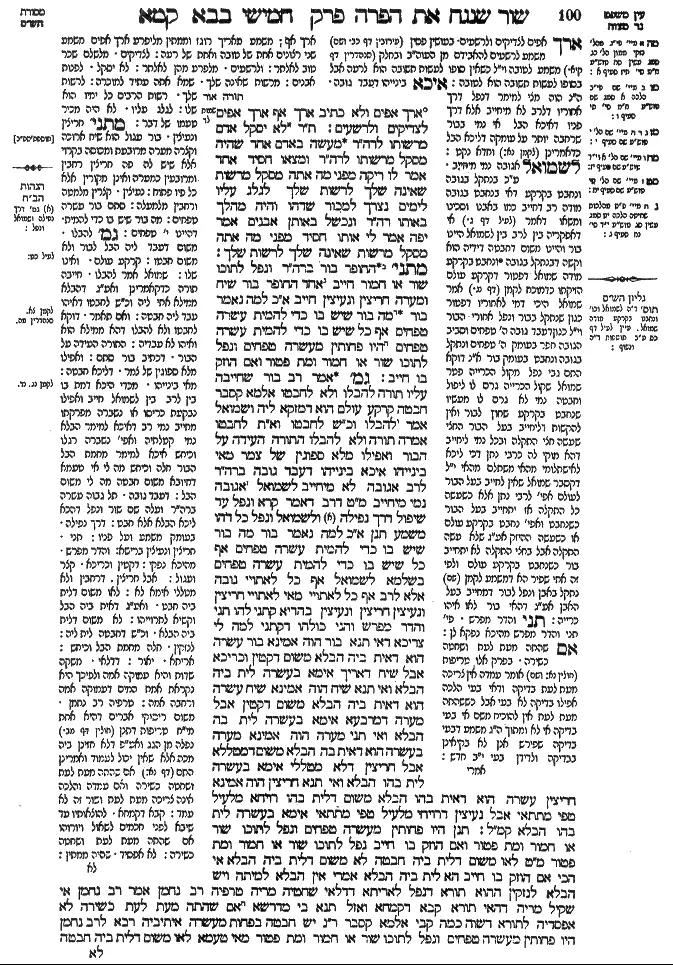
Bava Kamma 50b - Guemara
(שמות לד, ו) ארך אפים ולא כתיב ארך אף ארך אפים לצדיקים ולרשעים:
ת"ר לא יסקל אדם מרשותו לרה"ר מעשה באדם אחד שהיה מסקל מרשותו לרה"ר ומצאו חסיד אחד אמר לו ריקה מפני מה אתה מסקל מרשות שאינה שלך לרשות שלך לגלג עליו לימים נצרך למכור שדהו והיה מהלך באותו רה"ר ונכשל באותן אבנים אמר יפה אמר לי אותו חסיד מפני מה אתה מסקל מרשות שאינה שלך לרשות שלך:
מתני׳ החופר בור ברה"ר ונפל לתוכו שור או חמור חייב אחד החופר בור שיח ומערה חריצין ונעיצין חייב א"כ למה נאמר בור מה בור שיש בו כדי להמית עשרה טפחים אף כל שיש בו כדי להמית עשרה טפחים היו פחותין מעשרה טפחים ונפל לתוכו שור או חמור ומת פטור ואם הוזק בו חייב:
גמ׳ אמר רב בור שחייבה עליו תורה להבלו ולא לחבטו אלמא קסבר חבטה קרקע עולם הוא דמזקא ליה ושמואל אמר להבלו וכ"ש לחבטו וא"ת לחבטו אמרה תורה ולא להבלו התורה העידה על הבור ואפילו מלא ספוגין של צמר מאי בינייהו איכא בינייהו דעבד גובה ברה"ר לרב אגובה לא מיחייב לשמואל אגובה נמי מיחייב מ"ט דרב דאמר קרא ונפל עד שיפול דרך נפילה ולשמואל ונפל כל דהו משמע תנן א"כ למה נאמר בור מה בור שיש בו כדי להמית עשרה טפחים אף כל שיש בו כדי להמית עשרה טפחים בשלמא לשמואל אף כל לאתויי גובה אלא לרב אף כל לאתויי מאי לאתויי חריצין ונעיצין חריצין ונעיצין בהדיא קתני להו תני והדר מפרש והני כולהו דקתני למה לי צריכא דאי תנא בור הוה אמינא בור עשרה הוא דאית ביה הבלא משום דקטין וכריכא אבל שיח דאריך אימא בעשרה לית ביה הבלא ואי תנא שיח הוה אמינא שיח עשרה הוא דאית ביה הבלא משום דקטין אבל מערה דמרבעא אימא בעשרה לית בה הבלא ואי תני מערה הוה אמינא מערה בעשרה הוא דאית בה הבלא משום דמטללא אבל חריצין דלא מטללי אימא בעשרה לית בהו הבלא ואי תנא חריצין הוה אמינא חריצין עשרה הוא דאית בהו הבלא משום דלית בהו רויחא מלעיל טפי מתתאי אבל נעיצין דרויחי מלעיל טפי מתתאי אימא בעשרה לית בהו הבלא קמ"ל:
תנן היו פחותין מעשרה טפחים ונפל לתוכו שור או חמור ומת פטור ואם הוזק בו חייב נפל לתוכו שור או חמור ומת פטור מ"ט לאו משום דלית ביה חבטה לא משום דלית ביה הבלא אי הכי אם הוזק בו חייב הא לית ביה הבלא אמרי אין הבלא למיתה ויש הבלא לנזקין ההוא תורא דנפל לאריתא דדלאי שחטיה מריה טרפיה רב נחמן אמר רב נחמן אי שקיל מריה דהאי תורא קבא דקמחא ואזל תנא בי מדרשא אם שהתה מעת לעת כשירה לא אפסדיה לתורא דשוה כמה קבי אלמא קסבר ר"נ יש חבטה בפחות מעשרה איתיביה רבא לרב נחמן היו פחותין מעשרה טפחים ונפל לתוכו שור או חמור ומת פטור מאי טעמא לאו משום דלית ביה חבטה
Comments from Rashi on Masechet Bava Kamma Page 50b
ארך אף . משמע מאריך רוגז וממתין מליפרע ארך אפים משמע שני רצונים אחת של טובה ואחת של רעה: לצדיקים . מלשלם שכר טוב לאלתר: ולרשעים . מלפרע מהן לאלתר: לא יסקל . לפנות אבנים: לרשות שלך . רשות הרבים כל ימיו הוא שלו: מרשות שאינה שלך . שמא אתה עתיד למוכרה: לגלג עליו . לא היה מכיר טעמו של דבר: מתני' חריצין ונעיצין . בור עגול הוא שיח ארוכה וקצרה מערה מרובעת ומכוסה בקרוי אלא שיש לה פה חריצין רחבין ומרובעין כמערה ואינן מקורין אלא כל פיו פתוח: נעיצין . קצרין מלמטה ורחבין מלמעלה: סתם בור . עשרה טפחים: מה בור שיש בו כדי להמית . דהיינו י' טפחים: גמ' להבלו . משום דעבד ליה הבל לבור ולא משום חבטו: קרקע עולם . ואינו שלו: שמואל אמר להבלו . חייבה תורה כדקאמרינן ואע"ג דהבלא ממילא אתי ליה וכ"ש לחבטו דאיהו עבד ליה חבטה: ואם תאמר . דוקא לחבטו ולא להבלו דהא ממילא הוא ואיהו לא עבדיה: התורה העידה על הבור . דכתיב בור סתם: ואפילו מלא ספוגין של צמר . דליכא חבטה: מאי בינייהו . מכדי היכא דמת בו בין לרב בין לשמואל חייב ואפילו נבקעת כריסו או נשברה מפרקתו מחייב נמי רב דאיכא למימר הבלא נמי קטלתיה ואפי' נשברה רגלו וכיחש איכא למימר מחמת הבל הבור חלה וכיחש מה לי אי טעמא דחיובא משום חבטה מה לי משום הבל: דעבד גובה . תל גבוה עשרה ברה"ר ועלה שם שור ונפל דהכא ליכא הבלא אלא חבט: דרך נפילה . בעומק משמע ועל פניו: תני . חריצין ונעיצין ברישא: והדר מפרש . מהיכא נפקי: סתם בור . עשרה טפחים: דקטין וכריכא . קצר ועגול: אבל חריצין . דרחבין ולא מטללי אימא לא: לאו משום דלית ביה חבט . ואע"ג דאית ביה הבל וקשיא לתרוייהו: לא משום דלית ביה הבלא . וכ"ש דחבטה לית ליה: לנזקין . חלה מחמת הבל וכיחש: אריתא . יאור: דדלאי . משקה שדות והיא עמוקה אמה ולפיכך היא נקראת אמת המים דעמוקה אמה ורחבה אמה: טרפיה רב נחמן . משום ריסוקי אברים דהיא אחת מי"ח טריפות דתנן (חולין דף מב.) נפלה מן הגג ואע"פ דלא חזינן ביה מכה אלא שאין יכול לעמוד ואמרינן התם (דף נא:) אם שהתה מעת לעת ושחטה כשירה ואם עמדה והלכה אינה צריכה מעת לעת ושור זה לא עמד: קבא דקמחא . להוצאותיו עד שיבא לפני חכמים לשאול ויורוהו אם שהתה מעת לעת ושחטה כשירה: לא אפסיד . שהיה ממתין:
Comments from Tosafot - Bava Kamma 50b
ארך אפים לצדיקים ולרשעים . בעושין פסין (עירובין דף כב. ושם) משמע לרשעים להאבידם מן העוה"ב ובחלק (סנהדרין דף קיא.) משמע לטובה וי"ל כשאין סופו לעשות תשובה הוא לרעה אבל בסופו לעשות תשובה הוא לטובה: איכא בינייהו דעבד גובה . ה"נ הוה מצי למימר דנפל דרך אחוריו דלרב לא מיחייב אלא דרך פניו דאיכא הבל אי נמי בבור שרחבה יותר על עומקה דליכא הבל כדאמרינן (לקמן בבא קמא נא:) וחדא נקט: לשמואל אגובה נמי מיחייב . ע"כ בנתקל בגובה ונחבט בקרקע דאי בנחבט בגובה מודה רב דחייב כמו באבנו וסכינו ומשאו דאמר (לעיל בבא קמא דף ג.) אי דאפקריה בין לרב בין לשמואל היינו בור והיינו משום דחבטה דידיה הוא וקשה דבנתקל בגובה ונחבט בקרקע מודה שמואל דפטור דקרקע עולם הזיקתו כדמוכח לקמן (בבא קמא דף נג.) אמר שמואל היכי דמי לאחוריו דפטור כגון שנתקל בבור ונפל אחורי הבור וי"ל כגון דעבד גובה ה' טפחים וסביב הגובה חפר בעומק ה' טפחים ונתקל בגובה ונחבט בעומק בור א"נ דוקא התם גבי נפל מקול הכרייה פטר שמואל שקול הכרייה גרם לו ליפול וחבטה נמי לא גרם לו מעשיו שנחבט בקרקע שחוץ לבור ואין להקשות דליחייב בעל הבור החצי שעשה חצי התקלה ובכל נמי ליחייב דהא מוקי לה כרבי נתן דכי ליכא לאישתלומי מהאי משתלם מהאי י"ל דקסבר שמואל שאין לחייב בעל הבור לעולם אפי' לרבי נתן אלא כשעשה כל התקלה אז יתחייב בעל הבור כשנחבט ואפי' נחבט בקרקע עולם או כשעשה ההיזק אע"ג שלא עשה התקלה אבל בחצי התקלה לא יתחייב בור כשנחבט בקרקע עולם ולפי זה אתי שפיר הא דמשמע לקמן (שם) נתקל באבן ונפל לבור דמחייב בעל האבן אע"ג דהאי בור לאו איהו כרייה: תני והדר מפרש . פי' תני והדר מפרש מהיכא נפקא לן: אם שהתה מעת לעת ושחטה כשירה . בפרק אלו טריפות (חולין נא: ושם) אומר עמדה אין צריכה מעת לעת בדיקה ודאי בעי הלכה אפילו בדיקה לא בעי אבל כששהתה מעת לעת אין להוכיח משם אי בעי בדיקה אי לא ומתוך ה"ג משמע דבעי בדיקה שפירש אנן לא בקיאינן בבדיקה ולדידן בעי י"ב חדש:
Bava Kamma 50b - Mishnah translated into english
in the verse that recounts the thirteen attributes of mercy: “Long-suffering [erekh appayim]” (Exodus 34:6), using the plural form, and it is not written as erekh af, in the singular? In order to teach that He is long-suffering for both the righteous and for the wicked and does not punish them immediately for their transgressions.
§ The Sages taught: A person should not throw stones from his property into the public domain. An incident occurred involving a certain individual who was throwing stones from his property into the public domain, and a certain pious man found him. The latter said to him: Lowlife [reika], for what reason are you throwing stones from property that is not yours into your property? The man mocked him, as he did not understand what he meant, as the property from which he was throwing stones was his.
Some days later, he was forced to sell his field from which he had thrown the stones. And he was walking in the same public domain into which he had thrown them, and he stumbled on those same stones. He said: That pious man said it well to me when he said: For what reason are you throwing stones from property that is not yours into your own property, since that property no longer belongs to me, and only the public domain remains mine to use.
MISHNA: In the case of one who digs a pit in the public domain and an ox or a donkey fell into it, he is liable. The halakha is the same for one who digs either a pit; a ditch, which is narrow and long; or a cave, which is rectangular and roofed; trenches and water channels. In all these cases he is liable. If so, why is the verse stated as referring to a pit, as it states: “And if a man shall open a pit” (Exodus 21:33)? To teach that just as a pit that has sufficient depth to cause death when falling into it is at least ten handbreadths deep, so too, any other excavations that have sufficient depth to cause death may be no less than ten handbreadths. If any of the types of excavations were less than ten handbreadths deep, and an ox or a donkey fell into one of them and died, the digger of the excavation is exempt. But if it was injured in it, not killed, he is liable to pay damages.
GEMARA: Rav says: Damage by Pit for which the Torah obligates one to pay is referring specifically to damage caused by the pit’s lethal fumes, i.e., suffocation, but not to damage caused by the impact of hitting the ground, for which the digger of the pit is exempt from paying compensation. The Gemara continues to explain: Apparently, it can be inferred that Rav maintains that with regard to the impact of hitting the bottom of the pit, it is merely the ground that injures him. The digger of the pit does not own the ground, so it is not a case where his property caused damage. Therefore, he does not bear responsibility for the damage.
And Shmuel says: The Torah renders one liable for damage caused by its lethal fumes, and all the more so for damage resulting from the impact. Shmuel adds: And if you say that the Torah spoke only about liability for its impact and not for its lethal fumes, one could respond that the Torah testifies about a pit without specifying for which type of pit one is liable, and this includes even a pit full of woolen sponges [sefogin], which would completely absorb the impact.
The Gemara asks: What is the difference between the opinions of Rav and Shmuel, given that falling into any pit involves injury due to both the lethal fumes and the impact? The Gemara answers: The practical difference between them is in the case where one fashioned a mound with a height of ten handbreadths in the public domain without digging, and an animal fell from this raised platform and died. According to Rav, the one who fashioned the mound is not liable for damage by Pit in the case of a mound, since there are no fumes, as the animal fell to the level ground. By contrast, according to Shmuel, he is also liable for damage by Pit in the case of a mound, since there is nevertheless an impact when hitting the ground.
The Gemara asks: What is the source for the reasoning of Rav, that one is not liable in that case? The Gemara answers: Since the verse states: “And an ox or a donkey fall therein” (Exodus 21:33), indicating that there is no liability for damage by Pit unless the animal falls in the normal manner of falling, but not where it first climbed onto an elevated surface and then fell from there to the level ground. And according to Shmuel, the term: “And an ox or a donkey fall,” indicates any manner of falling, regardless of whether the animal fell into a hole or fell to the ground from an elevated surface.
The Gemara challenges Rav’s opinion: We learned in the mishna: If so, why is the verse stated as referring to a pit, as it states: “And if a man shall open a pit” (Exodus 21:33)? To teach that just as a pit that has sufficient depth to cause death when falling into it is at least ten handbreadths deep, so too, any other excavations that have sufficient depth to cause death may be no less than ten handbreadths. Now, granted that according to Shmuel, the term: So too, any other, serves to include the case where the animal fell from a height of ten handbreadths, in which case the one who fashioned the mound would also be liable. But according to Rav, who exempts him in that case, what does the term: So too, any other, add?
The Gemara answers: According to Rav, it serves to include trenches and water channels. The Gemara asks: But trenches and water channels are explicitly taught in the mishna. Why does the mishna then allude to them again? The Gemara answers: It first teaches the halakha about them and then explains its source in the Torah.
Having mentioned these details, the Gemara asks: And why do I need all these cases that are taught by the mishna? The Gemara answers: They are necessary, for had it taught only the case of a pit, I would say that it is specifically a pit of ten handbreadths that contains lethal fumes, because it is constricted and round. Therefore, this measurement suffices to cause death. But concerning a ditch, which is long, say that in a case where it is ten handbreadths deep, there are no lethal fumes and there is no liability. Therefore, the mishna teaches both the case of a pit and a ditch.
And furthermore, had the mishna taught the case of a ditch in addition to the pit, I would say that it is specifically a ditch of ten handbreadths that contains the necessary lethal fumes, because it is narrow. But concerning a cave, which is rectangular and not narrow, say that in a case where it is ten handbreadths deep, there are no lethal fumes and there is no liability. Therefore, the mishna teaches the case of a cave as well.
And furthermore, had the mishna taught the case of a cave in addition to the previous two, I would say that it is specifically a cave of ten handbreadths that contains lethal fumes, because it is covered. But concerning trenches, which are not covered, say that at a depth of ten handbreadths, there are no lethal fumes and there is no liability. Therefore, the mishna also teaches the case of trenches.
And finally, had the mishna taught the case of trenches in addition to the previous three, I would say that it is specifically trenches of ten handbreadths that contain lethal fumes, since they are no wider at the top than at the bottom. But with regard to channels, which are wider at the top than at the bottom, say that at a depth of ten handbreadths there are no lethal fumes and there is no liability. Therefore, the mishna teaches us the case of channels as well, and each subsequent case listed contains a novel aspect.
The Gemara raises a further challenge from that which we learned in the mishna: If any of the types of excavations were less than ten handbreadths deep, and an ox or a donkey fell into one of them and died, the digger of the excavation is exempt. But if it was injured, not killed, he is liable to pay damages. What is the reason for the ruling of: If an ox or a donkey fell into it and died, he is exempt? Is it not because at this height there is not sufficient impact, although there are lethal fumes?
The Gemara responds: No, he is exempt because there are no lethal fumes. The Gemara challenges this: If that is so, that a pit less than ten handbreadths deep lacks sufficient lethal fumes, why is the one who dug it liable if the animal is injured; but there are no lethal fumes? The Gemara answers: There are not sufficient fumes to cause death, but there are sufficient fumes to cause damage.
The Gemara relates: There was a certain ox that fell into a water channel [la’arita dedala’ei] whose depth was one cubit, i.e., six handbreadths. Because it suffered the impact of the fall, its owner assumed it would die and slaughtered it first, in order to eat the meat. Rav Naḥman, who was concerned that its organs were crushed by the fall, deemed it an animal with a condition that will cause it to die within twelve months [tereifa], which it is prohibited to consume.
Furthermore, Rav Naḥman said: If the owner of this ox had taken a kav of flour to bake into bread to eat instead of slaughtering his animal for its meat, and gone and learned in the study hall that although an ox that falls and hits the ground is considered tereifa if slaughtered immediately, if the animal remained alive for twenty-four hours and is then slaughtered, it is fit to eat, he would not have lost his ox that was worth several kav of flour. The Gemara notes: Apparently, Rav Naḥman maintains that there is an impact caused even by a pit that is less than ten handbreadths, as Rav Naḥman was concerned in this case that its organs were crushed and it was fatally wounded.
Rava raised an objection to the opinion of Rav Naḥman from the mishna: If any of the types of excavations were less than ten handbreadths deep, and an ox or a donkey fell into one of them and died, he is exempt. What is the reason for this? Is it not because there is no significant impact capable of causing death? If so, why is this animal deemed a tereifa?
Traduction : The William Davidson digital edition of the Koren Noé Talmud, with commentary by Rabbi Adin Even-Israel Steinsaltz.