 Talmud Bavli
Eruvin 87a : Youtube
Rabi Yitzchok LobensteinYoutube
2 video classes :
Eruvin Page 87a
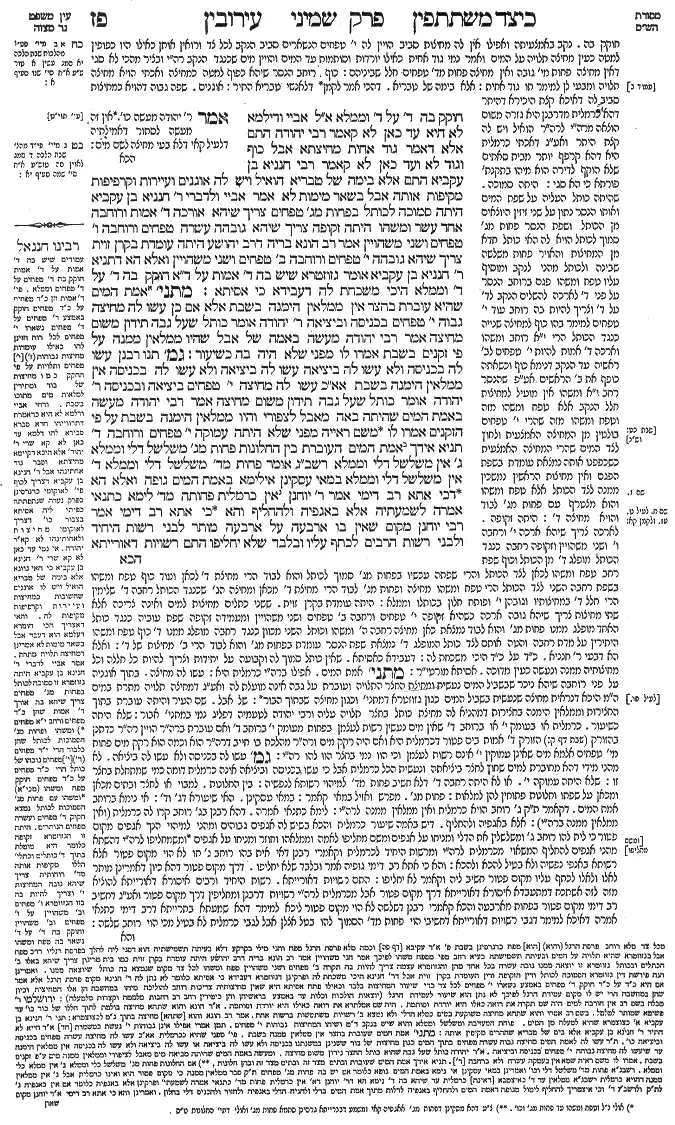
Eruvin 87a - Guemara
חוקק בה ד' על ד' וממלא א"ל אביי ודילמא לא היא עד כאן לא קאמר רבי יהודה התם אלא דאמר גוד אחית מחיצתא אבל כוף וגוד לא ועד כאן לא קאמר רבי חנניא בן עקביא התם אלא בימה של טבריא הואיל ויש לה אוגנים ועיירות וקרפיפות מקיפות אותה אבל בשאר מימות לא אמר אביי ולדברי ר' חנניא בן עקביא היתה סמוכה לכותל בפחות מג' טפחים צריך שיהא אורכה ד' אמות ורוחבה אחד עשר ומשהו היתה זקופה צריך שיהא גובהה עשרה טפחים ורוחבה ו' טפחים ושני משהויין אמר רב הונא בריה דרב יהושע היתה עומדת בקרן זוית צריך שיהא גובהה י' טפחים ורוחבה ב' טפחים ושני משהויין ואלא הא דתניא ר' חנניא בן עקביא אומר גזוזטרא שיש בה ד' אמות על ד"א חוקק בה ד' על ד' וממלא היכי משכחת לה דעבידא כי אסיתא:
מתני׳ אמת המים שהיא עוברת בחצר אין ממלאין הימנה בשבת אלא אם כן עשו לה מחיצה גבוה י' טפחים בכניסה וביציאה ר' יהודה אומר כותל שעל גבה תידון משום מחיצה אמר רבי יהודה מעשה באמה של אבל שהיו ממלאין ממנה על פי זקנים בשבת אמרו לו מפני שלא היה בה כשיעור:
גמ׳ תנו רבנן עשו לה בכניסה ולא עשו לה ביציאה עשו לה ביציאה ולא עשו לה בכניסה אין ממלאין הימנה בשבת אא"כ עשו לה מחיצה י' טפחים ביציאה ובכניסה ר' יהודה אומר כותל שעל גבה תידון משום מחיצה אמר רבי יהודה מעשה באמת המים שהיתה באה מאבל לצפורי והיו ממלאין הימנה בשבת על פי הזקנים אמרו לו משם ראייה מפני שלא היתה עמוקה י' טפחים ורוחבה ד' תניא אידך אמת המים העוברת בין החלונות פחות מג' משלשל דלי וממלא ג' אין משלשל דלי וממלא רשב"ג אומר פחות מד' משלשל דלי וממלא ד' אין משלשל דלי וממלא במאי עסקינן אילימא באמת המים גופה ואלא הא דכי אתא רב דימי אמר ר' יוחנן אין כרמלית פחותה מד' לימא כתנאי אמרה לשמעתיה אלא באגפיה ולהחליף והא כי אתא רב דימי אמר רבי יוחנן מקום שאין בו ארבעה על ארבעה מותר לבני רשות היחיד ולבני רשות הרבים לכתף עליו ובלבד שלא יחליפו התם רשויות דאורייתא
Comments from Rashi on Masechet Eruvin Page 87a
חוקק בה . נקב באמצעיתה ואפילו אין לה מחיצות סביב הויין לה י' טפחים הנשארים סביב הנקב לכל צד ורואין אותן כאילו היו כפופין למטה כעין מחיצה תלויה על המים ואמר נמי גוד אחית כאילו יורדות וסותמות עד המים והויין מים שכנגד הנקב רשות היחיד ובציר מהכי לא סגי דאין מחיצה פחות מי' גובה ואין מחיצה פחות מד' טפחים חלל שביניהם: כוף . רוחב הנסר שיהא כפוף למטה כמחיצה ואכתי הויא מחיצה תלויה ומבעי לן למימר תו גוד אחית: אלא בימה של טבריא . דהכי אמר לקמן דלאנשי טבריא התיר: אוגנים . שפה גבוה דהויא כמחיצות סביב לה דאיכא קצת הכירא דהיתר דהא כרמלית מדרבנן היא גזרה משום הוצאה מרה"י לרה"ר הואיל ויש לה קצת היתר ואע"ג דאכתי כרמלית היא דהא קרפף יותר מבית סאתים שלא הוקף לדירה הוא מיהו בתקנתא פורתא כי הא סגי: היתה סמוכה . שהיתה כותל העליה על שפת המים ואותו הנסר נתון על שני זיזין היוצאים מן הכותל ושפת הנסר פחות מג' סמוך לכותל הויא לה האי כותל חדא מן המחיצות והאויר פחות משלשה שבינה ולכותל מהני לנקב ומוסיף עליו טפח ומשהו פגם ברוחב הנסר על פני ד' לארכה להשלים הנקב לד' על ד' וצריך להיות בה רוחב עוד י' טפחים למימר בהו כוף למחיצה שנייה כנגד הכותל הרי י"א רוחב ומשהו וארכה ד' אמות להיות י' טפחים לב' ראשיה עד הנקב דנימא כוף וכשאתה כופף את ב' הראשים אע"פ שהנסר רחב י"א ומשהו אין מועיל למחיצות חלל הנקב אלא טפח ומשהו מזה וטפח ומשהו מזה שהרי י' טפחים בולטין מן המחיצה האמצעית ולחוץ לצד המים שהרי המחיצה האמצעית כשכפפנו אותה נמצאת עומדת בשפת הפגם ואין מחיצות הראשין נמשכין ממנה לצד הכותל אלא טפח ומשהו והוא מצטרף עם פחות משלשה לבוד והויא מחיצה ד': היתה זקופה . לארכה צריך שיהא ארכה י' ורחבה ו' ושני משהויין וזקופה רחבה כנגד הכותל מופלג ד' מן הכותל וכוף שפת רחב טפח ומשהו לכאן לצד הכותל והרי שפתה עכשיו בפחות מג' סמוך לכותל והוא לבוד הרי מחיצת ד' לכאן ועוד כוף טפח ומשהו בשפת רחבה השני לצד הכותל הרי טפח ומשהו מחיצה ופחות מג' לבוד הרי מחיצת ד' מכאן ומחיצה הג' שכנגד הכותל רחבה ד' שלימין הרי חלל ד' במחיצותיו וגובהן י' ופותח חלון בכותלו וממלא: היתה עומדת בקרן זוית . ששני כתלים מחיצות למים ואינה צריכה אלא שתי מחיצות צריך שיהא גובה ארכה כשהיא זקופה י' טפחים ורחבה ב' טפחים ושני משהויין ומעמידה זקופה שפת עוביה כנגד כותל האחד מופלג ממנו פחות מג' והוא לבוד נמצאת כאן מחיצה רחבה ה' ומשהו וכותל השני מכוון כנגד רחבה מופלג ממנו ד' כוף טפח ומשהו היתירין על מדת רחבה והטה אותם לצד כותל המופלג ד' נמצאת שפת הנסר עומדת בפחות מג' והוא לבוד הרי ב' מחיצות של ד': ואלא הא דבעי ר' חנניא . כ"ד על כ"ד היכי משכחת לה: דעבידא כאסיתא . שאין כותל סמוך לה וקבועה על יתידות וצריך להיות כל חללה וכל מחיצותיה ממנה ונעשה כעין מדוכה. אסיתא מורטי"ר: מתני' אמת המים . אפילו ברה"י כרמלית היא: עשו לה מחיצה . בתוך אוגניה על פני רוחבה שיהא ניכר שבשביל המים נעשית ומחיצת החצר התלויה ועוברת על גבה אינה מועלת לה ואע"ג דמחיצה תלויה מתרת במים ה"מ היכא דנראית מחיצה שנעשית בשביל המים כגון גזוזטרא דמתני' וכגון מחיצה שבתוך הבור: של אבל . שם העיר והיתה עוברת בתוך החצירות וממלאין הימנה בחצירות דמהניא לה מחיצת כותל בחצר תלויה עליה ורבי יהודה לטעמיה דפליג נמי במתני' אבור: שלא היתה כשיעור . כרמלית או בעומק י' או ברוחב ד' שאין מים נעשין רשות לעצמן בפחות מעומק י' ברוחב ד' ואם עוברת ברה"ר הויין רה"ר כדתנן בהזורק (שבת דף ק:) הזורק ד' אמות בים פטור דכרמלית היא ואם היה רקק מים ורה"ר מהלכת בו חייב דרה"ר הוא וכמה הוא רקק מים פחות מי' טפחים אלמא מים שאינן עמוקין י' אינם רשות לעצמן וכי הוו נמי בחצר הוו להו רה"י: גמ' עשו לה בכניסה ולא עשו לה ביציאה . לא מהני מידי דהא מחוברת למים שחוץ לחצר ביציאתה ונעשית הכל כרמלית אבל כי עשו בכניסה וביציאה אינה כרמלית דומה כמי שמתחלת בחצר זו: שלא היתה עמוקה י' . או לא היתה רחבה ד' דלא חשיב פחות מד' למיהוי רשותא לנפשיה: בין החלונות . למבוי או לחצר ובתים מכאן ומכאן על שפתו וחלונות פתוחין להן למלאות: פחות מג' . מפרש ואזיל במאי קאמר: במאי עסקינן . האי שיעורא דג' וד': אי נימא ברוחב אמת המים . דקאמר ת"ק ג' רוחב הויא כרמלית ואין ממלאין ממנה לרה"י: לימא כתנאי אמרה . דהא רבנן בג' רוחב קרו לה כרמלית (ואין ממלאין ממנה ברה"י): אלא באגפיה ולהחליף . דיש באמה שיעור כרמלית והכא בשיש לה אגפים גבוהים ומהני למיהוי הנך אגפים מקום פטור כי לית להו רוחב ג' ומשלשלין את הדלי ומניחו על אגפים ומשם מחליפו לאמה וממלאהו וחוזר ומניחו על אגפים ומשמחליפו לרה"י דהשתא מהני אגפים להחליף המשאוי מכרמלית לרה"י ומרשות היחיד לכרמלית וקאמרי רבנן דאי אית בהו רוחב ג' תו לא הוי מקום פטור אלא רשותא באנפי נפשיה ולא בטיל להכא ולהכא: והא כי אתא רב דימי גופיה אמר ובלבד שלא יחליפו . דרך מקום פטור דהא כיון דאמרינן מותר לאלו ולאלו לכתף עליו מקום פטור חשיב ליה וקאמר לא יחליפו: התם רשויות דאורייתא . רשות היחיד ורבים איסורא דאורייתא להוציא מזה לזה אשתכח דמתעבדא איסורא דאורייתא דרך מקום פטור אבל מכרמלית לרה"י רשויות דרבנן ומחליפין דרך מקום פטור ואע"ג דחשיב רב דימי מקום פטור בפחות מארבעה והכא קאמרי רבנן דשלשה לא הוי מקום פטור ליכא למימר דהא שמעתא בתרייתא דרב דימי כתנאי אמרה דאיכא למימר דגבי רשויות דאורייתא דחשיבי הוי פחות מד' הסמוך להו בטל אצלן אבל לגבי כרמלית לא בטיל מכי הוי רוחב שלשה:
Comments from Tosafot - Eruvin 87a
אמר ר' יהודה מעשה כו' . אין זה מעשה לסתור דאמילתיה דלעיל קאי דלא בעי מחיצה לשם מים:
Eruvin 87a - Mishnah translated into english
one may carve in it a hole of four by four handbreadths and draw water through it. Even if there are no actual partitions around the hole, the section surrounding the hole is considered as though it were bent downward and formed partitions ten handbreadths high on all sides. Consequently, it is permitted to draw water through the hole.
Abaye said to him: But perhaps that is not so, as we can distinguish between the opinions. It is possible that Rabbi Yehuda stated his opinion only there, with regard to the wall of the courtyard and the cistern, as he said that we rely on the halakhic principle of extend and lower the partition. The partition above the cistern is considered as though it descended to the bottom. But the principle of bend the partition and extend it downward, as suggested by Rabbi Ḥananya ben Akavya, no, he does not accept this principle.
And we can likewise say that Rabbi Ḥananya ben Akavya stated his opinion only there, in the case of the balcony, with regard to the Sea of Tiberias, i.e., the Sea of Galilee, since it has clearly defined banks around it, and towns and enclosures surround it on all sides. The Sea of Galilee is surrounded by clear boundaries on all sides and is therefore somewhat similar to a private domain in appearance. Consequently, even a minor adjustment is sufficient. However, with regard to other waters, no, Rabbi Ḥananya ben Akavya did not permit this practice.
Abaye said: And according to the statement of Rabbi Ḥananya ben Akavya, if the balcony was less than three handbreadths away from the wall, it is permitted to draw water from it in the following circumstances: Its length must be four cubits, and its width must be eleven handbreadths and any amount. By carving out a hole of slightly more than one handbreadth by four handbreadths on the side near the wall, alongside the other three handbreadths, one creates a hole of four handbreadths by four handbreadths. This hole is surrounded by partitions ten handbreadths high on each side. How so? The wall itself is one partition. The four-cubit length is viewed as bent down on both sides of the hole, forming two partitions of ten handbreadths; the remaining ten handbreadths of the width is seen as though it were bent down, which creates a partition on the fourth side of the balcony.
If the balcony was upright, i.e., it had upright partitions on all sides (Rabbeinu Ḥananel), the height of these partitions must be ten handbreadths, and the width of the balcony must be six handbreadths and two minimal amounts. This leaves slightly more than a handbreadth on each side of the hole of four handbreadths, on which he can stand.
Rav Huna, son of Rav Yehoshua, said: If it was positioned in a corner between two walls (Rabbeinu Ḥananel), the height of the partition must be ten handbreadths, and the requisite width of the balcony must be two handbreadths and two minimal amounts. As he is able to stand, he is provided with actual partitions.
The Gemara asks: However, with regard to that which is taught in a baraita that Rabbi Ḥananya ben Akavya said: If a balcony that has an area of four cubits by four cubits is suspended above water, one carves in it a hole of four by four handbreadths and then draws water through it, under what circumstances can a balcony with these dimensions be found?
The Gemara answers: It is necessary in the case of a balcony that is built in the shape of a mortar, where the balcony is positioned over the water on its own pillars and far removed from any wall. In that case, all of the partitions must be constructed from its floor space. And the balcony must be four cubits by four cubits in size.
MISHNA: With regard to a water channel that passes through a courtyard, the residents may not draw water from it on Shabbat, unless they erected for it a partition ten handbreadths high at the entrance and at the exit of the courtyard. Rabbi Yehuda says: There is no need for a special partition, as the wall that runs on top of it, i.e., the courtyard wall, is considered as a partition.
Rabbi Yehuda said: There was an incident involving a water channel that passed through the courtyards of the town of Avel, from which the residents would draw water from it on Shabbat by the authority of the Elders, relying on the courtyard wall suspended above it. They said to him: It is due to the fact that channel was not of the size that requires a partition, i.e., it was less than ten handbreadths deep or less than ten handbreadths wide, it was permitted to draw water from it even without a partition.
GEMARA: The Sages taught in a baraita: If they erected a partition for the water channel at the entrance but they did not erect one for it at the exit, or if they erected a partition for it at the exit but they did not erect one for it at the entrance, one may not draw water from it on Shabbat, unless they erected for it a partition ten handbreadths high both at the exit and at the entrance. Rabbi Yehuda says: The wall that runs on top of it, i.e., the courtyard wall, is considered as a partition. Therefore, there is no need for a special partition.
Rabbi Yehuda said: There was an incident involving the water channel that went from Avel to Tzippori, and the residents would draw water from it on Shabbat by the authority of the Elders, without any additional partition.
They said to him: Are you trying to bring a proof from there? That was either due to the fact that the channel was not ten handbreadths deep or because it was not four handbreadths wide. It lacked the requisite measure to be considered a domain in its own right. Everyone agrees that it is permitted to draw water from it even without an additional partition.
It was taught in another baraita: With regard to a water channel that passes between the windows of two houses, if it is less than three handbreadths, one may lower a bucket from the window and draw water from it; however, if it is three handbreadths, one may not lower a bucket and draw water from it. Rabban Shimon ben Gamliel says: If it is less than four handbreadths, one may lower a bucket and draw water from it; but if it is at least four handbreadths, one may not lower a bucket and draw water.
With regard to these measures of three and four handbreadths, the Gemara asks: With what are we dealing here? If you say this halakha is referring to the water channel itself, that it was three or four handbreadths wide, this presents a difficulty, for when Rav Dimi came from Eretz Yisrael to Babylonia, he said that Rabbi Yoḥanan said: A karmelit cannot be less than four handbreadths wide. The karmelit is an intermediate domain established by the Sages, whose status is between a public and a private domain. Any open area that is not a public thoroughfare, e.g., a field, sea, river, alleyway, or a lane, is classified as a karmelit. It is prohibited to carry an article four cubits within a karmelit, or to transfer an object from a private domain or a public domain to a karmelit, or vice versa. One who draws water through a window from a water channel into a house has carried from a karmelit to a private domain. Consequently, if the tanna’im of the baraita dispute the width of the channel, they are in effect disagreeing about the minimal size of a karmelit.
The Gemara resumes its question: Let us say, then, that the teaching that Rav Dimi cited, that a karmelit cannot be less than four handbreadths wide, was actually the subject of a dispute of tanna’im and not a unanimous halakha.
The Gemara rejects the previous explanation. Rather, the measure of three or four handbreadths is referring not to the channel itself but to the banks of the channel, and it is stated with regard to an act of exchange. The dispute here does not concern the measure of a karmelit, but the measure of an exempt domain. It is permitted to transfer the empty bucket from the window, which is a private domain, by way of the channel’s banks, which are exempt domains, to the water channel, which is a karmelit, and back again with the full bucket.
The Gemara raises a difficulty: But when Rav Dimi came from Eretz Yisrael to Babylonia, he said that Rabbi Yoḥanan said: A place that does not have an area of four by four handbreadths is an exempt domain. Consequently, if this place is situated between a public domain and a private domain, it is permitted for both the people of the private domain and for the people of the public domain to adjust the burdens on their shoulders on it, provided that they do not exchange objects between them via the exempt domain. How, then, can the bucket be transferred from the window to the channel, and vice versa, by means of the banks?
The Gemara answers: There, Rav Dimi is referring to domains by Torah law, i.e., this halakha involves the transfer of objects from a private domain to a public domain via an exempt domain. The Sages forbade this activity, so that people would not transfer objects directly from the private domain to the public domain.
Traduction : The William Davidson digital edition of the Koren Noé Talmud, with commentary by Rabbi Adin Even-Israel Steinsaltz.