 Talmud Bavli
Eruvin 78a : Youtube
Rabi Yitzchok LobensteinYoutube
2 video classes :
Eruvin Page 78a
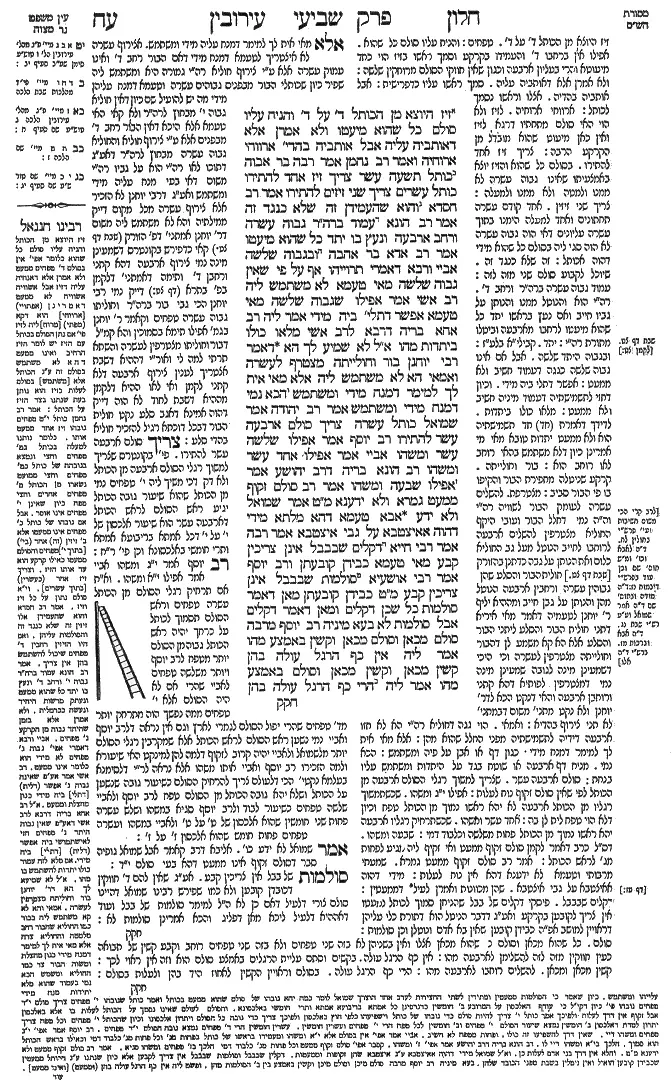
Eruvin 78a - Guemara
זיז היוצא מן הכותל ד' על ד' והניח עליו סולם כל שהוא מיעטו ולא אמרן אלא דאותביה עליה אבל אותביה בהדי' ארווחי ארוחיה ואמר רב נחמן אמר רבה בר אבוה כותל תשעה עשר צריך זיז אחד להתירו כותל עשרים צריך שני זיזים להתירו אמר רב חסדא והוא שהעמידן זה שלא כנגד זה אמר רב הונא עמוד ברה"ר גבוה עשרה ורחב ארבעה ונעץ בו יתד כל שהוא מיעטו אמר רב אדא בר אהבה ובגבוה שלשה אביי ורבא דאמרי תרוייהו אף על פי שאין גבוה שלשה מאי טעמא לא משתמש ליה רב אשי אמר אפילו שגבוה שלשה מאי טעמא אפשר דתלי' ביה מידי אמר ליה רב אחא בריה דרבא לרב אשי מלאו כולו ביתדות מהו א"ל לא שמיע לך הא דאמר רבי יוחנן בור וחולייתה מצטרף לעשרה ואמאי הא לא משתמש ליה אלא מאי אית לך למימר דמנח מידי ומשתמש הכא נמי דמנח מידי ומשתמש אמר רב יהודה אמר שמואל כותל עשרה צריך סולם ארבעה עשר להתירו רב יוסף אמר אפילו שלשה עשר ומשהו אביי אמר אפילו אחד עשר ומשהו רב הונא בריה דרב יהושע אמר אפילו שבעה ומשהו אמר רב סולם זקוף ממעט גמרא ולא ידענא מ"ט אמר שמואל ולא ידע אבא טעמא דהא מלתא מידי דהוה אאיצטבא על גבי איצטבא אמר רבה אמר רבי חייא דקלים שבבבל אינן צריכין קבע מאי טעמא כבידן קובעתן ורב יוסף אמר רבי אושעיא סולמות שבבבל אינן צריכין קבע מ"ט כבידן קובעתן מאן דאמר סולמות כל שכן דקלים ומאן דאמר דקלים אבל סולמות לא בעא מיניה רב יוסף מרבה סולם מכאן וסולם מכאן וקשין באמצע מהו אמר ליה אין כף הרגל עולה בהן קשין מכאן וקשין מכאן וסולם באמצע מהו אמר ליה הרי כף הרגל עולה בהן
Comments from Rashi on Masechet Eruvin Page 78a
זיז היוצא מן הכותל ד' על ד' . טפחים: והניח עליו סולם כל שהוא . אפילו אין ברחבו ד' והעמידו בקרקע וסמך ראשו בזיז הוי כחד מיעוטא והרי בעליון ארבעה וכגון שאין חווקי הסולם מרוחקין שלשה: ולא אמרן אלא דאותביה עליה . סמך ראשו עליו כדפרישית: אבל אותביה בהדיה . אצלו וראשו נסמך לכותל: ארווחי ארוחיה . לזיז ולא הוי האי סולם מתחתיו דרגא לזיז ואין כאן מיעוט שהוא מובדל מן הקרקע הרבה: צריך זיז אחד להתירו . בסולם כל שהוא והזיז יוצא באמצעיתו שאינו גבוה עשרה לא ממנו ולמטה ולא ממנו ולמעלה: צריך שני זיזין . אחד קודם עשרה תחתונים ואחד למעלה הימנו בתוך עשרה עליונים דאי הוה גבוה עשרה לא הוה סגי ליה בסולם כל שהוא מידי דהוה אכותל: זה שלא כנגד זה . שיוכל לקבוע סולם שני מזה לזה: עמוד גבוה עשרה ברה"ר ורחב ד' . רה"י הוא והנוטל ממנו והנותן על גביו חייב ואם נעץ בראשו יתד כל שהוא מיעטו לרחבו מארבעה וביטלו מתורת רה"י: יתד . קבילי"א בלע"ז: ובגבוה היתד שלשה . אבל אם אינו גבוה שלשה כגגה דעמוד חשיב ולא ממעט: אפשר דתלי ביה מידי . וכיון דחזי לתשמישתיה דעמוד מיניה חשיב ולא ממעט: מלאו כולו ביתדות . לדידך דאמרת (חד) חד תשמישתיה הוא ולא ממעט יתדות טובא מאי מי אמרינן כיון דלא משתמש בהאי רוחב לאו רוחב הוא: בור וחולייתה . קרקע שניטלה מחפירת הבור והקיפו בו פי הבור סביב: מצטרפת . להשלים עשרה לעומק הבור לשוויה רה"י וה"ה נמי דחלל הבור ועובי היקף החוליא מצטרפין להשלים ארבעה לרוחבו לחייב הנוטל מעל גב החוליא כלום ואת הנותן על גבה כדתנן בהזורק [שבת דף צט.] חולית הבור והסלע שהן גבוהין עשרה ורחבין ארבעה הנוטל מהן והנותן על גבן חייב ומההיא יליף ר' יוחנן לטעמיה דאמר מאי איריא דתני חולית הבור והסלע ליתני הבור והסלע אלא הא קא משמע לן דהבור וחולייתה מצטרפין לעשרה וכי היכי דשמעינן מינה לגובה שמעינן מינה נמי דמצטרפין לפותיא דהא קתני ורוחבן ארבעה והאי דנקט הכא לדר' יוחנן ולא נקט מתני' משום דבמתני' לא תני צירוף בהדיא: ואמאי . הוי גגה דחוליא רה"י הא לא חזו ארבעה דידיה לתשמישתיה מפני החלל שהוא מהן: אלא מאי אית לך למימר דמנח מידי . כגון דף או אבן על פיה ומשתמש: הכא נמי . מניח דף ארבעה או שוטח בגד על היתדות ומשתמש עליו בנחת: סולם ארבעה עשר . שצריך למשוך רגלי הסולם ארבעה מן הכותל לפי שאין סולם זקוף נוח לעלות: אפילו י"ג ומשהו . שכשתמשוך רגליו מן הכותל ארבעה לא יהא ראשו נמוך מן הכותל טפח וכיון דלא הוי טפח לית לן בה: אחד עשר ומשהו . שכשתרחיק רגליו ארבעה יהא ראשו מן מן הכותל פחות משלשה וכלבוד דמי: שבעה ומשהו . דס"ל כרב דאמר לקמן סולם זקוף ממעט ואי זקיף ליה מגיע לפחות מג' לראש הכותל: אמר רב סולם זקוף ממעט גמרא . שמעתי מרבותי וטעמא לא ידענא דהא אין נוח לעלות: מידי דהוה אאיצטבא על גבי איצטבא . שהן מכוונות ואמרן לעיל דממעטין: דקלים שבבבל . פיסקי דקלים של בבל שהניחן סמוך לכותל למעטו אין צריך לקובען בקרקע ואע"ג דדבר הניטל הוא דתורת כלי עליהן דראויין למושב אפ"ה כבידן קובען שאין בא אדם ונוטלן וכן סולמות: סולם . כל שהוא מכאן וסולם כל שהוא מכאן אצלו ואין בשניהן לא בזה שני טפחים ולא בזה שני טפחים רוחב וקבע קשין של תבואה כעין חווקין מזה לזה להשלימן לארבעה מהו: אין כף הרגל עולה . בקשים וסתם עליית הרגלים באמצע סולם הוא וזה אין ראוי לכך: קשין מכאן ומכאן . להשלים רוחבו לארבעה מהו: הרי כף הרגל עולה . בסולם וראויין הקשין לאחוז היד בהן ולעלות בסולם:
Comments from Tosafot - Eruvin 78a
אלא מאי אית לך למימר דמנח עליה מידי ומשתמש . אצירוף עשרם לא איצטריך לטעמא דמנח מידי דאם הבור רחב ד' ואינו עמוק עשרה אלא ע"י צירוף חוליא רה"י גמורה היא ומשתמש ליה שפיר כיון שכותלי הבור מבפנים גבוהים עשרה וטעמא דמנח עליהן מידי מה יש להועיל שם כיון דאין חוליא גבוה י' מבחוץ לרה"ר ולא קאי האי טעמא אלא היכא דאין הבור רחב ד' מבפנים אלא ע"י צירוף חוליא והחוליא גבוה עשרה מבחוץ לרה"ר דאע"ג דתוכו לאו רה"י הוא על גביו רה"י משום דאי בעי מנח עליה מידי ומשתמש ואע"ג דרבי יוחנן לא הזכיר אלא צירוף עשרה מכל מקום דייק ממילתיה והא לא משתמש ליה משום דר' יוחנן אמתני' דפ' הזורק (שבת דף צט.) קאי כדפירש בקונטרס דשמעינן מינה נמי צירוף ארבעה דהא קתני ורחבן ד' ותימה דאמתני' דלקמן בפ' בתרא (עירובין דף צט:) דייק נמי רבי יוחנן הכי גבי בור ברה"ר וחוליתו גבוה עשרה טפחים וקאמר ר' יוחנן בגמ' אפילו תימא בסמוכין והא קמ"ל דבור וחוליתו מצטרפין לעשרה והשתא תרתי למה לי ואור"י דההיא דשבת אצטריך לענין צירוף ארבעה דלא קתני לקמן ואי לאו ההיא דלקמן מההיא דשבת לחוד לא הוה דייק דהוה אמינא דאגב סלע נקט חולית הבור דבכל דוכתא רגיל להזכיר חוליא בהדי סלע: צריך סולם ארבעה עשר להתירו . פי' בקונטרס שצריך למשוך רגלי הסולם ארבעה מן הכותל ולא דק דכי משיך ליה י' טפחים נמי מן הכותל שהוא שיעור גובה הכותל יגיע ראש הסולם לראש הכותל דארבעה עשר הוא שיעור אלכסון של י' על י' דכל אמתא בריבועא אמתא ותרי חומשי באלכסונא וכן פי' ר"ח: רב יוסף אמר י"ג ומשהו אביי אמר אפילו י"א ומשהו . וא"ת אם תרחיק רגלי הסולם מן הכותל עשרה טפחים וראש הסולם תסמוך לכותל  על כרחך יהיה ראש הכותל גבוה מן הסולם יותר מטפח לרב יוסף ויותר משלשה טפחים לאביי שהרי אם לא היה הסולם אלא י' טפחים ממה נפשך הוה מתרחק יותר מד' טפחים שהרי יפול הסולם לגמרי לארץ וגם אין נראה דלרב יוסף ואביי נמי נשען ראש הסולם לראש הכותל אלא שמקרבין רגלי הסולם יותר מלשמואל ולאביי יהיה קרוב לזקוף דלמה להן למינקט האי שיעורא ולמה הזכירו רב יוסף ואביי אותו משהו אלא נראה לר"י דלסימנא בעלמא נקטי' הכי דלעולם צריך להרחיק הסולם כשיעור גובה שנשען על הכותל ושלא יהא גובה הכותל מן הסולם טפח לרב יוסף ולאביי שלשה טפחים כשיעור לבוד ולרב יוסף סגיא במשהו ושלש עשרה פחות שני חומשין שהוא אלכסון של ט' על ט' ולאביי במשהו ועשרה טפחים פחות חומש שהוא אלכסין ז' על ז': אמר שמואל לא ידע כו' . אליבא דרב קאמר אבל שמואל גופיה סבר דסולם זקוף אינו ממעט דהא בעי סולם י"ד: סולמות של בבל אין צריכין קבע . אע"ג שאין להם ד' חווקין דכובדן קובען ולא כמו שפירש רבינו שמואל דהיינו סולם צורי דלעיל דאם כן לא ה"ל למימר סולמות של בבל ועוד דאההיא דלעיל ליכא מאן דפליג והכא אמרינן סולמות לא:
Eruvin 78a - Mishnah translated into english
If a projection four by four handbreadths in area extends from a wall, and one placed a ladder of any width against it, if the rungs of the ladder are less than three handbreadths apart, he has diminished the height of the wall by means of this ladder and projection.
The Gemara qualifies this statement: And we said this only in a case where one placed the ladder directly against the projection, so that the ladder serves as a passage to it. However, if he placed it adjacent to the projection, he has merely widened the projection, while the ladder remains separate from it. Consequently, the projection does not have any connection to the ground, and a projection that is not within three handbreadths of the ground does not diminish the height of a wall.
And Rav Naḥman said that Rabba bar Avuh said: If a wall between two courtyards is nineteen handbreadths high, it requires one projection to render the use of the wall permitted. If there is a single projection in the middle of the wall, with a ladder of any width resting against it, it is considered a passageway between the courtyards, as the projection is within ten handbreadths of the top of the wall.
However, if the wall is twenty handbreadths high, it requires two projections to render the use of the wall permitted, one within ten handbreadths of the ground, and the other within ten handbreadths of the top of the wall. Rav Ḥisda said: And this applies only where he positioned the projections not directly one above the other, so that it is possible to use a ladder to climb from one projection to the other.
Rav Huna said: If a pillar in the public domain is ten handbreadths high and four handbreadths wide, so that it is considered a private domain, and one drove a stake of any size into the top of it, he has diminished its area. The usable area is now less than four handbreadths, and therefore the pillar is no longer considered a private domain.
Rav Adda bar Ahava said: This applies only if the stake is at least three handbreadths high. If it is less than three handbreadths high, it is considered part of the top of the pillar, based on the principle of lavud. This is in contrast to Abaye and Rava, who both say: Even if the stake is not three handbreadths high, the pillar is no longer considered a private domain.
What is the reason for the opinion of Abaye and Rava? It is that the pillar is no longer fit to be used, as a surface of four by four handbreadths is suitable for use only when it is level. If it has even a small projection, it is no longer usable.
Rav Ashi said: Even a stake three handbreadths high does not diminish the area of the pillar. What is the reason for this? It is that it is possible to hang an item on it. Although it is no longer possible to rest objects on top of the pillar, it is still useful in some way.
Rav Aḥa, son of Rava, said to Rav Ashi: According to your opinion, if he filled it entirely with stakes, i.e., if he drove so many stakes into the top of the post that it was completely filled, what is the halakha?
Rav Ashi said to him: Did you not hear that which Rabbi Yoḥanan said? He said that a pit and its embankment of stone around the edge join together to complete the measure of ten handbreadths. Similarly, the width of the embankment joins with the diameter of the pit to complete the measure of four by four handbreadths necessary to define the pit as a private domain.
There, too, one can raise the question: But why? He cannot use the embankment, as most of the area is the empty space of the pit. Rather, what have you to say, i.e., how can you solve this problem? The solution is that he places an item, e.g., a board, over the mouth of the pit, and then he can make use of it. Here, too, he places an item over the stakes and can make use of the pillar.
Rav Yehuda said that Shmuel said: If a wall is ten handbreadths high, it requires a ladder fourteen handbreadths high, so that one can place the ladder at a diagonal against the wall. The ladder then functions as a passageway and thereby renders the use of the wall permitted. Rav Yosef said: Even a ladder with a height of thirteen handbreadths and a bit is enough, as it is sufficient if the ladder reaches within one handbreadth of the top of the wall.
Abaye said: Even a ladder that is only eleven handbreadths and a bit suffices, as the ladder will still reach a height of over seven handbreadths, i.e., within three handbreadths of the top of the wall.
Rav Huna, son of Rav Yehoshua, said: Even if the ladder is only seven handbreadths and a bit it is sufficient, as he can stand the ladder upright against the wall. Since it will reach within three handbreadths of the top of the wall, the principle of lavud applies. Therefore, even a ladder placed in this manner is considered a valid passageway between the two courtyards.
Similarly, Rav said: An upright ladder effectively diminishes the height of a wall, as it creates a passageway. I received this teaching as a tradition, but I do not know what the reason is, as people do not generally climb ladders positioned in this manner.
Shmuel said: Does Abba, i.e., Rav, actually not know the reason for this matter? The reason here is just as it is in the case of a platform above another platform. Even though it is not easy to climb, since it provides steps that can be climbed, albeit with difficulty, it is considered a valid passageway.
Rabba said that Rabbi Ḥiyya said: The trunks of palm trees in Babylonia that were placed next to a wall between two courtyards so that people could climb on them and pass from one courtyard to another do not need to be established permanently and attached to the ground; rather, they serve to diminish the wall as they are. What is the reason for this? It is that their heaviness establishes them as connected to the ground. Although it is permitted to handle them, nevertheless, since their weight makes them difficult to move, they are considered fixed in place.
And similarly, Rav Yosef said that Rabbi Oshaya said: Ladders in Babylonia do not need to be established and fixed permanently in place. What is the reason for this? It is that their heaviness establishes them, as the ladders in Babylonia were typically large and heavy.
The Gemara comments: With regard to the one who said that Babylonian ladders do not need to be fixed in place, all the more so would he agree that the trunks of palm trees, which are placed there from the outset for this purpose, are considered fixed, as both are extremely heavy and also designed to remain in place. On the other hand, the one who said that the trunks of palm trees need not be fixed permanently in the ground, spoke only with regard to palm trees. However, as for ladders, no, they are not considered fixed in place. A ladder, even a heavy one, is designed to be moved from place to place.
Rav Yosef raised a dilemma before Rabba: If there is a narrow ladder measuring less than two handbreadths wide on one side, and a similarly narrow ladder on the other side, and there are rungs of woven straw in the middle between them which would not support a person’s weight, what is the halakha? Are the two ladders considered a single unit, forming a ladder four handbreadths wide, which serves to diminish the height of a wall?
Rabba said to him: The sole of the foot cannot climb upon them. A person usually places his foot in the middle of a ladder. Since the middle of this ladder is made of straw, then although it appears to be four handbreadths wide, it is not fit for use and does not diminish the height of the wall.
Rav Yosef continued to ask: And what if there were rungs of straw on one side and rungs of straw on the other side, and a narrow ladder less than four handbreadths wide in the middle, and their combined width is four handbreadths? What is the halakha in this case? Rabba said to him: The sole of the foot can climb upon them, and the ladder appears to be four handbreadths wide. Therefore, it serves to diminish the height of the wall.
Traduction : The William Davidson digital edition of the Koren Noé Talmud, with commentary by Rabbi Adin Even-Israel Steinsaltz.