 Talmud Bavli
Eruvin 62a : Youtube
Rabi Yitzchok LobensteinYoutube
2 video classes :
Eruvin Page 62a
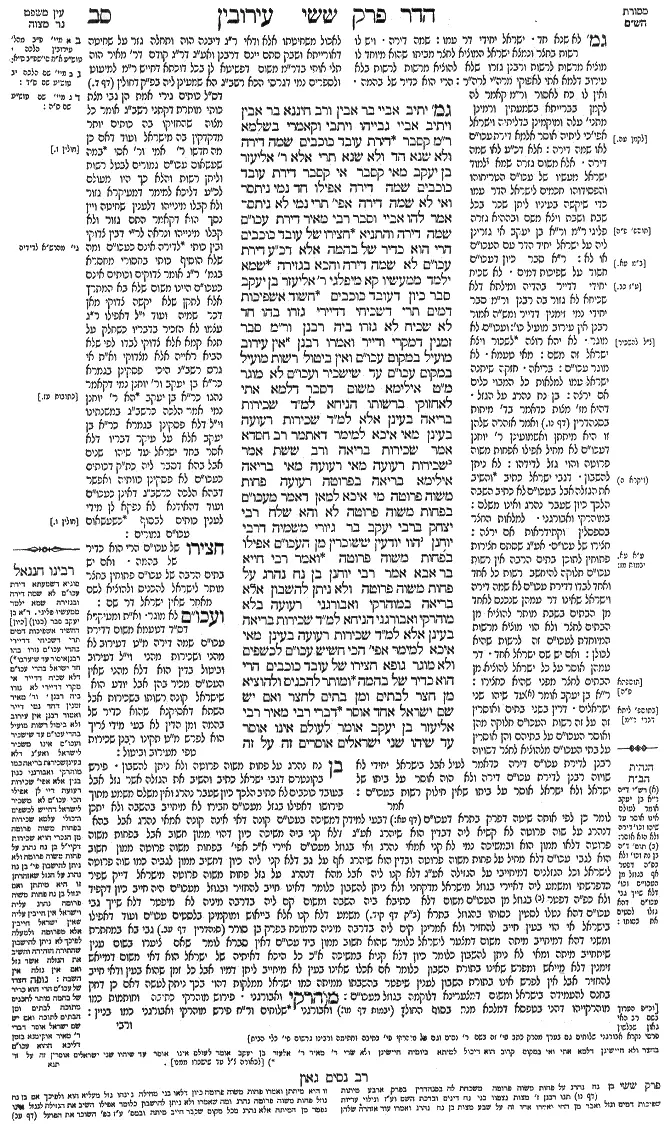
Eruvin 62a - Guemara
גמ׳ יתיב אביי בר אבין ורב חיננא בר אבין ויתיב אביי גבייהו ויתבי וקאמרי בשלמא ר"מ קסבר דירת עובד כוכבים שמה דירה ולא שנא חד ולא שנא תרי אלא ר' אליעזר בן יעקב מאי קסבר אי קסבר דירת עובד כוכבים שמה דירה אפילו חד נמי ניתסר ואי לא שמה דירה אפי' תרי נמי לא ניתסר אמר להו אביי וסבר רבי מאיר דירת עכו"ם שמה דירה והתניא חצירו של עובד כוכבים הרי הוא כדיר של בהמה אלא דכ"ע דירת עכו"ם לא שמה דירה והכא בגזירה שמא ילמד ממעשיו קא מיפלגי ר' אליעזר בן יעקב סבר כיון דעובד כוכבים חשוד אשפיכות דמים תרי דשכיחי דדיירי גזרו בהו חד לא שכיח לא גזרו ביה רבנן ור"מ סבר זמנין דמקרי ודייר ואמרו רבנן אין עירוב מועיל במקום עכו"ם ואין ביטול רשות מועיל במקום עכו"ם עד שישכיר ועכו"ם לא מוגר מ"ט אילימא משום דסבר דלמא אתי לאחזוקי ברשותו הניחא למ"ד שכירות בריאה בעינן אלא למ"ד שכירות רעועה בעינן מאי איכא למימר דאתמר רב חסדא אמר שכירות בריאה ורב ששת אמר שכירות רעועה מאי רעועה מאי בריאה אילימא בריאה בפרוטה רעועה פחות משוה פרוטה מי איכא למאן דאמר מעכו"ם בפחות משוה פרוטה לא והא שלח רבי יצחק ברבי יעקב בר גיורי משמיה דרבי יוחנן הוו יודעין ששוכרין מן העכו"ם אפילו בפחות משוה פרוטה ואמר רבי חייא בר אבא אמר רבי יוחנן בן נח נהרג על פחות משוה פרוטה ולא ניתן להשבון אלא בריאה במוהרקי ואבורגני רעועה בלא מוהרקי ואבורגני הניחא למ"ד שכירות בריאה בעינן אלא למ"ד שכירות רעועה בעינן מאי איכא למימר אפי' הכי חשיש עכו"ם לכשפים ולא מוגר גופא חצירו של עובד כוכבים הרי הוא כדיר של בהמה ומותר להכניס ולהוציא מן חצר לבתים ומן בתים לחצר ואם יש שם ישראל אחד אוסר דברי רבי מאיר רבי אליעזר בן יעקב אומר לעולם אינו אוסר עד שיהו שני ישראלים אוסרים זה על זה
Comments from Rashi on Masechet Eruvin Page 62a
גמ' לא שנא חד . ישראל יחידי דר עמו: שמה דירה . ויש לו רשות בחצר ונמצא ישראל המוציא לחצר מביתו שהוא מיוחד לו מוציא מרשות לרשות ורבנן גזרו שלא להוציא מרשות לרשות בלא עירוב דלמא אתי לאפוקי מרה"י לרה"ר: הרי הוא כדיר של בהמה . ואין לו כח לאסור ור"מ קאמר לה לקמן בברייתא בשמעתין ורמינן מתני' עלה ומוקמינן בדליתיה וישראל אפי' כי ליתיה אוסר אלמא דירת עכו"ם לאו שמה דירה: אלא דכ"ע לאו שמה דירה . אלא משום גזרה שמא ילמוד ישראל מעשיו של עכו"ם הטריחוהו והפסידוהו חכמים לישראל הדר עמו כדי שיקשה בעיניו ליתן שכר בכל שבת ושבת ויצא משם ובההיא גזרה פליגי ר"מ ור"א בן יעקב אי גזרינן ליה על ישראל יחיד הדר עם העכו"ם או לא: ר"א סבר כיון דעכו"ם חשוד על שפיכות דמים . לא שכיח יחידי דדייר בהדיה ומילתא דלא שכיחא לא גזור בה רבנן ור"מ סבר יחידי נמי זימנין דדייר ומש"ה אמור רבנן אין עירוב מועיל כו': ועכו"ם לא מוגר . לא יהא רוצה לשכור ויצא ישראל זה משם: מאי טעמא . לא מוגר עכו"ם: בריאה . חזקה שיתנה ישראל עמו למלאות כל המבוי כלים אם ירצה: בן נח נהרג על הגזל . דהיא מז' מצות כדאמר בד' מיתות בסנהדרין (דף נו.) ואמר אזהרה שלהן זו היא מיתתן ואשמועינן ר' יוחנן דעכו"ם לא מחיל אפילו אפחות משוה פרוטה והוי גזל לדידהו: לא ניתן להישבון . דגבי ישראל כתיב והשיב את הגזלה אבל בנכרי לא כתיב השבה הלכך כיון שעבר נהרג ואינו משלם: במוהרקי ואבורגני . למלאות החצר בספסלין וקתידראות אם ירצה: חצירו של עכו"ם . אע"ג שסתם חצירות פתוחין לתוכן בתים הרבה אין רשות נכרי חלוקה להיחשב רשות לכל אחד ואחד לבדו דדירת עכו"ם לא שמה דירה וישראל שאינו דר עמהן שנכנס לאחד מן הבתים בשבת מותר להוציא מן הבתים לחצר ולא הוי מוציא מרשות המיוחדת לעכו"ם זה לרשות שהיא לכולן: ואם יש שם ישראל אחד . דר עמהן אוסר על כל ישראל להוציא מן הבתים לחצר מפני שהיא כחצירו: ר"א בן יעקב אומר עד שיהו שני ישראלים . דרין בשני בתים ואוסרין זה על זה רשות העכו"ם חלוקה מהן ואוסר העכו"ם על בתיהם והן אוסרין על בתי העכו"ם מלהוציא לחצר דשויוה רבנן לדירת עכו"ם דירה כדאמר לעיל אבל בישראל יחידי לא שויוה רבנן לדירת עכו"ם דירה ולא הוה אוסר על ביתו של ישראל ולא ישראל אוסר על ביתו שאין חילוק רשות בעכו"ם:
Comments from Tosafot - Eruvin 62a
חצירו של עכו"ם הרי הוא כדיר של בהמה . ואם יש בתים הרבה של עכו"ם פתוחין בחצר מותר לישראל להכניס ולהוציא לשם מאחר שאין ישראל דר שם: ועכו"ם לא מוגר . וא"ת ומעיקרא דס"ד דטעמא משום דדירת עכו"ם שמה דירה מ"ט דעירוב לא מהני ושכירות מהני וי"ל דעירוב וביטול בדין הוא דלא מהני שאין העכו"ם מכיר בהן אבל יודע הוא שישראל קונה רשותו בשכירות אבל השתא דאסיקנא שהוא כדיר של בהמה ומן הדין לא בעי מידי צריך הוא לפרש מ"ט תקינו רבנן שכירות טפי מעירוב וביטול: בן נח נהרג על פחות משוה פרוטה ולא ניתן להשבון . פירש בקונטרס דגבי ישראל כתיב והשיב את הגזלה אשר גזל אבל בעובד כוכבים לא כתיב הלכך כיון שעבר נהרג ואין משלם משמע מתוך פירושו דאפילו בגזל מעכו"ם חבירו לא מיחייב בהשבה ולא יתכן לומר כן לפי אותה שיטה דפרק בתרא דעכו"ם (דף עא:) דבעי למידק דמשיכה בעכו"ם קונה דאי אינה קונה אמאי נהרג אבל בהא דנהרג על שוה פרוטה לא קשיא ליה דבדין הוא שיהרג אע"ג דלא קני ביה משיכה כיון דהוי ממון חשוב אבל בפחות משוה פרוטה דלאו ממון הוא ובמשיכה נמי לא קני אמאי נהרג ואי בגוזל מעכו"ם איירי א"כ אפי' בפחות משוה פרוטה ממון חשוב הוא לגבי עכו"ם דלא מחיל על פחות משוה פרוטה ובדין הוא שיהרג אף על גב דלא קני ליה כיון דחשיב ממון לגביה כמו שוה פרוטה לישראל וכל הגזלנים דמיחייבי על הגזילה אע"ג דלא קנו ליה אבל מהא דנהרג על גזל פחות משוה פרוטה מישראל דייק שפיר כדפרשתי ומשמע ליה דאיירי בגוזל מישראל מדקתני ולא ניתן להשבון כלומר דאינו חייב להחזיר ובגוזל מעכו"ם היה חייב כיון דקפיד ולא כפ"ה דפטר בגוזל מן העכו"ם משום דלא כתיבא ביה השבה ומשום קם ליה בדרבה מיניה לא מיפטר דלא שייך גבי עכו"ם דהא נטלו לסטין כסותו בהגוזל בתרא (ב"ק דף קיד.) משמע דלא קנו אלא בייאוש ומוקמינן בלסטים עכו"ם ועוד דאפילו בישראל אי הוי בעין חייב להחזיר ולא אמרינן קים ליה בדרבה מיניה כדמוכח בפרק בן סורר (סנהדרין דף עב.) גבי בא במחתרת ומשני דהא דמיחייב מיתה משום דמצער לישראל כלומר שהוא חשוב ממון ביד עכו"ם דאין סברא לומר שאם ציערו בשום ענין שיתחייב מיתה ומאי לא ניתן להשבון כלומר כיון דלא קניא במשיכה א"כ כל היכא דאיתיה של ישראל הוא דאי משום דמייאש זימנין דלא מייאש ומפרש שאינו בתורת השבון כלומר אם אכלו שאינו בעין לא מיחייב ליתן דמיו אבל כל זמן שהוא בעין ודאי חייב להחזיר אבל אין לפרש אינו בתורת השבון לענין שיפטר בהשבתו ממיתה כמו ישראל ממלקות דהוי בכך ניתק לעשה דאם כן דחק בחנם להעמידה בישראל ומשום דמצערינא דלוקמה בגוזל מעכום: מוהרקי ואבורגני . פירוש מוהרקי כתיבה וחותמות כמו מוהרקייהו דהני בטפסא דמלכא מנח בסוף החולץ (יבמות דף מו:) ואבורגני שלוחים ור"ח פירש מוהרקי ואבורגני כמו בניין:
Eruvin 62a - Mishnah translated into english
GEMARA: Abaye bar Avin and Rav Ḥinana bar Avin were sitting, and Abaye was sitting beside them, and they sat and said: Granted, the opinion of Rabbi Meir, the author of the unattributed mishna, is clear, as he holds that the residence of a gentile is considered a significant residence. In other words, the gentile living in the courtyard is considered a resident who has a share in the courtyard. Since he cannot join in an eiruv with the Jew, he renders it prohibited for the Jew to carry from his house to the courtyard or from the courtyard to his house. Consequently, the case of one Jew living in the courtyard is no different from the case of two Jews living there. In both cases, the gentile renders it prohibited for carrying.
But Rabbi Eliezer ben Ya’akov, what does he hold? If you say he holds that the residence of a gentile is considered a significant residence, he should prohibit carrying even when there is only one Jew living in the courtyard. And if it is not considered a significant residence, he should not prohibit carrying even when there are two Jews living there.
Abaye said to them: Your basic premise is based on a faulty assumption. Does Rabbi Meir actually hold that the residence of a gentile is considered a significant residence? Wasn’t it taught in the Tosefta: The courtyard of a gentile is like the pen of an animal, i.e., just as an animal pen does not render it prohibited to carry in a courtyard, so too, the gentile’s residence in itself does not impose restrictions on a Jew.
Rather, this explanation must be rejected, and the dispute in the mishna should be understood differently: Everyone agrees that the residence of gentile is not considered a significant residence, and here they disagree about a decree that was issued lest the Jew learn from the gentile’s ways. The disagreement is with regard to whether this decree is applicable only when there are two Jews living in the courtyard, or even when there is only one Jew living there.
The disagreement should be understood as follows: Rabbi Eliezer ben Ya’akov holds that since a gentile is suspected of bloodshed, it is unusual for a single Jew to share a courtyard with a gentile. However, it is not unusual for two or more Jews to do so, as they will protect each other. Therefore, in the case of two Jews, who commonly live together with a gentile in the same courtyard, the Sages issued a decree to the effect that the gentile renders it prohibited for them to carry. This would cause great inconvenience to Jews living with gentiles and would thereby motivate the Jews to distance themselves from gentiles. In this manner, the Sages sought to prevent the Jews from learning from the gentiles’ ways. However, in the case of one Jew, for whom it is not common to live together with a gentile in the same courtyard, the Sages did not issue a decree that the gentile renders it prohibited for him to carry, as the Sages do not issue decrees for uncommon situations.
On the other hand, Rabbi Meir holds that sometimes it happens that a single Jew lives together with a gentile in the same courtyard, and hence it is appropriate to issue the decree in such a case as well. Therefore, the Sages said: An eiruv is not effective in a place where a gentile is living, nor is the renunciation of rights to a courtyard in favor of the other residents effective in a place where a gentile is living. Therefore, carrying is prohibited in a courtyard in which a gentile resides, unless the gentile rents out his property to one of the Jews for the purpose of an eiruv regardless of the number of Jews living there. And as a gentile would not be willing to rent out his property for this purpose, the living conditions will become too strained, prompting the Jew to move.
The Gemara poses a question: What is the reason that a gentile will not rent out his property for the purpose of an eiruv? If you say it is because the gentile thinks that perhaps they will later come to take possession of his property based on this rental, this works out well according to the one who said that we require a full-fledged rental, i.e., that rental for the purpose of an eiruv must be proper and valid according to all the halakhot of renting.
However, according to the one who said that we require only a flawed, symbolic rental, i.e., all that is needed is a token gesture that has the appearance of renting, what is there to say? The gentile would understand that it is not a real rental, and therefore he would not be wary of renting out his residence. As it was stated that the amora’im disputed this issue as follows: Rav Ḥisda said that we require a full-fledged rental, and Rav Sheshet said: A flawed, symbolic rental is sufficient.
Having mentioned this dispute, the Gemara now clarifies its particulars: What is a flawed rental, and what is a full-fledged one? If you say that a full-fledged rental refers to a case where one gives another person a peruta as rent, whereas in a flawed rental he provides him with less than the value of a peruta, this poses a difficulty. Is there anyone who said that renting from a gentile for less than the value of a peruta is not valid? Didn’t Rabbi Yitzḥak, son of Rabbi Ya’akov bar Giyorei, send in the name of Rabbi Yoḥanan: You should know that one may rent from a gentile even for less than the value of a peruta?
And Rabbi Ḥiyya bar Abba said that Rabbi Yoḥanan said: A Noahide, i.e., a gentile who stole is executed for his crime, according to the laws applying to Noahides, even if he stole less than the value of a peruta. A Noahide is particular about his property and unwilling to waive his rights to it, even if it is of minimal value; therefore, the prohibition against stealing applies to items of any value whatsoever. And in the case of Noahides, the stolen item is not returnable, as the possibility of rectification by returning a stolen object was granted only to Jews. The principle that less than the value of a peruta is not considered money applies to Jews alone. With regard to gentiles, it has monetary value, and therefore one may rent from a gentile with this amount.
Rather, the distinction between a full-fledged rental and a flawed rental should be explained as follows: A full-fledged rental refers to one that is confirmed by legal documents [moharkei] and guaranteed by officials [aburganei]; and a flawed rental means one that is not confirmed by legal documents and guaranteed by officials, an agreement that is unenforceable in court. Based on this explanation, the Gemara reiterates what was stated earlier with regard to the gentile’s concern about renting: This works out well according to the one who said that we require a full-fledged rental, as it is clear why the gentile would refuse to rent out his property.
But according to the one who said that we require only a flawed rental, what is there to say in this regard? Why shouldn’t the gentile want to rent out his residence? The Gemara answers: Even so, the gentile is concerned about witchcraft, i.e., that the procedure is used to cast a spell on him, and therefore he does not rent out his residence.
The Gemara examines the ruling in the Tosefta cited in the previous discussion. Returning to the matter itself: The courtyard of a gentile is like the pen of an animal, and it is permitted to carry in and carry out from the courtyard to the houses and from the houses to the courtyard, as the halakhot of eiruvin do not apply to the residences of gentiles.
But if there is one Jew living there in the same courtyard as the gentile, the gentile renders it prohibited for the Jew to carry from his house to the courtyard or vice versa. The Jew may carry there only if he rents the gentile’s property for the duration of Shabbat. This is the statement of Rabbi Meir.
Rabbi Eliezer ben Ya’akov says: Actually, the gentile does not render it prohibited for the Jew to carry unless there are two Jews living in the same courtyard who themselves would prohibit one another from carrying if there were no eiruv, and the presence of the gentile renders the eiruv ineffective.
Traduction : The William Davidson digital edition of the Koren Noé Talmud, with commentary by Rabbi Adin Even-Israel Steinsaltz.