 Talmud Bavli
Eruvin 20a : Youtube
Rabi Yitzchok LobensteinYoutube
2 video classes :
Eruvin Page 20a
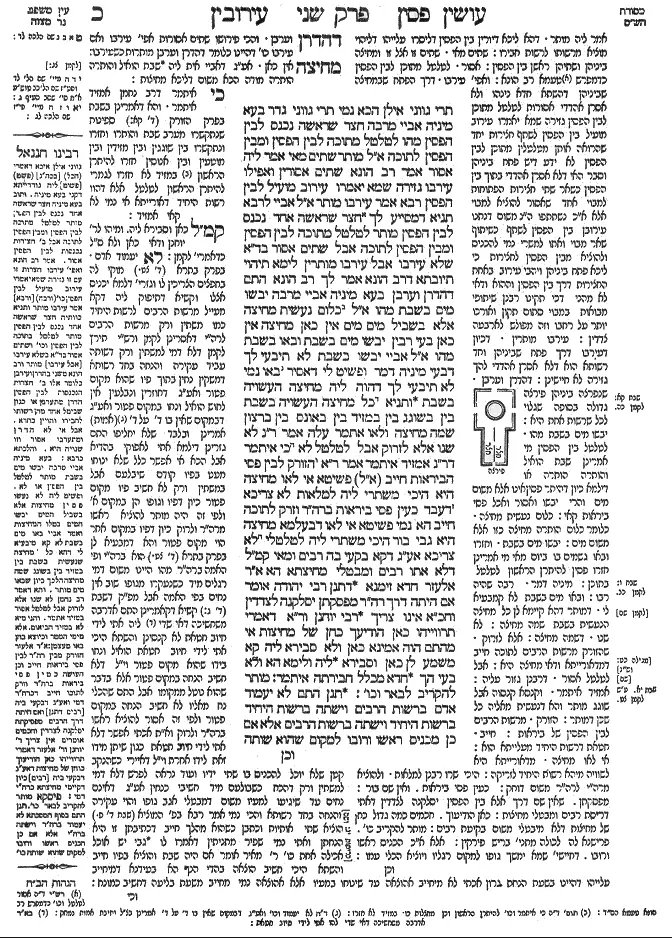
Eruvin 20a - Guemara
תרי גווני אילן הכא נמי תרי גווני גדר בעא מיניה אביי מרבה חצר שראשה נכנס לבין הפסין מהו לטלטל מתוכה לבין הפסין ומבין הפסין לתוכה א"ל מותר שתים מאי אמר ליה אסור אמר רב הונא שתים אסורין ואפילו עירבו גזירה שמא יאמרו עירוב מועיל לבין הפסין רבא אמר עירבו מותר א"ל אביי לרבא תניא דמסייע לך חצר שראשה אחד נכנס לבין הפסין מותר לטלטל מתוכה לבין הפסין ומבין הפסין לתוכה אבל שתים אסור בד"א שלא עירבו אבל עירבו מותרין לימא תיהוי תיובתא דרב הונא אמר לך רב הונא התם דהדרן וערבן בעא מיניה אביי מרבה יבשו מים בשבת מהו א"ל כלום נעשית מחיצה אלא בשביל מים מים אין כאן מחיצה אין כאן בעי רבין יבשו מים בשבת ובאו בשבת מהו א"ל אביי יבשו בשבת לא תיבעי לך דבעי מיניה דמר ופשיט לי דאסיר באו נמי לא תיבעי לך דהוה ליה מחיצה העשויה בשבת ותניא כל מחיצה העשויה בשבת בין בשוגג בין במזיד בין באונס בין ברצון שמה מחיצה ולאו אתמר עלה אמר ר"נ לא שנו אלא לזרוק אבל לטלטל לא כי איתמר דר"נ אמזיד איתמר אמר ר"א הזורק לבין פסי הביראות חייב (א"ל) פשיטא אי לאו מחיצה היא היכי משתרי ליה למלאות לא צריכא דעבד כעין פסי ביראות ברה"ר וזרק לתוכה חייב הא נמי פשיטא אי לאו דבעלמא מחיצה היא גבי בור היכי משתרי ליה לטלטלי לא צריכא אע"ג דקא בקעי בה רבים ומאי קמ"ל דלא אתו רבים ומבטלי מחיצתא הא א"ר אלעזר חדא זימנא דתנן רבי יהודה אומר אם היתה דרך רה"ר מפסקתן יסלקנה לצדדין וחכ"א אינו צריך רבי יוחנן ור"א דאמרי תרווייהו כאן הודיעך כחן של מחיצות אי מהתם הוה אמינא כאן ולא סבירא ליה קא משמע לן כאן וסבירא ליה ולימא הא ולא בעי הך חדא מכלל חבירתה איתמר:
מותר להקריב לבאר וכו':
תנן התם לא יעמוד אדם ברשות הרבים וישתה ברשות היחיד ברשות היחיד וישתה ברשות הרבים אלא אם כן מכניס ראשו ורובו למקום שהוא שותה
Comments from Rashi on Masechet Eruvin Page 20a
אמר ליה מותר . דהא ליכא דיורין בין הפסין דליסרו עלייהו דליהוי מוציא מרשותו לרשות חבירו: שתים מאי . שתים זו אצל זו ומחיצה ביניהן ושתיהן ראשן בין הפסין: אסור . לטלטל מתוכן לבין הפסין כדמפרש טעמא רב הונא: ואפילו עירבו . דרך הפתח שבמחיצה שביניהן דהשתא חדא נינהו ולא אסרן אהדדי אסורות לטלטל מתוכן לבין הפסין גזירה שמא יאמרו עירוב מועיל בין הפסין לשתף חצירות יחד שהרואה אותן מטלטלין מתוכן לבין הפסין לא ידע דיש פתח ביניהן וסבר האי דלא אסרן אהדדי בתוך בין הפסין כשאר שתי חצירות הפתוחות למבוי אחד שאסור להוציא למבוי אלא א"כ נשתתפו ה"נ משום דנתנו עירובן בין הפסין לשתף כשיתוף שאר מבוי ואתו למשרי נמי להכניס ולהוציא מבין הפסין לחצירות כי ליכא פתח ביניהן ויהבי עירוב באחת החצירות דרך בין הפסין וההוא ודאי לא מהני דכי תקינו רבנן שיתופי מבואות במבוי סתום תקון ואורכו יותר על רחבו וזה מפולש לארבעה צדדין: עירבו מותרין . דכיון דעירבו דרך פתח שביניהן וחד רשותא הוא דלא אסרן אהדדי להך גזירה לא חיישינן: דהדרן וערבן . שנפרצה ביניהן פירצה גדולה בסופה שגלוי לכל שרשות אחת היא:  יבשו מים בשבת מהו . לטלטל בין הפסין מי אמרינן שבת הואיל והותרה הותרה או דילמא כיון דהיתר פסין אינו אלא משום מים והרי יבשו ואסור ואכל פסי ביראות קאי: כלום נעשית מחיצה . כלומר כלום הותרה מחיצה כזו אלא משום מים: יבשו מים בשבת . וחזרו ובאו גשמים בו ביום מאי מי אמרינן חזרו פסין להיתרן הראשון לטלטל בתוכן: מיניה דמר . רבה שהיה רבו: ובאו מים בשבת לא קמבעיא לי . דמותר דהא קיימא לן כל מחיצה הנעשית בשבת שמה מחיצה: לא שנו . דשמה מחיצה: אלא לזרוק . שהזורק מרה"ר לתוכה חייב דמדאורייתא ודאי מחיצה היא: אבל לטלטל אסור . דרבנן גזור עליה: אמזיד איתמר . וקנסא קנסוה אבל שוגג מותר והא דנעשית מאליה כל שכן דמותר: הזורק . מרשות הרבים לבין הפסין של ביראות: חייב . חטאת דרשות היחיד מעלייתא הוא: אי לאו מחיצה . מדאורייתא היא לשוויה מיהא רשות היחיד לזריקה: היכי שרו רבנן למלאות . ולהוציא מרה"י לרה"ר משום דוחק: כעין פסי ביראות . ואין שם בור: מפסקתן: שאין שם דרך אלא בין הפסין יסלקנה לצדדין דאתי דריסת רבים ומבטלי מחיצות: כאן הודיעוך . חכמים כמה גדול כחן של מחיצות דלא מיבטלי משום בקיעת רבים: מותר להקריב כו' . פרישנא לה לכולה מתניתין בריש פירקין: אלא א"כ הכניס ראשו ורובו . דחיישינן שמא ימשך גופו למקום רגליו ויוציא הכלי עמו:
Comments from Tosafot - Eruvin 20a
דהדרן וערבן . והכי פירושו שתים אסורות אפי' עירבו ואם עירבו כו' דהיינו כלומר דהדרן וערבן מותרות כשעירבו: מחיצה אין כאן . אע"ג דאביי אית ליה שבת הואיל והותרה הותרה מודה הכא משום דליכא מחיצות: כי איתמר דרב נחמן אמזיד איתמר . והא דאמרינן בשבת בפרק הזורק (ד' קא:) ספינות שנתקשרו מערב שבת והותרו וחזרו ונתקשרו בין שוגגין ובין מזידין ובין מוטעין ובין אנוסין חזרו להיתרן הראשון במזיד לא חזרו לגמרי להיתרן הראשון לטלטל אלא דהוו רשות היחיד דאורייתא אי נמי לא קאי אמזיד: קמ"ל כאן וסבירא ליה . ומיהו לר' יוחנן ודאי כאן ולא ס"ל כדאמרי' לקמן: לא יעמוד אדם . בפרק בתרא (ד' צט.) מוקי לה בחפצים הצריכין לו וגזרי' דלמא יכניס אצלו וקשיא דתיפוק ליה דקא מעייל מרשות הרבים לרשות היחיד כמו משתין ורק מרשות הרבים לרה"י דאסרינן לקמן ורש"י תירץ לקמן דלא דמי למשתין ורק דשותה עביד עקירה והנחה בחד רשותא דמשקין נחין בתוך פיו שהוא מקום פטור ואע"ג דחוזרין ונבלעין אין לחוש הואיל ונחו במקום פטור ואע"ג דבמקום שאין בו ד' על ד' (אמות) אמרינן ובלבד שלא יחליפו התם גזרינן דילמא אתי לאפוקי בהדיא אבל הכא אי אפשר כלל שלא ינוחו מעט בפיו קודם שיבלעם אבל במשתין ורק לא חשיב פיו מקום פטור כיון דפיו וגופו הן במקום א' ולפי זה היה מותר להוציא ראשו מרה"ר ולרוק כיון דפיו במקום אחר הוי מקום פטור והא דמבעיא לן בפרק בתרא (ד' צט.) הוא ברה"י ופי האמה ברה"ר מהו היינו משום דמי רגלים מיד כשנעקרו מגופו שוב אין נחים בפי האמה אבל מפ"ק דשבת (ד' ג:) קשיא דקאמרינן התם אדרבה משחשיכה דאי שדי ליה אתי לידי חיוב חטאת לא קנסינן והשתא היכי אתי לידי חיוב חטאת הואיל ונחו בידו שהוא מקום פטור וי"ל דלא חשיב הנחה במקום פטור אלא בדבר שהוא נוטל ממקומו אבל התם שהכלי נח מאליו לא חשיב הנחה במקום פטור ולפי זה אסור להוציא ראשו ברה"ר ולרוק וא"ת אכתי אפשר דלא אתי לידי חיוב חטאת כגון שיתן מידו זאת לידו אחרת וי"ל דאיירי כשהנקב קטן שלא יוכל להכניס בו שתי ידיו ועוד נראה לפרש דלא דמי למשתין ורק דהכא כשבולעם מיד חשיבי כנחין אע"ג דאינם נחים עד שיגיעו למעיו משום דמבטלי אגב גופו והוי עקירה והנחה בחד רשותא והכי נמי אמר רבא בפ' המוציא (שבת ד' פ.) הוציא שתי אותיות וכתבן כשהוא מהלך חייב דכתיבתן זו היא הנחתן ואתי נמי שפיר מתניתין דאמרו לו גבי יש אוכל אכילה אחת כו' ר' מאיר אומר אם היה שבת והוציא בפיו חייב והשתא היכי חשיב הוצאה בהדי הנך הא בעידנא דמיחייב עלייהו דהיינו בשעת הנחת גרון אכתי לא מיחייב אהוצאה עד שינוחו במעיו אלא אהוצאה נמי מחייב משעת בליעה דחשיב כמונח:
Eruvin 20a - Mishnah translated into english
that the baraita teaches two types of tree; here too, then, you can say that it teaches two types of fence, and therefore no proof can be brought from this baraita.
And Abaye further inquired of Rabba: With regard to a courtyard, the open end of which interposed between the boards surrounding a well, what is the law with regard to carrying from inside the courtyard to the area between the upright boards, and from the area between the boards into the courtyard? Rabba said to him: It is permitted.
Abaye then asked him: And if two adjacent courtyards interposed between the boards surrounding a well, what is the law? Is it permitted to carry from inside them to the area between the boards, and vice versa? Rabba said to him in response: It is prohibited.
Rav Huna said: In the case of two courtyards, it is prohibited to carry, even if the residents of the two courtyards made an eiruv together. This is because of a decree lest they come to say that an eiruv is effective for the area between the upright boards. Rava, however, disagreed and said: If they made an eiruv together, it is permitted to carry between the courtyards and the area between the boards, and vice versa; with the preparation of the eiruv, the two courtyards are regarded as one.
Abaye said to Rava: What was taught in a baraita supports your opinion, for the baraita states: In the case of a courtyard, one end of which interposes between the upright boards surrounding a well, it is permitted to carry from inside the courtyard to the area between the upright boards, and from the area between the upright boards into the courtyard, but if there were two adjacent courtyards, this is prohibited. With regard to which case was this statement made? The statement applies where the residents of the two courtyards did not make an eiruv together; but if they made an eiruv together, it is permitted to carry between the courtyards and the area between the boards, and vice versa.
The Gemara asks: Shall we say that this is a refutation of the opinion of Rav Huna, for the baraita explicitly contradicts his opinion? The Gemara rejects this argument: Rav Huna could have said to you: There, the baraita is dealing with a case where the two courtyards later became joined by means of the wall that separated them being breached, and it is clear to all that it is a single courtyard, so that there is no concern that people will say that an eiruv is effective for the area between the boards.
Abaye asked Rabba yet another question: If the water in the cistern dried up on Shabbat, what is the law? Is it still permitted to carry between the boards? Rabba said to him: The boards are considered a valid partition only on account of the water; since there is no longer any water here, there is also no longer a valid partition here.
Ravin raised a dilemma: If the water in the well dried up on Shabbat, and then on the same Shabbat it rained and other water came in its place, what is the law? Is the original allowance to carry restored? Abaye said to him: The case where the water dried up on Shabbat should not be a dilemma for you, for I already raised this dilemma before my Master, Rabba, and he resolved for me that it is prohibited to carry in the enclosed area.
The case where other water came on Shabbat should also not be a dilemma for you, for this is a case of a partition erected on Shabbat, and it was already taught in a baraita: Any partition erected on Shabbat, whether it was erected unwittingly, or whether intentionally, whether by unavoidable accident, or whether willingly, it is called a valid partition. The fact that it was erected in a prohibited manner, in violation of prohibitions related to building, does not negate its effectiveness.
Ravin raised a difficulty: Was it not stated with regard to this halakha that Rav Naḥman said: They only taught that such a partition is called a partition as a stringency; it is prohibited by Torah law to throw objects from an area enclosed by such a partition into the public domain and vice versa, but to carry in it as a full-fledged private domain is not permitted by the Sages?
The Gemara refutes this objection: Rav Naḥman’s statement applies only in a case where the partition was erected intentionally. Since the partition was erected intentionally on Shabbat, the Sages imposed a penalty that it is prohibited to carry within the enclosed area. However, in the case of a partition that was erected unwittingly or that arose by itself, no such penalty was imposed, and it is permitted to carry there.
Rabbi Elazar said: One who throws an object from the public domain into the area between the upright boards surrounding a well is liable. The Gemara asks: This is obvious, for were it not a valid partition, how could he be permitted to draw water from the well? This shows that it is a full-fledged private domain.
The Gemara answers: Rabbi Elazar’s ruling is only necessary to teach that in the case where one arrange an enclosure similar to the upright boards surrounding a well in the public domain, in a place where there was no well, and threw an object into it from the public domain, he is liable.
The Gemara raises a difficulty: Isn’t this obvious as well? As, were it not regarded as a partition in general, how could he be permitted to carry in the case of a cistern? The Gemara explains: It is only necessary to teach you that even though such a partition does not bar entry and many people pass through it, it is nonetheless considered a partition in regard to Shabbat.
The Gemara asks: And what is he teaching us by this statement, that the passage of many people does not come and negate the effectiveness of a partition? But Rabbi Elazar stated this idea once before.
As we learned in a mishna: Rabbi Yehuda says the following with regard to the upright boards surrounding a well: If the path of the public domain passes through the area of the wells and the posts and obstructs them, he must divert it to the sides, or else the partition is invalid. And the Rabbis say: He need not divert the path of the public domain, for even if many people pass through there, the partition is valid. With regard to this mishna, Rabbi Yoḥanan and Rabbi Elazar both said: Here, the Rabbis informed you of the strength of partitions. Therefore, we see that Rabbi Elazar already expressed his opinion that the validity of a partition is not canceled by the passage of many people through it.
The Gemara answers: If it was derived from there alone, I would have said that what Rabbi Elazar meant is that here the Rabbis informed you of the strength of partitions, but he, Rabbi Elazar, does not agree with them. He therefore teaches us in his present ruling that what he meant is that here they informed you of this law and he agrees with them.
The Gemara asks: If so, let Rabbi Elazar say this ruling that one who throws an object into the area enclosed by upright boards is liable, and he would not have need to make his other comment that here the Rabbis informed you of the strength of partitions. The Gemara answers: Rabbi Elazar did not in fact make two statements, but rather one was stated by inference from the other. He only made one of these statements explicitly; the other was reported by his students in his name based on an inference from what he had said.
We learned in the mishna: It is permitted to bring the upright boards closer to the well, provided that the enclosed area is large enough for a cow to stand in and drink, with its head and most of its body inside the partitioned space. Similarly, we learned there in a mishna: A person may not stand in a public domain and drink in the private domain, and likewise he may not stand in the private domain and drink in a public domain, unless he brings his head and most of his body into the place where he is drinking.
Traduction : The William Davidson digital edition of the Koren Noé Talmud, with commentary by Rabbi Adin Even-Israel Steinsaltz.