 Talmud Bavli
The learning on the whole site is dedicated : L'ilui Nishmat Margalit bat Ledicia
The learning on the whole site is dedicated : L'ilui Nishmat Chemouel Eliezer ben Batcheva
The learning on the whole site is dedicated : L'ilui Nishmat Yaakov ben Myriam
Eruvin 71a : Youtube
Rabi Yitzchok LobensteinYoutube
2 video classes :
Eruvin Page 71a
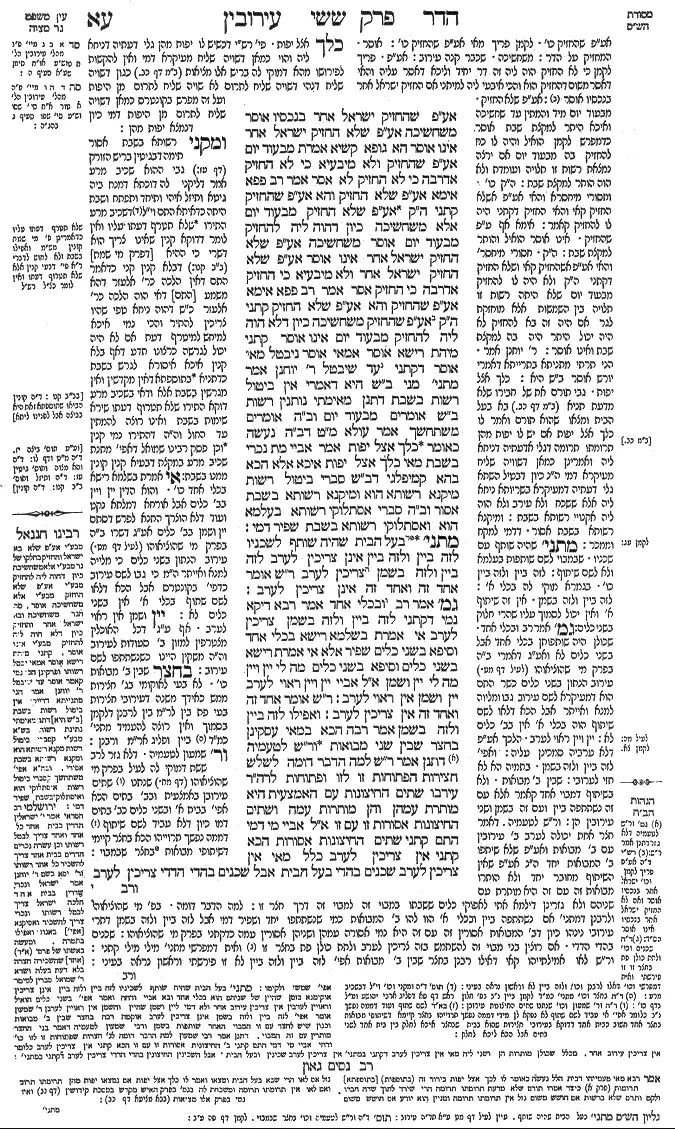
Eruvin 71a - Guemara
אע"פ שהחזיק ישראל אחר בנכסיו אוסר משחשיכה אע"פ שלא החזיק ישראל אחר אינו אוסר הא גופא קשיא אמרת מבעוד יום אע"פ שהחזיק ולא מיבעיא כי לא החזיק אדרבה כי לא החזיק לא אסר אמר רב פפא אימא אע"פ שלא החזיק והא אע"פ שהחזיק קתני ה"ק אע"פ שלא החזיק מבעוד יום אלא משחשיכה כיון דהוה ליה להחזיק מבעוד יום אוסר משחשיכה אע"פ שלא החזיק ישראל אחר אינו אוסר אע"פ שלא החזיק ישראל אחר ולא מיבעיא כי החזיק אדרבה כי החזיק אסר אמר רב פפא אימא אע"פ שהחזיק והא אע"פ שלא החזיק קתני ה"ק אע"פ שהחזיק משחשיכה כיון דלא הוה ליה להחזיק מבעוד יום אינו אוסר קתני מיהת רישא אוסר אמאי אוסר ניבטל מאי אוסר דקתני עד שיבטל ר' יוחנן אמר מתני' מני ב"ש היא דאמרי אין ביטול רשות בשבת דתנן מאימתי נותנין רשות ב"ש אומרים מבעוד יום וב"ה אומרים משתחשך אמר עולא מ"ט דב"ה נעשה כאומר כלך אצל יפות אמר אביי מת נכרי בשבת מאי כלך אצל יפות איכא אלא הכא בהא קמיפלגי דב"ש סברי ביטול רשות מיקנא רשותא הוא ומיקנא רשותא בשבת אסור וב"ה סברי אסתלוקי רשותא בעלמא הוא ואסתלוקי רשותא בשבת שפיר דמי:
מתני׳ בעל הבית שהיה שותף לשכניו לזה ביין ולזה ביין אינן צריכין לערב לזה ביין ולזה בשמן צריכין לערב ר"ש אומר אחד זה ואחד זה אינן צריכין לערב:
גמ׳ אמר רב ובכלי אחד אמר רבא דיקא נמי דקתני לזה ביין ולזה בשמן צריכין לערב אי אמרת בשלמא רישא בכלי אחד וסיפא בשני כלים שפיר אלא אי אמרת רישא בשני כלים וסיפא בשני כלים מה לי יין ויין מה לי יין ושמן א"ל אביי יין ויין ראוי לערב יין ושמן אין ראוי לערב:
ר"ש אומר אחד זה ואחד זה אין צריכין לערב:
ואפילו לזה ביין ולזה בשמן אמר רבה הכא במאי עסקינן בחצר שבין שני מבואות ור"ש לטעמיה דתנן אמר ר"ש למה הדבר דומה לשלש חצירות הפתוחות זו לזו ופתוחות לרה"ר עירבו שתים החיצונות עם האמצעית היא מותרת עמהן והן מותרות עמה ושתים החיצונות אסורות זו עם זו א"ל אביי מי דמי התם קתני שתים החיצונות אסורות הכא קתני אין צריכין לערב כלל מאי אין צריכין לערב שכנים בהדי בעל הבית אבל שכנים בהדי הדדי צריכין לערב
Comments from Rashi on Masechet Eruvin Page 71a
אע"פ שהחזיק כו' . לקמן פריך מאי אע"פ שהחזיק כו': אוסר . המחזיק על הדר: משחשיכה . שכבר קנה עירוב: אע"פ . פריך לקמן כי לא החזיק הוה ליה זה דר יחיד וליכא דאסר עליה והאי דאסר משום דהחזיק הוא והכי איבעי ליה למיתני אם החזיק ישראל אחר בנכסיו אוסר: אע"פ שלא החזיק . מבעוד יום מיד והמתין עד שחשיכה ואיכא היתר למקצת שבת אוסר כדמפרש לקמן הואיל והיה לו כח להחזיק בה מבעוד יום אם ירצה נמצאת רשות זו תלויה ועומדת ולא הוה הותר למקצת שבת: ה"ק . חסורי מיחסר' והאי אע"פ אשהחזיק קאי ושלא החזיק דקתני ה"ק ולא היה לו להחזיק מבעוד יום שלא היתה רשות זו תלויה בין השמשות אלא מוחזקת לגר אם היה זה בא להחזיק לא היה יכול היתר היה בה למקצת שבת ואינו אוסר: אימא אף ע"פ שהחזיק . אינו אוסר הואיל והותר למקצת שבת: ה"ק . חסורי מיחסר' והאי אע"פ אשהחזיק קאי ושלא החזיק דקתני ה"ק ולא היה לו להחזיק מבעוד יום שלא היתה רשות זו תלויה בין השמשות אלא מוחזקת לגר אם היה זה בא להחזיק לא היה יכול היתר היה בה למקצת שבת ואינו אוסר: ר' יוחנן אמר . הני תרתי מתניתא בתרייתא דאמרי יורש אוסר ב"ש היא: כלך אצל יפות . גבי תורם את של חבירו שלא מדעת תניא (ב"מ דף כב.) בא בעל הבית ומצאו שהוא תורם ואמר לו כלך אצל יפות אם יש לו יפות מהן תרומתו תרומה דגלי אדעתיה דניחא ליה ואמרינן כמאן דשוויה שליח מעיקרא דמי ה"נ כיון דבטיל השתא גלי דעתיה דמעיקרא בשריותא ניחא ליה אלא ששכח ולא עירב ולא הוה ליה אקנויי רשותא בשבת: ומיקנא רשותא בשבת אסור . דדמי למקח וממכר: מתני' שהיה שותף עם שכניו . שבמבוי לשם שותפות בעלמא ולא לשם שיתוף: לזה ביין ולזה ביין כו' . בגמרא מוקי לה בכלי א': לזה ביין ולזה בשמן . אין זה שיתוף א' ואין יכול לסמוך עליו שהרי חלוק בשני כלים: גמ' אמר רב ובכלי אחד . שכולן היה שותפותן בכלי אחד אבל בשני כלים לא ואע"ג דאמרי ב"ה בפרק מי שהוציאוהו (לעיל עירובין דף מט.) עירוב הנתון בשני כלים כשר התם הוא דמעיקרא לשם עירוב גבו ומליוה למנא ואייתר אבל הכא דלאו לשם שיתוף הוה בכלי א' אין בב' כלים לא: יין ויין ראוי לערב . הלכך אע"פ דלא ערביה סמכינן עליה: ואפי' לזה ביין ולזה בשמן . בתמיה הא לא חזי לעירוב: שבין ב' מבואות . ולא בשיתוף דמבוי אחד קאמר אלא עם זה נשתתפה ביין ועם זה בשמן ושני עירובין הן: ור"ש לטעמיה . דאמר חצר אחת יכולה לערב ב' עירובין עם ב' מבואות ואע"פ שלא שיתפו ב' המבואות יחד ה"נ אע"פ שאין השיתוף מחובר יחד ולא הותרו מבואות זה עם זה היא מותרת עם שניהם ולא גזרינן דילמא אתי לאפוקי כלים ששבתו במבוי זה למבוי זה דרך חצר זו: למה הדבר דומה . בפ' מי שהוציאוהו ולרבנן דמתני' אם נשתתפה ביין ובכלי א' הוו להו ב' המבואות כמי שנשתתפו יחד ושפיר דמי אבל לזה ביין ולזה בשמן דתרי עירובי נינהו כיון דב' המבואות אסורין זה עם זה היא נמי אסורה עמהן ושניהן אסורין עמה כדקתני בפרק מי שהוציאוהו: שכנים בהדי הדדי . אם רוצין בני מבוי זה להשתמש בזה צריכין לערב ולתת כולן פת בחצר זו ואית דמפרשי מתני' מילי מילי קתני ור"ש לאו אמילתייהו קאי דאילו רבנן בחצר שבין ב' מבואות אפי' לזה ביין ולזה ביין לא זו פירשתי וראשון נראה בעיני:
Comments from Tosafot - Eruvin 71a
כלך אצל יפות . פי' רש"י דכשיש לו יפות מהן גלי דעתיה דניחא ליה והוי כמאן דשויה שליח מעיקרא דמי ואין להקשות לפירושו מהא דמוקי לה בריש אלו מציאות (ב"מ דף כב.) כגון דשויה שליח דנהי דשויה שליח לתרום לא שויה שליח לתרום מן היפות ועל זה מפרש בקונטרס כמאן דשויה שליח לתרום מן היפות דמי כיון דנמצא יפות מהן: ומקני רשותא בשבת אסור . תימה דבגיטין בריש הזורק (דף עז:) גבי ההוא שכיב מרע אמר דליקני לה דוכתא דמנח ביה גיטא ותיזל איהי ותיחד ותפתח ושבת היתה כדאיתא התם וי"ל דשכיב מרע התירו שלא תטרף דעתו עליו ואין לומר דדוקא קנין שאינו צריך הוא דשרי כי ההיא [דפרק מי שמת] (ב"ב קנו:) דבלא קנין קני כדאמר התם דאין הלכה כר' אלעזר דהא משמע [התם] דאי הוה הלכה כר' אלעזר כ"ש דהוה ניחא טפי שהיו צריכין להתיר והכי נמי איכא למיחש למיטרף דעת אם לא היה יכול לגרשה כרצונו תדע דאף בלא קנין איכא איסורא לגרש בשבת כדתניא בתוספתא דאין מקדשין ואין מגרשין בשבת אלא ודאי בשכיב מרע דוקא התירו שלא תטרוף דעתו שירא שימות בשבת ואינו רוצה להמתין עד החול וה"ה דהתירו נמי קנין וכן פסק רבינו שמואל דאפי' מתנת שכיב מרע במקצת דבעיא קנין קונין ממנו בשבת: אי אמרת בשלמא רישא בכלי אחד כו' . והוא הדין יין ויין בב' כלים אבל אורחא דמלתא נקט ועוד דלא הוצרך התנא לפרש דסתם יין ושמן בב' כלים אע"ג דשרו ב"ה בפרק מי שהוציאוהו (לעיל עירובין דף מט.) עירוב הנתון בשני כלים כי מלייה למנא ואייתר ה"מ כי גבו לשם עירוב כדפי' בקונטרס אבל הכא דלאו לשם שתוף בכלי א' אין בשני כלים לא: יין ושמן אין ראוי לערב . אף ע"ג דכל האוכלין מצטרפין למזון ב' סעודות לעירוב וה"ה משקין היינו כשנשתתפו לשם עירוב: בחצר שבין ב' מבואות כו' . לא בעי לאוקומי בג' חצירות ממש כאידך משנה דעירובי חצירות בעי פת בין לר"מ בין לרבנן דלקמן בסמוך ואין רוצה להעמיד מתני' כמ"ד ביין ופליג אר"מ ורבנן: ור' שמעון לטעמיה . דלא גזר לרב ששת דמוקי לה לעיל בפרק מי שהוציאוהו (עירובין דף מח.) שנתנו שתים עירובן באמצעית ובב' בתים הכא אפי' בבית א' ובשני כלים כב' בתים דמו כיון דלא עביד לשם שיתוף דממה נפשך תרוייהו הכא בחצר קיימי דשיתופי מבואות בחצר שבמבוי:
Eruvin 71a - Mishnah translated into english
In such a case, even though a different Jew took possession of the convert’s property, the one who acquires it renders carrying prohibited. If, however, he died after nightfall, even though a different Jew did not take possession of his property, it, i.e., carrying, is not prohibited, for carrying had already been permitted on that Shabbat.
The Gemara raises a difficulty: The baraita itself is difficult. You first said: If the convert died while it was still day, even though a different Jew took possession of his property, the latter renders carrying prohibited, which implies that it is not necessary to say so where another Jew did not take possession of the property, for in such a case it is certainly prohibited. But this is incorrect. On the contrary, in a case where a different person did not take possession of the property, it is certainly not prohibited, for in such a case the convert’s property is ownerless and there is nobody to render carrying in the courtyard prohibited.
Rav Pappa said: Say that the baraita should read as follows: Even though a different Jew did not take possession of it. The Gemara raises a difficulty: How can it be corrected in this manner? But doesn’t it teach: Even though he took possession of it?
The Gemara answers: This is what the baraita is saying: If the convert died while it was still day, then even though a different Jew did not take possession of the property while it was still day but only after nightfall, since he had the possibility of taking possession of it while it was still day, the person who acquires it renders carrying prohibited. If, however, the convert died after nightfall, even though a different Jew did not take possession of his property, it does not render it prohibited to carry.
The Gemara now considers the next clause of the baraita, which states: If the convert died after nightfall, even though a different Jew did not take possession of his property, carrying is not prohibited. This implies that it is not necessary to say so where another Jew did take possession of the property, for in such a case it is certainly not prohibited. But, on the contrary, where a different person takes possession of the property, he renders carrying prohibited.
Rav Pappa said: Say that the baraita should read as follows: Even though a different Jew took possession of it. The Gemara raises a difficulty: But didn’t the baraita teach: Even though he did not take possession of it? The Gemara explains: This is what the baraita is saying: If the convert died after nightfall, even though a different Jew took possession of his property after nightfall, since he did not have the possibility of taking possession of it while it was still day, he does not render carrying prohibited.
After explaining the baraita, the Gemara proceeds to clarify the issue at hand: In any event, the first clause is teaching that the person who acquires the convert’s property renders carrying prohibited; but why does he render carrying prohibited? Let him renounce his rights in the domain like an heir. The implication then is that he does not have the option of renunciation, in contrast to the opinion of Rav Naḥman.
Rav Naḥman replied: What is the meaning of the word prohibits that it teaches here? It means he renders carrying prohibited until he renounces his rights, but renunciation is effective.
Rabbi Yoḥanan said: Who is the tanna of the problematic baraitot that imply that an heir cannot renounce rights, and from which objections were brought against Rav Naḥman? It is Beit Shammai, who say that there is no renunciation of rights on Shabbat at all, even for the owner of the property. As we learned in the mishna: When may one give away rights in a domain? Beit Shammai say: While it is still day. And Beit Hillel say: Even after nightfall.
With regard to this dispute itself, Ulla said: What is the reason of Beit Hillel that one may renounce rights even after nightfall? This should be considered an act of acquisition, which is prohibited on Shabbat. He explains: It is comparable to one who says: Turn toward the high-quality ones. If a person sets aside teruma from another person’s produce without the latter’s knowledge, and when the owner finds out he says: Why did you set aside this produce? Turn toward the high-quality ones, i.e., you should have gone to find better produce to use as teruma, then the teruma that was separated is considered teruma, provided there was indeed quality produce in that place. The reason is that the owner has demonstrated his retroactive acquiescence to the other person’s setting aside of teruma. Therefore, the latter is considered his agent for this purpose. The same applies to our issue. If a person intended to permit both himself and others to carry in a courtyard by means of establishing an eiruv but forgot to do so, by renouncing his rights after nightfall, he retroactively makes plain his desire that his domain should be mingled with that of his neighbors. What he then does on Shabbat is not a complete action, but merely a demonstration of his intentions.
Abaye said: This explanation is unsatisfactory, as when a gentile dies on Shabbat, what connection is there to the concept: Turn toward the high-quality ones? When a gentile dies on Shabbat, his Jewish neighbors may renounce their rights in the courtyard to each other and thus render carrying in the courtyard permitted, even though such renunciation would have been ineffective prior to his passing. Consequently, it cannot be said that it works retroactively.
Rather, the Gemara rejects Ulla’s explanation and states that here they disagree over the following: Beit Shammai hold that renunciation of a domain is equivalent to acquisition of a domain, and acquisition of a domain is prohibited on Shabbat. And Beit Hillel hold that it is merely withdrawal from a domain, and withdrawal from a domain seems well on Shabbat, i.e., it is permitted. As such, there is no reason to prohibit renunciation as a form of acquisition, which is prohibited as a part of a decree against conducting commerce on Shabbat.
MISHNA: If a homeowner was in partnership with his neighbors, with this one in wine and with that one in wine, they need not establish an eiruv, for due to their authentic partnership they are considered to be one household, and no further partnership is required.
If, however, he was in partnership with this one in wine and with that one in oil, they must establish an eiruv. As they are not partners in the same item, they are not all considered one partnership. Rabbi Shimon says: In both this case and that case, i.e., even if he partners with his neighbors in different items, they need not establish an eiruv.
GEMARA: Rav said: The halakha that one who is in partnership in wine with both his neighbors need not establish an eiruv applies only if their wine is in one vessel. Rava said: The language of the mishna is also precise, as it teaches: If he was in partnership with this one in wine and with the other one in oil, they must establish an eiruv. Granted, if you say that the first clause of the mishna deals with one vessel, and the latter clause deals with two vessels, one of wine and one of oil, it is well. But, if you say that the first clause of the mishna speaks of two vessels, and the latter clause also speaks of two vessels, what difference is it to me if it is wine and wine or wine and oil? The halakha should be the same in both cases.
Abaye said to him: This is no proof, and the first clause can be referring to a case where the wine was in separate vessels as well. The difference is that wine and wine is suitable for mixing together, and therefore can be considered a single unit even if divided into two containers. Wine and oil, however, are not suitable for mixing.
We learned in the mishna: Rabbi Shimon says: In both this case, where they are partners in wine alone, and that case, where the partnerships are in wine and oil, they need not establish an eiruv. The Gemara poses a question: Did he say this even if the partnership is with this one in wine and with the other one in oil? But these are not suitable for mixing. Rabba said: With what are we dealing here? We are dealing with a courtyard positioned between two alleyways, and Rabbi Shimon follows his usual line of reasoning.
As we learned in a mishna: Rabbi Shimon said: To what is this matter comparable? It is comparable to the case of three courtyards that open into one another and also open into a public domain. If the two outer courtyards each established an eiruv with the middle one, it is permitted for residents of the middle one to carry with the two outer ones, and it is permitted for residents of the two outer ones to carry with the middle one. However, it is prohibited for the residents of the two outer courtyards to carry with each other, as they did not establish an eiruv with each other. This teaches that the residents of one courtyard can establish an eiruv with a courtyard on each side, and need not choose between them. Here too, the residents of the courtyard can participate in an eiruv with both alleyways, one by means of wine and the other by means of oil.
Abaye said to him: Are the cases really comparable? There it teaches: It is prohibited for the residents of the two outer courtyards to carry with each other, whereas here it teaches: They need not establish an eiruv, indicating that it is permitted for residents of all three domains to carry with each other.
The Gemara explains: What is the subject of the phrase they need not establish an eiruv? It refers to the neighbors together with the homeowner, i.e., the residents of the courtyards that open into each of the alleyways with the resident of the courtyard in the middle. But with regard to the neighbors with each other, i.e., if the residents of the two alleyways wish to be permitted to carry with each other, they must establish an eiruv and place it in the middle courtyard.
Traduction : The William Davidson digital edition of the Koren Noé Talmud, with commentary by Rabbi Adin Even-Israel Steinsaltz.