 Talmud Bavli
Eruvin 67a : Youtube
Rabi Yitzchok LobensteinYoutube
2 video classes :
Eruvin Page 67a
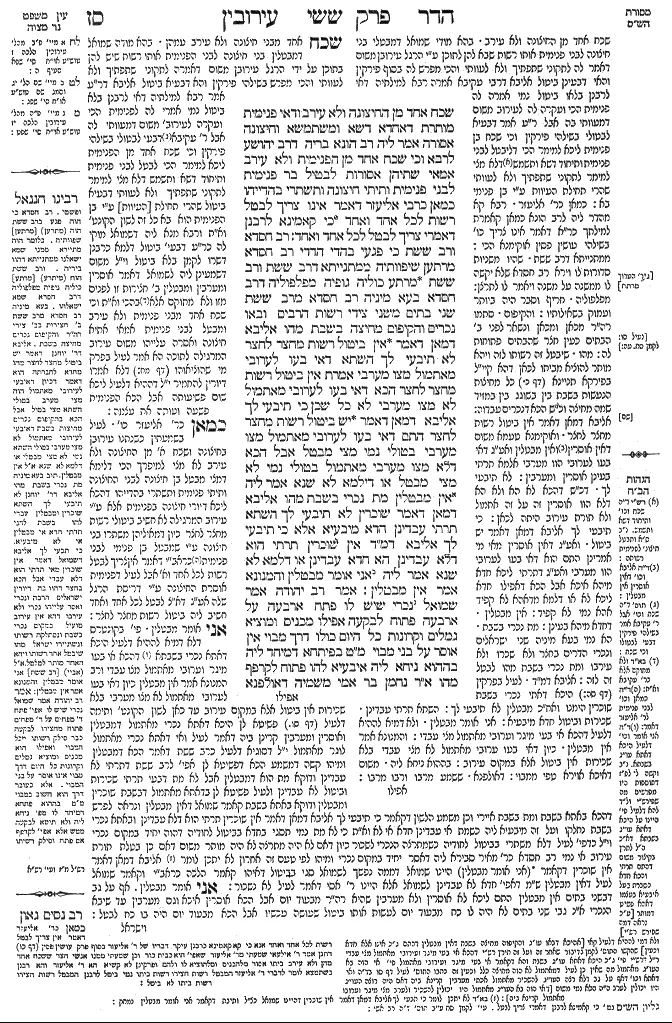
Eruvin 67a - Guemara
שכח אחד מן החיצונה ולא עירב ודאי פנימית מותרת דאחדא דשא ומשתמשא וחיצונה אסורה אמר ליה רב הונא בריה דרב יהושע לרבא וכי שכח אחד מן הפנימית ולא עירב אמאי שתיהן אסורות לבטיל בר פנימית לבני פנימית ותיתי חיצונה ותשתרי בהדייהו כמאן כרבי אליעזר דאמר אינו צריך לבטל רשות לכל אחד ואחד כי קאמינא לרבנן דאמרי צריך לבטל לכל אחד ואחד:
רב חסדא ורב ששת כי פגעי בהדי הדדי רב חסדא מרתען שיפוותיה ממתנייתא דרב ששת ורב ששת מרתע כוליה גופיה מפלפוליה דרב חסדא בעא מיניה רב חסדא מרב ששת שני בתים משני צידי רשות הרבים ובאו נכרים והקיפום מחיצה בשבת מהו אליבא דמאן דאמר אין ביטול רשות מחצר לחצר לא תיבעי לך השתא דאי בעו לערובי מאתמול מצו מערבי אמרת אין ביטול רשות מחצר לחצר הכא דאי בעו לערובי מאתמול לא מצו מערבי לא כל שכן כי תיבעי לך אליבא דמאן דאמר יש ביטול רשות מחצר לחצר התם דאי בעו לערובי מאתמול מצו מערבי בטולי נמי מצי מבטל אבל הכא דלא מצו מערבי מאתמול בטולי נמי לא מצי מבטל או דילמא לא שנא אמר ליה אין מבטלין מת נכרי בשבת מהו אליבא דמאן דאמר שוכרין לא תיבעי לך השתא תרתי עבדינן חדא מיבעיא אלא כי תיבעי לך אליבא דמ"ד אין שוכרין תרתי הוא דלא עבדינן הא חדא עבדינן או דלמא לא שנא אמר ליה אני אומר מבטלין והמנונא אמר אין מבטלין:
אמר רב יהודה אמר שמואל נכרי שיש לו פתח ארבעה על ארבעה פתוח לבקעה אפילו מכניס ומוציא גמלים וקרונות כל היום כולו דרך מבוי אין אוסר על בני מבוי מ"ט בפיתחא דמיחד ליה בההוא ניחא ליה איבעיא להו פתוח לקרפף מהו א"ר נחמן בר אמי משמיה דאולפנא
Comments from Rashi on Masechet Eruvin Page 67a
שכח אחד מן החיצונה ולא עירב . בהא מודי שמואל דמבטלי בני חיצונה לבני פנימית אותו רשות שבא להן לתוכן ע"י הרגל עירובן משום דאמר לה לתקוני שתפתיך ולא לעוותי והכי מפרש לה בסוף פירקין והא דבעינן ביטול אליבא דרבי עקיבא אמרה רבא למילתיה דאי לרבנן בלאו ביטול נמי אמרה לה פנימית הכי ועקרה לה לעירוב משום דמעוותי בה אבל ר"ע אמר דבעיא לבטולי בשילהי פירקין וכי שכח בן פנימית ליכא למימר הכי דליבטל לבני פנימית ותיחוד דשא ותשמש דלא מצי למימר לתקוני שתפתיך ולא לעוותי שהרי תחילת העיוות ע"י בן פנימי בא: כמאן כר' אליעזר . רבא קא מהדר ליה לרב הונא כמאן קאמרת למילתך כר"א דאמר אינו צריך כו' בשילהי עושין פסין אוקימנא הכי: ממתנייתא דרב ששת . שהיו משניות סדורות לו וירא רב חסדא שלא יקשה ממשנה על משנה ויאמר לו לתרצן: מפלפוליה . חריף וסבר היה ביותר ועמוק בשאילותיו: והקיפום . סתמו רה"ר מכאן ומכאן ונשאר לפני ב' הבתים כעין חצר שהבתים פתוחות לה: מהו . שיבטל זה רשותו לזה ויהא מותר להוציא מביתו לכאן דהא קיי"ל בפירקא תניינא (דף כ.) כל מחיצות הנעשות בשבת בין בשוגג בין במזיד שמה מחיצה וכ"ש הכא דנכרים עבדוה: אליבא דמאן דאמר אין ביטול רשות מחצר לחצר . ואוקימנא טעמא משום דאין אוסרין ואין מבטלין ואע"ג דאי בעו לעירובי הוו מערבי אלמא תרתי בעינן אוסרין ומערבין: לא תיבעי לך . דכ"ש דהכא לא הא ולא הא דלא הוו אוסרין זה על זה אתמול ולא תורת עירוב היתה לכאן: כי תיבעי לך אליבא דמאן דאמר יש ביטול . ואע"ג דאין אוסרין מאי מי אמרינן התם הוא דאי בעו לערובי הוו מערבי ואע"ג דתרתי ליכא חדא מיהא איכא אבל הכא דאפילו חדא ליכא לא או דילמא מדאהא לא קפיד אהא נמי לא קפיד: אין מבטלין . דחדא מיהא בעינן: מת נכרי בשבת . הא נמי בעא מיניה שני ישראלים ונכרי הדרים בחצר ולא שכרו ולא עירבו ומת נכרי בשבת מהו לבטל זה לזה: אליבא דמ"ד . לעיל בפירקין (עירובין דף סה:) היכא דאתי נכרי בשבת שוכרין הימנו ואח"כ מבטלין לא תיבעי לך: השתא תרתי עבדינן . שכירות וביטול חדא מיבעיא: אני אומר מבטלין . ולא דמיא לההיא דלעיל דהכא אי בעי מיגר וערובי מאתמול מצי עבדי: והמנונא אמר אין מבטלין . כיון דאי בעו ערובי מאתמול לא מצי עבדי בלא שכירות אין ביטול אלא במקום עירוב: בההוא ניחא ליה . משום דאיכא אוירא טפי ממבוי: דאולפנא . ששמע מרבו ורבו מרבו:
Comments from Tosafot - Eruvin 67a
שכח אחד מבני חיצונה ולא עירב עמהן . בהא מודה שמואל דמבטלין בני חיצונה לבני הפנימית אותו רשות שיש להן בתוכן על ידי הרגל עירובן משום דאמרה לתקוני שתפתיך ולא לעוותי והכי מפרש בשילהי פירקין והא דבעיא ביטול אליבא דר"ע אמר רבא למילתיה דאי לרבנן בלא ביטול נמי אמרי לה לפנימית הכי ועקרה לעירוב' משום דמעוותי לה אבל ר' עקיבא דבעי לבטולי בשילהי פירקין וכי שכח אחד מן הפנימית ליכא למימר הכי לבטל לבני פנימית ותיחוד דשא ותשמש דלא מצי למימר לתקוני שתפתיך ולא לעוותי דבעיא ביטול שהרי תחילת [העיוות] ע"י בן הפנימית הוא בא כל זה לשון הקונט' וא"ת ורבא מנא ליה דשמואל מוקי לה כר"ע דבעי' ביטול דלמא כרבנן דשרו לקמן בלא ביטול וי"ל משום דשמעינן ליה לשמואל דאמר אוסרין ומערבין ומבטלין ב' חצירות זו לפנים מזו ולא מתוקם אלא בהכי וא"ת וכי שכח אחד מבני פנימית ולא עירב ומבטל לבני פנימית אמאי אתיא חיצונה ואסרה עלייהו משום עירוב המרגילה לתוכה הא אמר לעיל בפרק מי שהוציאוהו (עירובין דף מח:) דלא אמרו דיורין להחמיר י"ל דההיא דלעיל ליכא שום פשיעותה אבל הכא הפנימית פשעה ועותה את עצמה: כמאן כר' אליעזר כו' . לעיל בשמעתין כשנתנו עירובן בחיצונה ושכח א' מן החיצונה ולא עירב לא מצי למיפרך הכי דלימא דמצי מבטל בן חיצונה לבני החיצונה ותיתי פנימית ותשתרי בהדייהו דהכא ליכא דיורי חיצונה בפנימית אלא ע"י עירוב המרגילה לא חשיב ביטולי רשות מחצר לחצר כיון דמאיליהן משתרו בני חיצונה ע"י שמבטל בן פנימי לבני פנימית כראב"י דאמר אין צריך לבטל רשות לכל אחד וא' אבל לעיל דפנימית אוסרת החיצונה ע"י דריסת הרגל שלה אע"ג דא"צ לבטל לכל אחד ואחד חשיב ליה ביטול רשות מחצר לחצר: אני אומר מבטלין . פי' בקונטרס דלא דמיא לההיא דלעיל היכא דאתא נכרי בשבתא דהכא אי בעו מיגר וערובי מאתמול מצו עבדי ורב המנונא אמר אין מבטלין כיון דאי בעו לערובי מאתמול לא מצו מערבי בלא שכירות אין ביטול אלא במקום עירוב עד כאן לשון הקונט' ותימה דלעיל (עירובין דף סו.) פשיטא לן היכא דאתא נכרי מאתמול דמבטלין ואוסרין ומערבין קרינן ביה דאמר לעיל ואי דאתא נכרי מאתמול לוגר מאתמול י"ל דסוגיא דלעיל כרב ששת דאמר הכא דמבטלין ומיהו קשה דמשמע הכא דפשיטא לן אפי' לרב ששת דתרתי לא עבדינן ודוקא מת הוא דמבטלין אבל לא מת דבעי תרתי שכירות וביטול לא עבדינן ולעיל פשיטא לן בדאתא מאתמול דבשבת שוכרין ומבטלין ודוקא באתא בשבת קאמר שמואל דאין מבטלין ונראה לפרש דהכא באתא בשבת ומת בשבת איירי וכן משמע הלשון דקאמר כי תיבעי לך אליבא דמאן דאמר אין שוכרין תרתי הוא דלא עבדינן ובאתא נכרי בשבת נחלקו ועל זה מיבעיא ליה כשמת אי עבדינן חדא אי לא וא"ת כי לא מת נמי תסגי בחדא בביטול לחודיה דהוה יחיד במקום נכרי וי"ל כדפי' לעיל דלא משתרי בביטול לחודיה כשמתרצה הנכרי לשכור כיון דאם לא היה מתרצה לא היה מותר משום דאם כן בטלת תורת עירוב אי נמי רב חסדא כר' מאיר סבירא ליה דאסר יחיד במקום נכרי ומיהו לפי טעם זה אחרון לא יתכן לומר אליבא דמאן דאמר אין שוכרין דקאמר. (אני אומר מבטלין) היינו שמואל דממה נפשך לשמואל סגי בביטול דאיהו קאמר הלכה כראב"י וקאמר שמואל לעיל דאין מבטלין ש"מ דאפי' חדא לא עבדינן לשמואל אלא היינו ר' אסי דאמר לעיל לא נשכור: אני אומר מבטלין . אף על גב דבשני בתים אין מבטלין התם ליכא לא אוסרין ולא מערבין שהיא רה"ר מבעוד יום אבל הכא אוסרין איכא וגם מערבין עד שיבא הנכרי א"נ גבי שני בתים לא היה לו כח מבעוד יום לעשות אותו ביטול שעושה עכשיו אבל הכא מבעוד יום היה בו כח לבטל:
Eruvin 67a - Mishnah translated into english
But if a resident of the outer courtyard forgot and did not establish an eiruv, it is certainly permitted to carry in the inner courtyard, as its residents can close the door between the two courtyards, thereby preventing the residents of the outer courtyard from entering, and they can then use their courtyard on their own. However, it is still prohibited to carry in the outer courtyard.
Rav Huna, son of Rav Yehoshua, said to Rava: And if a resident of the inner courtyard forgot and did not establish an eiruv, why is it prohibited to carry in both courtyards? Let the resident of the inner courtyard who forgot to establish an eiruv renounce his rights in favor of the other residents of the inner courtyard, and then let the residents of the outer courtyard, who had established an eiruv with the inner one, come and be permitted to carry together with them.
Rava replied: In accordance with whose opinion do you make this suggestion? It is in accordance with the opinion of Rabbi Eliezer, who said: It is not necessary to renounce one’s rights in favor of each and every resident. Rather, it is enough for a person to renounce his rights in favor of a single person, as once he no longer has any rights in the courtyard, he can no longer render it prohibited to carry there. According to this approach, a resident of the inner courtyard may indeed renounce his rights in favor of the other residents of his courtyard. The outer courtyard would then be rendered permitted together with the inner courtyard. However, when I spoke, it was in accordance with the opinion of the Rabbis, who say: It is necessary to renounce one’s rights in favor of each and every resident. Therefore, in order to render the outer courtyard permitted, it would be necessary for the person who forgot to establish the eiruv to renounce his rights in favor of the residents of the outer courtyard as well. However, he may not do so, as one may not renounce rights from one courtyard to another. Therefore, the outer courtyard may not be rendered permitted in this manner.
The Gemara relates that when Rav Ḥisda and Rav Sheshet would meet each other, Rav Ḥisda’s lips would tremble from the teachings of Rav Sheshet. Rav Sheshet’s fluency and expertise were such that Rav Ḥisda would be filled with awe in his presence. For his part, Rav Sheshet’s entire body would shake from Rav Ḥisda’s sharpness, i.e., from his brilliant, analytical mind.
Rav Ḥisda raised a dilemma before Rav Sheshet: If there were two unconnected houses on two sides of a public domain, and gentiles came and enclosed them in a partition on Shabbat, what is the halakha? By erecting the fence, the gentiles nullified the public domain between the two houses, turning it into a private domain. Consequently, carrying from one house to the other is permitted by Torah law. The question is: Is it possible to render it permitted to carry even by rabbinic law? Can one resident renounce his rights to the area between the houses and thereby allow the other to carry there?
The Gemara clarifies the question: In accordance with the opinion of the one who said that there is no renouncing of rights from one courtyard to another, you have no dilemma, as carrying is certainly prohibited. Now, if in a case where had they wanted to establish an eiruv yesterday they could have established an eiruv, e.g., in a case of two adjacent courtyards with an entranceway between them, you say that there is no renouncing of rights from one courtyard to another, then here, in a case of two houses situated on opposite sides of a public domain, where had they wanted to establish an eiruv yesterday they could not have established an eiruv, because of the public domain between the houses, all the more so is it not clear that there is no renouncing of rights?
Where you have a dilemma is in accordance with the opinion of the one who said that there is renouncing of rights from one courtyard to another, and the two sides of the question are as follows: Perhaps there, where had they wanted to establish an eiruv yesterday they could have established an eiruv then, they can also renounce rights now. But here, where they could not have established an eiruv yesterday even had they wanted to, one may not renounce rights now either.
Or perhaps there is no difference between the two cases. Since renunciation of rights is possible under the current circumstances, yesterday’s situation is not taken into account. Rav Sheshet said to Rav Ḥisda: In such a case, one may not renounce his rights.
Rav Ḥisda posed a similar question: If two Jews and a gentile shared a courtyard, and no steps had been taken prior to Shabbat to render it permitted to carry in the courtyard, and the gentile died on Shabbat, what is the halakha? Since the gentile died, he no longer imposes restrictions on carrying in the courtyard. May one Jew now renounce his rights in favor of the other and thereby render it permitted for him to carry in the courtyard?
The Gemara clarifies the question: In accordance with the opinion of the one who said that one may rent from a gentile who arrives on Shabbat, you have no dilemma. Now that we may perform two actions, both rent and renounce rights, as the Jewish neighbors may rent from the gentile and subsequently each could renounce his rights in favor of the other, is it necessary to state that we may perform one action? Each Jew may certainly renounce his rights in favor of the other.
Rather, there is a dilemma in accordance with the opinion of the one who said that they may not rent from the gentile in such a case. The two sides of the question are as follows: Perhaps it is two actions that we may not perform, rent and renounce; however, one action alone we may perform; or perhaps there is no difference between one action and two. Rav Sheshet said to Rav Ḥisda: I say that in such a case one may renounce his rights, while Rav Hamnuna said that one may not renounce his rights.
Rav Yehuda said that Shmuel said: With regard to a gentile who lives in a courtyard that opens into an alleyway in which many Jews reside, and he has another entrance on the other side of the courtyard, even one that is only four by four handbreadths in size, that opens into a valley, then in such a case, even if all day long he brings camels and wagons in and out of his courtyard by way of the alleyway, so that it is evident that he uses the alleyway, he nonetheless does not render it prohibited for the residents of the alleyway to carry. He is not considered a resident of the alleyway alongside them, as the entrance from the field is viewed as the true entrance to his courtyard.
What is the reason that his small entrance from the field is considered his main entrance? Because the entrance that is exclusively his is preferable to him. Despite its small size, the gentile views the entrance from the field as his main entrance, while he uses the one that opens into the alleyway only when it is convenient.
Based on this assumption, a dilemma was raised before the Sages: If the gentile’s courtyard opens into an alleyway in which Jews reside, and it also has an entrance that opens into an enclosure rather than into a valley, what is the halakha? Which entrance is considered his primary entrance? Rav Naḥman bar Ami said, citing a tradition [mishmei de’ulpana] he received from his teachers:
Traduction : The William Davidson digital edition of the Koren Noé Talmud, with commentary by Rabbi Adin Even-Israel Steinsaltz.