 Talmud Bavli
The learning on the whole site is dedicated : L'ilui Nishmat Amram ben Itshak Loubaton
The learning on the whole site is dedicated : L'ilui Nishmat Margalit bat Ledicia
The learning on the whole site is dedicated : L'ilui Nishmat יוסף בן מושה
Eruvin 82a : Youtube
Rabi Yitzchok LobensteinYoutube
2 video classes :
Eruvin Page 82a
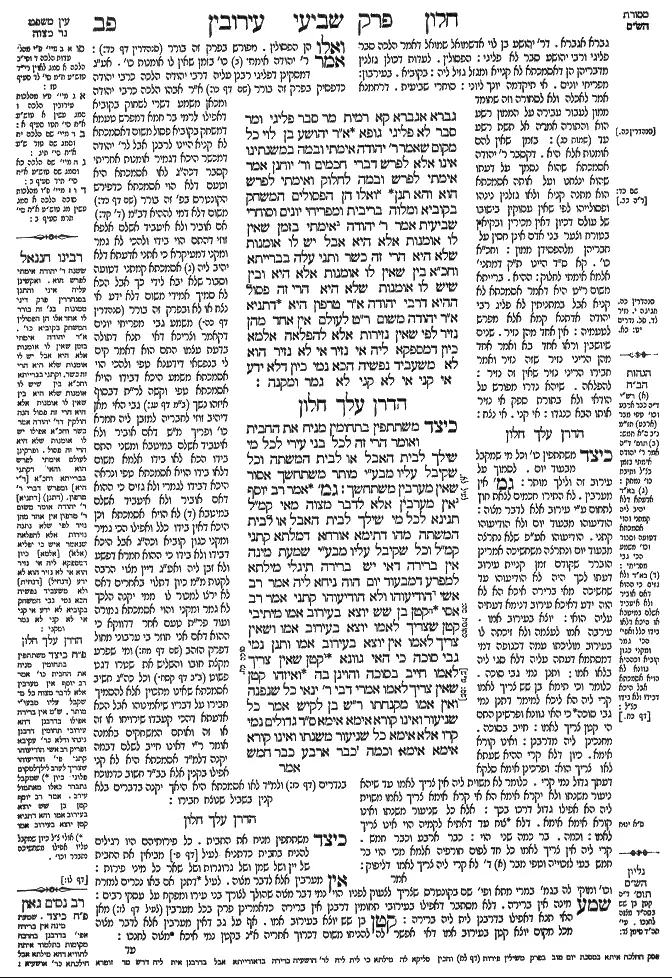
Eruvin 82a - Guemara
גברא אגברא קא רמית מר סבר פליגי ומר סבר לא פליגי גופא א"ר יהושע בן לוי כל מקום שאמר ר' יהודה אימתי ובמה במשנתינו אינו אלא לפרש דברי חכמים ור' יוחנן אמר אימתי לפרש ובמה לחלוק ואימתי לפרש הוא והא תנן ואלו הן הפסולים המשחק בקוביא ומלוה בריבית ומפריחי יונים וסוחרי שביעית אמר ר' יהודה אימתי בזמן שאין לו אומנות אלא היא אבל יש לו אומנות שלא היא הרי זה כשר ותני עלה בברייתא וחכ"א בין שאין לו אומנות אלא היא ובין שיש לו אומנות שלא היא הרי זה פסול ההיא דרבי יהודה א"ר טרפון היא דתניא א"ר יהודה משום ר"ט לעולם אין אחד מהן נזיר לפי שאין נזירות אלא להפלאה אלמא כיון דמספקא ליה אי נזיר אי לא נזיר הוא לא משעביד נפשיה הכא נמי כיון דלא ידע אי קני אי לא קני לא גמר ומקנה:
הדרן עלך חלון
מתני׳ כיצד משתתפין בתחומין מניח את החבית ואומר הרי זה לכל בני עירי לכל מי שילך לבית האבל או לבית המשתה וכל שקיבל עליו מבע"י מותר משתחשך אסור שאין מערבין משתחשך:
גמ׳ אמר רב יוסף שאין מערבין אלא לדבר מצוה מאי קמ"ל תנינא לכל מי שילך לבית האבל או לבית המשתה מהו דתימא אורחא דמלתא קתני קמ"ל וכל שקיבל עליו מבע"י שמעת מינה אין ברירה דאי יש ברירה תיגלי מילתא למפרע דמבעוד יום הוה ניחא ליה אמר רב אשי הודיעוהו ולא הודיעוהו קתני אמר רב אסי קטן בן שש יוצא בעירוב אמו מיתיבי קטן שצריך לאמו יוצא בעירוב אמו ושאין צריך לאמו אין יוצא בעירוב אמו ותנן נמי גבי סוכה כי האי גוונא קטן שאין צריך לאמו חייב בסוכה והוינן בה ואיזהו קטן שאין צריך לאמו אמרי דבי ר' ינאי כל שנפנה ואין אמו מקנחתו ר"ש בן לקיש אמר כל שניעור ואינו קורא אימא אימא ס"ד גדולים נמי קרו אלא אימא כל שניעור משנתו ואינו קורא אימא אימא וכמה כבר ארבע כבר חמש
Comments from Rashi on Masechet Eruvin Page 82a
גברא אגברא . דר' יהושע בן לוי אדשמואל שמואל דאמר הלכה סבר פליגי ור' יהושע סבר לא פליגי: הפסולין . לעדות דכולן גזלנין מדבריהן הן דאסמכתא לא קנייא ומגזל גזיל ליה: בקוביא . בעירבון: מפריחי יונים . אי תיקדמה יונך ליוני: סוחרי שביעית . דרחמנא אמר לאכלה ולא לסחורה וזה שחומד ממון לעבור עבירה על הממון רשע הוא והתורה אמרה אל תשת רשע עד (שמות כג): בזמן שאין להם אומנות אלא היא . דקסבר ר' יהודה אסמכתא שהוא נסמך על דעתו שהוא ינצחנו ועל אותה אסמכתא הוא מתנה קניא ולאו גזלנין נינהו ופסולייהו לפי שאין עסוקין בישובו של עולם דכיון דאין מכירין ובקיאין בטורח וצער בני אדם אינן חסין על חבריהן מלהפסידן ממון: וח"א כו' . קא ס"ד היינו ת"ק דמתניתין אלמא אימתי לחלוק: ההיא . ברייתא משום ר"ט היא דאמר אסמכתא לא קניא אבל במתניתין לא פליג רבי יהודה אדתנא קמא אלא מפרש לטעמיה: אין אחד מהן נזיר . שנים שיושבין וראו אחד בא ואמר אחד מהן הריני נזיר שזה נזיר ואמר חבירו הריני נזיר שאין זה נזיר: להפלאה . שיהא נדרו מפורש על הודאי ולא בתורת ספק אי נזיר אותו הבא כנגדו: אי קני . אי נצח: מתני' כיצד משתתפין כו' וכל מי שמקבל מבעוד יום . לסמוך על עירוב זה ולילך מותר: גמ' אין מערבין . לא התירו חכמים לצאת חוץ לתחום ע"י עירוב אלא לדבר מצוה: הודיעוהו מבעוד יום ולא הודיעוהו קתני . הודיעוהו אע"פ שלא נתרצה מבעוד יום ונתרצה משחשיכה אמרינן הוברר שקודם זמן קניית עירוב דעתו לכך היה לא הודיעוהו עד שחשיכה מאי ברירה איכא הא לא הוה ידע דאיכא עירוב דנימא דעתיה עליה הואי: יוצא בעירוב אמו . עירבה אמו לעצמה ולא זיכתה לו בעירוב מוליכתו עמה דכגופה דמי דמסתמא דעתה עליה דלא סגי ליה בלאו אמו: ותנן נמי גבי סוכה . כלומר וכי תימא בן שש צריך לאמו קרי ליה הא ליכא למימר דתנן נמי גבי סוכה כי האי גוונא ופרשינן התם הי קטן צריך לאמו: חייב בסוכה . מחנכינן ליה מדרבנן: ואינו קורא אימא . כיון דלא קרי ההיא שעתא לאו צריך הוא: ופרכינן אימא סלקא דעתך גדול נמי קרי . כלומר לא משוית ליה אין צריך לאמו עד שיהא ניעור משנתו ולא יקרא אימא הא אי קרא אימא צריך לאמו משוית ליה הא אפילו גדול דרכו בכך: אלא כל שניעור משנתו ואינו קורא אימא אימא . דלא צוח עד דאתיא לקמיה הוי אינו צריך לאמו: וכמה . בר כמה שני הוי: כבר ארבע כבר חמש . קרי ליה אין צריך לאמו כל חד לפום חורפיה אלמא מכי הוי בר חמש בעי לזכוייה וטפי מבר ד' לא קרי ליה צריך לאמו דליפוק:
Comments from Tosafot - Eruvin 82a
ואלו הן הפסולין . מפורש בפרק זה בורר (סנהדרין דף כד:): אמר ר' יהודה אימתי כו' בזמן שאין לו אומנות כו' . אע"ג דמסקינן דפליגי רבנן עליה דרבי יהודה הלכה כרבי יהודה כדפסיק בפרק זה בורר (שם דף כו:) א"ר אבהו הלכה כרבי יהודה ומכאן משמע דשרי לשחוק בקוביא דאפילו לרמי בר חמא דמפרש טעמא דמשחק בקוביא פסול משום דאסמכתא לא קניא היינו לרבנן אבל לר' יהודה דמכשר היכא דגמיר אומנות אחריתי קסבר דכה"ג לאו אסמכתא היא וטעם דלא הוי אסמכתא כדפירש הקונטרס בפ' זה בורר (שם דף כד:) משום דלא דמי לההיא דב"ע (ד' קד:) אם אוביר ולא איעביד אכלם אלפא זוזי דהתם הוי בידו ולהכי לא גמר ומקני דמעיקרא כי אתני ארעתא דלא יהיב ליה אסמכתא קמתני דטועה וסבור שלא יבא לידי כן. אבל הכא לא סמיך אמידי משום דלא ידע אי נצח או לא ובפרק זה בורר (סנהדרין דף כה.) משמע גבי מפריחי יונים דקאמר וצריכא דאי תנא דתולה בדעת עצמו התם הוא דאמר קים לי בנפשאי דידענא ספי ולהכי הוי אסמכתא משמע היכא דבידו הויא אסמכתא טפי וקשה לר"ת דבסוף איזהו נשך (ב"מ דף עג:) גבי האי דיהיב זוזי לחבריה למזבן ליה חמרא כו' ופריך מ"ש דאם אוביר ולא איעביד אשלם במיטבא ומשני התם בידו הכא לאו בידו אלמא משום דלאו בידי הויא אסמכתא טפי ונראה היכא דבידו לגמרי ולא גזים כי ההוא דאם אוביר ולא איעביד אשלם במיטבא לא הויא אסמכתא וכן היכא דאין בידו כלל ואפילו הכי גמיר ומקני כגון קוביא וכה"ג אבל היכא דבידו ולא בידו כי ההוא חמרא דפשע ולא זבן ליה ואע"ג דיין מצוי הרבה לקנות מ"מ כיון דתלוי באחרים דאם לא ירצו למכור לו ממי יקנה הלכך לא גמר ומקני והוי אסמכתא גמורה ועוד פר"ת טעם אחר דדווקא כי ההוא דאם אני חוזר בי ערבוני מחול דפרק הזהב (שם דף מח:) ומי שפרע מקצת חובו והשליש את שטרו דגט פשוט (ב"ב דף קסח.) וכל כה"ג חשיב אסמכתא שאינו מתכוין אלא להסמיך חבירו על דבריו שיאמינוהו אבל הכא אדעתא דהכי קעבדו שירויחו או זה או זה ואותם המשחקים באמנה אומר ר"י דאינו חייב לשלם דבמה יקנה דלמ"ד אסמכתא היא לא קני אפילו בקנין אלא בב"ד חשוב כדמוכח בנדרים (דף כו:) ולמ"ד לאו אסמכתא היא היאך יקנה בדברים בלא קנין בשביל שנוצח חבירו: מתני' כיצד משתתפין מניח את החבית . כל פירותיהם היו רגילים להניח בחבית כדתניא לעיל [עירובין דף פ] מביאין אח החבית של יין ושל שמן ושל גרוגרות ושל שאר כל מיני פירות: אין מערבין אלא לדבר מצוה . לעול דתנן אם באו נכרים למזרח וכו' ומוקי לה בגמ' בחרי מתא ופי' שם בקונטרס שצריך לצעוק לפניו הוי נמי דבר מצוה שהולך לצורך בני עירו ומפקח על עסקי רבים: שמע מינה אין ברירה . דלא מסתבר דאחילו בעירובי תחומין דרבנן אין ברירה כדאמרינן פרק בכל מערבין (לעיל עירובין דף לז:) מאן האי תנא דאפילו בדרבנן לית ליה ברירה: קטן בן שש יוצא בעירוב אמו . אף על גב דאין מערבין אלא לדבר מצוה מכל מקום יוצא קטן בעירוב אמו דאי אפשר לה להניחו משום דכרוך אחריה א"נ בקטן נמי איכא מצוה לחנכו:
Eruvin 82a - Mishnah translated into english
Are you raising a contradiction between the opinion of one person and that of another? In other words, a difficulty cannot be raised from the statement of one amora against those of another. One Sage, Shmuel, maintains that Rabbi Yehuda and the Sages disagree, and one other Sage, Rabbi Yehoshua ben Levi, maintains that they do not disagree.
The Gemara analyzes the statement of Rabbi Yehoshua ben Levi cited in the course of the previous discussion. With regard to the matter itself: Rabbi Yehoshua ben Levi said that any place where Rabbi Yehuda says when, or in what case are these, in the Mishna, he intends only to explain the earlier statement of the Rabbis, not to disagree with them. And Rabbi Yoḥanan said: The term when indicates that Rabbi Yehuda comes to explain, but the phrase in what case is this, indicates that he intends to disagree.
The Gemara raises a difficulty: Is the word when invariably a sign that Rabbi Yehuda merely seeks to explain? Didn’t we learn in a mishna: The following people are disqualified by the Sages from giving testimony, as they are people who commit transgressions for profit: One who plays with dice [kubiyya] for money, and one who lends money at interest, and those who fly pigeons, i.e., people who arrange competitions between pigeons while placing wagers on which bird will fly faster. The reason for their disqualification is that those who play games of chance do not fully relinquish ownership of their gambling money, as they expect to win their bet. Consequently, one who accepts money in such circumstances has effectively taken something that the giver has not wholeheartedly handed over, and he is therefore like a robber, at least by rabbinic decree. The list of those disqualified from giving testimony includes merchants who trade in the produce of the Sabbatical Year, which may be eaten but may not be sold as an object of commerce.
Rabbi Yehuda said: When is this so? When he has no occupation other than this one, but if he has a worthy occupation other than this, although he also earns money by these means, this person is qualified to give testimony. Rabbi Yehuda maintains that one who earns money by means of games of chance is not a criminal or a robber. Rather, the reason why these people are disqualified from giving testimony is because they are not occupied in the constructive development of the world. As they earn their money without effort, they do not care about the monetary losses of others. Consequently, if they have any other occupation, they are valid witnesses.
The Gemara resumes its difficulty: According to the above principle with regard to statements introduced with the term when, Rabbi Yehuda’s statement should be understood merely as an explanation of the previous opinion. However, a baraita was taught about the mishna: And the Rabbis say: Whether he has no occupation other than this one, or whether he has a fitting occupation other than this, this person is disqualified from giving testimony. Apparently, Rabbi Yehuda is disagreeing rather than explaining, even though he introduced his statement with the term when.
The Gemara answers: That opinion in the baraita, with regard to those disqualified from providing testimony, is not the opinion of the Rabbis of the mishna. Rather, it is that of Rabbi Yehuda, who maintained that Rabbi Tarfon said this opinion. The Rabbis of the mishna, however, agree with Rabbi Yehuda in this regard, and his statement serves to explain their position.
As it was taught in a baraita with regard to naziriteship: Rabbi Yehuda said in the name of Rabbi Tarfon: In a case where two people accepted a bet, with each undertaking to become a nazirite if he lost the wager, and a doubt arose as to who won, neither one of them can possibly be a nazirite, as there is no acceptance of naziriteship without clear and definitive pronunciation. A vow of naziriteship is only binding if it was expressly pronounced, i.e., if it was clear from the outset that the person intended to become a nazirite.
Consequently, it can be inferred that since he is in doubt as to whether he is a nazirite or he is not a nazirite, he does not submit himself to and accept his vow of naziriteship. Here, too, Rabbi Yehuda disqualifies those who play games of chance from delivering testimony due to the fact that they are robbers. Since the player does not know whether he will win and acquire the money or whether he will lose and not acquire it, he does not fully transfer ownership of the money with which he plays to others, which means that the one who gains from these games receives money that was not wholeheartedly given to him. He is therefore likened to a robber, at least on the rabbinic level, which disqualifies him from giving testimony.
MISHNA: How does one participate in the joining of Shabbat boundaries? One who wishes to establish a joining of Shabbat boundaries for himself and others places a barrel of food in the location he designates as their place of residence, and says: This is for all the residents of my town, for anyone who wishes to go on Shabbat to a house of mourning or to a house of a wedding feast situated beyond the Shabbat limit. Anyone who accepted upon himself while it was still day, i.e., before the onset of Shabbat, that he will rely on the eiruv, is permitted to rely upon it; but if one did so only after nightfall, he is prohibited to rely upon it, as the principle is that one may not establish an eiruv after nightfall.
GEMARA: Rav Yosef said: One may establish a joining of Shabbat boundaries only for the purpose of a mitzva, i.e., to enable the fulfillment of a religious obligation, but not for an optional activity. The Gemara asks: What novel element is he teaching us by this? We explicitly learned this idea in the mishna from the phrase: For anyone who wishes to go on Shabbat to a house of mourning or to a house of a wedding feast. This mishna indicates that an eiruv may be established only for the purpose of a mitzva, e.g., in order to comfort mourners or to celebrate a wedding, but not for any other reason.
The Gemara answers: This teaching is necessary, lest you say that the mishna merely teaches the usual case. Generally, a group of people would establish an eiruv in order to walk beyond the Shabbat limit only for a special purpose, such as a wedding, but one might be permitted to establish an eiruv even for an optional activity as well. Rav Yosef therefore teaches us that an eiruv may indeed be established only for the purpose of a mitzva.
We learned in the mishna: Anyone who accepted upon himself while it was still day that he will rely upon the eiruv is permitted to rely upon it on Shabbat. The Gemara comments: Apparently, learn from here that there is no halakhic principle of retroactive clarification. That is to say, there is no halakhic assumption that an uncertain state of affairs can be retroactively clarified. A later statement or action cannot retroactively clarify one’s earlier intentions as though he had explicitly stated those intentions at the outset. For if there is a halakhic principle of retroactive clarification, the eiruv should be effective even if one relied upon it only after nightfall, as it is retroactively revealed that he wanted the eiruv while it was still day.
Rav Ashi said that the mishna teaches: While it was still day. This phrase does not require one to make the decision to rely on the eiruv before Shabbat. Rather, the criterion for using the eiruv on Shabbat is whether they informed him or they did not inform him of the existence of the eiruv prior to Shabbat. In other words, if one knew about the eiruv while it was still day, he may rely on it, even if he decided to use it only after the onset of Shabbat, as the halakhic principle of retroactive clarification is accepted. However, if one was unaware of the existence of the eiruv when it came into effect at the onset of Shabbat, the matter cannot be retroactively clarified.
Rav Asi said: A six-year-old child may go out by means of his mother’s eiruv. As he is subordinate to her, he is included in her eiruv and does not require his own eiruv. The Gemara raises an objection from a baraita: A child who needs his mother may go out by means of his mother’s eiruv, but one who does not need his mother may not go out by means of his mother’s eiruv.
And we also learned a similar halakha in a mishna with regard to a sukka: A child who does not need his mother is obligated in the mitzva of sukka by rabbinical law, so that he will be trained in the observance of mitzvot.
And we discussed this mishna and raised a question: But who is the child who does not need his mother? The Sages of the school of Rabbi Yannai said: This is referring to any child who defecates and his mother does not wipe him. A child who can clean himself is considered sufficiently mature for the purposes of the halakha of sukka.
Rabbi Shimon ben Lakish said: Any child who wakens from sleep and does not call: Mother, is obligated in the mitzva of sukka. The Gemara expresses surprise at this statement: Can it enter your mind that every child who cries: Mother is considered to be one who needs his mother? Much older children also call out to their mothers for assistance when they awaken. Rather, say that the halakha includes any child who wakens from sleep and does not persistently call: Mother, Mother. A minor who arises only when his mother comes is classified as one who needs his mother.
The Gemara continues. The Sages who discussed the mishna asked: And at what age is a child no longer considered to be in need of his mother? Such a child is one about four years old or about five years old, as some children become independent of their mothers earlier than others. This poses a difficulty to the opinion of Rav Asi, who maintains that even a six-year-old child is considered to be in need of his mother, and may go out by means of his mother’s eiruv.
Traduction : The William Davidson digital edition of the Koren Noé Talmud, with commentary by Rabbi Adin Even-Israel Steinsaltz.