 Talmud Bavli
Eruvin 95a : Youtube
Rabi Yitzchok LobensteinYoutube
2 video classes :
Eruvin Page 95a
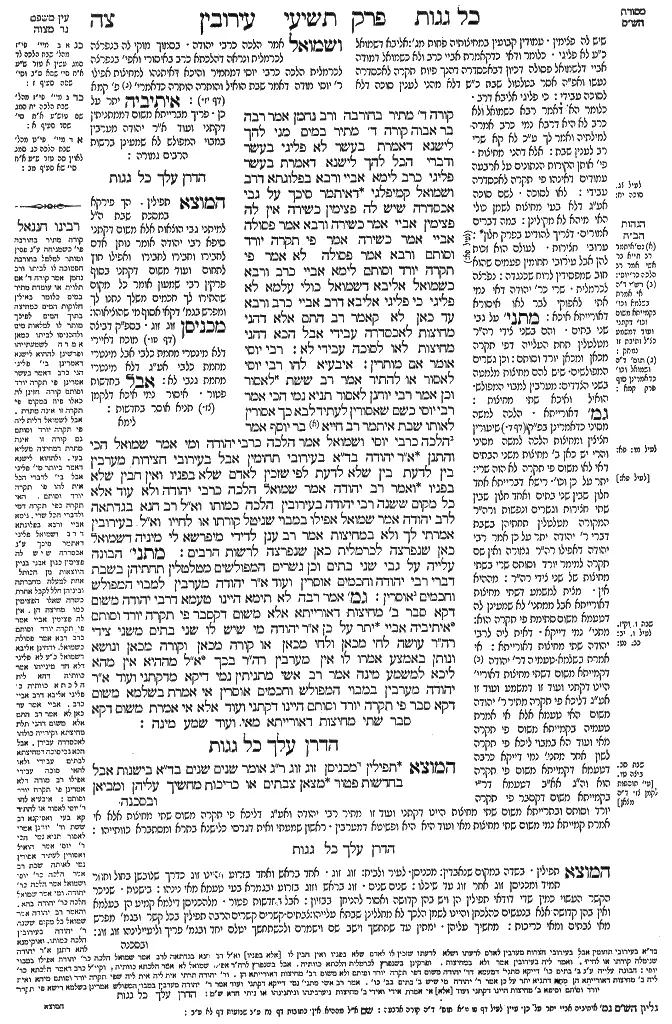
Eruvin 95a - Guemara
קורה ד' מתיר בחורבה ורב נחמן אמר רבה בר אבוה קורה ד' מתיר במים מני להך לישנא דאמרת בעשר לא פליגי בעשר ודברי הכל להך לישנא דאמרת בעשר פליגי כרב לימא אביי ורבא בפלוגתא דרב ושמואל קמיפלגי דאיתמר סיכך על גבי אכסדרה שיש לה פצימין כשירה אין לה פצימין אביי אמר כשירה ורבא אמר פסולה אביי אמר כשירה אמר פי תקרה יורד וסותם ורבא אמר פסולה לא אמר פי תקרה יורד וסותם לימא אביי כרב ורבא כשמואל אליבא דשמואל כולי עלמא לא פליגי כי פליגי אליבא דרב אביי כרב ורבא עד כאן לא קאמר רב התם אלא דהני מחיצות לאכסדרה עבידי אבל הכא דהני מחיצות לאו לסוכה עבידי לא:
רבי יוסי אומר אם מותרין:
איבעיא להו רבי יוסי לאסור או להתיר אמר רב ששת לאסור וכן אמר רבי יוחנן לאסור תניא נמי הכי אמר רבי יוסי כשם שאסורין לעתיד לבא כך אסורין לאותו שבת איתמר רב חייא בר יוסף אמר הלכה כרבי יוסי ושמואל אמר הלכה כרבי יהודה ומי אמר שמואל הכי והתנן א"ר יהודה בד"א בעירובי תחומין אבל בעירובי חצירות מערבין בין לדעת בין שלא לדעת לפי שזכין לאדם שלא בפניו ואין חבין שלא בפניו ואמר רב יהודה אמר שמואל הלכה כרבי יהודה ולא עוד אלא כל מקום ששנה רבי יהודה בעירובין הלכה כמותו וא"ל רב חנא בגדתאה לרב יהודה אמר שמואל אפילו במבוי שניטל קורתו או לחייו וא"ל בעירובין אמרתי לך ולא במחיצות אמר רב ענן לדידי מיפרשא לי מיניה דשמואל כאן שנפרצה לכרמלית כאן שנפרצה לרשות הרבים:
מתני׳ הבונה עלייה על גבי שני בתים וכן גשרים המפולשים מטלטלין תחתיהן בשבת דברי רבי יהודה וחכמים אוסרין ועוד א"ר יהודה מערבין למבוי המפולש וחכמים אוסרין:
גמ׳ אמר רבה לא תימא היינו טעמא דרבי יהודה משום דקא סבר ב' מחיצות דאורייתא אלא משום דקסבר פי תקרה יורד וסותם איתיביה אביי יתר על כן א"ר יהודה מי שיש לו שני בתים משני צידי רה"ר עושה לחי מכאן ולחי מכאן או קורה מכאן וקורה מכאן ונושא ונותן באמצע אמרו לו אין מערבין רה"ר בכך א"ל מההיא אין מהא ליכא למשמע מינה אמר רב אשי מתניתין נמי דיקא מדקתני ועוד א"ר יהודה מערבין במבוי המפולש וחכמים אוסרין אי אמרת בשלמא משום דקא סבר פי תקרה יורד וסותם היינו דקתני ועוד אלא אי אמרת משום דקא סבר שתי מחיצות דאורייתא מאי ועוד שמע מינה:
הדרן עלך כל גגות
מתני׳ המוצא תפילין מכניסן זוג זוג ר"ג אומר שנים שנים בד"א בישנות אבל בחדשות פטור מצאן צבתים או כריכות מחשיך עליהן ומביאן
Comments from Rashi on Masechet Eruvin Page 95a
קורה ארבעה מתיר בחורבה . חורבה הפרוצה ברשות הרבים ונאסרה בטלטול ויש בה קורה ראשיה נתונים על שני יתידות מותר לטלטל תחתיה דארבע פיותיה יורדין וסותמין ב' בצדה וב' בראשיה: שיש לה פצימין . עמודין קבועין במחיצותיה פחות מג': אליבא דשמואל כ"ע לא פליגי . כלומר ודאי כדקאמרת אביי כרב ולא כשמואל דמודה אביי דלשמואל פסולה דכיון דבאכסדרה דהנך פיות תקרה לאכסדרה נעשו ואפ"ה אסר בטלטול שבת כ"ש דלא מהני לענין סוכה דלא לסוכה עבידי: כי פליגי אליבא דרב . כלומר הא דאמר רבא כשמואל ולא כרב לא היא דרבא נמי כרב אמרה למילתיה ואמר לך ע"כ לא קא שרי רב לענין שבת: אלא דהני מחיצות . פי' אותן הקורות הנתונים על ארבעה עמודים דאינהו פי תקרה לאכסדרה עבידי: לאו לסוכה . לשם סוכה אע"ג דלא בעי מחיצות לשמן כולי האי מיהא לא מקילינן: במה דברים אמורים . דצריך להודיע בפרק חלון: ערובי חצירות . לעולם הוא זכות להן אבל עירובי תחומין פעמים שהוא חוב שמפסידין לרוח שכנגדה: נפרצה לכרמלית . שרי כר' יהודה דאי נמי אתי לאפוקי לבר לאו איסורא דאורייתא איכא: מתני' על גבי שני בתים . והם בשני צידי רה"ר מטלטלין תחת העלייה דפי תקרה מכאן ומכאן יורד וסותם: וכן גשרים המפולשים . שיש להם מחיצות מלמטה בשני הצדדים: מערבין למבוי המפולש . הואיל ואיכא שתי מחיצות: גמ' דאורייתא . הלכה למשה מסיני כדאמרינן בפ"ק (דף ד.) שיעורין חציצין ומחיצות הלכה למשה מסיני והרי יש כאן ב' מחיצות משני הבתים דאי לאו משום פי תקרה לא הוה שרי: יתר על כן וכו' . רישא דברייתא אחד חלון שבין שני בתים ואחד חלון שבין שתי חצירות וגשרים ונפשות ורה"ר המקורה מטלטלין תחתיהן בשבת דברי ר' יהודה יתר על כן אמר רבי יהודה דאפילו רה"ר גמורה ואין שם תקרה למימר יורד וסותם שרי בשתי מחיצות של שני צידי רה"ר: מההיא אין . מצית למשמע דשתי מחיצות דאורייתא אבל ממתני' לא שמעינן לה דטעמא משום סתימת פי תקרה הוא: מתני' נמי דייקא . דאית ליה לרבי יהודה שתי מחיצות דאורייתא: אי אמרת בשלמא . טעמיה דר' יהודה דקמייתא משום דשתי מחיצות דאוריי' היינו דקתני ועוד זו דמשמע ועוד זו אע"ג דליכא פי תקרה מתיר ר' יהודה משום האי טעמא אלא אי אמרת טעמיה בקמייתא משום פי תקרה מאי ועוד הא במבוי ליכא פי תקרה לשון אחר מתני' נמי דייקא כרבה דטעמא דקמייתא משום פי תקרה הוא וה"ג אא"ב דטעמא דר"י בקמייתא משום דקסבר פי תקרה יורד וסותם ובתרייתא משום שתי מחיצות היינו דקתני ועוד זו מתיר רבי יהודה ואע"ג דליכא פי תקרה משום שתי מחיצות אלא אי אמרת קמייתא נמי משום שתי מחיצות מאי ועוד היא היא ופשיטא דמערבין ראשון שמעתי ואית דגרסי כלישנא בתרא ומסתברא כוותייהו: מתני' המוצא תפילין . בשדה במקום שנאבדין: מכניסן . לעיר ולבית: זוג זוג . אחד בראש ואחד בזרוע והיינו זוג כדרך שלובשן בחול וחוזר תמיד ומכניסן זוג אחר זוג עד שיכלו: שנים שנים . זוג בראש וזוג בזרוע ובגמרא בעי טעמא מאי נינהו: בישנות . שניכר הקשר העשוי כמין שדי דודאי תפילין הן ויש בהן קדושה ואסור להניחן בבזיון: אבל בחדשות פטור . מלהכניסן דילמא קמיע הן בעלמא ואין בהן קדושה אלא בנעשים כהלכתן והיינו לשמן הלכך לא מחללינן שבתא עלייהו: צבתים . קשרים קשרים הרבה תפילין בכל קשר ובגמ' מפרש מאי צבתים ומאי כריכות: מחשיך עליהן . ימתין עד שתחשך וישב שם וישמרם ולכשתחשך יטלם יחד ובגמ' פריך וליעיילינהו זוג זוג:
Comments from Tosafot - Eruvin 95a
מתני' המוצא תפילין . הך פירקא במסכת שבת ה"ל למיתני גבי הוצאות אלא משום דקתני סיפא רבי יהודה אומר נותן אדם לחבירו וחבירו לחבירו ואפילו חוץ לתחום ועוד משום דקתני בסוף פרקין רבי שמעון אומר כל מקום שהתירו לך חכמים משלך נתנו לך ומפרש בגמ' דקאי אסוף מי שהוציאוהו: מכניסן זוג זוג . בספ"ק דביצה (דף טו.) מוכח דאיירי דלא מינטרי מחמת כלבי אבל מינטרי מחמת כלבי אע"ג דלא מינטרי מחמת גנבי לא: אבל בחדשות פטור . איסור נמי איכא דלקמן (עירובין צז.) תניא אוסר בחדשות:
Eruvin 95a - Mishnah translated into english
A cross beam four handbreadths wide renders carrying in a ruin that is breached into a public domain permitted, as the edge of the cross beam is considered to descend and seal the breach. And that which Rav Naḥman said that Rabba bar Avuh said: A cross beam four handbreadths wide renders carrying in water permitted like a partition. In accordance with whose opinion were these rulings stated?
The Gemara explains: According to this version that you stated, that Rav and Shmuel agree with regard to an opening no wider than ten cubits, here it is referring to a cross beam that is no longer than ten cubits, and everyone, both Rav and Shmuel, agrees with these rulings. According to that other version that you stated, that they disagree with regard to an opening no wider than ten cubits, these rulings are in accordance with the opinion of Rav alone.
The Gemara suggests: Let us say that Abaye and Rava are disagreeing with regard to the point that was the subject of a dispute between Rav and Shmuel. As it was stated: If one placed roofing on top of a portico that has doorposts, i.e., pillars that form the beginnings of partitions, it is a valid sukka. If, however, he placed the roofing atop a portico that has no doorposts, there is a dispute. Abaye said: It is a valid sukka. And Rava said: It is invalid.
The Gemara elaborates: Abaye said: It is valid. As he said: The edge of a roof descends and seals. Since the portico is roofed, it is considered to have partitions as well. And Rava said: It is invalid, as he did not say: The edge of a roof descends and seals. Let us say that Abaye holds in accordance with the opinion of Rav, and Rava holds in accordance with the opinion of Shmuel?
The Gemara answers: According to the opinion of Shmuel, everyone, including Abaye, agrees that this sukka is invalid. Where they disagree is according to the opinion of Rav. Abaye holds in accordance with the opinion of Rav in a straightforward manner. And Rava claims: Rav stated his opinion, that the edge of the portico descends and seals, only there, where those partitions formed by the roof were built for the portico, and they are therefore viewed as sealing it. However, here, where these partitions were not built for the mitzva of sukka, no, even Rav would agree that the partitions are not sufficiently significant to utilize for the purpose of this mitzva.
We learned in the mishna: Rabbi Yosei says: If they are permitted to carry there on that Shabbat, they are likewise permitted to do so in the future, and if they are prohibited from carrying there in the future, they are also prohibited from carrying there on that Shabbat A dilemma was raised before the Sages: Did Rabbi Yosei intend to prohibit carrying even on that Shabbat, or to permit carrying even in the future?
Rav Sheshet said: His intention was to prohibit carrying even on that Shabbat. And similarly, Rabbi Yoḥanan said: His intention was to prohibit carrying even on that Shabbat. This opinion was also taught in a baraita: Rabbi Yosei said: Just as they are prohibited from carrying in the future, so are they prohibited from carrying on that Shabbat.
It was stated: Rav Ḥiyya bar Yosef said that the halakha is in accordance with the opinion of Rabbi Yosei, while Shmuel said that the halakha is in accordance with the opinion of Rabbi Yehuda.
The Gemara expresses surprise: But did Shmuel really say this? Didn’t we learn in a mishna that Rabbi Yehuda said: In what case are these matters, that an eiruv may be established for a person only with his knowledge, stated? It is with regard to a joining of Shabbat boundaries, but with regard to a joining of courtyards, one may establish an eiruv for another person both with his knowledge and without his knowledge, because one may act in a person’s interest even when not in his presence, but one may act to his disadvantage only in his presence. One may take unilateral action on another’s behalf when it is to that other person’s benefit. However, if it is to that person’s disadvantage, or when the action entails both benefits and disadvantages, he may act on the other person’s behalf only if he was explicitly appointed as his agent. A joining of courtyards is always to a person’s benefit, and therefore it can be established even without his knowledge. However, with regard to a joining of Shabbat boundaries, any distance that a person gains in one direction he forfeits in the opposite direction. Consequently, this type of eiruv may be established only with his knowledge.
And Rav Yehuda said that Shmuel said: The halakha is in accordance with the opinion of Rabbi Yehuda. And furthermore, anyplace where Rabbi Yehuda taught with regard to the halakhot of eiruv, the halakha is in accordance with his opinion.
And Rav Ḥana of Baghdad said to Rav Yehuda: Did Shmuel state this ruling even with regard to an alleyway whose cross beam or side post was removed during Shabbat? And Rav Yehuda said to him: I spoke to you with regard to the acquisition of an eiruv, and not with regard to partitions. The Gemara asks: How, then, could Shmuel rule that the halakha is in accordance with the opinion of Rabbi Yehuda in this case, after explicitly stating that the halakha is not in accordance with his opinion in the case of fallen partitions?
Rav Anan said: This matter was explained to me personally by Shmuel himself: Here, where Shmuel rules in accordance with the opinion of Rabbi Yehuda, it is in a case where the courtyard was breached into a karmelit. In that case the halakha is lenient, as there is no concern lest one transgress a Torah prohibition. There, where Shmuel states that the halakha is not in accordance with the opinion of Rabbi Yehuda, it is in a case where the courtyard was breached into a public domain, and the halakha is therefore stringent, due to the concern lest one transgress a Torah prohibition.
MISHNA: With regard to one who builds an upper story atop two houses on opposite sides of a public domain that passes beneath it, and likewise bridges with a thoroughfare beneath them that rest on walls on opposite sides of a public domain, one may carry beneath the upper story and beneath the bridge on Shabbat. This is the statement of Rabbi Yehuda, who maintains that these areas are considered private domains. And the Rabbis prohibit carrying in these areas.
And furthermore, Rabbi Yehuda said: One may establish an eiruv even for an alleyway that is open at both ends, with no need for any additional measures, and the Rabbis prohibit doing so.
GEMARA: Rabba said: Do not say this is Rabbi Yehuda’s reason; that he maintains that by Torah law two partitions constitute a private domain, i.e., the areas beneath the upper story and the bridge are considered private domains, as each has two partitions, one on each side of the public domain. Rather, the reason for Rabbi Yehuda’s opinion is because he maintains that the edge of a roof descends and seals. The edges of the upper story and the bridge are considered to seal the areas beneath them.
Abaye raised an objection to Rabba from a baraita: Furthermore, Rabbi Yehuda said: With regard to one who has two houses on two sides of a public domain and seeks to carry from one house to the other on Shabbat via the public domain, he places a side post from here, adjacent to one of the houses, and another side post from there, adjacent to the other house, or he places a cross beam from here and another cross beam from there, and he may subsequently carry objects and place them in the middle of the area, as he transformed it into a private domain. His colleagues said to him: One cannot establish an eiruv to transform a public domain into a private domain in this manner. Clearly, the rationale for Rabbi Yehuda’s opinion in that case is not that the edge of the roof descends and seals, as the area is not covered. Rather, he apparently holds that by Torah law, two walls suffice to form a private domain.
Rabba said to him: From that baraita, yes, it is indeed possible to arrive at this conclusion. But from this, the mishna, nothing can be learned from this source, as there could be a different reason for Rabbi Yehuda’s opinion.
Rav Ashi said: The mishna is also precise in its wording, as it indicates that the rationale for Rabbi Yehuda’s opinion is that the edge of a roof descends and seals. As the mishna teaches: And furthermore, Rabbi Yehuda said: One may establish an eiruv even for an alleyway that is open at both ends, and the Rabbis prohibit doing so.
Granted, if you say that the reason for Rabbi Yehuda’s leniency with regard to carrying beneath an upper story and a bridge is that he maintains that the edge of a roof descends and seals, that is why the mishna states: And furthermore, to introduce the ruling for an alleyway. In other words, the tanna of our mishna is saying that the ruling applies not only to a roofed area, but also to an unroofed alleyway, despite the fact that the reason there is that two partitions suffice to create a private domain by Torah law.
However, if you say that Rabbi Yehuda permitted the first case as well because he maintains that by Torah law two partitions suffice to create a private domain, what is the need for the introduction: And furthermore? The rationale for the second ruling is no different from the rationale for the first. The Gemara concludes: Indeed, learn from here that this is correct.
MISHNA: One who finds phylacteries outside the city on Shabbat, where they are in danger of becoming lost or damaged, brings them in to his house pair by pair by donning them in the manner in which they are typically donned for the mitzva. Rabban Gamliel says: He brings them in two pairs by two pairs. In what case is this statement that one is permitted to carry phylacteries inside said? It is with regard to old phylacteries, which have already been used and are designated for the mitzva. However, with regard to new ones, as it is unclear whether they are phylacteries or merely amulets in the form of phylacteries, he is exempt from performing the task.
If one finds phylacteries tied in bundles or in wrapped piles, in which case he is unable to carry them in pairs, he sits there and waits with them until dark, guarding them until the conclusion of Shabbat, and then brings them in to his house.
Traduction : The William Davidson digital edition of the Koren Noé Talmud, with commentary by Rabbi Adin Even-Israel Steinsaltz.