 Talmud Bavli
Eruvin 79a : Youtube
Rabi Yitzchok LobensteinYoutube
2 video classes :
Eruvin Page 79a
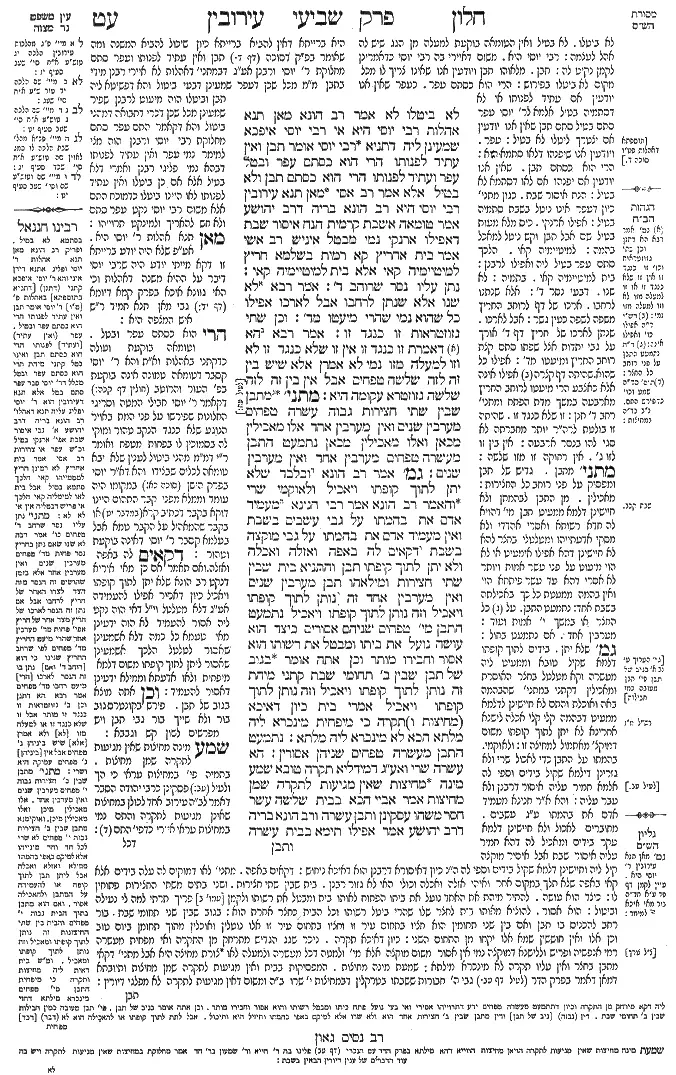
Eruvin 79a - Guemara
לא ביטלו לא אמר רב הונא מאן תנא אהלות רבי יוסי היא אי רבי יוסי איפכא שמעינן ליה דתניא רבי יוסי אומר תבן ואין עתיד לפנותו הרי הוא כסתם עפר ובטל עפר ועתיד לפנותו הרי הוא כסתם תבן ולא בטיל אלא אמר רב אסי מאן תנא עירובין רבי יוסי היא רב הונא בריה דרב יהושע אמר טומאה אשבת קרמית הנח איסור שבת דאפילו ארנקי נמי מבטל איניש רב אשי אמר בית אחריץ קא רמית בשלמא חריץ למיטיימיה קאי אלא בית למיטיימיה קאי:
נתן עליו נסר שרוחב ד':
אמר רבא לא שנו אלא שנתן לרחבו אבל לארכו אפילו כל שהוא נמי שהרי מיעטו מד':
וכן שתי גזוזטראות זו כנגד זו:
אמר רבא הא דאמרת זו כנגד זו אין זו שלא כנגד זו לא וזו למעלה מזו נמי לא אמרן אלא שיש בין זה לזה שלשה טפחים אבל אין בין זה לזה שלשה גזוזטרא עקומה היא:
מתני׳ מתבן שבין שתי חצירות גבוה עשרה טפחים מערבין שנים ואין מערבין אחד אלו מאכילין מכאן ואלו מאכילין מכאן נתמעט התבן מעשרה טפחים מערבין אחד ואין מערבין שנים:
גמ׳ אמר רב הונא ובלבד שלא יתן לתוך קופתו ויאכיל ולאוקמי שרי והאמר רב הונא אמר רבי חנינא מעמיד אדם את בהמתו על גבי עשבים בשבת ואין מעמיד אדם את בהמתו על גבי מוקצה בשבת דקאים לה באפה ואזלה ואכלה ולא יתן לתוך קופתו תבן והתניא בית שבין שתי חצירות ומילאהו תבן מערבין שנים ואין מערבין אחד זה נותן לתוך קופתו ויאכיל וזה נותן לתוך קופתו ויאכיל נתמעט התבן מי' טפחים שניהם אסורים כיצד הוא עושה נועל את ביתו ומבטל את רשותו הוא אסור וחבירו מותר וכן אתה אומר בגוב של תבן שבין ב' תחומי שבת קתני מיהת זה נותן לתוך קופתו ויאכיל וזה נותן לתוך קופתו ויאכיל אמרי בית כיון דאיכא (מחיצות ו) תקרה כי מיפחית מינכרא ליה מלתא הכא לא מינכרא ליה מלתא:
נתמעט התבן מעשרה טפחים שניהן אסורין:
הא עשרה שרי ואע"ג דמידליא תקרה טובא שמע מינה מחיצות שאין מגיעות לתקרה שמן מחיצות אמר אביי הכא בבית שלשה עשר חסר משהו עסקינן ותבן עשרה ורב הונא בריה דרב יהושע אמר אפילו תימא בבית עשרה
Comments from Rashi on Masechet Eruvin Page 79a
לא ביטלו . לא בטיל ואין הטומאה בוקעת למעלה מן הגג שיש לה אהל לעצמה: רבי יוסי היא . משום דאיירי בה רבי יוסי כדאמרינן לקמן נקיט לה: תבן . מלאוהו תבן ויודעין אנו שאינו צריך לו מכל מקום לא ביטלו בפירוש: הרי הוא כסתם עפר . כעפר שאין אנו יודעין אם עתיד לפנותו אי לא דסתמיה בטיל אלמא לר' יוסי עפר סתם בטיל סתם תבן שאין אנו יודעין אם יצטרך ליטלו לא בטיל: עפר . ויודעין אנו שיפנהו דלאו סתמא הוא: הרי הוא כסתם תבן . שאין אנו יודעין אם יפנהו אם לאו דסתמא לא בטיל: הנח איסור שבת . כגון מתני' כיון דעפר אינו ניטל בשבת סתמיה בטיל: אפילו ארנקי . כיס מלא מעות בטיל שם אבל תבן וקש ניטל למאכל בהמה: למיטיימיה קאי . הלכך סתם עפר בטיל ליה ואפילו לרבנן: בית למיטיימיה קאי . בתמיה: לא שנו . דבעי נסר ד': אלא שנתנו לרחבו . ארכו של דף לרוחב החריץ משפה לשפה כעין גשר: אבל לארכו . שנתן לארכו של חריץ דף ד' אורך על גבי יתדות אצל שפתו סתם קצת רוחב החריץ ומיעטו מד': אפילו כל שהוא . שהיתה דף קצרה אפילו אינה אלא כאצבע הרי מיעטו לרוחב החריץ מארבעה במשך מדת הפתח ומתני' רחב ד' תנן: זו שלא כנגד זו . שהיתה זו בולטת לרה"ר יותר מחברתה לא סגי להו בנסר ארבעה: אין בין זו לזו ג' . אין רחוקה זו מזו שלשה: מתני' מתבן . גדיש של תבן ומפסיק על פני רוחב כל החצירות: מאכילין . מן התבן לבהמתן ולא חיישינן דילמא ממעיט תבן מי' דהויא לה חדא רשותא ואסרי אהדדי ולא מסקי אדעתייהו ומטלטלי בחצר להא לא חיישינן דהא אפילו אימעיט אי לא הוי מיעוט על פני עשר אמות ויותר לא אסרי דהא עד עשר פיתחא הוי ואין בהמה ממעטת כל כך באכילתה בשבת אחד: נתמעט התבן . על כל החצר או במשך י' אמות ועוד: מערבין אחד . אם נתמעט בחול: גמ' שלא יתן . בידים לתוך קופתו דלמא שקיל טובא וממעיט ליה מעשרה וקא מטלטל בחצר האוסרת ומאכילין דקתני במתניתין שהבהמה באה ואוכלת והתם לא חיישינן לדלמא ממעיט דבהמה קלי קלי אכלה לישנא אחרינא לא יתן לתוך קופתו משום דמוקצ' מאתמול למחיצה זו: ולאוקמי . בהמתו על התבן כדי לאכול שרי ולא גזרינן דילמא שקיל בידים וספי לה אלמא חמיר עליה איסור דרבנן ולא עבר עליה: והא א"ר חנינא מעמיד אדם את בהמתו ע"ג עשבים . מחוברים לאכול ולא חיישינן דלמא עקר בידים ומאכיל לה דהא חמיר עליה איסור שבת אבל איסור מוקצה קיל ליה וחיישינן דלמא שקיל בידים וספי לה ה"נ כיון דאיסורא דרבנן הוא דאיכא ניחוש: דקאים באפה . מתני' לאו דמוקים לה עלה בידים אלא קאי באפה שלא תלך במקום אחר ואיהי אזלה ואכלה וכולי האי לא גזור רבנן: בית שבין שתי חצירות . ושני בתים משתי החצירות פתוחין לו: כיצד הוא עושה . להתיר מיהת את האחד נועל את ביתו הפתוח לאותו בית ומבטל את רשותו ולקמן [עמו' ב'] פריך תרתי למה לי נעילה וביטול: הוא אסור . להוציא מאותו בית לחצר שלו שהרי ביטל רשותו וכל הבית כחצר אחרת הוא: בגוב שבין שני תחומי שבת . בור רחב להכניס בו תבן ואם בין שני תחומין הוא חציו בתחום עיר זו וחציו בתחום עיר זו אלו נוטלין ואוכלין מתוך תחומן ביום טוב וכן אלו ואין חוששין שמא אלו יקחו מן התחום השני: כיון דאיכא תקרה . ניכר שגג הגדיש מתרחק מן התקרה ואי מפחית מעשרה רמי אנפשיה ופריש וללישנא דמוקצה נמי אין אסור משום מוקצה אלא מי' ולמטה דכל מעשרה ולמעלה לאו צורת מחיצה היא אבל מתני' דקאי מתבן בחצר ואין עליו תקרה לא מינכרא מילתא: שמעת מינה מחיצות . המפסיקות בבית ואין מגיעות לתקרה שמן מחיצות ותיובתא דמאן דאמר בפרק הדר (לעיל עירובין דף עב.) גבי ה' חבורות ששבתו בטרקלין דבמחיצות י' שרו ב"ה ומשום דאין מגיעות לתקרה לא מפלגי דיורין:
Comments from Tosafot - Eruvin 79a
מאן תנא אהלות ר' יוסי היא . אע"פ שלא היה יודע ברייתא זו דקא מייתי יודע היה שרבי יוסי דיבר על ההיא משנה דאהלות וכי האי גוונא איכא בפרק קמא דיומא (דף יד:) גבי מאן תנא תמיד ר"ש איש המצפה היא: הרי הוא כסתם עפר ובטל . וטומאה בוקעת ועולה כדקתני באהלות וא"ת והא ר' יוסי קסבר דטומאה טמונה אינה בוקעת בפ' העור והרוטב (חולין דף קכה:) דקאמר ר' יוסי חבילי המטה וסריגי החלונות שפירשו על פני המת באויר הנוגע שלא כנגד הנקב טהור ומוקי לה בסמוכין לו בפחות מטפח ואומר ר"י דמ"מ מהני ביטול לענין שלא יבא טומאה לכלים שבצידו והא דא"ר יוסי בפרק הישן (סוכה כא:) במקומו היה עומד וממלא מפני קבר התהום היינו דוקא בקבר דכתיב קרא (במדבר יט) או בקבר שהמאהיל על הקבר טמא אבל בעלמא קסבר ר' יוסי דאינה בוקעת וטהור: דקאים לה באפה ואזלה . ואם תאמר אם כן מאי איריא דנקט רב הונא שלא יתן לתוך קופתו ויאכיל כיון דאסור אפילו להעמידה אע"נ דלא מטלטל וי"ל דאי הוה נקט ליה אסור להעמיד לא הוה ידעינן מאי טעמא כל כמה דלא אשמעינן שאסור לטלטל הלכך אשמעינן שאסור ליתן לתוך קופתו משום דלמא מיפחית ולאו אדעתא וממילא ידעינן דאסור להעמיד: וכן אתה מוצא בגוב של תבן . פירש בקונטרס גוב בור ולא שייך בור גבי תבן ויש מפרשים לשון קש וגבבא: שמע מינה מחיצות שאין מגיעות לתקרה שמן מחיצות . בתמיה פי' במחיצות עראי כי הך ולעיל (עירובין עב:) פסקינן כרבי יהודה הסבר דאמר לב"ה עירוב אחד לכולן במחיצות שאינן מגיעות לתקרה והתם נמי במחיצות עראי איירי כדפי' התם:
Eruvin 79a - Mishnah translated into english
However, if he did not nullify it, no, the house retains the status of a house, although it is filled with hay. Rav Huna said: Who is the tanna who taught tractate Oholot? It is Rabbi Yosei, and the tanna of the mishna does not accept his opinion.
The Gemara asks: If that mishna is in accordance with the opinion of Rabbi Yosei, there is a difficulty, since we heard him say the opposite, as it was taught in the Tosefta that Rabbi Yosei says: In a case where there is a house full of hay and the owner does not intend to remove, it is considered as though it were filled with indeterminate dirt, and it is therefore nullified. However, if the house was full of dirt that he intends to remove, it is considered as though it were filled with indeterminate hay, and it is therefore not nullified. Apparently, the decisive factor for Rabbi Yosei is not the specific material in the house, but whether or not the owner intends to remove it.
Rather, Rav Asi said: Who is the tanna who taught tractate Eiruvin? It is Rabbi Yosei, who does not accept the opinion of the tanna of tractate Oholot.
Rav Huna, son of Rav Yehoshua, said: Are you raising a contradiction between the halakhot of ritual impurity and the halakhot of Shabbat? These two areas of halakha cannot be compared. Leave aside the prohibition of Shabbat. With regard to Shabbat, a person nullifies even a pouch full of money. The pouch may not be moved on Shabbat and is therefore considered fixed in place. However, hay, which may be moved even on Shabbat, is not considered to be fixed in the ditch. With regard to ritual impurity, by contrast, the nullification must be permanent.
Rav Ashi said: And are you raising a contradiction between the halakha that governs a house and that which governs a ditch? Granted in the case of a ditch, it typically stands to be permanently filled. As there is no doubt that one’s intention is to fill the ditch, the assumption is that anything placed inside a ditch will remain there. However, does a house stand to be permanently filled? Of course it does not. Presumably, the hay and dirt will be removed. Consequently, additional proof is necessary in order to conclude that the owner of the house intends to seal it permanently.
The mishna states: If one placed a plank that is four handbreadths wide across a ditch that separates two courtyards, the plank is considered an entrance. Rava said: They taught this halakha only in a case where one placed the plank along the width of the ditch. But if one positioned a plank along its length, even if the plank is of minimum width, it is also considered an entrance and reduces the ditch, as he reduced the opening to less than four handbreadths. The ditch was originally only four handbreadths wide. Therefore, if one places a plank of any width along its length, it becomes less than four handbreadths wide and no longer constitutes a partition.
The mishna continues: And similarly, if two balconies are opposite each other, and one placed a plank four handbreadths wide between them, the residents of the two courtyards may establish a single eiruv, as the plank is considered an entrance from one courtyard to the other. Rava said: That which you said: If the two balconies are opposite each other, yes, carrying between them is permitted by means of a plank; by inference, if they are not opposite each other, no, carrying is not permitted in this manner, and in a case where one balcony is above the other as well, it is prohibited, as it is not an entrance because it is too dangerous to walk from one to the other by means of the plank. We said the prohibition in these cases only where there is a disparity of at least three handbreadths between this balcony and that balcony. However, if there is a difference of less than three handbreadths between this balcony and that balcony, it is considered a single crooked balcony. Two balconies separated by a gap of less than three handbreadths are considered joined, based on the principle of lavud.
MISHNA: With regard to a haystack that is positioned between two courtyards and is ten handbreadths high, it has the status of a partition, and therefore the residents of the courtyards may establish two eiruvin, and they may not establish one eiruv. These, the inhabitants of one courtyard, may feed their animals from here, from one side of the haystack, and those, the inhabitants of the other courtyard, may feed their animals from there, from the other side of the haystack. There is no concern that the haystack might become too small to serve as a partition. If the height of the hay was reduced to less than ten handbreadths across its entire length, its legal status is no longer that of a partition. Consequently, the residents of both courtyards establish one eiruv, and they do not establish two eiruvin.
GEMARA: With regard to the mishna’s statement that the inhabitants of the two courtyards are permitted to place their animals next to the haystack and feed them, Rav Huna said: And this is the halakha provided that one does not actually put hay into his basket and feed his animals. In that case, there is concern that one might inadvertently reduce the height of the partition to less than ten handbreadths, which would constitute a breach between the courtyards and invalidate both eiruvin.
The Gemara asks: And if the actual handling of the hay is prohibited, is it permitted to stand one’s animal next to the haystack and let it eat? Didn’t Rav Huna say that Rabbi Ḥanina said: A person may stand his animal on a patch of grass on Shabbat, as he will certainly be careful not to pull out grass for the animal, due to the severity of the Torah prohibition involved. However, a person may not stand his animal on set-aside items on Shabbat. As the prohibition of set-aside is rabbinic in origin, he might forget and move the set-aside objects himself. The same reasoning should apply in the case of the haystack. If it is prohibited by rabbinic decree to remove hay from the stack manually, it should likewise be prohibited to position one’s animal alongside the stack.
The Gemara answers: The mishna is not referring to a case where one directly brings the animal and places it alongside the haystack. Rather, it is dealing with a situation where one stands in front of the animal so that it cannot go elsewhere, and it goes and eats from the haystack of its own accord. In that case, the rabbinic decree does not apply.
The Gemara asks a question with regard to Rav Huna’s statement itself: And may one not put hay into his basket and feed his animal? Wasn’t it taught in a baraita: In the case of a house that is positioned between two courtyards and the residents filled it with hay, they establish two eiruvin, but they do not establish one eiruv, as the hay is considered a partition that divides the house. The resident of this courtyard puts hay into his basket and feeds his animal, and the resident of that courtyard puts hay into his basket and feeds his animal. If the hay was reduced to a height less than ten handbreadths, it is prohibited for residents of both to carry in their respective courtyards.
How, then, does the resident of one of the courtyards act if he seeks to permit use of the other courtyard to its resident? He locks his house and renounces his right to carry in the courtyard in favor of the other person. Consequently, it is prohibited for him to carry from his house into the courtyard, and it is permitted for the other resident to do so.
And you say likewise with regard to a pit [gov] of hay that is positioned between two Shabbat limits. The residents of each area may feed their animals from the common hay, as there is no concern lest the animals go beyond the limit. In any case, the baraita teaches: The resident of this courtyard puts hay into his basket and feeds his animal, and the resident of that courtyard puts hay into his basket and feeds his animal. This halakha poses a difficulty to Rav Huna’s opinion.
The Gemara answers: We can say that in the case of a house, since it has walls and a ceiling, when the height of the haystack is reduced the matter is conspicuous. The height disparity between the haystack and the ceiling is obvious. Consequently, when the haystack is reduced to less than ten handbreadths, people will stop carrying in the courtyard. Here, however, with regard to the hay in the pit, the difference in height is not conspicuous. The height of the hay in the pit could become diminished to the extent that the partition is nullified without anyone noticing.
It is stated in the baraita: If the height of the hay was reduced to less than ten handbreadths it is prohibited to carry in both courtyards. The Gemara infers from the phrasing of the baraita: If the hay was at least ten handbreadths high, it is permitted to carry there, even though the ceiling is much higher than the hay. Conclude from it that the legal status of ten-handbreadth partitions that do not reach the ceiling is that of standard partitions, which was the subject of a dispute elsewhere. Apparently, this baraita proves that they have the status of partitions in all respects.
Abaye said: Here, we are dealing with the case of a house that is slightly less than thirteen handbreadths high and the hay is ten handbreadths high. The haystack is less than three handbreadths from the ceiling, and based on the principle of lavud, they are considered joined as though the partitions reach the ceiling.
And Rav Huna, son of Rav Yehoshua, said: Even if you say that the baraita is dealing with a house ten handbreadths high,
Traduction : The William Davidson digital edition of the Koren Noé Talmud, with commentary by Rabbi Adin Even-Israel Steinsaltz.