 Talmud Bavli
Eruvin 19a : Youtube
Rabi Yitzchok LobensteinYoutube
2 video classes :
Eruvin Page 19a
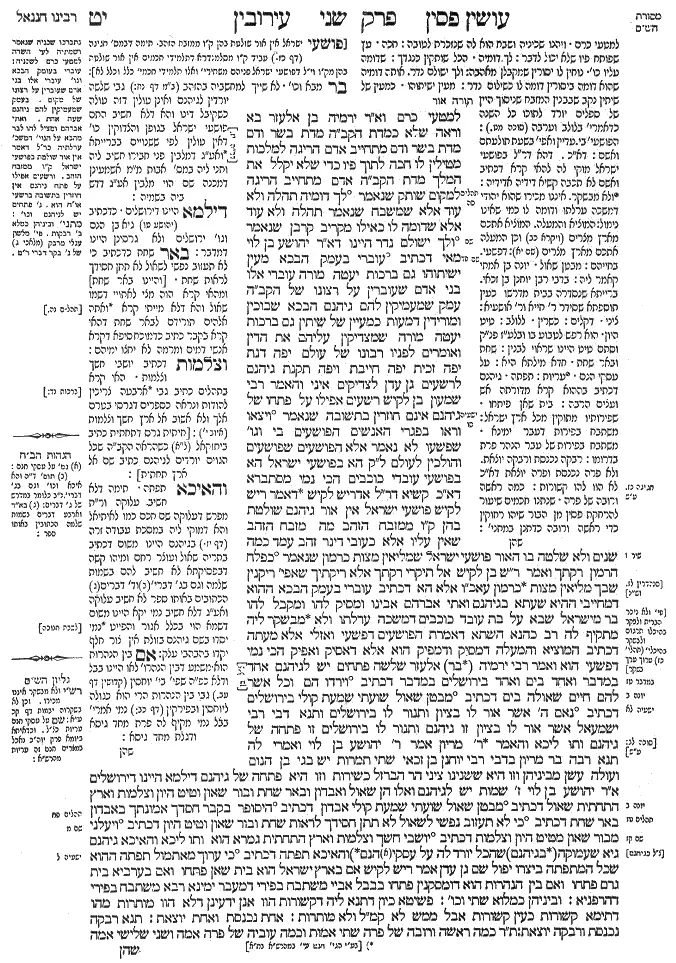
Eruvin 19a - Guemara
למטעי כרם וא"ר ירמיה בן אלעזר בא וראה שלא כמדת הקב"ה מדת בשר ודם מדת בשר ודם מתחייב אדם הריגה למלכות מטילין לו חכה לתוך פיו כדי שלא יקלל את המלך מדת הקב"ה אדם מתחייב הריגה למקום שותק שנאמר (תהלים סה, ב) לך דומיה תהלה ולא עוד אלא שמשבח שנאמר תהלה ולא עוד אלא שדומה לו כאילו מקריב קרבן שנאמר (תהלים סה, ב) ולך ישולם נדר היינו דא"ר יהושע בן לוי מאי דכתיב (תהלים פד, ז) עוברי בעמק הבכא מעין ישיתוהו גם ברכות יעטה מורה עוברי אלו בני אדם שעוברין על רצונו של הקב"ה עמק שמעמיקין להם גיהנם הבכא שבוכין ומורידין דמעות כמעיין של שיתין גם ברכות יעטה מורה שמצדיקין עליהם את הדין ואומרים לפניו רבונו של עולם יפה דנת יפה זכית יפה חייבת ויפה תקנת גיהנם לרשעים גן עדן לצדיקים איני והאמר רבי שמעון בן לקיש רשעים אפילו על פתחו של גיהנם אינם חוזרין בתשובה שנאמר (ישעיהו סו, כד) ויצאו וראו בפגרי האנשים הפושעים בי וגו' שפשעו לא נאמר אלא הפושעים שפושעים והולכין לעולם ל"ק הא בפושעי ישראל הא בפושעי עובדי כוכבים הכי נמי מסתברא דא"כ קשיא דר"ל אדריש לקיש דאמר ריש לקיש פושעי ישראל אין אור גיהנם שולטת בהן ק"ו ממזבח הזהב מה מזבח הזהב שאין עליו אלא כעובי דינר זהב עמד כמה שנים ולא שלטה בו האור פושעי ישראל שמליאין מצות כרמון שנאמר (שיר השירים ו, ז) כפלח הרמון רקתך ואמר ר"ש בן לקיש אל תיקרי רקתך אלא ריקתיך שאפי' ריקנין שבך מליאין מצות כרמון עאכ"ו אלא הא דכתיב עוברי בעמק הבכא ההוא דמחייבי ההיא שעתא בגיהנם ואתי אברהם אבינו ומסיק להו ומקבל להו בר מישראל שבא על בת עובד כוכבים דמשכה ערלתו ולא מבשקר ליה מתקיף לה רב כהנא השתא דאמרת הפושעים דפשעי ואזלי אלא מעתה דכתיב המוציא והמעלה דמסיק ודמפיק הוא אלא דאסיק ואפיק הכי נמי דפשעי הוא ואמר רבי ירמיה (בר) אלעזר שלשה פתחים יש לגיהנם אחד במדבר ואחד בים ואחד בירושלים במדבר דכתיב (במדבר טז, לג) וירדו הם וכל אשר להם חיים שאולה בים דכתיב (יונה ב, ג) מבטן שאול שועתי שמעת קולי בירושלים דכתיב (ישעיהו לא, ט) נאם ה' אשר אור לו בציון ותנור לו בירושלים ותנא דבי רבי ישמעאל אשר אור לו בציון זו גיהנם ותנור לו בירושלים זו פתחה של גיהנם ותו ליכא והאמר ר' מריון אמר ר' יהושע בן לוי ואמרי לה תנא רבה בר מריון בדבי רבי יוחנן בן זכאי שתי תמרות יש בגי בן הנום ועולה עשן מביניהן וזו היא ששנינו ציני הר הברזל כשירות וזו היא פתחה של גיהנם דילמא היינו דירושלים א"ר יהושע בן לוי ז' שמות יש לגיהנם ואלו הן שאול ואבדון ובאר שחת ובור שאון וטיט היון וצלמות וארץ התחתית שאול דכתיב (יונה ב, ג) מבטן שאול שועתי שמעת קולי אבדון דכתיב (תהלים פח, יב) היסופר בקבר חסדך אמונתך באבדון באר שחת דכתיב (תהלים טז, י) כי לא תעזוב נפשי לשאול לא תתן חסידך לראות שחת ובור שאון וטיט היון דכתיב (תהלים מ, ג) ויעלני מבור שאון מטיט היון וצלמות דכתיב (תהלים קז, י) יושבי חשך וצלמות וארץ התחתית גמרא הוא ותו ליכא והאיכא גיהנם גיא שעמוקה (בגיהנם) שהכל יורד לה על עסקי (הנם) והאיכא תפתה דכתיב (ישעיהו ל, לג) כי ערוך מאתמול תפתה ההוא שכל המתפתה ביצרו יפול שם גן עדן אמר ריש לקיש אם בארץ ישראל הוא בית שאן פתחו ואם בערביא בית גרם פתחו ואם בין הנהרות הוא דומסקנין פתחו בבבל אביי משתבח בפירי דמעבר ימינא רבא משתבח בפירי דהרפניא:
וביניהן כמלוא שתי וכו':
פשיטא כיון דתנא ליה דקשורות הוו אנן ידעינן דלא הוו מותרות מהו דתימא קשורות כעין קשורות אבל ממש לא קמ"ל ולא מותרות:
אחת נכנסת ואחת יוצאת:
תנא רבקה נכנסת ורבקה יוצאת ת"ר כמה ראשה ורובה של פרה שתי אמות וכמה עוביה של פרה אמה ושני שלישי אמה
Comments from Rashi on Masechet Eruvin Page 19a
למטעי כרם . ויהנו שכיניה ושבח הוא לה שנזכרת לטובה: חכה . עץ שפותח פיו שלא יכול לדבר: לך דומיה . הכל שותקין כנגדך: שדומה עליו כו' נוחין לו יסורין שמקבלן מאהבה: שדומה עליו כו' נוחין לו יסורין שמקבלן מאהבה: ולך ישולם נדר . אותה דומיה שהוא דומה ביסורין דומה לו כשילום נדר: מעין ישיתוהו . כמעין של שיתין נקב שבבנין המזבח שניסוך היין של ספלים יורד לתוכו כל השנה כדאמרי' בלולב וערבה (סוכה מט.): הפושעי' בי . עדיין ואפי' בשעת תולעתם ואשם: דא"כ . דהא דר"ל בפושעי ישראל מוקי לה להאי קרא דכתיב ואשם לא תכבה קשיא דידיה אדידיה: ולא מבשקר . איננו מכירו שהוא יהודי דמשכה ערלתו ודומה לו כמי שאינו נימול: המוציא והמעלה . המוציא אתכם מארץ מצרים (ויקרא כב) וכן המעלה אתכם מארץ מצרים (שם יא): דפשעי . בחייהם: מבטן שאול . יונה בן אמתי קאמר ליה: בדבי רבן יוחנן בן זכאי . ברייתא שנסדרה בבית מדרשו כעין תוספתא שסידר ר' חייא ור' אושעיא: ציני . דקלים: כשרין . ללולב: טיט היון . הוא רפש לטבוע בו ובלע"ז פנ"ק וסתם טיט היינו שראוי לבנין: שחת ובאר שחת . חדא מילתא היא: על עסקי הנם . עריות: תפתה . גיהנם דכתיב בההוא קרא מדורתה אש ועצים הרבה: בית שאן פיתחו . שפירותיו מתוקין מכל ארץ ישראל: משתבח בפירות דעבר ימינא . משתבח בפירות של עבר הנהר פרת בדרומו: רבקה נכנסת ורבקה יוצאת . ולא פרה נכנסת ופרה יוצאת דא"כ לא הוו להו קשורות: כמה ראשה ורובה של פרה . שנתנו חכמים שיעור להרחקת פסין מן הבור שיהו רחוקין כדי ראשה ורובה כדתנן במתני':
Comments from Tosafot - Eruvin 19a
[פושעי ישראל אין אור שולטת בהן ק"ו ממזבח הזהב . תימה דבמס' חגיגה (דף כז.) עביד ק"ו מסלמנדרא דתלמידי חכמים אין אור שולטת בהן מק"ו וי"ל דפושעי ישראל פניהם משחירי' ואלו תלמידי חכמי' כלל וכלל לא]: בר מבא וכו' . לא שייך למחשביה בהזהב (ב"מ דף נח:) גבי שלשה יורדין לגיהנם ואינן עולין דזה עולה כשקיבל דינו והא דלא חשיב התם פושעי ישראל בגופן והצדוקין כו' דאין עולין לפי ששנויים בברייתא ואע"ג דמלבין פני חבירו חשיב ליה ותני ליה במס' אבות מ"מ אשמעינן דמכנה שם הוי מלבין אע"ג דדש ביה בשמיה: דילמא היינו דירושלים . כדכתיב (יהושע טו) גיא בן הנם וגו' ירושלים ולא גרסינן היינו דמדבר: באר שחת כדכתיב כי לא תעזוב נפשי לשאול לא תתן חסידך לראות שחת . [והיינו באר שחת] ומהאי קרא הוה מצי לאתויי דשמו שאול והא דלא מייתי קרא ואתה אלהים תורידם לבאר שחת דהאי קרא בקבר כתיב כדמוכח סיפא דקרא אנשי דמים ומרמה לא יחצו ימיהם: וצלמות דכתיב יושבי חשך וצלמות . האי קרא בתהלים כתיב גבי ארבעה צריכין להודות ונראה כספרים דגרסי בטרם אלך ולא אשוב אל ארץ חשך וצלמות (איוב י'): [חיתית גרס דתחתית כתיב ביחזקאל (ל"א) כשהראה הקב"ה שכל הגוים יורדים לגיהנם כתיב שם אל ארץ תחתית]: והאיכא תפתה . תימה דלא חשיב עלוקה ור"ת מפרש דעלוקה שם חכם כמו לאיתיאל והא דמוקי ליה במסכת עבודה זרה (דף יז.) בגיהנם היינו משום דכתיב בתריה שאול ועוצר רחם ומיהו קשה דבפסיקתא לא חשיב להם בשמות שלמה וגם בג' דברי' וד' דברים הכתובים באותו ספר לא חשיב עלוקה ואע"ג דלא חשיב נמי יקא היינו משום דשמא הוי בכלל אגור והפייט נמי יסדו בשם גיהנם בזולת אין צור חלף יקדו בהבהבי עלק: אם בין הנהרות הוא . משמע דבין הנהרו' לאו היינו בבל ודלא כפ"ה שפי' בי' יוחסין (קדושין דף עב.) גבי בין הנהרות הרי הוא כגולה ליוחסין ובפירקין (דף כב:) נמי אמרי' בבל נמי מקיף לה פרת מחד גיסא ודגלת מחד גיסא:
Eruvin 19a - Mishnah translated into english
for planting vines” (Micah 1:6), which benefits all the surrounding inhabitants.
And Rabbi Yirmeya ben Elazar also said: Come and see that the attribute of flesh and blood is unlike the attribute of the Holy One, Blessed be He. For the attribute of flesh and blood is to place an iron or wooden hook in the mouth of a person who was sentenced to death by the government, so that he should not be able to curse the king when he is taken away for execution.
But the attribute of the Holy One, Blessed be He is that one is willingly silent when he is sentenced to death by the Omnipresent, as it is stated: “For You silence is praise, O God in Zion, and to You shall the vow be performed” (Psalms 65:2). And what is more, he praises God for his sufferings, as it is stated: “Praise.” And what is more, it appears to him as though he were offering a sacrifice in atonement for his sin, as it is stated: “And to You shall the vow be performed.”
And this is what Rabbi Yehoshua ben Levi said: What is the meaning of that which is written: “Those who pass through the valley of weeping turn it into a water spring; moreover, the early rain covers it with blessings” (Psalms 84:7)?
“Those who pass through [overei],” these are people who transgress [overin] the will of the Holy One, Blessed be He. “Valley [emek]” indicates that their punishment is that Gehenna is deepened [ma’amikin] for them. “Of weeping [bakha]” and “turn it into a water spring [ma’ayan yeshituhu],” indicates that they weep [bokhin] and make tears flow like a spring [ma’ayan] of the foundations [shitin], meaning like a spring that descends to the foundations of the earth. “Moreover, the early rain covers it with blessings,” indicates that they accept the justice of God’s judgment, and say before Him: Master of the Universe, You have judged properly, You have acquitted properly, You have condemned properly, and it is befitting that You have prepared Gehenna for the wicked and the Garden of Eden for the righteous.
The Gemara raises a difficulty: Is that so? Didn’t Rabbi Shimon ben Lakish say: The wicked do not repent, even at the entrance to Gehenna, as it is stated: “And they shall go forth, and look upon the carcasses of the men who rebel against Me; for their worm shall not die, neither shall their fire be quenched; and they shall be an abhorrence to all flesh” (Isaiah 66:24)? The verse does not say: Who rebelled, but rather: “Who rebel,” in the present tense, meaning they continue rebelling forever.
The Gemara answers: This is not difficult; here, i.e., where it is said that they accept God’s judgment, it is referring to the sinners of the Jewish people; there, i.e., where it is said that they do not recant, it is referring to the rebels among the nations of the world.
So too, it is reasonable to say this, for if you do not say so, there would be a contradiction between one statement of Reish Lakish and another statement of Reish Lakish. As Reish Lakish said: With regard to the sinners of the Jewish people, the fire of Gehenna has no power over them, as may be learned by a fortiori reasoning from the golden altar.
If the golden altar in the Temple, which was only covered by gold the thickness of a golden dinar, stood for many years and the fire did not burn it, for its gold did not melt, so too the sinners of the Jewish people, who are filled with good deeds like a pomegranate, as it is stated: “Your temples [rakatekh] are like a split pomegranate behind your veil” (Song of Songs 6:7), will not be affected by the fire of Gehenna. And Rabbi Shimon ben Lakish said about this: Do not read: Your temples [rakatekh], but rather: Your empty ones [reikateikh], meaning that even the sinners among you are full of mitzvot like a pomegranate; how much more so should the fire of Gehenna have no power over them.
However, that which is written: “Those who pass through the valley of weeping” (Psalms 84:7), which implies that the sinners nonetheless descend to Gehenna, should be explained as follows: There it speaks of those who are liable at that time for punishment in Gehenna, but our father Abraham comes and raises them up and receives them. He does not leave the circumcised behind and allow them to enter Gehenna, except for a Jew who had relations with a gentile woman, in punishment for which his foreskin is drawn, and our father Abraham does not recognize him as one of his descendants.
Rav Kahana strongly objected to this: Now that you have said that the words those who rebel are referring to those who go on rebelling, if so, in those verses in which it is written of Him: “He Who brings out” (see Exodus 6:7) and “He Who raises up” Israel from Egypt (see Leviticus 11:45), do these expressions mean: He Who is currently raising them up and bringing them out? Rather, you must understand these terms to mean: He Who already raised them up and brought them out; here too then, the phrase those who rebel means those who already rebelled.
And Rabbi Yirmeya ben Elazar also said: There are three entrances to Gehenna, one in the wilderness, one in the sea, and one in Jerusalem. There is one entrance in the wilderness, as it is written with regard to Korah and his company: “And they, and all that appertained to them, went down alive into the pit [She’ol], and the earth closed upon them, and they perished from among the congregation” (Numbers 16:33).
In the sea there is a second entrance to Gehenna, as it is written about Jonah in the fish’s belly: “Out of the belly of the netherworld [She’ol] I cried, and You did hear my voice” (Jonah 2:3).
And there is a third entrance to Gehenna in Jerusalem, as it is written: “Says the Lord, Whose fire is in Zion, and Whose furnace is in Jerusalem” (Isaiah 31:9). And it was taught in the school of Rabbi Yishmael: “Whose fire is in Zion,” this is Gehenna; and “Whose furnace is in Jerusalem,” this is an entrance to Gehenna.
The Gemara asks: Are there no more entrances? Didn’t Rabbi Maryon say in the name of Rabbi Yehoshua ben Levi, and some say it was Rabba bar Maryon who taught in the name of the school of Rabbi Yoḥanan ben Zakkai: There are two date trees in the valley of ben Hinnom, and smoke rises from between them, and with regard to this statement about date trees that differ from other palms we learned: The palms of Har HaBarzel are fit for the mitzva of palm branches [lulav], and this is the entrance to Gehenna. The Gemara answers: This is not difficult, for perhaps this is the entrance in Jerusalem.
Rabbi Yehoshua ben Levi said: Gehenna has seven names, and they are as follows: She’ol, Avadon, Be’er Shaḥat, Bor Shaon, Tit HaYaven, Tzalmavet, and Eretz HaTaḥtit.
She’ol, as it is written: “Out of the belly of the netherworld [she’ol] I cried and You did hear my voice” (Jonah 2:3). Avadon, as it is written: “Shall Your steadfast love be reported in the grave or Your faithfulness in destruction [avadon]?” (Psalms 88:12). Be’er Shaḥat, as it is written: “For You will not abandon my soul to the netherworld; nor will You suffer Your pious one to see the pit [shaḥat]” (Psalms 16:10). And Bor Shaon and Tit HaYaven, as it is written: “He brought me up also out of the gruesome pit [bor shaon], out of the miry clay [tit hayaven]” (Psalms 40:3). And Tzalmavet, as it is written: “Such as sat in darkness and in the shadow of death [tzalmavet], bound in affliction and iron” (Psalms 107:10). And with regard to Eretz Taḥtit, i.e., the underworld, it is known by tradition that this is its name.
The Gemara poses a question: Are there no more names? Isn’t there the name Gehenna? The Gemara answers that this is not a name rather a description: A valley that is as deep as the valley [gei] of ben Hinnom. An alternative explanation is: Into which all descend for vain [hinnam] and wasteful acts, understanding the word hinnam as if it were written ḥinnam, meaning for naught.
The Gemara asks: Isn’t there also the name Tofte, as it is written: “For its hearth [tofte] is ordained of old” (Isaiah 30:33). The Gemara answers: That name too is a description, meaning that anyone who allows himself to be seduced [mitpateh] by his evil inclination will fall there.
Having discussed the entrances to Gehenna, the Gemara also mentions the entrance to the Garden of Eden. Reish Lakish said: If it is in Eretz Yisrael, its entrance is Beit She’an, and if it is in Arabia, its entrance is Beit Garem, and if it is between the rivers of Babylonia, its entrance is Dumsekanin, for all these places feature a great abundance of vegetation and fertile land. The Gemara relates that Abaye would praise the fruits of the right bank of the Euphrates River, and Rava would praise the fruits of Harpanya.
The Gemara goes back to the mishna in which we learned: And between them, i.e., between the upright boards and the double posts, there may be a gap the size of two teams of four oxen each, as measured when tied together and not when they are untied. The Gemara asks: This is obvious; since the tanna taught that they are tied, we know that they are not untied.
The Gemara answers: This is specified, lest you say that tied means similar to tied, i.e., close to each other, but not necessarily that they are actually tied. Therefore, the mishna teaches us that it is not enough that they be close; rather, they must be actually tied and not untied.
The mishna continued: There must be sufficient space left so that one can enter and another can leave. A Tosefta was taught that explains the mishna: Enough space so that one team can enter and another team can leave. Our Sages taught in a baraita: How much is the length of the head and most of the body of a cow? Two cubits. And how much is the thickness of a cow? A cubit and two-thirds of a cubit,
Traduction : The William Davidson digital edition of the Koren Noé Talmud, with commentary by Rabbi Adin Even-Israel Steinsaltz.