 Talmud Bavli
Eruvin 10a : Youtube
Rabi Yitzchok LobensteinYoutube
2 video classes :
Eruvin Page 10a
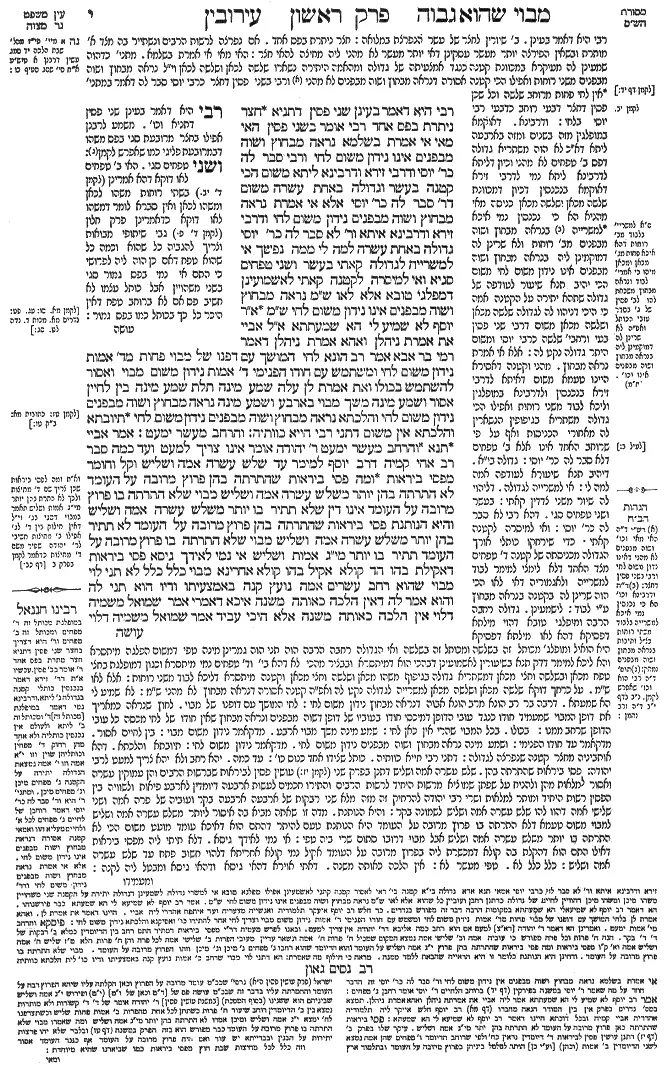
Eruvin 10a - Guemara
רבי היא דאמר בעינן שני פסין דתניא חצר ניתרת בפס אחד רבי אומר בשני פסין האי מאי אי אמרת בשלמא נראה מבחוץ ושוה מבפנים אינו נידון משום לחי ורבי סבר לה כר' יוסי ודרבי זירא ודרבינא ליתא משום הכי קטנה בעשר וגדולה באחת עשרה משום דר' סבר לה כר' יוסי אלא אי אמרת נראה מבחוץ ושוה מבפנים נידון משום לחי ודרבי זירא ודרבינא איתא ור' לא סבר לה כר' יוסי גדולה באחת עשרה למה לי ממה נפשך אי למשרייה לגדולה קאתי בעשר ושני טפחים סגיא ואי למיסרה לקטנה קאתי לאשמועינן דמפלגי טובא אלא לאו ש"מ נראה מבחוץ ושוה מבפנים אינו נידון משום לחי ש"מ א"ר יוסף לא שמיע לי הא שמעתתא א"ל אביי את אמרת ניהלן ואהא אמרת ניהלן דאמר רמי בר אבא אמר רב הונא לחי המושך עם דפנו של מבוי פחות מד' אמות נידון משום לחי ומשתמש עם חודו הפנימי ד' אמות נידון משום מבוי ואסור להשתמש בכולו ואת אמרת לן עלה שמע מינה תלת שמע מינה בין לחיין אסור ושמע מינה משך מבוי בארבע ושמע מינה נראה מבחוץ ושוה מבפנים נידון משום לחי והלכתא נראה מבחוץ ושוה מבפנים נידון משום לחי תיובתא והלכתא אין משום דתני רבי חייא כוותיה:
והרחב מעשר ימעט:
אמר אביי תנא והרחב מעשר ימעט ר' יהודה אומר אינו צריך למעט ועד כמה סבר רב אחי קמיה דרב יוסף למימר עד שלש עשרה אמה ושליש וקל וחומר מפסי ביראות ומה פסי ביראות שהתרתה בהן פרוץ מרובה על העומד לא התרתה בהן יותר משלש עשרה אמה ושליש מבוי שלא התרתה בו פרוץ מרובה על העומד אינו דין שלא תתיר בו יותר משלש עשרה אמה ושליש והיא הנותנת פסי ביראות שהתרתה בהן פרוץ מרובה על העומד לא תתיר בהן יותר משלש עשרה אמה ושליש מבוי שלא התרתה בו פרוץ מרובה על העומד תתיר בו יותר מי"ג אמות ושליש אי נמי לאידך גיסא פסי ביראות דאקילת בהו חד קולא אקיל בהו קולא אחרינא מבוי כלל כלל לא תני לוי מבוי שהוא רחב עשרים אמה נועץ קנה באמצעיתו ודיו הוא תני לה והוא אמר לה דאין הלכה כאותה משנה איכא דאמרי אמר שמואל משמיה דלוי אין הלכה כאותה משנה אלא היכי עביד אמר שמואל משמיה דלוי
Comments from Rashi on Masechet Eruvin Page 10a
רבי היא דאמר בעינן . שני שיורין לחצר של עשר הנפרצת במלואה: חצר ניתרת בפס אחד . אם נפרצה לרשות הרבים ונשתייר בה מצד א' מותרת ובשאין הפירצה יותר מעשר עסקינן דאי יותר מעשר לא מהני ליה מחיצה להאי חצר: האי מאי אי אמרת בשלמא . מתני' כדהוה שמעינן לה מעיקרא במכוונת קטנה כנגד אמצעיתה של גדולה ומהאמה היתירה נשארו שלשה לכאן ושלשה לכאן וי"ל נראה מבחוץ ושוה מבפנים משני רוחות ואפילו הכי קטנה אסורה דנראה מבחוץ ושוה מבפנים לא מהני ורבי בשני פסין דחצר כרבי יוסי סבר לה דאמר במתני' אין לחי פחות מרוחב שלשה וכל שכן פסין דחצר דבעי רוחב כדבעי רבי יוסי בלחי: ודרבינא . דאוקמא במופלגין מזה בשנים ומזה בארבעה ליתא דא"כ לא הוה משתריא גדולה דפס ב' טפחים לא מהני וכיון דליתא לדרבינא ליתא נמי לדרבי זירא דאוקמא בנכנסין דכיון דמכוונת שלשה מכאן ושלשה מכאן כניסה מאי מהניא הא כי נכנסין נמי איכא למשרייה בנראה מבחוץ ושוה מבפנים משתי רוחות ולא שרינן לה דמוקמינן ליה בנראה מבחוץ ושוה מבפנים אינו נידון משום לחי משום הכי יהיב תנא שיעור לעודפה של גדולה שתהא יתירה על הקטנה אמה כי היכי דניהוו לה לגדולה שלשה מכאן ושלשה מכאן משום דרבי שני פסין בעי ורחבי' שלשה כרבי יוסי ומשום היתר גדולה נקט לה: אלא אי אמרת נראה מבחוץ . מהני וקטנה דאסירא היינו טעמא משום דאיתא לדרבי זירא בנכנסין ולדרבינא במופלגין וליכא לבוד משני רוחות ואפילו הכי גדולה משתריא בגיפופין הנשארין לה מאחורי הכניסות ואף על פי שרוחב האחד אינו אלא ב' טפחים דלא סבר לה כר' יוסי: גדולה בי"א . דיהיב תנא שיעורא לעודפה אמה למה לי: אי למשרייה לגדולה . דליהוי לה שיור משני צדדין קאתי: בעשר ושני טפחים סגי . דהא רבי לא סבר לה כר' יוסי: ואי למיסרה לקטנה קאתי . כדי שירחקו כותלי אורך הגדולה מכניסתה של קטנה ד' טפחים מצד האחד דלא לימצי למימר לבוד למשרייה ולאגמוריה דאי לאו הכי הוה שרינן לה בקטנה בנראה מבחוץ על ידי לבוד: לישמעינן . גדולה רחבה הרבה ומיפלגי טובא דהוי מילתא דפסיקא דהא לאו מילתא דפסיקא היא הואיל ומופלג' מכותל זה בשלשה ומכותל זה בשלשה ואי הגדולה רחבה הרבה הוה תני הוה גמרינן מינה טפי דמשום הפלגה מיתסרא והא ליכא למימר דדק תנא בשיעורין לאשמועינן דבהכי הוא דמיתסרא ובבציר מהכי לא דהא בי' וד' טפחים נמי מיתסרא וכגון דמופלגת בחצי טפח מכאן ובשלשה וחצי מכאן דמשתריא גדולה בגיפוף משהו מכאן ושלשה וחצי מכאן וקטנה מיתסרא דליכא לבוד משני רוחות: אלא לאו ש"מ . על כרחך דוקא שלשה מכאן ושלשה מכאן למשרייה לגדולה נקט לה ואפ"ה קטנה אסורה דנראה מבחוץ לא מהני ש"מ: לא שמיע לי הא שמעתא . דרבה בר רב הונא מרב הונא אבוה דנראה מבחוץ נידון משום לחי: לחי המושך עם דופנו של מבוי . לחוץ שנראה כמאריך את דופן המבוי שמעמיד חודו כנגד עובי הדופן דמיכסי חודו בעוביו של דופן דשוה מבפנים ונראה מבחוץ שאין חודו של לחי מכסה כל עובי הדופן שרחב ממנו: בכולו . בכל המבוי שהרי אין כאן לחי: שמע מינה משך מבוי ארבע . מדקאמר נידון משום מבוי: בין לחיים אסור . מדקאמר עד חודו הפנימי: ושמע מינה נראה מבחוץ ושוה מבפנים נידון משום לחי . מדקאמר נידון משום לחי: תיובתא והלכתא . דהא אותביניה מחצר קטנה שנפרצה לגדולה: דתני רבי חייא כוותיה . כותל שצידו אחד כנוס כו': עד כמה . יהא רחב ולא יהא צריך למעט לרבי יהודה: פסי ביראות שהתרתה בהן . שלש עשרה אמה ושליש דתנן בפרק שני (לקמן עירובין יז:) עושין פסין לביראות שברשות הרבים והן עמוקין עשרה ואסור למלאות מהן ולהניח על שפתן שמוציא מרשות היחיד לרשות הרבים והתירו חכמים לעשות ארבעה דיומדין לארבע פיאות ולשוויה בין הפסין רשות היחיד ומותר למלאות ושרי רבי יהודה להרחיק זה מזה מלא שני רבקות של ארבעה ארבעה בקר ועוביה של פרה אמה ושני שלישי אמה דהוו להו שלש עשרה אמה ושליש לשמונה בקר: והיא הנותנת . מדה זו שאתה מביא בה איסור ליותר משלש עשרה אמה ושליש למבוי משום טעמא דלא התרתה בו פרוץ מרובה על העומד היא הנותנת טעם להיתר דהתם הוא דאיכא עומד מועט משום הכי לא התרתה בו יותר משלש עשרה אמה ושליש אבל מבוי דרובו סתום שרי ביה טפי: אי נמי לאידך גיסא . דלא תיתי ליה מפסי ביראות דאילו התם הוא דהקלת בה קולא דמכשרת ליה בפרוץ מרובה על העומד אקיל נמי קולא אחריתא דלהוי חשוב פתח עד שלש עשרה אמה ושליש: כלל כלל לא . טפי מעשר לא: אין הלכה כאותה משנה . דאתי אוירא דהאי גיסא ודהאי גיסא ומבטל ליה לקנה:
Comments from Tosafot - Eruvin 10a
רבי היא דאמר בעינן שני פסין דתניא וכו' . משמע לרבנן אפילו בחצר מרובעת סגי בפס משהו דבמרובעת פליגי כמו שאפרש לקמן: ושני טפחים סגי . האי ב' טפחים לאו דוקא דהא אמרינן (לקמן עירובין ד' יב.) בשתי רוחות משהו לכאן ומשהו לכאן ואין סברא לומר דמשהו לאו דוקא כדאמרינן פרק חלון (לקמן עירובין ד' פ.) גבי שיתופי מבואות וצריך להגביה כל שהוא וכמה כל שהוא טפח דאם כן הוה ליה לפרושי כי התם אי נמי בפס גמור סגי בשני משהויין אבל כותל עצמו לא חשיב פס אם לא ברוחב טפח דאין היכר כל כך בכותל כמו בפס גמור:
Eruvin 10a - Mishnah translated into english
The Gemara answers: This mishna is in accordance with the opinion of Rabbi Yehuda HaNasi, who said that in order to permit carrying in a courtyard that was breached, we require two upright boards, one on either side of the breach. As it was taught in a baraita: If a courtyard was breached and opens into the public domain, and the width of the breach does not exceed ten cubits, it becomes permitted to carry there, even with only one upright board remaining on one side of the breach. Rabbi Yehuda HaNasi says: It is permitted only with two upright boards remaining, one on each side of the breach.
The Gemara rejects this entire explanation: What is this comparison? Granted, if you say that the legal status of a side post that is visible from the outside but appears to be even with the wall from the inside is not considered like that of a side post; and that Rabbi Yehuda HaNasi holds in accordance with the opinion of Rabbi Yosei that a side post or an upright board in a courtyard must be at least three handbreadths wide; and that the explanations of the mishna offered earlier by Rabbi Zeira and Ravina are not accepted; that is why there is significance to the fact that the small courtyard is ten cubits wide and the large one is eleven cubits wide. It is due to the fact that Rabbi Yehuda HaNasi holds in accordance with the opinion of Rabbi Yosei. Since Rabbi Yosei holds that a side post must be three handbreadths wide, we require that the two upright boards together measure six handbreadths, i.e., one cubit, which is the minimal difference in size between the two courtyards.
However, if you say that the legal status of a side post that is visible from the outside but appears to be even with the wall from the inside is considered like that of a side post; and that Rabbi Zeira’s and Ravina’s explanations are accepted as halakha; and that Rabbi Yehuda HaNasi does not hold in accordance with the opinion Rabbi Yosei, why do I need to explain that the large courtyard measures eleven cubits?
Whichever way you look at it, there is a difficulty: If the baraita is coming to permit one to carry in the large courtyard, then a width of ten cubits and two handbreadths suffices. These two handbreadths can be considered the upright boards that render the courtyard fit for one to carry within it. And if it is coming to teach a novel halakha according to Rabbi Yehuda HaNasi and prohibit one to carry in the small courtyard, it should teach us a case where the walls of the two courtyards are much farther removed from each other, rather than a case where they are only one cubit apart. Therefore, the second explanation cannot be accepted.
Rather, can we not conclude from the baraita that a side post that is visible from the outside but appears to be even with the wall from the inside is not considered to have the legal status of a side post? The Gemara concludes: Indeed, conclude from this.
Rav Yosef said: I did not hear this halakha of Rabba bar Rav Huna from my teachers. Rav Yosef had become ill and forgotten his learning, which is why he could not recall the halakha that a side post that is visible from the outside is considered to have the legal status of a side post.
His student Abaye said to him: You yourself told us this halakha, and it was with regard to this that you told it to us. As Rami bar Abba said that Rav Huna said: With regard to a side post that extends along the wall of an alleyway and beyond, in which case it appears from the inside to be a continuation of the wall but due to its narrow width it is clearly visible as a side post from the outside, if that side post is less than four cubits long it is considered to have the legal status of a side post. And one may use the alleyway up to the inner edge of the side post. However, if the side post itself extends four cubits, the alleyway has no side post and it is considered to have the legal status of an alleyway, and it is prohibited to utilize the entire alleyway.
And you said to us about this: Learn from this statement three halakhot with regard to eiruvin. Learn from it that in the area between the side posts it is prohibited to carry, as Rav Huna rules that one may use the alleyway only up to the inner edge of the side post. And learn from it that the minimal length of an alleyway is four cubits. And learn from it that a side post that is visible from the outside but appears to be even with the wall of the alleyway from the inside is considered to have the legal status of a side post.
The Gemara concludes: The halakha is that a side post that is visible from the outside but appears to be even with the wall from the inside is considered to have the legal status of a side post. The Gemara asks: It is possible that there is a conclusive refutation of this opinion, and it is also the halakha? This opinion was refuted earlier. Can the halakha then be decided in accordance with it?
The Gemara answers: Yes, it can because Rabbi Ḥiyya taught a baraita in accordance with it. Although the deductive analysis of the statements of other tanna’im led to different conclusions, the halakha relies on Rabbi Ḥiyya’s explicit statement.
The opening mishna states: If the entrance to an alleyway is wider than ten cubits, one must diminish its width. Abaye said that a Sage taught in the Tosefta: If the entrance to an alleyway is wider than ten cubits, one must diminish its width. Rabbi Yehuda says: He need not diminish it. The question arises: Until what width does Rabbi Yehuda still permit carrying in the alleyway?
Initially, Rav Aḥai thought to say before Rav Yosef: Up to thirteen and a third cubits. And he derived this figure through an a fortiori argument from upright boards surrounding a well. Rabbi Yehuda maintains that if one placed upright boards up to thirteen and a third cubits apart from one another, he may consider the partitioned area around the well as a private domain and therefore carry within it.
Rav Aḥai explains: Just as in the case of upright boards surrounding a well, where you permitted carrying, even though the boards form a partition where the breached segment is greater than the standing segment, you did not permit carrying within them if the gap between the boards is more than thirteen and a third cubits wide; in the case of an alleyway, where you did not permit carrying if the breached segment of its walls is greater than the standing segment, is it not right that you will not permit carrying within it if there is a gap more than thirteen and a third cubits wide?
But that reasoning provides support for a contrary conclusion as well. Just as in the case of upright boards surrounding a well, where you permitted carrying within them, even though the boards form a partition where the breached segment is greater than the standing segment, you will not extend the leniency and permit carrying within them, when the gap between the boards is more than thirteen and a third cubits; in an alleyway, where you were stringent and did not permit carrying when the breached segment is greater than the standing segment, in a case where most of the walls are standing, you will certainly permit carrying, even when the gap is more than thirteen and a third cubits.
Alternatively, one may argue to the contrary. One should be more stringent in the case of an alleyway. In the case of upright boards surrounding a well, with regard to which you were lenient and issued one leniency, be lenient and issue another leniency and maintain that a gap of up to thirteen and a third cubits still be considered an entrance. However, in the case of an alleyway, you should not be lenient at all. Therefore, there is no way to determine Rabbi Yehuda’s opinion with regard to the width of an alleyway entrance.
Levi taught a baraita with regard to reducing the width of an alleyway in order to render it fit for one to carry within it. If an alleyway is twenty cubits wide, one may stick a reed in the center of its entrance and that is sufficient to create two separate alleyways, each ten cubits wide. He taught this baraita, and he said about it that the halakha is not in accordance with that teaching, as the insertion of a reed is not effective in reducing the width. Some say that Shmuel said in the name of Levi: The halakha is not in accordance with that teaching.
The Gemara asks: Rather, how should one act in order to render an alleyway of that sort fit for one to carry within it? Shmuel said in the name of Levi:
Traduction : The William Davidson digital edition of the Koren Noé Talmud, with commentary by Rabbi Adin Even-Israel Steinsaltz.