 Talmud Bavli
Eruvin 102a : Youtube
Rabi Yitzchok LobensteinYoutube
2 video classes :
Eruvin Page 102a
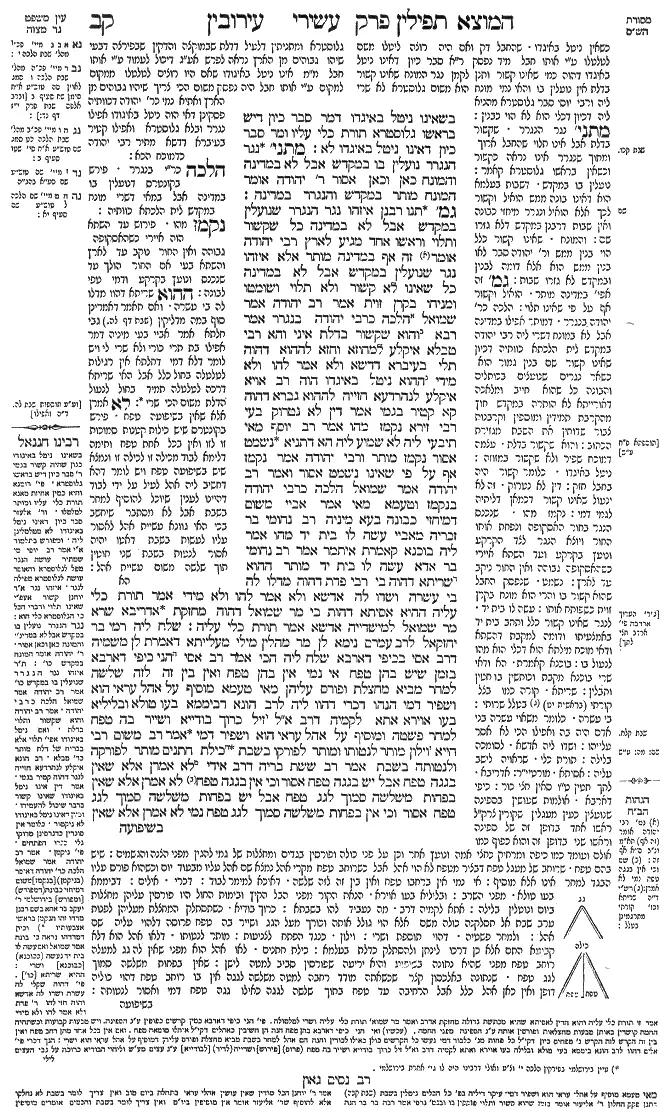
Eruvin 102a - Guemara
בשאינו ניטל באיגדו דמר סבר כיון דיש בראשו גלוסטרא תורת כלי עליו ומר סבר כיון דאינו ניטל באיגדו לא:
מתני׳ נגר הנגרר נועלין בו במקדש אבל לא במדינה והמונח כאן וכאן אסור ר' יהודה אומר המונח מותר במקדש והנגרר במדינה:
גמ׳ תנו רבנן איזהו נגר הנגרר שנועלין במקדש אבל לא במדינה כל שקשור ותלוי וראשו אחד מגיע לארץ רבי יהודה אומר זה אף במדינה מותר אלא איזהו נגר שנועלין במקדש אבל לא במדינה כל שאינו לא קשור ולא תלוי ושומטו ומניחו בקרן זוית אמר רב יהודה אמר שמואל הלכה כרבי יהודה בנגרר אמר רבא והוא שקשור בדלת איני והא רבי טבלא איקלע למחוזא וחזא לההוא דהוה תלי בעיברא דדשא ולא אמר להו ולא מידי ההוא ניטל באיגדו הוה רב אויא איקלע לנהרדעא חזייה לההוא גברא דהוה קא קטיר בגמי אמר דין לא נטרוק בעי רבי זירא נקמז מהו אמר רב יוסף מאי תיבעי ליה לא שמיע ליה הא דתניא נשמט אסור נקמז מותר ורבי יהודה אמר נקמז אף על פי שאינו נשמט אסור ואמר רב יהודה אמר שמואל הלכה כרבי יהודה בנקמז וטעמא מאי אמר אביי משום דמיחזי כבונה בעא מיניה רב נחומי בר זכריה מאביי עשה לו בית יד מהו אמר ליה בוכנא קאמרת איתמר אמר רב נחומי בר אדא עשה לו בית יד מותר ההוא שריתא דהוה בי רבי פדת דהוה מדלו לה בי עשרה ושדו לה אדשא ולא אמר להו ולא מידי אמר תורת כלי עליה ההיא אסיתא דהות בי מר שמואל דהוה מחזקת אדריבא שרא מר שמואל למישדייה אדשא אמר תורת כלי עליה:
שלח ליה רמי בר יחזקאל לרב עמרם נימא לן מר מהלין מילי מעלייתא דאמרת לן משמיה דרב אסי בכיפי דארבא שלח ליה הכי אמר רב אסי הני כיפי דארבא בזמן שיש בהן טפח אי נמי אין בהן טפח ואין בין זה לזה שלשה למחר מביא מחצלת ופורס עליהן מאי טעמא מוסיף על אהל עראי הוא ושפיר דמי הנהו דכרי דהוו ליה לרב הונא דביממא בעו טולא ובליליא בעו אוירא אתא לקמיה דרב א"ל זיל כרוך בודייא ושייר בה טפח למחר פשטה ומוסיף על אהל עראי הוא ושפיר דמי אמר רב משום רבי חייא וילון מותר לנטותו ומותר לפורקו בשבת כילת חתנים מותר לפורקה ולנטותה בשבת אמר רב ששת בריה דרב אידי לא אמרן אלא שאין בגגה טפח אבל יש בגגה טפח אסור וכי אין בגגה טפח לא אמרן אלא שאין בפחות משלשה סמוך לגג טפח אבל יש בפחות משלשה סמוך לגג טפח אסור וכי אין בפחות משלשה סמוך לגג טפח נמי לא אמרן אלא שאין
Comments from Rashi on Masechet Eruvin Page 102a
כשאין ניטל באיגדו . שהחבל דק ואם היה רוצה ליטלו משם לטלטלו ע"י אותו חבל מיד נפסק ר"א סבר כיון דאינו ניטל באיגדו דהוה כמי שאינו קשור ותנן לקמן נגר המונח שאינו קשור בדלת אין נועלין בו והאי נמי מונח הוא משום גלוסטרא לא שרי ליה ורבי יוסי סבר גלוסטרא מהניא ליה דכיון דכלי הוא לא הוי כבנין: מתני' נגר הנגרר . שקשור בדלת אבל אינו תלוי שהחבל ארוך ומתוך שנגרר אינו נראה כקשור וכשאין בראשו גלוסטרא קאמר: נועלין בו במקדש . דשבות בעלמא הוא דאינו בונה ממש הואיל וקשור לכך אלא הואיל ונגרר מיחזי כבונה ואין שבות דרבנן במקדש דלא גזרו שם: והמונח . שאינו קשור כלל הוי בנין ממש ור' יהודה סבר לאו בנין ממש הוא אלא דומה לבנין ובמקדש לא גזרו שבות: גמ' זה אפי' במדינה מותר . הואיל וקשור אף על פי שאינו תלוי: הלכה כר' יהודה בנגרר . דמותר אפילו במדינה אבל לא במונח דשרי ליה רבי יהודה במקדש לית הלכתא כוותיה דכיון שאינו קשור שם בנין גמור הוא כשאר נגרים שנועצים בכותלים והבונה כל שהוא חייב ומלאכה דאורייתא לא הותרה במקדש חוץ מהקרבת תמידין ומוספין וקרבנות צבור שדוחין את השבת מגזירת הכתוב: והוא שקשור בדלת . עצמה דמוכח שפיר ולא שקשור במזוזה: ניטל באיגדו . כלומר קשור היה בחבל חזק: דין לא נטרוק . זה לא ינעול שאינו קשור דכמאן דליתיה לגמי דמי: נקמז מהו . שנכנס הנגר בחור האסקופה ונפחת אותו החור ויוצא הנגר לצד הקרקע ונועץ בקרקע ועד השתא איירי כשהאסקופה גבוהה ואין החור ניקב עד לארץ: נשמט . שנפסק החבל שהוא קשור בו והרי הוא מונח בקרן זוית כשפותח אותו: עשה לו בית יד . לנגר שאינו קשור כלל ותחב בית יד באמצעיתו ודומה למקבת דהשתא ודאי מוכח מילתא הוא דכלי הוא מהו לנעול בו: בוכנא קאמרת . הא ודאי שרי בוכנא מקבת וכותשין בו חטין ותבלין: שריתא . קורה כמו בצל קורתי (בראשית יט) בטלל שרותי: בי עשרה . כלומר משאוי עשרה בני אדם היה בה ואפילו הכי לא אסר עלייהו: ושדו ליה אדשא . לסומכה בלילה: תורת כלי . שראויה לישב עליה: אסיתא . מורטיי"ר: אדריבא . לתך חטין ט"ו סאין חצי כור: כיפי דארבא . אולמות שעושין בספינה שנועצין כעין מעגלין שקורין צרק"ל ראשו אחד בדופן זה של ספינה וראשו שני בדופן זה והוא כפוף כמו אולם ועומד כמו כיפה ומרחיק כחצי אמה ונועץ אחר וכן על פני כולה ופורסין בגדים ומחצלות של גמי להגין מפני הצנה והגשמים:  שיש בהם טפח . שרוחב של מעגל טפח דבציר מטפח לא הוי אהל אבל כשרוחב טפח מקרי אהל נמצא שם אהל עליו מבעוד יום וכשהוא פורס עליו הבגד למחר אינו אלא מוסיף: אי נמי אין ברחבו טפח ואין בין זה לזה שלשה . דאיכא למימר לבוד: דכרי . אילים: דביממא בעו טולא . מפני השרב: ובליליא בעו אוירא . הנאת הקור מפני הבל הקיץ ובימות החול היו פורסין עליהן מחצלות ביום ונוטלין בלילה: אתא לקמיה דרב . מה נעביד להו בשבתא: כרוך בודיא . כשתסתלק המחצלת מעליהן לפנות ערב שבת אל תסלקנה כולה משם אלא הוי גולל אותה וכורך מעל הגג ושייר בה טפח פרוסה דלהוי עליה שם אהל: ולמחר פשטיה . דהוי תוספת ושרי: וילון . כנגד הפתח לצניעות: מותר לנטותו . דלאו אהל הוא דלא קביעא התם אלא כן דרכו לינתן ולהסתלק כדלת בעלמא: כילת חתנים . לאו אהל הוא מפני שאין לה גג למעלה רוחב טפח מפני שהיא נתונה בשיפוע והיא יריעה שפורסין סביב למטה לישן: שאין בפחות משלשה סמוך לגג טפח . שנתונה באלכסון קצר שכשאתה מודד רחבה למטה משלשה לגגה אין בו רוחב טפח דהוי כוליה דופן ואין כאן אהל כלל אבל הרחיבה עד טפח בתוך שלשה לגגה כאילו גגה טפח דמי ואסור לנטותה:

Comments from Tosafot - Eruvin 102a
הלכה כר"י בנגרר . פירש בקונטרס דנועלין בו במדינה אבל במאי דשרי מונח במקדש לית הלכתא כוותיה: נקמז מהו . פירוש עד השתא הוה איירי כשהאסקופה גבוהה ואין החור נוקב עד לארץ והשתא בעי אם החור הולך עד שנכנס ונועץ בקרקע ודמי טפי לבונה: ההוא שריתא דהוו מדלו לה בי עשרה . ואם תאמר דאמרינן סוף במה מדליקין (שבת דף לה.) גבי חלתא אמר אביי בעי מיניה דמר אפילו בת תרי כורי ולא שרי לי ויש לומר דלא דמי דחלתא אין רגילות לטלטלה בחול כלל אבל האי שריתא דרכה לטלטלה תמיד בחול לנעול הדלת משום הכי שרי: לא אמרן אלא שאין בשיפועה טפח . פירש בקונטרס שיש כילות קטנות סמוכות זו לזו ואין בכל אחת טפח ותימה דלימא לבוד מכילה זו לכילה זו ונמצא שיש בשיפועה טפח ויש לומר דהא דחשיב ליה אהל לעיל על ידי לבוד דהיינו לענין שיוכל להוסיף למחר בשבת אבל לא מסתבר שיחשב בכי האי גוונא עשיית אהל לאסור עליו לעשות בשבת דאטו יהיה אסור לנטות בשבת שני חוטין תוך שלשה משום עשיית אהל:
Eruvin 102a - Mishnah translated into english
it is in a case where it cannot be picked up by its rope, as it is too thin to bear the weight of the bolt. As this Sage, Rabbi Yosei, maintains: Since it has a knob at its end, it has the status of a vessel, and one is therefore permitted to secure the door with it. And this Sage, Rabbi Eliezer, maintains: Since it cannot be picked up by its rope, no, it is not considered a proper vessel merely because of the knob, and consequently, its use is prohibited on Shabbat.
MISHNA: With regard to a bolt that is attached to the door, but owing to the length of the rope, it does not hang from the door but drags along the ground, one may lock a door with it in the Temple on Shabbat, as this is prohibited only by rabbinic decree, issued to enhance the character of Shabbat as a day of rest, and rabbinic decrees are not in effect in the Temple. However, one may not lock a door with this bolt in the country outside the Temple.
And with regard to one that is not tied at all but rests entirely on the ground, it is prohibited in both places, in and outside the Temple, as the use of this bolt is considered building. Rabbi Yehuda says: One that rests entirely on the ground is permitted in the Temple, and one that drags along the ground is permitted even in the rest of the country.
GEMARA: The Sages taught in a baraita: Which is the bolt that drags along the ground with which one may lock a door on Shabbat in the Temple but not in the rest of the country? Any that is tied to the door and suspended from it, while one end of the bolt reaches the ground. Rabbi Yehuda says: This type of bolt is permitted even in the rest of the country. Rather, which is the bolt with which one may lock a door in the Temple but not in the rest of the country? Any that is neither tied to the door nor suspended from it, but which one removes after use and places in a corner.
Rav Yehuda said that Shmuel said: The halakha is in accordance with the opinion of Rabbi Yehuda with regard to a bolt that is dragged. It is permitted to use this bolt on Shabbat even outside the Temple, but it is prohibited to use a bolt that rests on the ground, even in the Temple.
Rava said: And that is the case only if the bolt is tied to the door itself. The Gemara is surprised by this ruling: Is that really so? But didn’t Rabbi Tavla happen to come to Meḥoza and he saw a certain bolt that was suspended from the side of the door, and he did not say anything to the people there with regard to a prohibition? The Gemara rejects this contention: That bolt was one that could be picked up by its rope. Everyone agrees that a bolt of this kind may be used for locking a door on Shabbat even if it is not tied to the door itself.
The Gemara relates that Rav Avya once happened to come to Neharde’a and saw a certain person tying a bolt to a door with a reed. He said: This door may not be locked on Shabbat, as the bolt is not adequately fastened to it.
Rabbi Zeira raised the following dilemma: If the bolt was pressed into the ground through a hole in the threshold, what is the halakha? Is the use of this bolt considered building? Rav Yosef said: What is Rabbi Zeira’s dilemma? Has he not heard that which was taught in the Tosefta: If the bolt was altogether detached from the rope to which it had been tied, it is prohibited; but if it was pressed into the ground, it is permitted; and Rabbi Yehuda said: If it was pressed into the ground, even though it was not entirely detached from its rope, it is prohibited?
And Rav Yehuda said that Shmuel said: The halakha is in accordance with the opinion of Rabbi Yehuda with regard to a bolt that was pressed into the ground. The Gemara asks: And what is the reason that the Sages prohibited the use of a bolt that was pressed into the ground? Abaye said: They prohibited its use because it appears like building, as the bolt enters all the way into the ground.
Rav Neḥumei bar Zekharya raised a dilemma before Abaye: If one produced a handle for the bolt in order to hold it, but it was not tied to the door, what is the halakha? Abaye said to him: A pestle, you say? If it has a handle it is a proper utensil, which may be freely used according to all opinions. This teaching was stated also in the form of a direct statement: Rav Neḥumei bar Adda said: If he produced a handle for the bolt, it is permitted.
The Gemara relates that there was a certain cross beam in the house of Rabbi Pedat that was so heavy it took ten people to lift it, and they would place it against the door at night in order to secure it. And Rabbi Pedat did not say anything to them with regard to a possible prohibition. He said: I permit it because it has the status of a utensil. It appears like a utensil and it serves a distinct purpose; therefore, it may be used on Shabbat.
The Gemara further relates that there was a certain mortar in the house of Mar Shmuel that had a capacity of an adriva, which is equal to half a kor. Mar Shmuel permitted them to place it against the door to secure it. He said: It falls into the halakhic category of a utensil, and it may therefore be used to secure the door, as this is not regarded as building.
Rami bar Yeḥezkel sent a request to Rav Amram: Let the Master tell us some of those outstanding matters that you told us in the name of Rav Asi with regard to the arches of a boat upon which mats are draped as protection against the elements. Rav Amram sent back to him that Rav Asi said as follows: With regard to the arches of a boat, when they are a handbreadth wide, or even if they are not a handbreadth wide but there is less than three handbreadths between them, in which case the intervening space is regarded as filled in based on the principle of lavud, on the following day, i.e., on Shabbat, one may bring a mat and spread it over them.
What is the reason for this leniency? The reason is that this is considered adding to a temporary tent, and therefore one may well spread a mat over the arches. They themselves constitute a tent. Therefore, one who spreads a mat over them is merely adding to the temporary tent.
The Gemara further relates that Rav Huna had certain rams that required shade during the day and required air at night. He therefore sought a way for the pen to be covered by day but not at night, even on Shabbat. He came before Rav to seek his advice.
Rav said to him: Go, roll up the mats [budeya] that were spread out there for shade, but leave one handbreadth covered. On the following day, unroll the entire mat, which is considered adding to a temporary tent and which is permitted.
Rav said in the name of Rabbi Ḥiyya: With regard to a curtain put up for privacy, one is permitted to spread it out, and one is also permitted to dismantle it on Shabbat. As it is not a tent but merely a temporary wall, akin to a door, one does not violate a prohibition if it is not fixed firmly in place.
With regard to a bridal canopy, a curtain that is suspended over a bed and inclines outward in both directions, it is permitted both to dismantle it and to spread it on Shabbat. Rav Sheshet, son of Rav Idi, said: We said that this is permitted only where the curtain extends over the bed and falls on both sides in such a manner that the top of the curtain, the apex of the canopy, is less than a handbreadth wide. However, if its top is a handbreadth wide, i.e., if the curtain does not rise to a sharp point but extends horizontally for a handbreadth, after which it falls to the side, this handbreadth is regarded as a tent and is therefore prohibited.
And even where its horizontal top is not a handbreadth wide, we said this leniency only if its width is less than a handbreadth within three handbreadths from its top. However, if its width is a handbreadth within three handbreadths from its top, this handbreadth is considered a tent and it is therefore prohibited to spread it on Shabbat.
And even where it is less than a handbreadth wide within three handbreadths of its top, we said this leniency only where
Traduction : The William Davidson digital edition of the Koren Noé Talmud, with commentary by Rabbi Adin Even-Israel Steinsaltz.