 Talmud Bavli
Eruvin 41a : Youtube
Rabi Yitzchok LobensteinYoutube
2 video classes :
Eruvin Page 41a
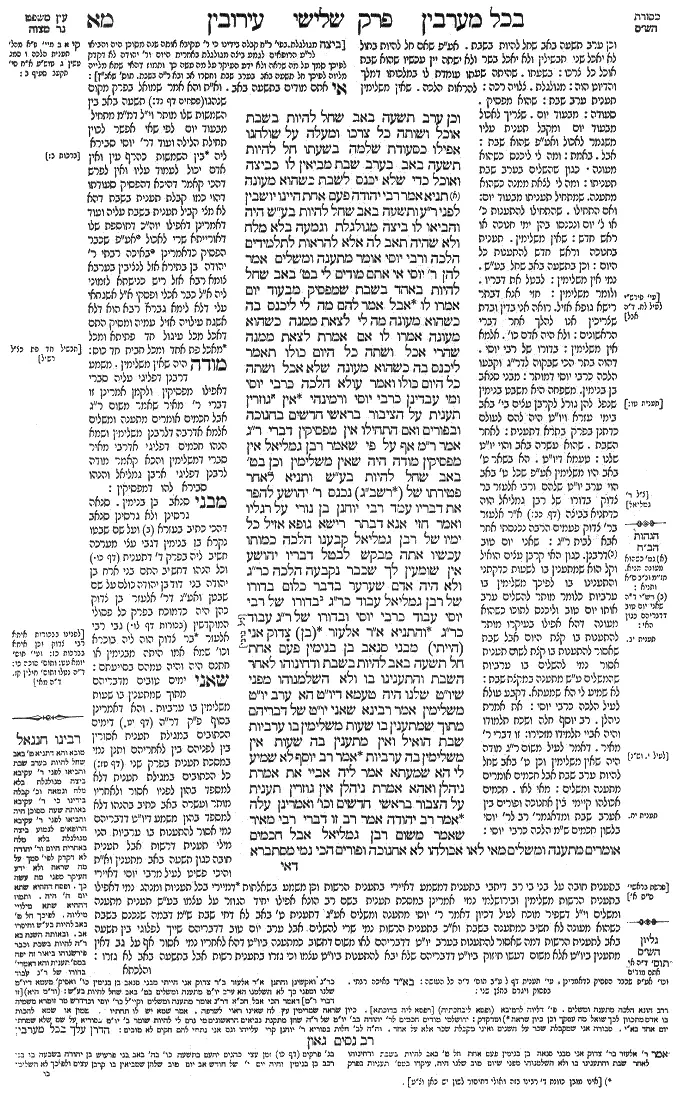
Eruvin 41a - Guemara
וכן ערב תשעה באב שחל להיות בשבת אוכל ושותה כל צרכו ומעלה על שולחנו אפילו כסעודת שלמה בשעתו חל להיות תשעה באב בערב שבת מביאין לו כביצה ואוכל כדי שלא יכנס לשבת כשהוא מעונה תניא אמר רבי יהודה פעם אחת היינו יושבין לפני ר"ע ותשעה באב שחל להיות בע"ש היה והביאו לו ביצה מגולגלת וגמעה בלא מלח ולא שהיה תאב לה אלא להראות לתלמידים הלכה ורבי יוסי אומר מתענה ומשלים אמר להן ר' יוסי אי אתם מודים לי בט' באב שחל להיות באחד בשבת שמפסיק מבעוד יום אמרו לו אבל אמר להם מה לי ליכנס בה כשהוא מעונה מה לי לצאת ממנה כשהוא מעונה אמרו לו אם אמרת לצאת ממנה שהרי אכל ושתה כל היום כולו תאמר ליכנס בה כשהוא מעונה שלא אכל ושתה כל היום כולו ואמר עולא הלכה כרבי יוסי ומי עבדינן כרבי יוסי ורמינהי אין גוזרין תענית על הציבור בראשי חדשים בחנוכה ובפורים ואם התחילו אין מפסיקין דברי ר"ג אמר ר"מ אף על פי שאמר רבן גמליאל אין מפסיקין מודה היה שאין משלימין וכן בט' באב שחל להיות בע"ש ותניא לאחר פטירתו של (רשב"ג) נכנס ר' יהושע להפר את דבריו עמד רבי יוחנן בן נורי על רגליו ואמר חזי אנא דבתר רישא גופא אזיל כל ימיו של רבן גמליאל קבענו הלכה כמותו עכשיו אתה מבקש לבטל דבריו יהושע אין שומעין לך שכבר נקבעה הלכה כר"ג ולא היה אדם שערער בדבר כלום בדורו של רבן גמליאל עבוד כר"ג בדורו של רבי יוסי עבוד כרבי יוסי ובדורו של ר"ג עבוד כר"ג והתניא א"ר אלעזר (בן) צדוק אני (הייתי) מבני סנאב בן בנימין פעם אחת חל תשעה באב להיות בשבת ודחינוהו לאחר השבת והתענינו בו ולא השלמנוהו מפני שיו"ט שלנו היה טעמא דיו"ט הא ערב יו"ט משלימין אמר רבינא שאני יו"ט של דבריהם מתוך שמתענין בו שעות משלימין בו ערביות שבת הואיל ואין מתענין בה שעות אין משלימין בה ערביות אמר רב יוסף לא שמיע לי הא שמעתא אמר ליה אביי את אמרת ניהלן ואהא אמרת ניהלן אין גוזרין תענית על הצבור בראשי חדשים וכו' ואמרינן עלה אמר רב יהודה אמר רב זו דברי רבי מאיר שאמר משום רבן גמליאל אבל חכמים אומרים מתענה ומשלים מאי לאו אכולהו לא אחנוכה ופורים הכי נמי מסתברא
Comments from Rashi on Masechet Eruvin Page 41a
וכן ערב תשעה באב שחל להיות בשבת . אע"פ שאם חל להיות בחול לא יאכל שני תבשילין ולא יאכל בשר ולא ישתה יין עכשיו שהוא שבת אוכל כל צרכו: בשעתו . שהיתה שעתו עומדת לו במלכותו דמלך והדיוט הוה: מגולגלת . צלויה רכה: להראות הלכה . שאין משלימין תענית ערב שבת: שהוא מפסיק . סעודה: מבעוד יום . שצריך לאכול מבעוד יום ומקבל תענית עליו משגמר לאכול ואע"פ שהוא שבת: אבל . באמת: ומה לי ליכנס כשהוא מעונה . כגון שהשלים בערב שבת תעניתו: ומה לי לצאת ממנה כשהוא מתענה . שמתחיל תעניתו מבעוד יום: ואם התחילו . שהתחילו להתענות כ' או ל' יום ונכנסו בהן ימי חנוכה או ראש חדש: שאין משלימין . תענית בחנוכה וראש חדש להתענות כל היום: וכן בתשעה באב שחל בע"ש . נמי אין משלימין: לבטל את דבריו . ולומר משלימין: חזי אנא דבתר רישא גופא אזיל . רואה אני בדין ובדת שצריכין אנו להלך אחר דברי הראשונים: ולא היה אדם כו' . אלמא אין משלימין: בדורו של רבי יוסי . דהוה בתר הכי שבקוה לדר"ג וקבעו הלכה כרבי יוסי דמותר: מבני סנאב בן בנימין . משפחה היא משבט בנימין שנפל להן גורל לקרבן עצים בי' באב בימי עזרא ויו"ט היה להם לעולם כדתנן בפרק בתרא דתענית: לאחר השבת . שהוא עשרה באב והוי יו"ט שלנו: טעמא דיו"ט . הא בשאר ט' באב היו משלימין אע"פ שכל ט' באב הוי ערב יו"ט שלהם ורבי אלעזר בר צדוק בדורו של רבן גמליאל הוה כדתניא בביצה (דף כב:) א"ר אלעזר בר' צדוק פעמים הרבה נכנסתי אחר אבא לבית ר"ג: שאני יום טוב דרבנן . כגון האי קרבן עצים הואיל וקל הוא שמתענין בו לשעות כדקתני והתענינו בו לפיכך משלימין בו ערביות כלומר מותר להשלים ערב אותו יום טוב וליכנס לתוכו כשהוא מעונה דהא אפילו בעיקרו מותר להתענות בו קצת היום אבל שבת שאסור להתענות בו קצת לשום תענית אסור נמי להשלים בו ערביות שהמשלים ע"ש מתענה במקצת שבת: לא שמיע לי הא שמעתא . דקבע עולא לעיל הלכה כרבי יוסי: את אמרת ניהלן . רב יוסף חלה ושכח תלמודו והיה אביי תלמידו מזכירו: זו דברי ר' מאיר . דאמר לעיל משום ר"ג מודה היה שאין משלימין וכן ט' באב שחל להיות ערב שבת אבל חכמים אומרים מתענה ומשלים: מאי לאו . חכמים אכולהו קיימי בין אחנוכה ופורים בין אערב שבת ומדאגמר' רב לר' יוסי בלשון חכמים ש"מ הלכה כרבי יוסי:
Comments from Tosafot - Eruvin 41a
[ביצה מגולגלת . בפי' ר"ח קבלה בידינו כי ר' עקיבא אותה שנה מסוכן היה והביאו לר"ע הרופאים לגמע ביצה מגולגלת באחרית היום ור' יהודה לא דקדק לפיכך סמך על מה שראה ולא ידע העיקר על מה עשה כך ותמוז דהאי שתא מלייה מליוה לפיכך חל תשעה באב בערב שבת וחסרו אב ובא ר"ה בשבת תוס' שאנ"ץ]: אי אתם מודים בתשעה באב . וא"ת והא אמר שמואל בפרק מקום שנהגו (פסחים דף נד:) תשעה באב בין השמשות שלו מותר וי"ל דמ"מ מתחיל מבעוד יום לפי שאי אפשר לכוין תחילת הלילה ועוד דר' יוסי סבירא ליה בין השמשות כהרף עין ואין אדם יכול לעמוד עליו ואין לפרש דהכי קאמר דהיכא דהפסיק סעודתו דהוי כמו קבלת תענית בשבת דהא לא מצי קביל תענית בשבת עליה ועוד דאמרינן דאפילו יוה"כ דתוספת שלו דאורייתא שרי לאכול אע"פ שכבר הפסיק כדאמרינן באיכה רבתי ר' יהודה בן בתירא אזל לנציבין בערבא צומא רבא אזל ריש כנישתא לזמוני ליה א"ל כבר אכלי ופסקי א"ל אשגחאי עלי דלא לימא גברא רבא הוא דלא אשגח עילויה אזיל עמיה ומסיק התם דאכל מכל עיגול חד פתיתא ומכל מאכל פת אחד ומכל חבית חד כוס: מודה היה שאין משלימין . משמע דרבנן דפליגי עליה סברי דאפילו מפסיקין ולקמן אמרינן זו דברי ר' מאיר שאמר משום ר"ג אבל חכמים אומרים מתענה ומשלים אלמא אדרבה דלרבנן משלימין ושמא הנהו חכמים דפליגי אדרבי מאיר סברי דמשלימין והכא קאמר מודה לרבנן דפליגי ארבן גמליאל והנהו סבירא להו דמפסיקין: מבני סנאב בן בנימין . סנאה גרסינן ולא גרסינן סנאב דהכי כתיב בעזרא ועל שם שבטו נקרא בן בנימין דגבי עצי מערכה חשיב ליה בפרק ד' דתענית (דף כו.) וכל הנהו דחשיב התם בני ארח בן יהודה בני דוד בן יהודה כולם על שם שבטן ואע"ג דר' אלעזר בן צדוק כהן היה כדמוכח בפרק כל פסולי המוקדשין (בכורות דף לו.) גבי רבי אלעזר בר צדוק הוה ליה בוכרא וכו' שמא אמו היתה מבנימין או חתנם היה והיה עמהם בסייעתם: שאני ימים טובים מדבריהם מתוך שמתענין בו שעות משלימין בו ערביות . והא דאמרינן בסוף פ"ק דר"ה (דף יט) דימים הכתובים במגילת תענית אסורין בין לפניהם בין לאחריהם ותנן נמי במסכת תענית בפרק שני (דף טז:) כל הכתובים במגילת תענית דלא למספד בהון לפניו אסור ולאחריו מותר ועשרה באב כתיב בהנהו דלא למספד בהון משמע דיו"ט דדבריהם נמי אסור להתענות בו ערביות הני מילי תענית דרשות אבל תענית חובה כגון תשעה באב מתענין וא"ת והיכי פשיט לעיל מרבי יוסי דאיירי בתענית חובה על בני בי רב דיתבי בתענית דמשמע דאיירי בתענית הרשות וכן משמע בשאלתות דמיירי בכל תעניות ומנהג נמי דאפילו בתענית הרשות משלימין ובירושלמי נמי אמרינן במסכת תענית בשם רב הונא אפילו יחיד הגוזר על עצמו בע"ש תענית מתענה ומשלים וי"ל דשפיר מוכח לעיל דכיון דאמר ר' יוסי מתענה ומשלים אע"ג דתענית ט' באב לא דחי שבת ש"מ דבמה שנכנס בשבת כשהוא מעונה לא חשיב כמתענה בשבת וא"כ בתענית הרשות נמי שרי להשלים אבל ערב יום טוב דדבריהם שייך לפלוגי בין תשעה באב לתענית הרשות דמה שאסור להתענות בערב יו"ט דדבריהם לאו משום דחשוב כמתענה ביו"ט דהא לאחריו נמי אסור אף על גב דאין מתענין ביו"ט אלא משום דעשו חיזוק ביו"ט דדבריהם שלא יבא להתענות ביו"ט עצמו וכי גזרו בתענית רשות אבל בתשעה באב לא גזרו:
Eruvin 41a - Mishnah translated into english
and so too, on the eve of the Ninth of Av that occurs on Shabbat, one need not reduce the amount of food he eats; rather, he may eat and drink as much as he requires and bring to his table a meal even like that of King Solomon in his time. If the Ninth of Av occurs on Shabbat eve, we bring him an egg-bulk of food toward end of the day, and he eats it, so that he not enter Shabbat in a state of affliction.
It was taught in a baraita that Rabbi Yehuda said: We were once sitting before Rabbi Akiva, and it was the Ninth of Av that occurs on Shabbat eve, and they brought him a slightly cooked egg, and he swallowed it without salt. And it was not that he desired it so much that he ate it; rather, he did so to show the students the halakha that one need not complete the fast when the Ninth of Av occurs on Shabbat eve, so as not enter Shabbat in a state of affliction.
And Rabbi Yosei says: He must fast and complete the fast. Rabbi Yosei said to the other Sages: Don’t you agree with me with regard to the Ninth of Av that occurs on Sunday, that one must stop eating on Shabbat while it is still day? They said to him: Indeed, we agree. Rabbi Yosei said to them: What is the difference to me between entering Shabbat in a state of affliction and leaving it in a state of affliction? If one stops eating before Shabbat is over, he is spending part of Shabbat fasting, and yet even the Sages concede that one must do so.
They said to him: There is a difference. If you said that one may leave Shabbat in a state of affliction, that is because he ate and drank the entire day and will not suffer if he fasts a few minutes at the end of the day. Can you say that it is the same to enter Shabbat in a state of affliction, when he has not eaten or drunk anything the entire day?
And Ulla said: The halakha is in accordance with the opinion of Rabbi Yosei, and on the Ninth of Av that occurs on Shabbat eve one must complete the fast. The Gemara poses a question: Do we really act in accordance with the opinion of Rabbi Yosei? And the Gemara raises a contradiction based upon the following mishna: We do not initially decree a fast upon the public on the New Moon, Hanukkah, or Purim, and if the community had already begun a cycle of fasts and one of them fell out on one of these days, they do not interrupt the series; this is the statement of Rabban Gamliel. Rabbi Meir said: Even though Rabban Gamliel said that they do not interrupt the series, he conceded that they do not complete the fast on one of these days, and so too, the fast on the Ninth of Av that occurs on Shabbat eve is not completed.
And it was taught in a related baraita: Following the death of Rabban Gamliel, Rabbi Yehoshua entered the study hall to annul Rabban Gamliel’s statement with regard to fasts. Rabbi Yoḥanan ben Nuri stood on his feet and said: I see that the appropriate policy is that the body must follow the head, i.e., we must follow the statements of the earlier authorities and not deviate from established halakha. All of Rabban Gamliel’s life we established the halakha in accordance with his opinion, and now you seek to annul his statement? Yehoshua, we do not listen to you, as the halakha has already been established in accordance with the opinion of Rabban Gamliel. And there was no one who disputed this statement in any way. Therefore, this baraita demonstrates that when the Ninth of Av occurs on Shabbat eve, one must observe the fast but not complete it, and this was the accepted practice.
The Gemara resolves the difficulty, arguing that this proof is not conclusive: Indeed, in the generation of Rabban Gamliel they acted in accordance with the opinion of Rabban Gamliel, but in the generation of Rabbi Yosei they acted in accordance with the opinion of Rabbi Yosei, and from then on, the halakha follows his view.
The Gemara asks: And is it correct that in the generation of Rabban Gamliel they acted in accordance with the opinion of Rabban Gamliel? Wasn’t it taught in a baraita that Rabbi Elazar ben Tzadok, a contemporary of Rabban Gamliel, said: I am a descendant of Sena’av ben Binyamin, who observed a family festival on the tenth of Av. One time, the Ninth of Av occurred on Shabbat, and we postponed it until after Shabbat, as we do not observe the fast on Shabbat, and we fasted on Sunday but did not complete the fast because that day was our Festival. This indicates that the reason they did not complete the fast is that the day itself was a Festival for them, but on the eve of a Festival, they would indeed complete it. This proves that even in the generation of Rabban Gamliel, they did complete fasts on the eve of Shabbat and Festivals.
Ravina said that this story poses no difficulty: A rabbinic Festival is different, as they are not as stringent as Shabbat or Festivals stated in the Torah, and the festival of the family of Sena’av was not a Festival from the Torah, but one established by the Sages. Since one may fast on such a Festival for a number of hours, i.e., one may fast on it for part of the day, one also completes a fast observed on the eve of such a Festival until the evening. With regard to Shabbat, however, since one may not fast on it even for several hours, one does not complete a fast observed on Shabbat eve.
Rav Yosef said: I did not hear this ruling that the halakha is in accordance with the opinion of Rabbi Yosei. Rav Yosef had fallen ill and forgotten his learning and so was unable to remember that such a ruling had been issued. His student, Abaye, said to him: You yourself told us this halakha, and it was with regard to this point that you told it to us, as we learned in a mishna: We do not initially decree a fast upon the public on the New Moon, on Hanukkah, or on Purim. Rabbi Meir said: Even though Rabban Gamliel said that if the community had already begun a cycle of fasts, they do not interrupt the series, he conceded that they do not complete the fast on one of these days, and similarly, the fast of the Ninth of Av that occurs on Shabbat eve is not completed. And we said with regard to this mishna that Rav Yehuda said that Rav said: This is the statement that Rabbi Meir said in the name of Rabban Gamliel. But the Rabbis say: One must fast and complete the fast.
What? Does the Rabbis’ ruling that one must complete the fast not refer to all the cases mentioned in the mishna, including that of the Ninth of Av that occurs on Shabbat eve? No, it was stated only with regard to Hanukkah and Purim, but one would not complete a fast on Shabbat eve.
The Gemara comments: So too, it is reasonable to explain that this ruling does not apply to Shabbat eve,
Traduction : The William Davidson digital edition of the Koren Noé Talmud, with commentary by Rabbi Adin Even-Israel Steinsaltz.