 Talmud Bavli
Eruvin 98b : Youtube
Rabi Yitzchok LobensteinYoutube
2 video classes :
Eruvin Page 98b
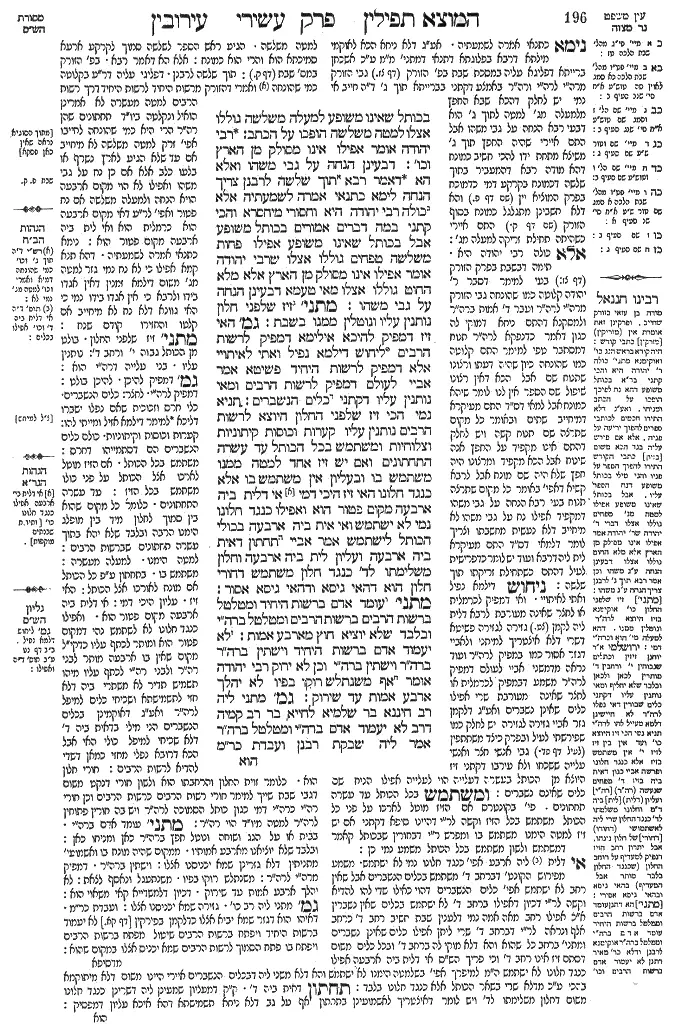
Eruvin 98b - Guemara
בכותל שאינו משופע למעלה משלשה גוללו אצלו למטה משלשה הופכו על הכתב:
רבי יהודה אומר אפילו אינו מסולק מן הארץ וכו':
דבעינן הנחה על גבי משהו ואלא הא דאמר רבא תוך שלשה לרבנן צריך הנחה לימא כתנאי אמרה לשמעתיה אלא כולה רבי יהודה היא וחסורי מיחסרא והכי קתני במה דברים אמורים בכותל משופע אבל בכותל שאינו משופע אפילו פחות משלשה טפחים גוללו אצלו שרבי יהודה אומר אפילו אינו מסולק מן הארץ אלא מלא החוט גוללו אצלו מאי טעמא דבעינן הנחה על גבי משהו:
מתני׳ זיז שלפני חלון נותנין עליו ונוטלין ממנו בשבת:
גמ׳ האי זיז דמפיק להיכא אילימא דמפיק לרשות הרבים ליחוש דילמא נפיל ואתי לאיתויי אלא דמפיק לרשות היחיד פשיטא אמר אביי לעולם דמפיק לרשות הרבים ומאי נותנין עליו דקתני כלים הנשברים:
תניא נמי הכי זיז שלפני החלון היוצא לרשות הרבים נותנין עליו קערות וכוסות קיתוניות וצלוחיות ומשתמש בכל הכותל עד עשרה התחתונים ואם יש זיז אחד למטה ממנו משתמש בו ובעליון אין משתמש בו אלא כנגד חלונו האי זיז היכי דמי אי דלית ביה ארבעה מקום פטור הוא ואפילו כנגד חלונו נמי לא ישתמש ואי אית ביה ארבעה בכולי הכותל לישתמש אמר אביי תחתון דאית ביה ארבעה ועליון לית ביה ארבעה וחלון משלימתו לד' כנגד חלון משתמש דחורי חלון הוא דהאי גיסא ודהאי גיסא אסור:
מתני׳ עומד אדם ברשות היחיד ומטלטל ברשות הרבים ברשות הרבים ומטלטל ברה"י ובלבד שלא יוציא חוץ מארבע אמות:
לא יעמוד אדם ברשות היחיד וישתין ברה"ר ברה"ר וישתין ברה"י וכן לא ירוק רבי יהודה אומר אף משנתלש רוקו בפיו לא יהלך ארבע אמות עד שירוק:
גמ׳ מתני ליה רב חיננא בר שלמיא לחייא בר רב קמיה דרב לא יעמוד אדם ברה"י ומטלטל ברה"ר אמר ליה שבקת רבנן ועבדת כר"מ
Comments from Rashi on Masechet Eruvin Page 98b
למטה משלשה . הגיע ראש הספר לשלשה סמוך לקרקע ארעא סמיכתא הוא והרי הוא כמונח: אלא הא דאמר רבא . בפ' הזורק במס' שבת (דף ק.): תוך שלשה לרבנן . דפליגי עליה דר"ע בקלוטה כמי שהונחה ואמרי דהזורק מרשות היחיד לרשות היחיד דרך רשות הרבים למטה מעשרה לא אמרינן הואיל ונקלטה ביו"ד תחתונים שהן רה"ר הרי היא כמי שהונחה לחייבו אפי' זרק למטה משלשה לא מיחייב אם עד שלא הגיע לארץ נשרף או בלעו כלב אלא אם כן נח על גבי משהו ואפילו לא הוי מקום ארבעה הויא הנחה ולמעלה משלשה אם נח פטור ואפי' לר"ע דאי מקום ארבעה הוא כרמלית הוא ואי לית ביה ארבעה מקום פטור הוא: נימא כתנאי אמרה לשמעתיה . דהא תנא קמא אפילו כי לא נח נמי גזר למטה מג' משום דילמא זמנין דאין אגדו בידו ולרבא כי אין אגדו בידו נמי כי האי גוונא דלא נח לא מיחייב אם קלטו והחזירו קודם שנח: מתני' זיז שלפני החלון . בולט מן הכותל גבוה י' ורחב ד': נותנין עליו . בני עלייה דרה"י הוא: גמ' דמפיק להיכן . להיכן בולט: דמפיק לרה"י . לחצר: כלים הנשברים . כלי חרס וזכוכית שאם נפלו ישברו דליכא למימר דילמא אזיל ומייתי להו: קערות וכוסות וקיתוניות . כולם כלים הנשברים הם דסתמייהו דחרס: משתמש בכל הכותל . אם הזיז מוטל לארכו אצל הכותל על פני כולו משתמש בכל הזיז: עד עשרה התחתונים . כלומר כל מקום שהוא בין סמוך לחלון מיד בין מופלג הימנו הרבה ובלבד שלא יהא בתוך עשרה תחתונים שברשות הרבים: למטה הימנו . למעלה מעשרה: משתמש בו . בתחתון ע"פ כל הכותל אם מונח לאורכו אצל הכותל: האי זיז . עליון היכי דמי: אי דלית ביה ארבעה מקום פטור הוא . ואפילו כנגד חלונו לא לשתמש נהי דמקום פטור הוא ומותר לכתף עליו כדקי"ל מקום שאין בו ארבעה מותר לבני רה"ר ולבני רה"י לכתף עליו מיהו תשמיש תדיר לא משתרי ביה דלא חזי לתשמישתא ושכיחי כלים למיפל לרה"ר ואע"ג דאוקמינן בכלים הנשברים הני מילי בדאית ביה ד' דלא שכיחי למיפל כולי האי אבל הכא דרובא נפלי מחזי כמאן דשדי להדיא לרשות הרבים: חורי חלון הוא . כלומר זוית החלון והרחבתו הוא ולשון חורי דנקט משום דגבי שבת שייך למימר חורי רשות הרבים כרשות הרבים וכן חורי רה"י כרה"י דמי כגון כותל הסמוכה לרה"ר ויש בה חורין פתוחין לרה"ר למטה מיו"ד הוי רה"ר: מתני' עומד אדם ברה"י . בבית או על הגג ושוחה ונוטל חפץ ברה"ר כאן ומניחו כאן: ובלבד שלא יוציאנו מארבע אמותיו . ממקום שהיה מונח בו ואשמועי' מתניתין דלא גזרינן שמא יכניסנו אצלו: וישתין ברה"ר . דמפיק מרה"י לרה"ר: משנתלש רוקו בפיו . משנתגאל ונאסף לצאת: לא יהלך ארבע אמות עד שירוק . דכיון דלמשדייא קאי משאוי הוא: גמ' מתני ליה רב כו' . גזירה שמא יכניסנו אצלו: ועבדת כר"מ . דאיהו הוא דגזר שמא יביא אצלו כדלקמן בפירקין [עירובין דף קא.] לא יעמוד ברשות היחיד ויפתח ברשות הרבים שיטול מפתח ברשות הרבים ויפתח בו פתח הסמוך לרשות הרבים שמא יכניס אצלו במקום שהוא:
Comments from Tosafot - Eruvin 98b
נימא כתנאי אמרה לשמעתיה . אע"ג דלא ניחא הכא לאוקמי מילתא דרבא בפלוגתא דתנאי דמתני' מ"מ ע"כ אשכחן ברייתא דפליגא עליה במסכת שבת בפ' הזורק (דף צז.) גבי הזורק מרה"י לרה"י ורה"ר באמצע דקתני בברייתא תוך ג' ד"ה חייב אי נמי יש לחלק דהכא שבא החפץ מלמעלה מג' למטה לתוך ג' הוא דבעי רבא הנחה על גבי משהו אבל התם איירי שהיה החפץ תוך ג' משיצא מתחת ידו להכי חשיב כמונח דהא מודה רבא דהמעביר בתוך שלשה דכמונח בקרקע דמי כדמוכח בפרק המוציא יין (שם דף פ.) והא דלא חשבינן מתגלגל כמונח בסוף הזורק (שם דף ק.) התם איירי כשהיתה תחילת זריקה למעלה מג': אלא כולה רבי יהודה היא . תימה דבשבת בפרק הזורק (דף צז:) בעי למימר דסבר ר' יהודה קלוטה כמו שהונחה גבי הזורק מרה"י לרה"ר ועבר ד' אמות ברה"ר ולמסקנא דהתם ניחא דמוקי לה כגון דאמר כדנפקא לרה"ר תנוח דמסתבר טפי למימר התם קלוטה כמו שהונחה כיון שהיה דעתו ורצונו שתנוח שם אבל הכא דאין רצונו . שיפול שם הספר אין לנו לומר שיהא כמונח אבל למאי דס"ד התם מעיקרא דמיחייב שתים ובאומר כל מקום שתרצה שם תנוח קשה ויש לחלק דהתם אינו מקפיד על החפץ אנה שינוח אבל הכא מקפיד ומרצונו היה חפץ שלא היה שם מונח אבל לרבא קשיא דאפי' באומר כל מקום שתרצה תנוח בעי רבא הנחה על גבי משהו דמקפיד אפילו נח על גבי משהו לא מיחייב דלא נעשית מחשבתו וצריך לומר דלמאי דס"ד התם מעיקרא לית ליה דרבא ועוד יש לומר כדפרישית לעיל דהתם כשתחילת זריקתו תוך שלשה: ניחוש דילמא נפיל ואתי לאיתויי . ואי דמפיק לכרמלית או לחצר שאינה מעורבת לרבא דלית ליה לקמן (עירובין צט.) גזירה לגזירה פשיטא דשרי דלא איצטריך למיתני ולאביי דגזר אסור כמו במפיק לרה"ר ועוד נראה מדמשני אביי לעולם דמפיק לרה"ר משמע דבמפיק לכרמלית או לחצר שאינה מעורבת שרי אפילו כלים שאינן נשברים ואע"ג דלקמן גזר אביי גזירה לגזירה יש לחלק כמו שפירשתי לעיל ובפרק כיצד משתתפין (לעיל עירובין דף פד.) גבי אנשי חצר. ואנשי עלייה ששכחו ולא עירבו דקתני זיז היוצא מן הכותל בעשרה דעלייה הוי לעלייה אפילו הניח שם כלים שאינם נשברים: ומשתמש בכל הכותל עד עשרה תחתונים . פי' בקונטרס אם הזיז מוטל לארכו על פני כל הכותל משתמש בכל הזיז וקשה לר"י דהיינו סיפא דקתני אם יש זיז למטה הימנו משתמש בו ומפרש ר"י דבחורין שבכותל קאמר דמשתמש ולשון משתמש בכל הכותל משמע נמי כן: אי דלית ליה ארבע אפי' כנגד חלונו נמי לא ישתמש . משמע מפירוש הקונט' דברחב ד' משתמש בכלים הנשברים אבל שאין רחב לא ישתמש אפי' כלים הנשברים דהוי כאילו שדי להו להדיא וקשה לר"י דכיון דאפילו ברחב ד' לא ישתמש בכלים שאין נשברין א"כ אפילו רחב מאה אמה נמי דלענין שבת חשיב רחב ד' כרחב אלף ונראה לר"י דברחב ד' שרי ליתן אפילו כלים שאינן נשברים ומתני' ברחב כל שהוא והא דלא מוקי לה ברחב ד' ובכל כלים משום דסתם זיז אינו רחב ד' וכי פריך הש"ס אי דלית ביה ארבעה אפילו כנגד חלונו לא ישתמש ה"מ למיפרך אפי' בשלמטה הימנו לא ישתמש והא דלא משני ליה דבכלים הנשברים איירי היינו משום דלא מיתוקמא בהכי ע"כ מדלא שרי בשאר הכותל אלא כנגד חלונו בלבד: תחתון דאית ביה ד' . ק"ק דמעליון שמעינן ליה דשרינן כנגד חלונו משום דחלון משלימתו לד' ויש לומר דאיצטריך לאשמועינן בתחתון אף על גב דלא ניחא תשמישתא דהא איכא עליון דמפסיק:
Eruvin 98b - Mishnah translated into english
with regard to a wall that is not inclined, the following distinction applies: If the end of the scroll is three handbreadths above the ground, he may roll it back to himself; but if it is below three handbreadths from the ground, it is considered as though the scroll is on the ground, and he must therefore turn it facedown onto the writing.
It was stated in the mishna that Rabbi Yehuda says: Even if the scroll is removed only a needle breadth from the ground, one rolls it back to himself. The Gemara explains: Rabbi Yehuda maintains that in order for an object to be deemed at rest, we require that it rest atop something. Consequently, a scroll that is not actually touching the ground is not considered resting and may be rolled back.
The Gemara asks: But consider that which Rava said with regard to an object located within three handbreadths of the ground. Rava said that according to the opinion of the Rabbis, who disagree with Rabbi Akiva and claim that something in the air is not considered to be at rest, nevertheless, for one to incur liability it is necessary for the object to rest on a surface. Let us say that he stated his halakha in accordance with only one of the tanna’im, but not in accordance with all of them. This is an unacceptable conclusion.
Rather, the Gemara rejects the previous explanation in favor of the following one: The mishna is all in accordance with Rabbi Yehuda, and it is incomplete and is teaching the following: In what case is this statement that once the end of the scroll is within ten handbreadths of the ground it may not be rolled back said? It was said in the case of an inclined wall. But with regard to a wall that is not inclined, even if the end of the scroll is less than three handbreadths from the ground, one may roll it back to himself, as Rabbi Yehuda says: Even if the scroll is removed only a needle breadth from the ground, he rolls it back to himself.
What is the reason for this ruling? The reasoning is that for an object to be considered at rest, we require that it rest atop some surface. Consequently, if the scroll is not actually touching the ground, it is not considered at rest, even if it is less than three handbreadths from the ground.
MISHNA: With regard to a ledge in front of a window, that is ten handbreadths high and four handbreadths wide, one may place objects upon it or remove them from it on Shabbat via the window.
GEMARA: The Gemara clarifies: This ledge, to where does it protrude? If you say that the ledge protrudes into a public domain, one should be prohibited to place an object on it, as we should be concerned lest the object fall and he will forget and come to bring it in from the public domain to a private domain. Rather, it must be that the ledge protrudes into a private domain; but if so, it is obvious that it is permitted to place objects on it and to remove them.
Abaye said: Actually, the mishna is dealing with a case where it protrudes into a public domain, and what is the meaning of that which it teaches: One may place objects upon it? This refers to fragile utensils, which would break instantly if they fell. Consequently, there is no concern that one might then bring them in from the public domain to the private domain.
The Gemara comments: That was also taught in a baraita: With regard to a ledge in front of a window that protrudes into a public domain, one may place on it bowls, cups, small cups [kitoniyot], and saucers. All of these utensils are made of fragile glass or earthenware, which supports Abaye’s opinion.
The baraita continues: And one may use this ledge along the entire length of the wall, if the ledge spans its length, whether in close proximity to the window or removed from it, until the lower ten handbreadths of the wall, but not if the ledge is lower than that. And if there is one other ledge below it but still ten handbreadths above the ground, one may use the lower ledge along the entire length of the wall; but with regard to the upper ledge, one may use it only opposite his window.
The Gemara asks: This upper ledge, what are its circumstances? If it is not four handbreadths deep, although it is an exempt domain with regard to the halakhot of Shabbat, which means it does not pose a problem in itself, one should nonetheless not be permitted to use it even opposite his window, as anything placed on this narrow ledge is likely to fall. Consequently, it is as though he has thrown the object directly to the ground. And if it is four handbreadths deep, let him use the ledge along the entire length of the ledge along the wall.
Abaye said: We are dealing with a case where the lower ledge is four handbreadths deep and the upper ledge is not four handbreadths deep, but the windowsill on the inside completes it to form a surface four handbreadths deep. Accordingly, one may use the part of the upper ledge opposite the window, as it is considered an extension of the window, but the parts to this side or to that side of the window are prohibited, as they are less than four handbreadths deep.
MISHNA: A person may stand in a private domain and move objects that are in a public domain, as there is no concern that he might mistakenly bring them into the private domain. Similarly, one may stand in a public domain and move objects in a private domain, provided that he does not carry them beyond four cubits in the public domain, which is prohibited on Shabbat.
However, a person may not stand in a private domain and urinate into a public domain, nor may one stand in a public domain and urinate into a private domain. And likewise, one may not spit in such a manner that the spittle passes from a private domain to a public domain or vice versa.
Rabbi Yehuda says: Even once a person’s spittle is gathered in his mouth, he may not walk four cubits in the public domain until he spits it out, for he would be carrying the accumulated spittle in his mouth, which is akin to carrying any other object.
GEMARA: Rav Ḥinnana bar Shelamiya would teach this mishna to Ḥiyya bar Rav before Rav as follows: A person may not stand in a private domain and move objects that are in a public domain. Rav said to him: Have you abandoned the majority opinion of the Rabbis and followed the solitary dissenting opinion of Rabbi Meir, who is stringent in this regard?
Traduction : The William Davidson digital edition of the Koren Noé Talmud, with commentary by Rabbi Adin Even-Israel Steinsaltz.