 Talmud Bavli
Eruvin 100b : Youtube
Rabi Yitzchok LobensteinYoutube
2 video classes :
Eruvin Page 100b
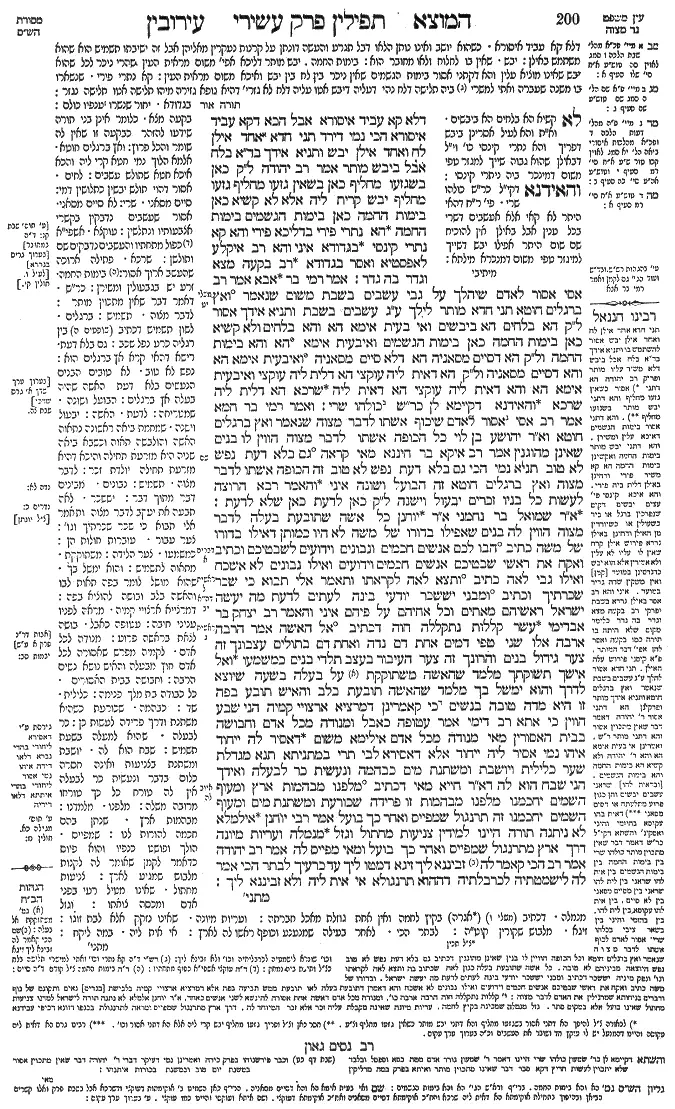
Eruvin 100b - Guemara
דלא קא עביד איסורא אבל הכא דקא עביד איסורא הכי נמי דירד תני חדא אחד אילן לח ואחד אילן יבש ותניא אידך בד"א בלח אבל ביבש מותר אמר רב יהודה ל"ק כאן בשגזעו מחליף כאן בשאין גזעו מחליף גזעו מחליף יבש קרית ליה אלא לא קשיא כאן בימות החמה כאן בימות הגשמים בימות החמה הא נתרי פירי בדליכא פירי והא קא נתרי קינסי בגדודא איני והא רב איקלע לאפסטיא ואסר בגדודא רב בקעה מצא וגדר בה גדר:
אמר רמי בר אבא אמר רב אסי אסור לאדם שיהלך על גבי עשבים בשבת משום שנאמר (משלי יט, ב) ואץ ברגלים חוטא תני חדא מותר לילך ע"ג עשבים בשבת ותניא אידך אסור ל"ק הא בלחים הא ביבשים ואי בעית אימא הא והא בלחים ולא קשיא כאן בימות החמה כאן בימות הגשמים ואיבעית אימא הא והא בימות החמה ול"ק הא דסיים מסאניה הא דלא סיים מסאניה ואיבעית אימא הא והא דסיים מסאניה ול"ק הא דאית ליה עוקצי הא דלית ליה עוקצי ואיבעית אימא הא והא דאית ליה עוקצי הא דאית ליה שרכא הא דלית ליה שרכא והאידנא דקיימא לן כר"ש כולהו שרי:
ואמר רמי בר חמא אמר רב אסי אסור לאדם שיכוף אשתו לדבר מצוה שנאמר ואץ ברגלים חוטא וא"ר יהושע בן לוי כל הכופה אשתו לדבר מצוה הווין לו בנים שאינן מהוגנין אמר רב איקא בר חיננא מאי קראה (משלי יט, ב) גם בלא דעת נפש לא טוב תניא נמי הכי גם בלא דעת נפש לא טוב זה הכופה אשתו לדבר מצוה ואץ ברגלים חוטא זה הבועל ושונה איני והאמר רבא הרוצה לעשות כל בניו זכרים יבעול וישנה ל"ק כאן לדעת כאן שלא לדעת:
א"ר שמואל בר נחמני א"ר יוחנן כל אשה שתובעת בעלה לדבר מצוה הווין לה בנים שאפילו בדורו של משה לא היו כמותן דאילו בדורו של משה כתיב (דברים א, יג) הבו לכם אנשים חכמים ונבונים וידועים לשבטיכם וכתיב ואקח את ראשי שבטיכם אנשים חכמים וידועים ואילו נבונים לא אשכח ואילו גבי לאה כתיב (בראשית ל, טז) ותצא לאה לקראתו ותאמר אלי תבוא כי שכר שכרתיך וכתיב (דברי הימים א יב, לג) ומבני יששכר יודעי בינה לעתים לדעת מה יעשה ישראל ראשיהם מאתים וכל אחיהם על פיהם איני והאמר רב יצחק בר אבדימי עשר קללות נתקללה חוה דכתיב (בראשית ג, טז) אל האשה אמר הרבה ארבה אלו שני טפי דמים אחת דם נדה ואחת דם בתולים עצבונך זה צער גידול בנים והרונך זה צער העיבור בעצב תלדי בנים כמשמעו ואל אישך תשוקתך מלמד שהאשה משתוקקת על בעלה בשעה שיוצא לדרך והוא ימשל בך מלמד שהאשה תובעת בלב והאיש תובע בפה זו היא מדה טובה בנשים כי קאמרינן דמרציא ארצויי קמיה הני שבע הווין כי אתא רב דימי אמר עטופה כאבל ומנודה מכל אדם וחבושה בבית האסורין מאי מנודה מכל אדם אילימא משום דאסיר לה ייחוד איהו נמי אסיר ליה ייחוד אלא דאסירא לבי תרי במתניתא תנא מגדלת שער כלילית ויושבת ומשתנת מים כבהמה ונעשית כר לבעלה ואידך הני שבח הוא לה דא"ר חייא מאי דכתיב (איוב לה, יא) מלפנו מבהמות ארץ ומעוף השמים יחכמנו מלפנו מבהמות זו פרידה שכורעת ומשתנת מים ומעוף השמים יחכמנו זה תרנגול שמפייס ואחר כך בועל אמר רבי יוחנן אילמלא לא ניתנה תורה היינו למידין צניעות מחתול וגזל מנמלה ועריות מיונה דרך ארץ מתרנגול שמפייס ואחר כך בועל ומאי מפייס לה אמר רב יהודה אמר רב הכי קאמר לה זביננא ליך זיגא דמטו ליך עד כרעיך לבתר הכי אמר לה לישמטתיה לכרבלתיה דההוא תרנגולא אי אית ליה ולא זביננא ליך:
Comments from Rashi on Masechet Eruvin Page 100b
דלא קא עביד איסורא . כשהוא יושב ואינו נותן הלאו דבל תגרע והעשה דונתן על קרנות נעקרין מאליהן אבל זה ישיבתו תשמיש הוא שהוא משתמש באילן: יבש . שאין בו לחלוח ולאו מחובר הוא: בימות החמה . יבש מותר דליכא אפי' משום מראית העין שהרי ניכר לכל שהוא יבש שאינו מוציא עלין והא דקתני אסור בימות הגשמים שאין ניכר בין לח בין יבש ואיכא משום מראית העין: קא נתרי פירי . שנשארו בו משנה שעברה ואתי למשרי ביה תלישה דלח נהי דעליה דיבש אטו עליה דלח לא גזרי' דהיא גופא גזירה מיהו תלישה אטו תלישה נגזר: בגדודא . יחור שנשרו ענפיו כולם: בקעה מצא . כלומר אינן בני תורה שידעו להזהר כבקעה זו שאין לה שומר והכל פרוץ: ואץ ברגלים חוטא . אלמא הלוך נמי חטא קרי ליה והכא איכא חטא שתולש עשבים: לחים . אסור דהוי תולש יבשין כתלושין דמי: בימות החמה . זרע יש בגבעולין ומשירן: סיים מסאני . שרי: לא סיים מסאני . אסור שעשבים נדבקין בקשרי אצבעותיו ונתלשין: עוקצא . אשפי"א כפול מתחתיו והעשבים נדבקים שם ותולשן: שרכא . פתילה ארוכה שהעשב ארוך אסור: כר"ש . דאמר דבר שאין מתכוין מותר: לדבר מצוה . תשמיש: ברגלים . לשון תשמיש דכתיב (שופטים ה) בין רגליה כרע נפל שכב: גם בלא דעת . רישא דהאי קרא אץ ברגלים הוא: נפש לא טוב . לא טובים הבנים הנעשים בלא דעת האשה שהיה בעלה אץ ברגלים: הבועל ושונה . שמטריחה: יבעול וישנה . שמחמת ביאה ראשונה נתאוה האשה והולבשה תאוה וכשבא ביאה שניה היא מזרעת תחילה והיכא דהיא מזרעת תחילה יולדת זכר: לדעת . האשה: לדבר מצוה . תשמיש: נבונים . מבינים דבר מתוך דבר: יששכר . לאה תבעה את יעקב לדבר מצוה ותאמר אלי תבוא כי שכר שכרתיך וגו': צער עבור . עוברות חולות הן: כמשמעו . צער הלידה: משתוקקת . מתאוה לתשמיש: והוא ימשל בך . שהוא מושל לומר בפה תאות לבו והאשה בלב ובושה להוציא בפה: דמרצייא ארצויי קמיה . מראה לפניו עניני חיבה: עטופה כאבל . בושה לצאת בראשה פרוע: מנודה לכל אדם . לקמיה מפרש שאסורה לכל אדם חוץ מבעלה והאיש נושא נשים הרבה: וחבושה בבית האסורים . כל כבודה בת מלך פנימה: כלילית . שד: כבהמה . שכורעת כשהיא משתנת ודרך פרידה לעשות כן: כר לבעלה . שהוא למעלה בשעת תשמיש: שבח הוא לה . יושבת ומשתנת בצניעות ואינה חסרה כלום בדבר ונעשית כר לבעלה אין לה טורח כל כך טורחו מרובה משלה: מלפנו . מלמדנו: מבהמות ארץ . שנתן בהם חכמה להורות לנו: שמפייס . הולך ופושט כנפיו והוא פיוס כדאמר לקמן שאומר לה לקנות מלבוש. שמגיע לארץ: צניעות מחתול . שאינו מטיל רעי בפני אדם ומכסה צואתו: וגזל מנמלה . דכתיב (משלי ו) (אגרה) בקיץ לחמה ואין אחת גוזלת מאכל חברתה: ועריות מיונה . שאינו נזקק אלא לבת זוגו: זיגא . מלבוש שקורין קוט"ה: לבתר הכי . לאחר בעילה שמנענע וכופף ראשו לה לארץ: אי אית ליה . במה ליקח:
Comments from Tosafot - Eruvin 100b
לא קשיא הא בלחים הא ביבשים . וא"ת והא לעיל אסרינן ביבש דפריך והא נתרי קינסי כו' וי"ל דבאילן שהוא גבוה שייך למגזר טפי משום דמינכר ביה ניתרי קינסי: והאידנא דקי"ל כר"ש כולהו שרי . פי' ר"ח דהאי היתר לא קאי אלא אעשבים דשרי בכל ענין אבל באילן אין להוכיח שם שום היתר אפילו יבש דשייך למיגזר טפי משום דמנכרא מילתא:
Eruvin 100b - Mishnah translated into english
where one does not commit a transgression by refraining from action. However, here, where one commits a transgression every additional moment he remains in the tree, indeed, he should descend from it.
The Gemara cites an apparent contradiction: It was taught in one baraita that both a green tree and a dry tree are included in the prohibition against climbing a tree, whereas it was taught in another baraita: In what case are these matters, that one may not climb a tree, stated? With regard to a green tree. But in the case of a dry one, it is permitted to climb it.
Rav Yehuda said: It is not difficult. Here, the baraita that includes a dry tree in the prohibition is referring to a tree whose stump sends out new shoots when cut; whereas there, the baraita that excludes a dry tree from the prohibition is referring to one whose stump does not send out new shoots.
The Gemara expresses surprise at this answer: You call a tree whose stump sends out new shoots dry? This tree is not dry at all. Rather, it is not difficult, as both baraitot deal with a dry tree whose stump will not send out any new shoots. However, here, the baraita that permits climbing a dry tree, is referring to the summer, when it is evident that the tree is dead; whereas there, the baraita that prohibits climbing the tree is referring to the rainy season, when many trees shed their leaves and it is not obvious which remain alive and which are dead.
The Gemara raises a difficulty: In the summer, the fruit of the previous year left on the dry tree will fall off when he climbs it, and climbing the tree should therefore be prohibited lest he come to pick the fruit. The Gemara answers: We are dealing here with a case where there is no fruit on the tree. The Gemara asks: But small branches will fall off when he climbs the tree, and once again this should be prohibited in case he comes to break them off. The Gemara answers: We are dealing here with a tree that has already been stripped of all its small branches.
The Gemara asks: Is that really so? But Rav arrived at a place called Apsetaya and prohibited its residents from climbing even a tree that had already been stripped of all its branches. The Gemara answers: In truth, no prohibition was involved, but Rav found an unguarded field, i.e., a place where transgression was widespread, and fenced it in. He added a stringency as a safeguard and prohibited an action that was fundamentally permitted.
Rami bar Abba said that Rav Asi said: It is prohibited for a person to walk on grass on Shabbat, due to the fact that it is stated: “And he who hastens with his feet sins” (Proverbs 19:2). This verse teaches that mere walking occasionally involves a sin, e.g., on Shabbat, when one might uproot the grass on which he walks.
The Gemara cites another apparent contradiction: It was taught in one baraita that it is permitted to walk on grass on Shabbat, and it was taught in another baraita that it is prohibited to do so. The Gemara answers: This is not difficult. This baraita is referring to green grass, which one might uproot, thereby transgressing the prohibition against reaping on Shabbat. That other baraita is referring to dry grass, which has already been cut off from its source of life, and therefore the prohibition of reaping is no longer in effect.
And if you wish, say instead that both baraitot are referring to green grass, and yet there is no difficulty: Here, the baraita that prohibits walking on grass is referring to the summer, when the grass includes seeds that might be dislodged by one’s feet, whereas there, the baraita that permits doing so is referring to the rainy season, when this problem does not exist.
And if you wish, say instead that both baraitot are referring to the summer, and it is not difficult: This baraita, which permits walking on grass, is referring to a case where one is wearing his shoes, whereas that other baraita, which prohibits it, deals with a situation where one is not wearing his shoes, as the grass might get entangled between his toes and be uprooted.
And if you wish, say instead that both baraitot are referring to a case where one is wearing his shoes, and nevertheless this is not difficult: This baraita prohibits walking on grass, as it involves a case where one’s shoe has a spike on which the grass might get caught and be uprooted, whereas that other baraita permits it, because it deals a case where one’s shoe does not have a spike.
And if you wish, say instead that both are referring to a case where the shoe has a spike, and it is not difficult: This baraita, which prohibits walking on grass, is referring to a case where the grass is long and entangled, and it can easily get caught on the shoe, whereas that other baraita is referring to a case where the grass is not long and entangled.
The Gemara concludes: And now, when we maintain that the halakha is in accordance with the opinion of Rabbi Shimon, who maintains that there is no liability for a prohibited act committed unwittingly during the performance of a permitted act, all of these scenarios are permitted, as here too, one’s intention is merely to walk and not to uproot grass on Shabbat.
The Gemara cites another halakha derived from the verse mentioned in the previous discussion. Rami bar Ḥama said that Rav Asi said: It is prohibited for a man to force his wife in the conjugal mitzva, i.e., sexual relations, as it is stated: “And he who hastens with his feet sins” (Proverbs 19:2). The term his feet is understood here as a euphemism for intercourse.
And Rabbi Yehoshua ben Levi said: Anyone who forces his wife to perform the conjugal mitzva will have unworthy children as a consequence. Rav Ika bar Ḥinnana said: What is the verse that alludes to this? “Also, that the soul without knowledge is not good” (Proverbs 19:2). If intercourse takes place without the woman’s knowledge, i.e., consent, the soul of the offspring will not be good.
That was also taught in a baraita: “Also, without knowledge the soul is not good”; this is one who forces his wife to perform the conjugal mitzva. “And he who hastens with his feet sins”; this is one who has intercourse with his wife and repeats the act in a manner that causes her pain or distress.
The Gemara is surprised by this teaching: Is that so? But didn’t Rava say: One who wants all his children to be males should have intercourse with his wife and repeat the act? The Gemara answers: This is not difficult: Here, where Rava issued this advice, he was referring to a husband who acts with his wife’s consent. There, the baraita that condemns this behavior is referring to one who proceeds without her consent.
Apropos relations between husband and wife, the Gemara cites that Rav Shmuel bar Naḥmani said that Rabbi Yoḥanan said: Any woman who demands of her husband that he fulfill his conjugal mitzva will have sons the likes of whom did not exist even in Moses’ generation. With regard to Moses’ generation, it is written: “Get you, wise men, and understanding, and well-known from each one of your tribes, and I will make them head over you” (Deuteronomy 1:13), and it is later written: “So I took the heads of your tribes, wise men, and well-known, and made them heads over you” (Deuteronomy 1:15). However, men possessing understanding, which is a more lofty quality than wisdom, Moses could not find any of these.
While with regard to Leah, it is written: “And Leah went out to meet him, and said, You must come in to me, for indeed I have hired you with my son’s mandrakes” (Genesis 30:16). Her reward for demanding that Jacob fulfill the conjugal mitzva with her was the birth of Issachar, and it is written: “And of the children of Issachar, men who had understanding of the times, to know what Israel ought to do; the heads of them were two hundred, and all their brethren were at their commandment” (I Chronicles 12:33).
The Gemara poses a question: Is that so? Is it proper for a woman to demand her conjugal rights from her husband? But didn’t Rav Yitzḥak bar Avdimi say: Eve was cursed with ten curses, due to the sin of the Tree of Knowledge, as it is written: “To the woman He said, I will greatly multiply your pain and your travail; in sorrow you shall bring forth children; and yet your desire shall be to your husband, and he shall rule over you” (Genesis 3:16)?
Rav Yitzḥak bar Avdimi proceeds to explain this verse. “To the woman He said: I will greatly multiply [harba arbe]”; these are the two drops of blood unique to a woman, which cause her suffering, one the blood of menstruation and the other one the blood of virginity. “Your pain”; this is the pain of raising children. “And your travail”; this is the pain of pregnancy. “In sorrow you shall bring forth children”; in accordance with its plain meaning, i.e., the pain of childbirth.
“And yet your desire shall be to your husband” teaches that the woman desires her husband, e.g., when he sets out on the road; “and he shall rule over you” teaches that the woman demands her husband in her heart but is too shy to voice her desire, but the man demands his wife verbally. Rav Yitzḥak bar Avdimi adds: This is a good trait in women, that they refrain from formulating their desire verbally. Apparently, it is improper for a woman to demand her conjugal rights from her husband.
The Gemara answers: When we say that a woman who demands her conjugal rights from her husband is praiseworthy, it does not mean she should voice her desires explicitly. Rather, it means that she should make herself pleasing to him, and he will understand what she wants on his own.
The Gemara analyzes the above statement with regard to Eve’s ten curses: Are they in fact ten? They are only seven. When Rav Dimi came from Eretz Yisrael to Babylonia, he said that the other curses are: A woman is wrapped like a mourner, i.e., she must cover her head; and she is ostracized from all people and incarcerated within a prison, as she typically spends all her time in the house.
The Gemara asks: What is the meaning of ostracized from all people? If you say this is because it is forbidden for her to seclude herself with a man, it is also forbidden for a man to seclude himself with women. Rather, it means that it is forbidden for her to marry two men, whereas a man can marry two women.
It was taught in a baraita that the three additional curses are: She grows her hair long like Lilit, a demon; she sits and urinates, like an animal; and serves as a pillow for her husband during relations.
And why doesn’t the other Sage include these curses? The Gemara answers: He maintains that these are praise for her, not pain, either because they are modest practices, e.g., urinating in a seated position, or because they add to her comfort, e.g., her bottom position during relations.
As Rabbi Ḥiyya said: What is the meaning of that which is written: “Who teaches us by the beasts of the earth, and makes us wiser by the birds of the sky” (Job 35:11)? He explains: “Who teaches us by the beasts of the earth”; this is the female mule, which crouches and urinates and from which we learn modesty. “And makes us wiser by the birds of the sky”; this is the rooster, which first cajoles the hen and then mates with it.
Similarly, Rabbi Yoḥanan said: Even if the Torah had not been given, we would nonetheless have learned modesty from the cat, which covers its excrement, and that stealing is objectionable from the ant, which does not take grain from another ant, and forbidden relations from the dove, which is faithful to its partner, and proper relations from the rooster, which first appeases the hen and then mates with it.
What does the rooster do to appease the hen? Rav Yehuda said that Rav said: Prior to mating, it spreads its wings as if to say this: I will buy you a coat that will reach down to your feet. After mating, the rooster bends its head as if to say this: May the crest of this rooster fall off if he has the wherewithal and does not buy you one. I simply have no money to do so.
Traduction : The William Davidson digital edition of the Koren Noé Talmud, with commentary by Rabbi Adin Even-Israel Steinsaltz.