 Talmud Bavli
Eruvin 102b : Youtube
Rabi Yitzchok LobensteinYoutube
2 video classes :
Eruvin Page 102b
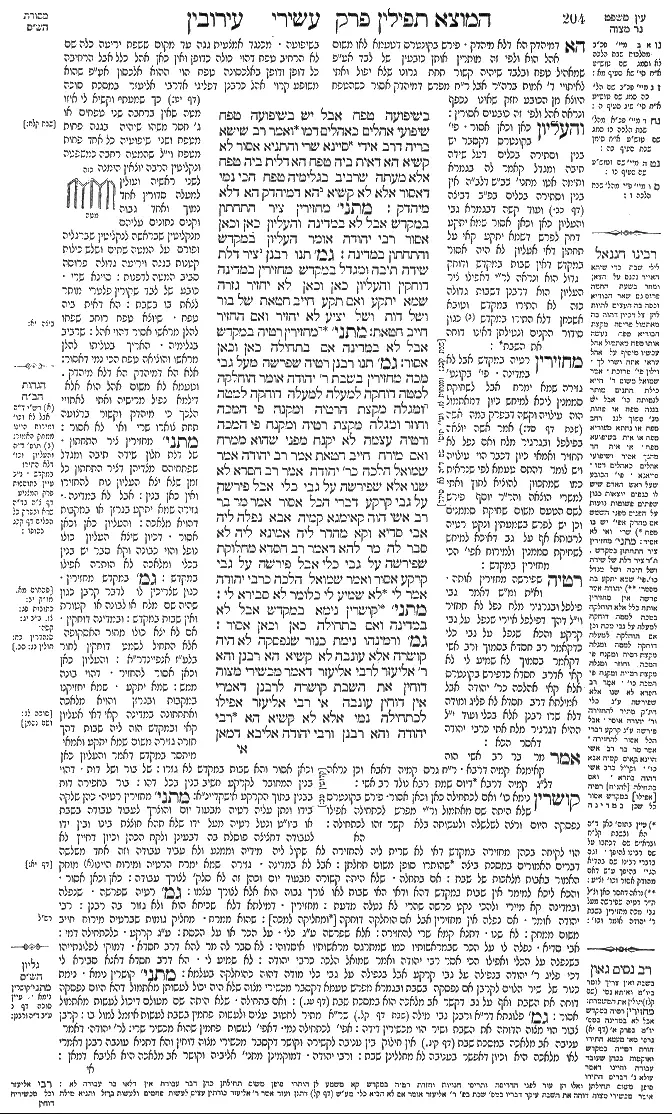
Eruvin 102b - Guemara
בשיפועה טפח אבל יש בשיפועה טפח שיפועי אהלים כאהלים דמו ואמר רב שישא בריה דרב אידי סיינא שרי והתניא אסור לא קשיא הא דאית ביה טפח הא דלית ביה טפח אלא מעתה שרביב בגלימיה טפח הכי נמי דאסור אלא לא קשיא הא דמיהדק הא דלא מיהדק:
מתני׳ מחזירין ציר התחתון במקדש אבל לא במדינה והעליון כאן וכאן אסור רבי יהודה אומר העליון במקדש והתחתון במדינה:
גמ׳ תנו רבנן ציר דלת שידה תיבה ומגדל במקדש מחזירין במדינה דוחקין והעליון כאן וכאן לא יחזיר גזרה שמא יתקע ואם תקע חייב חטאת של בור ושל דות ושל יציע לא יחזיר ואם החזיר חייב חטאת:
מתני׳ מחזירין רטיה במקדש אבל לא במדינה אם בתחילה כאן וכאן אסור:
גמ׳ תנו רבנן רטיה שפרשה מעל גבי מכה מחזירין בשבת ר' יהודה אומר הוחלקה למטה דוחקה למעלה למעלה דוחקה למטה ומגלה מקצת הרטיה ומקנח פי המכה וחוזר ומגלה מקצת רטיה ומקנח פי המכה ורטיה עצמה לא יקנח מפני שהוא ממרח ואם מירח חייב חטאת אמר רב יהודה אמר שמואל הלכה כר' יהודה אמר רב חסדא לא שנו אלא שפירשה על גבי כלי אבל פירשה על גבי קרקע דברי הכל אסור אמר מר בר רב אשי הוה קאימנא קמיה אבא נפלה ליה אבי סדיא וקא מהדר ליה אמינא ליה לא סבר לה מר להא דאמר רב חסדא מחלוקת שפירשה על גבי כלי אבל פירשה על גבי קרקע אסור ואמר שמואל הלכה כרבי יהודה אמר לי לא שמיע לי כלומר לא סבירא לי:
מתני׳ קושרין נימא במקדש אבל לא במדינה ואם בתחילה כאן וכאן אסור:
גמ׳ ורמינהו נימת כנור שנפסקה לא היה קושרה אלא עונבה לא קשיא הא רבנן והא ר' אליעזר לרבי אליעזר דאמר מכשירי מצוה דוחין את השבת קושרה לרבנן דאמרי אין דוחין עונבה אי רבי אליעזר אפילו לכתחילה נמי אלא לא קשיא הא רבי יהודה והא רבנן ורבי יהודה אליבא דמאן
Comments from Rashi on Masechet Eruvin Page 102b
בשיפועה . מכנגד אמצעית גגה עד מקום ששפת יריעה כלה שם לא הרחיב טפח דהוי כולה כדופן ואין כאן אהל כלל אבל הרחיבה כל דופן ודופן באלכסונה טפח הוי ההוא אלכסון אע"פ שהוא משופע קרוי אהל כרבנן דפליגי אדרבי אליעזר במסכת סוכה (דף יט:) כך שמעתי וקשיא לי איזו מטה שאין ברחבה שני טפחים או ג' חסר משהו שיהיה בגגה פחות מטפח ושני שיפועיה כל אחד פחות מטפח וי"ל שהמטה רחבה כמשפטה ונקליטין הרבה יוצאין הימנה לשני ראשיה ועולין למעלה סדורין אחד נמוך ואחד גבוה  וקנים נתונים עליהם מנקליטין שבראשה לנקליטין שברגליה ופורס על המטה שתים ושלש כילות קטנות בגגה ויריעה גדולה פרוסה סביב המטה לדפנות: סיינא שרי . כובע של לבד שקורין פלטרי מותר לצאת בו בשבת: הא דאית ביה טפח . שיוצא טפח רוחב שפתו להלן מראשו אסיר דהוי אהל: שרביב בגלימיה . האריך בטליתו להלן מראשו והוציאה טפח הכי נמי דאסור: אלא הא דמיהדק הא דלא מיהדק . וטעמא לא משום אהל הוא אלא דילמא נפיל מרישיה ואתי לאתויי הלכך כי מיהדק וקשור ברצועה תחת צוארו שרי ואי לא אסור: מתני' מחזירין ציר התחתון . של דלת חלון שידה תיבה ומגדל שפתחיהם מצדיהן דציר התחתון כל זמן שלא יצא העליון נוח להחזירו ואין כאן בנין: אבל לא במדינה . גזירה שמא יתקע בגרזן או במקבות דהויא מלאכה: והעליון כאן וכאן אסור . דכיון שיצא העליון כולו נופל והוי כבונה וקא סבר יש בנין בכלי ומלאכה לא הותרה אפילו במקדש: גמ' במקדש מחזירין . כגון שצריכין לו לדבר קרבן כגון שהיה שם מלח או לבונה או קטורת ואין שבות במקדש: ובמדינה דוחקין . אם לא יצא כולו מחור האסקופה אלא התחיל לשמט דוחקין לחור בלע"ז אנפיינדר"א: והעליון כאן וכאן אסור להחזיר . דהוי כבונה ממש: שמא יתקע . שמא יחזיקנו במקבות ובגרזן והויא מלאכה ואתחתונה במדינה קאי דאי אעליון קאי ובמקדש הוה ליה שבות דהך חזרה גזירה משום שמא יתקע ואמאי מיתסר במקדש דאמר והעליון כאן וכאן אסור והא שבות במקדש לא גזרו: של בור ושל דות . דהוי בנין המחובר לקרקע חשיב בנין בכל דהו: בור בחפירה דות בבנין בתוך הקרקע אישקדיינ"א: מתני' מחזירין רטיה . כהן שלקה בידו ונתן עליה רטיה מבעוד יום והוצרך לעבוד עבודה בשבת או ביו"ט ונטל רטיה מעל ידו שלא תהא חוצצת בינו ובין ידו לעבודה דחציצה פוסלת בה דבעינן ולקח הכהן וכיון דחייץ לא הוי לקיחה בכהן מחזירה במקדש דאי לא שרית ליה להחזירה לא שקיל ליה מידיה וממנע ולא עביד עבודה וזה אחד משלשה דברים האמורים במסכת ביצה שהותרו סופן משום תחילתן:... אבל לא במדינה . גזירה שמא ימרח הרטיה ומירוח היינו מוחק האמור באבות מלאכות של שבת: אם בתחלה . שלא היתה קשורה מבעוד יום וכהן זה לא סלק' לצורך עבודה: כאן וכאן אסור . והכא ליכא למימר אין שבות במקדש דהא ודאי האי שבות לאו צורך גבוה הוא אלא לצורך עצמו: גמ' רטיה שפרשה . שנפלה ובמדינה קא מיירי ולהכי נקט פרשה שהרי לא נטלה מדעת: מחזירין . דמילתא דלא שכיחא הוא ולא גזור בה רבנן: רבי יהודה אומר . אם נפלה אין מחזירין אבל אם הוחלקה דוחקה [ומחליקה למכה]: שהוא ממרח . מחליק גומות שברטיה מירוח חייב משום ממחק: לא שנו . דתנא קמא שרי להחזירה: אלא שפרשה ע"ג כלי . על הכר או על הכסת: ע"ג קרקע . כלכתחלה דמי: אבי סדיא . נפלה לו על הכר שבמראשותיו כמו שמתרגם מראשותיו איסדוהי: לא סבר לה מר להא דרב חסדא . דמוקי לפלוגתייהו בשנפלה על הכלי ואפילו הכי אסר רבי יהודה ואמר שמואל הלכה כרבי יהודה: לא שמיע לי . הא דרב חסדא דאנא סבירא לי דכי פליג ר' יהודה בנפילה על גבי קרקע אבל בנפילה על גבי כלי מודה דהוה כהוחלקה בעלמא: מתני' קושרין נימא . נימת כנור של שיר הלוים לקרבן אם נפסקה בשבת ובגמרא מפרש טעמא דקסבר מכשירי מצוה שלא היה יכול לעשותן מאתמול דהא היום נפסקה דוחה את השבת ואף על גב דקשר אב מלאכה הוא במסכת שבת (דף עג.): ואם בתחילה . שלא היתה שם מעולם דיכול לעשות מאתמול אסור: גמ' פלוגתא דר"א ורבנן גבי מילה (שבת דף קל.) שר"א מתיר לחטוב עצים ולעשות פחמין בשבת לעשות איזמל למול בו: קרבן צבור הוה מצוה הדוחה את השבת ושיר הוי מכשירין דידה: לר' יהודה . דאמר עניבה אב מלאכה במסכת שבת (דף קיג.) אין חילוק בין עניבה לקשירה וקושר דקסבר מכשירי מצוה דוחין והא דתניא עונבה רבנן דאמרי לאו מלאכה היא וכיון דאפשר בעניבה לא מחללינן שבת: אפי' לכתחלה נמי . דאפי' לעשות פחמין שהוא מכשיר שרי: ורבי יהודה . דמוקמינן מתני' אליביה וקושר אב מלאכה היא אליבא דמאן:
Comments from Tosafot - Eruvin 102b
הא דמיהדק הא דלא מיהדק . פירש בקונטרס דטעמא לאו משום אהל הוא ולפי זה מותרין אותן כובעין של לבד אע"פ שמאהיל טפח ובלבד שיהיה קשור תחת גרונו שלא יפול ואתי לאיתויי ד' אמות ברה"ר אבל ר"ח מפרש דמיהדק אסור כשהטפח היוצא מן הכובע חזק שאינו נכפף ונראה אהל ולפי זה כובעים אסורין: והעליון כאן וכאן אסור . פי' בקונטרס דקסבר יש בנין וסתירה בכלים דעל שידה תיבה ומגדל קאמר לה בגמרא ותימה אטו מתני' כב"ש דלב"ה אין בנין וסתירה בכלים בפ"ב דביצה (דף כב.) ועוד קשה דבגמרא גבי והעליון כאן וכאן אסור שמא יתקע דחק לפרש דשמא יתקע קאי על תחתון דאי אעליון לא היה אסור במקדש דאין שבות במקדש ודוחק גדול הוא ונראה לר"י דאפילו ציר העליון הוא דרבנן דשבות גדולה כזה לא התירו במקדש וטובא אשכחן דלא התירו במקדש כגון סידור הקנים ונטילתן דאינו דוחה את השבת: מחזירין רטיה במקדש אבל לא במדינה . פי' בקונט' גזירה שמא ימרח אבל לשחיקת סממנין ליכא למיחש כיון דמאתמול הוה עילויה וקשה דבפרק במה אשה (שבת דף סד:) אמר אשה יוצאה בפילפל ובגרגיר מלח ואם נפל לא תחזיר ואמאי כיון דכבר הוי עילויה ויש לומר דהתם טעמא לפי שנראית כמו שמתכוון להוציא לחוץ ואתי למשרי הוצאה והר"ר יוסף פירש לשם הטעם משום שחיקת סממנים וכן יש לפרש בשמעתין ונקט רטיה לרבותא אף על גב דאיכא למיחש לשחיקת סממנין ולמירוח אפי' הכי מחזירין במקדש: רטיה שפירשה מחזירין אותה . וא"ת ומ"ש דאמר גבי פילפל ובגרגיר מלח נפל לא תחזיר וי"ל דהך דפילפל איירי שנפל על גבי קרקע והכא שנפל על גבי כלי כדקאמר רב חסדא בסמוך ורב אשי דקאמר בסמוך לא שמיע לי לא קאי אדרב חסדא כדפירש בקונטרס אלא קאי אהלכה כר' יהודה אבל אמילתא דרב חסדא לא פליג ומודה דלא שרו רבנן אלא בכלי ועוד י"ל ההיא דגרגיר מלח אתי כרבי יהודה דאסר הכא: אמר מר בר רב אשי הוה קאימנא קמיה דרבא . ר"ח גרס קמיה דאבא וכן נראה דל"ג קמיה דרבא דיום שמת רבא נולד רב אשי: קושרין נימא כו' ואם לכתחילה כאן וכאן אסור . פירש בקונטרס שלא היתה שם מאתמול ור"י מפרש לכתחילה אפילו נפסקה היום ורצה לשלשלה ולעשותה בלא קשר זהו לכתחילה:
Eruvin 102b - Mishnah translated into english
its incline does not extend a handbreadth from the center to each side. However, if its incline extends a handbreadth from the center to the side, the halakha is that the inclines of tents are considered like tents, and it is therefore prohibited to suspend them.
And Rav Sheisha, son of Rav Idi, said: With regard to a stiff felt hat [sayna], it is permitted to wear it on Shabbat. The Gemara raises a difficulty: But wasn’t it taught in a baraita that wearing this hat is prohibited? The Gemara answers: It is not difficult. This baraita, which prohibits wearing a felt hat, is referring to a case where the hat extends a handbreadth from the person’s head and is therefore regarded as a tent; whereas that statement by Rav Sheisha, who permits doing so, is referring to a case where it does not extend a handbreadth from one’s head.
The Gemara is surprised at this answer: But if that is so, one who pulled his cloak a handbreadth beyond his head, is it also prohibited for him to do so? This is unreasonable, as it is an article of clothing, not a tent.
Rather, the previous explanation must be rejected, as the issue with regard to a felt hat is not whether it is considered a tent, but whether there is concern that one might come to carry it in the public domain if it falls from his head. This is not difficult; this statement of Rav Sheisha, which permits it, is referring to a case where the hat fits snugly on his head. There is no concern lest the hat fall and one will come to carry it; therefore it is permitted to wear it. Conversely, that baraita, which prohibits wearing this hat, is referring to a case where it does not fit snugly on his head. It is therefore liable to fall, and one might come to carry it in the public domain.
MISHNA: One may restore the lower hinge pin of the door of a carriage, box, or cupboard that becomes dislocated to its place on Shabbat in the Temple, as this action is prohibited by rabbinic decree, which is not in effect in the Temple; but it may not be restored to its place in the rest of the country. And restoring the upper hinge pin is prohibited in both places, as this is considered building, a labor prohibited by Torah law, which applies everywhere. Rabbi Yehuda says: Restoring the upper hinge pin to its place is permitted in the Temple, while one may restore the lower one to its place even in the rest of the country.
GEMARA: The Sages taught a baraita: With regard to the lower hinge pin of the door of a carriage, box, or cupboard, one may restore it to its place in the Temple; in the rest of the country one may only push it back into place, provided that it did not come out of its socket entirely. As for the upper hinge, one may not restore it in either place. This is prohibited as a preventive measure, lest one come to bang it in forcefully, thereby performing an actual labor prohibited by Torah law. And if he actually banged it in, he is liable to bring a sin-offering, as his action is considered building.
With regard to the hinge pin of the door of a pit, cistern, or an extension to a building, one may not restore it to its place at all. And if one restored it to its place, he is liable to bring a sin-offering. The above distinction applies only to movable utensils, whereas anything attached to the ground may certainly not be fixed in place, as this is regarded as prohibited building.
MISHNA: One may return to its place a bandage that became detached from a wound on Shabbat in the Temple. In the Temple, this is not prohibited as a preventive measure, lest one come to spread the ointment and thereby perform the prohibited labor of smoothing. However, one may not return a bandage to its place in the rest of the country. If one sought to apply the bandage for the first time to an untreated wound on Shabbat, it is prohibited in both places.
GEMARA: The Sages taught a baraita: With regard to a bandage that became detached from a wound, one may return it to its place on Shabbat in all cases. Rabbi Yehuda says: If it slipped downward, one may push it upward; if it slipped upward, one may push it downward. One may also uncover part of the bandage and clean the opening of the wound on one side, and then uncover another part of the bandage on the other side and clean the opening of the wound on that side.
However, one may not clean the bandage itself, because that would involve spreading the ointment, which is a subcategory of the prohibited labor of smoothing, and if one spread the ointment he is liable to bring a sin-offering. Actually restoring a bandage that was completely detached from the wound is prohibited in all cases.
Rav Yehuda said that Shmuel said: The halakha is in accordance with the opinion of Rabbi Yehuda. Rav Ḥisda said: The Sages taught that it is permitted to restore the bandage to the wound only where it became detached and fell onto a utensil, in which case one may immediately pick it up and replace it. However, if it became detached and fell onto the ground, everyone agrees it is prohibited, as this is considered as though one were bandaging the wound for the first time.
Mar bar Rav Ashi said: I was standing before Father, and his bandage fell onto a pillow and he replaced it. I said to him: Doesn’t the Master hold that which Rav Ḥisda said: The dispute is restricted to a case where the bandage became detached and fell onto a utensil, but if it became detached and fell onto the ground, everyone agrees that it is prohibited; and furthermore, Shmuel said: The halakha is in accordance with the opinion of Rabbi Yehuda, that it is prohibited to replace even a bandage that fell onto a utensil?
He said to me: I did not hear this teaching; that is to say, I do not agree with Rav Ḥisda’s interpretation that the dispute is only in a case where the bandage fell onto a utensil. Rather, they disagree even if it fell onto the ground, and the halakha is that the bandage may be restored to the wound.
MISHNA: One may tie up on Shabbat a string [nima] that came loose from a harp used in the Temple, but not in the rest of the country. And tying the string to the harp for the first time is prohibited both here and there.
GEMARA: And the Gemara raises a contradiction from a baraita: If a harp string broke, one would not tie it up with a knot, but fashion a bow. This teaching indicates that tying up a harp string is prohibited even in the Temple. The Gemara answers: It is not difficult; this baraita, which prohibits tying, was taught in accordance with the opinion of the Rabbis; and that mishna is in accordance with the opinion of Rabbi Eliezer.
The Gemara clarifies this answer: According to Rabbi Eliezer, who said that the preparations that enable the performance of a mitzva override the prohibitions of Shabbat, one may tie even the broken harp string, as this is for the purpose of the mitzva of accompanying the Temple service with music. However, according to the Rabbis, who say that preparations for a mitzva do not override Shabbat prohibitions, one may only fashion a bow.
The Gemara raises a difficulty: If in fact the mishna is in accordance with the opinion of Rabbi Eliezer, who permits facilitating performance of a mitzva even when it involves desecration of Shabbat, even in a case where the string did not break and one is tying it for the first time, this too should be permitted, as he is acting for the purpose of a mitzva.
Rather, the Gemara provides a different resolution of the contradiction: It is not difficult. This, the mishna that permits tying the broken string, was taught in accordance with the opinion of Rabbi Yehuda, who maintains that making a bow is considered tying, and there is no difference between the two actions; and that, the baraita that prohibits it, is in accordance with the opinion of the Rabbis, who rule that fashioning a bow is not prohibited by Torah law, and therefore it is permitted to fashion a bow.
The Gemara asks: And Rabbi Yehuda, in accordance with whose opinion did he express his view?
Traduction : The William Davidson digital edition of the Koren Noé Talmud, with commentary by Rabbi Adin Even-Israel Steinsaltz.