 Talmud Bavli
Eruvin 80b : Youtube
Rabi Yitzchok LobensteinYoutube
2 video classes :
Eruvin Page 80b
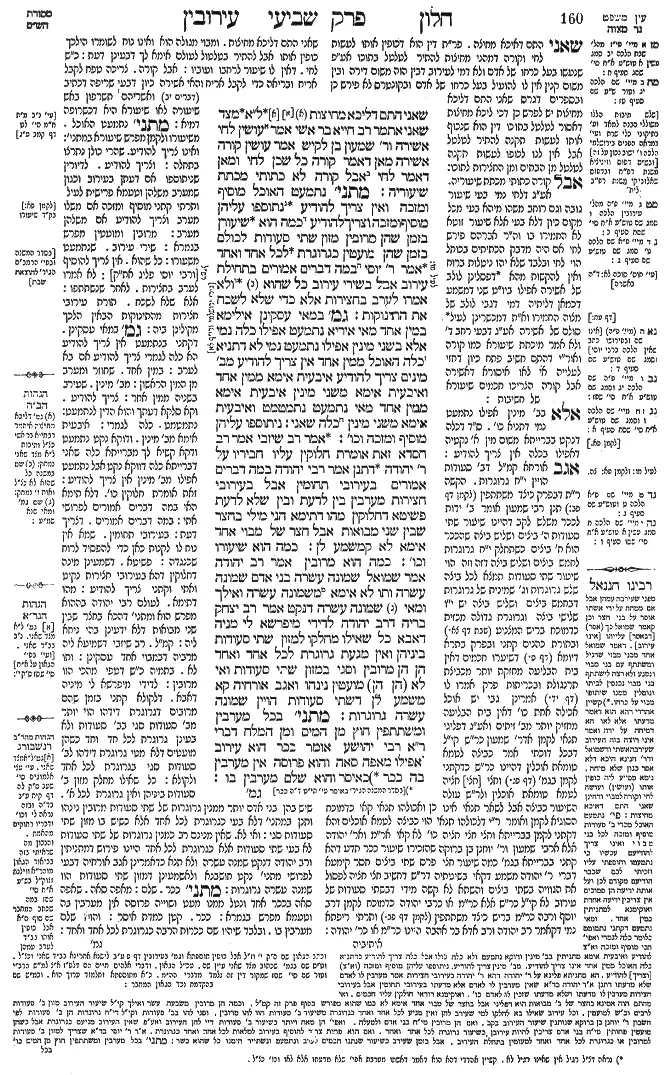
Eruvin 80b - Guemara
שאני התם דליכא מחיצות ל"א מצד שאני אתמר רב חייא בר אשי אמר עושין לחי אשירה ור' שמעון בן לקיש אמר עושין קורה אשירה מאן דאמר קורה כל שכן לחי ומאן דאמר לחי אבל קורה לא כתותי מכתת שיעוריה:
מתני׳ נתמעט האוכל מוסיף ומזכה ואין צריך להודיע נתוספו עליהן מוסיף ומזכה וצריך להודיע כמה הוא שיעורן בזמן שהן מרובין מזון שתי סעודות לכולם בזמן שהן מועטין כגרוגרת לכל אחד ואחד אמר ר' יוסי במה דברים אמורים בתחילת עירוב אבל בשירי עירוב כל שהוא ולא אמרו לערב בחצירות אלא כדי שלא לשכח את התינוקות:
גמ׳ במאי עסקינן אילימא במין אחד מאי איריא נתמעט אפילו כלה נמי אלא בשני מינין אפילו נתמעט נמי לא דתניא כלה האוכל ממין אחד אין צריך להודיע מב' מינים צריך להודיע איבעית אימא ממין אחד ואיבעית אימא משני מינין איבעית אימא ממין אחד מאי נתמעט נתמטמט ואיבעית אימא משני מינין כלה שאני:
ניתוספו עליהן מוסיף ומזכה וכו':
אמר רב שיזבי אמר רב חסדא זאת אומרת חלוקין עליו חביריו על ר' יהודה דתנן אמר רבי יהודה במה דברים אמורים בעירובי תחומין אבל בעירובי חצירות מערבין בין לדעת ובין שלא לדעת פשיטא דחלוקין מהו דתימא הני מילי בחצר שבין שני מבואות אבל חצר של מבוי אחד אימא לא קמשמע לן:
כמה הוא שיעורו וכו':
כמה הוא מרובין אמר רב יהודה אמר שמואל שמונה עשרה בני אדם שמונה עשרה ותו לא אימא משמונה עשרה ואילך ומאי שמונה עשרה דנקט אמר רב יצחק בריה דרב יהודה לדידי מיפרשא לי מניה דאבא כל שאילו מחלקו למזון שתי סעודות ביניהן ואין מגעת גרוגרת לכל אחד ואחד הן הן מרובין וסגי במזון שתי סעודות ואי לא (הן הן) מועטין נינהו ואגב אורחיה קא משמע לן דשתי סעודות הויין שמונה עשרה גרוגרות:
מתני׳ בכל מערבין ומשתתפין חוץ מן המים ומן המלח דברי ר"א רבי יהושע אומר ככר הוא עירוב אפילו מאפה סאה והוא פרוסה אין מערבין בה ככר כאיסר והוא שלם מערבין בו:
Comments from Rashi on Masechet Eruvin Page 80b
שאני התם דליכא מחיצות . ומבוי מגולה הוא ואינו נוח לשומרו הילכך כופין אותו אבל להתיר בטלטול לעולם אימא לך דבעינן דעת: כ"ש לחי . דאין לו שיעור לרחבו ועוביו: אבל קורה . צריכה טפח לקבל אריח ובריאה כדי לקבל אריח והאי אשירה כיון דבעי שריפה דכתיב (דברים יב) ואשריהם תשרפון באש שיעורה לאו שיעורא היא דכשרופה דמיא: מתני' נתמעט האוכל . משיעורו ולקמן מפרש שיעורא במתני': ואינו צריך להודיע . שהרי כולן נתרצו בתחלה: וצריך להודיע . לדיורין שניתוספו אם דעתן בעירוב וכגון שמערב משלהן וטעמא פרישית לעיל ותרתי קתני מוסיף ומזכה אם משלו מערב וצריך להודיע אם משלהן מערב: מרובין ומועטין . מפרש בגמרא: שירי עירוב . שנתמעט משעורו: כל שהוא . אין צריך להוסיף [ורבי יוסי פליג את"ק]: לא אמרו לערב בחצרות . לאחר שנשתתפו: אלא שלא לשכח . תורת עירובי חצירות מהתינוקות הבאין הלכך מקילינן ביה: גמ' במאי עסקינן . דקתני בנתמעט אין צריך להודיע הא כלה לגמרי צריך להודיע אם בא לערב: במין אחד . שחוזר ומערב מן המין הראשון: מב' מינין . שעירב בשניה ממין אחר: צריך להודיע . וקא סלקא דעתך והוא הדין לנתמעט: נתמטמט . כלה לגמרי: איבעית אימא מב' מינין . ודוקא נקט נתמעט ודקא קשיא לך מברייתא כלה שאני דברייתא כלה דווקא נקט אבל נתמעט אפילו מב' מינין אין צריך להודיע: זאת אומרת חלוקין כו' . דלא תימא האי במה דברים אמורים לפרושי אתי: במה דברים אמורים . דצריך דעת: בעירובי תחומין . שמא אין נוח לו לקנות כאן כדי להפסיד לרוח שכנגדה: פשיטא . דשמעינן מינה דחלוקין דהא בעירובי חצירות נקיט ואתי וקתני צריך להודיעו: מהו דתימא . לעולם רבי יהודה בההוא מפרש הוא ומתניתין דהכא בחצר שבין שני מבואות דלא ידעינן בהי ניחא ליה: ותו לא . בתמיה כ"ש דטפי מהכי הוו מרובין: לדידי מיפרשא לי מיניה דאבא . דלקולא קתני בזמן שהם מרובים דגרוגרת דידהו הוי יותר מב' סעודות סגי בב' סעודות ולא בעינן גרוגרת לכל חד וחד כשהן מועטים דלא מטי גרוגרת דידהו לב' סעודות סגי בגרוגרת לכל אחד ולקולא: כל שאילו מחלק מזון ב' סעודות ביניהן ואין גרוגרת לכל א' . שיש בהן בני אדם יותר ממנין גרוגרות של שתי סעודות מרובין נינהו ותנן במתני' דלא בעי כגרוגרת לכל אחד אלא כשיש בו מזון שתי סעודות סגי: ואי לא . שאין מנינם רב כמנין גרוגרות של שתי סעודות לא בעי שתי סעודות אלא כגרוגרת לכל אחד היינו פירוש דמתניתין ורב יהודה דנקט שמנה עשרה ולא תנא כדאמרינן אגב אורחיה דבעי לפרושי מתני' נקט חושבנא ולאשמעינן דמזון שתי סעודות הוו שמנה עשרה גרוגרות: מתני' ככר . שלם: מאפה סאה . שאפה סאה בככר אחד ונטל ממנו מעט ושוייה פרוסה אין מערבין בה וטעמא מפרש בגמרא: ככר . קטן כמדת איסר: והוא שלם מערבין בו . ובלבד שיהיו שם ככרות הרבה כגרוגרת לכל אחד ואחד:
Comments from Tosafot - Eruvin 80b
שאני התם דאיכא מחיצה . פר"ת דין הוא דכופין אותו לעשות לחי וקורה דמהני מחיצות להתיר לטלטל בתוכו אע"פ שנעשו בעל כרחו של ארם ולא דמי לעירוב דבין הוה משום דירה ובין משום קנין אין לו להועיל בעל כרחו של ארם ובקונטרס לא פירש כן ובספרים דגרס שאני התם דליכא מחיצות יש לפרש כן דכי ליכא מחיצות דאסור לטלטל בתוכו דין הוא שנכוף אותו לעשות תקנה להתיר לטלטל אבל אין לנו לכופו לעשות תקנה לטלטל מן הבתים ומן החצירות לתוכו: אבל קורה כתותי מכתת שיעוריה . אע"ג דלחי נמי בעי שיעור גובה וגם רוחב משהו מיהא בעי מכל מקום כיון דלא בעי אלא שיעור זוטא לא החמירו בו וה"ר אברהם פירש לחי אם היה מדבק הכתיתים בכותל הוי לחי ובלבד שלא יהו ניטלות ברוח ואין להקשות מהא דפסלינן לולב של אשירה אפילו ביו"ט שני דמשמע דכמאן דליתיה דמי דגבי לולב של מצוה החמירו וא"ת דמכשרינן לעיל סולם של אשירה אע"ג דבעי רחב ד' ולא אמר מיכתת שיעורא כמו קורה ואור"י דהתם חשיב פתח כיון דחזי לעלייה אי לאו איסורא דאשירה אבל קורה הצריכו חכמים שיעורא של חשיבות: אלא בב' מינין אפילו נתמעט נמי דתניא כו' . ס"ד דכלה דנקט בברייתא משום מין א' נקטיה דאפילו בכלה אין צריך להודיע: אגב אורחא קמ"ל דב' סעודות הויין י"ח גרוגרות . הקשה ר"ת דבפרק כיצד משתתפין (לקמן דף פנ:) תנן רבי שמעון אומר ב' ידות לככר משלש לקב דהיינו שיעור שתי סעודות ה' ביצים ושליש ביצה שהככר הוא ח' ביצים כשתחלק י"ת גרוגרות לחמש ביצים ושליש ביצה דזה וזה הוי שיעור שתי סעודות תמצא לכל ביצה שלש גרוגרות וג' שמינית של גרוגרות דבחמש ביצים ושליש ביצה יש י"ו שלישי ביצה וגרוגרת גדולה מכזית כדמוכח בריש המצניע (שבת דף צא.) ובתורת כהנים קתני ובפרק בתרא דיומא (דף פ.) דשיערו חכמים דאין בית הבליעה מחזקת יותר מכ. ביצת תרנגולת ובכריתות פרק. אמרו לו (דף יד.) אמרינן גבי יש אוכל אכילה אחת כו' דאין בית הבליעה מחזיק יותר מב' זיתים ואע"ג דפליגי תנאי לקמן אכר' שמעון כר"ש קי"ל דבכל דוכתי אמר כביצה לטמא טומאת אוכלין דהיינו כר"ש כדקתני לקמן בגמ' (דף פג.) וחצי [חצי] חציה לטמא טומאת אוכלין ולר"ש עולה השיעור כביצה אבל לשאר תנאי אינו כן ואכולהו תנאי קאי כדמוכח הסוגיא לקמן ואומר ר"י דלכולהו תנאי הוי כביצה לטמא אוכלים והא דקתני לקמן בברייתא וחצי חצי חציה כו' לא קאי אר"מ ואר' יהודה אלא ארבי שמעון ור' יוחנן בן ברוקה שהזכירו שיעור ככר תדע דהא קתני בברייתא בגמ' כמה שיעור חצי פרס שתי ביצים חסר קימעא דברי ר' יהודה משמע דקאי בשיטתיה דר"ש דחשיב חצי חציה לפסול את הגוויה בשתי ביצים והשתא לא קשה מידי דבשתי סעודות של עירוב לא קי"ל כר"ש אלא כר"מ או כרבי יהודה כדמוכח לקמן דרב יוסף ורנה כר"מ בריש כיצד משתתפין (לקמן עירובין דף פב.) ותרתי ריפתא נמי דקאמר רב יהודה ורב אדא בר אהבה היינו כר"מ או כר' יהודה:
Eruvin 80b - Mishnah translated into english
The Gemara answers: It is different there, as there are no partitions. That alley is breached, and it is therefore fitting to compel its residents to establish some sort of partition, if only for the sake of protection. However, if there are partitions, one is not obligated to join in a merging of alleyways.
Another version of this explanation: From the side it is different, i.e., the preparation of an eiruv does not involve an adjustment to the alleyway itself, but rather it is a side issue. Consequently, an individual cannot be forced to participate in its preparation (Meir Netiv).
It is stated that the amora’im disputed this issue. Rav Ḥiyya bar Ashi said: One may build a side post from the wood of an asheira. Although it is prohibited to benefit from the tree and it must be burned, setting up a side post is a mitzva, and mitzvot were not given for benefit, i.e., the fulfillment of a mitzva is not in itself considered a benefit. And Rabbi Shimon ben Lakish said: One may build a cross beam from the wood of an asheira.
The Gemara clarifies their opinions: With regard to the one who said that one may build a cross beam from the wood of an asheira, Rabbi Shimon ben Lakish, all the more so he would permit a side post to be prepared from an asheira. And the one who said that one may build a side post from an asheira, Rav Ḥiyya bar Ashi, spoke only of a side post; but as for a cross beam, no, he did not permit one to build it from an asheira. The reason is that an asheira must be burned, and it is therefore as though its size has already been crushed. Consequently, a cross beam, which must be at least a handbreadth in size, may not be prepared from an asheira. With regard to a side post, by contrast, a minimum width suffices, which means that even wood from an asheira is fit, despite the fact that it is viewed as burned.
MISHNA: If the food in the barrel for the merging of the alleyway diminished and was less than the requisite measure, one may add a little of his own and confer possession to the others, and he need not inform them of his addition. However, if new residents were added to the residents of the alleyway, he may add food on behalf of those residents and confer possession to them, and he must inform the new residents of their inclusion in the merging of alleyways.
What is the measure of food required for a merging of the alleyways? When the residents of the alley are numerous, food for two meals is sufficient for all of them; when they are few, less than a certain number, a dried fig-bulk for each and every one of them is enough.
Rabbi Yosei said: In what case is this statement said? It is said with regard to the beginning of an eiruv, when it is initially established. However, with regard to the remnants of an eiruv, e.g., if the eiruv decreased in size on Shabbat, it remains valid if even any amount remains.
And in general they said that it is necessary to join the courtyards, even though a merging of the alleyways was already in place, only so that the halakhic category of eiruv will not be forgotten by the children, i.e., so that the next generation should be aware that an eiruv can be established for a courtyard, for otherwise they would be entirely unaware of this halakhic category.
GEMARA: The mishna stated: If the food in the barrel for the merging of the alleyway diminished and was less than the requisite measure, one may add to it without informing the others. The Gemara poses a question: With what case are we dealing here? If you say that he added the same type of food that had initially been used for the merging of the alleyway, why specify this particular case where the food decreased in measure? Even if the food was entirely finished, he should likewise not be obligated to inform them.
Rather, perhaps it is referring to two types of food, i.e., one added a different kind of food that had not been used beforehand. If so, even if it only decreased in measure, no, he should also not be permitted to add to the merging of the alleyway without informing them. As it was taught in a baraita: If the food of a merging of the alleyway was entirely finished, and he added the same type of food to it, he need not inform the other residents; however, if the amount he added was from two types of food, i.e., if the added food was different from the original, he must inform them. The Gemara assumes that the same halakha is in effect even if the food of the merging of the alleyway only decreased in measure.
The Gemara answers: If you wish, say that the mishna is referring to a case where his addition was from the same kind of food, and if you wish, say instead that it was from two kinds. The Gemara clarifies the previous statement: If you wish, say that it is referring to a case where his addition was from the same kind of food, and what is the meaning of decreased? It means that the food entirely crumbled away, so that nothing at all remained.
And if you wish, say instead that the mishna is referring to a case where his addition was from two kinds of food, for if the eiruv was entirely finished, the halakha is different. That is to say, the halakha of the baraita that he must inform the others is in effect only if the food was entirely finished, but if any of it remains there is no need to inform them of his addition, and he may confer possession of even a different kind of food.
We learned in the mishna: If other residents were added to the residents of the alleyway, he may add food for those residents and confer possession to them, but he must inform the new residents of their inclusion in the merging of the alleyway. Rav Sheizvi said that Rav Ḥisda said: That is to say, i.e., we can infer from the mishna, that Rabbi Yehuda’s colleagues disagree with him.
As we learned in a mishna that Rabbi Yehuda said: In what case is this statement, that an eiruv may be established for a person only with his knowledge, said? It is said with regard to a joining of Shabbat boundaries; however, with regard to a joining of courtyards, one may establish an eiruv for another person either with his knowledge or without his knowledge. Rabbi Yehuda’s opinion conflicts with that of the tanna of the mishna, who does not permit a person to be included in a joining of courtyards without his knowledge. The Gemara is surprised at this statement: It is obvious that they disagree; why did Rav Ḥisda find it necessary to teach us something so evident?
The Gemara answers: It was nonetheless necessary, lest you say that this ruling, i.e., that he must inform them, applies only to a courtyard that is situated between two alleyways, in which case the residents of the courtyard may join in a merging of alleyways with whichever alleyway they prefer. Consequently, he must inform them with which alleyway he prepared the merging, in case they preferred to join the other alleyway. However, with regard to a courtyard that opens into only one alleyway, the merging of the alleyway only benefits them and does not harm them in any way, and you might therefore say no, that even the tanna of the mishna concedes that it is not necessary to inform them. Rav Ḥisda therefore teaches us that the tanna of the mishna maintains that he must inform them in all cases, contrary to the opinion of Rabbi Yehuda.
The mishna continues: What is the measure of food required for a merging of the alleyways? It then specifies different amounts when the residents of the alley are numerous and when they are few. The Gemara asks: How many are numerous, and how many are considered few? Rav Yehuda said that Shmuel said: Eighteen people are considered numerous. The Gemara registers surprise: Eighteen and no more? The Gemara answers: Say: From eighteen upward.
The Gemara asks: And what is the significance of the number eighteen that he cited? Why this figure in particular? The Gemara answers that Rav Yitzḥak, son of Rav Yehuda, said: It was explained to me personally by my father, Rav Yehuda: Any case where, if one were to divide the food of two meals between them and it does not amount to the measure of a dried fig for each and every one of them, these are the very ones the tanna called numerous, and in this case food for two meals suffices for all of them. And if not, these are the very ones the tanna termed few, which means food in the measure of a dried fig is required for each of them.
And Rav Yehuda incidentally teaches us that food for two meals consists of a measure equal to eighteen dried figs. Consequently, if there were numerous residents in the alley, then eighteen dried figs, which is food sufficient for two meals, is enough for them.
MISHNA: One may join courtyards and merge alleyways with all types of food, except for water and salt, as they are not considered foods. This is the statement of Rabbi Eliezer. Rabbi Yehoshua says that a different limitation applies: A whole loaf may be used for an eiruv. With regard to a baked product even the size of a se’a, if it consists of pieces, one may not join courtyards with it. However, with regard to a loaf, even one the size of an issar, if it is whole, one may join courtyards with it.
Traduction : The William Davidson digital edition of the Koren Noé Talmud, with commentary by Rabbi Adin Even-Israel Steinsaltz.