 Talmud Bavli
Eruvin 73b : Youtube
Rabi Yitzchok LobensteinYoutube
2 video classes :
Eruvin Page 73b
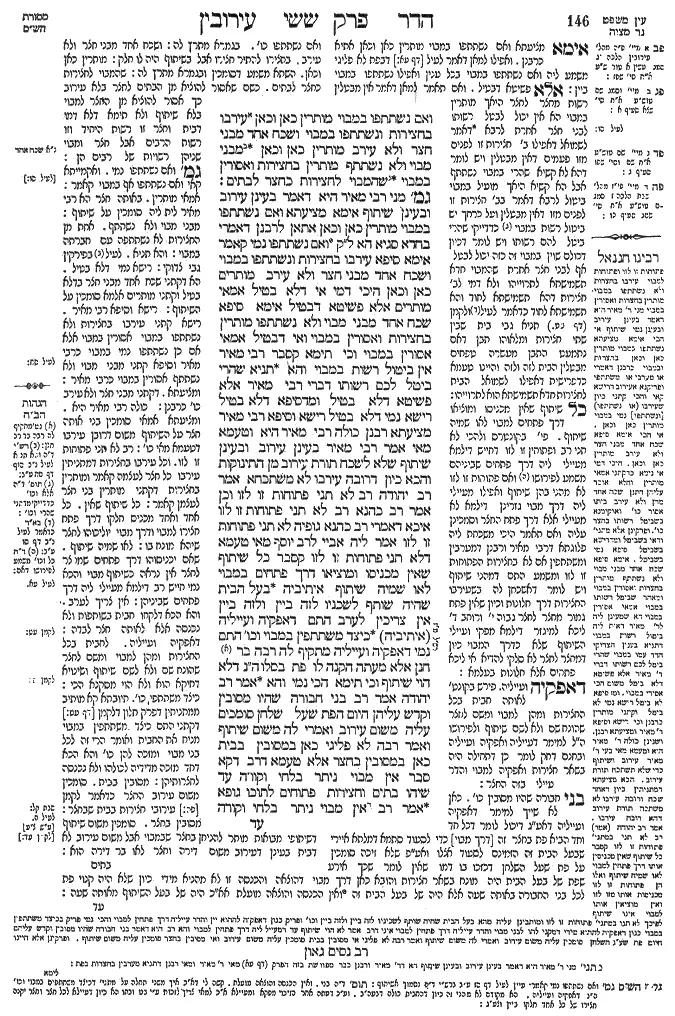
Eruvin 73b - Guemara
ואם נשתתפו במבוי מותרין כאן וכאן עירבו בחצירות ונשתתפו במבוי ושכח אחד מבני חצר ולא עירב מותרין כאן וכאן מבני מבוי ולא נשתתף מותרין בחצירות ואסורין במבוי שהמבוי לחצירות כחצר לבתים:
גמ׳ מני רבי מאיר היא דאמר בעינן עירוב ובעינן שיתוף אימא מציעתא ואם נשתתפו במבוי מותרין כאן וכאן אתאן לרבנן דאמרי בחדא סגיא הא ל"ק ואם נשתתפו נמי קאמר אימא סיפא עירבו בחצירות ונשתתפו במבוי ושכח אחד מבני חצר ולא עירב מותרים כאן וכאן היכי דמי אי דלא בטיל אמאי מותרים אלא פשיטא דבטיל אימא סיפא שכח אחד מבני מבוי ולא נשתתפו מותרין בחצירות ואסורין במבוי ואי דבטיל אמאי אסורין במבוי וכי תימא קסבר רבי מאיר אין ביטול רשות במבוי והא תניא שהרי ביטל לכם רשותו דברי רבי מאיר אלא פשיטא דלא בטיל ומדסיפא דלא בטיל רישא נמי דלא בטיל רישא וסיפא רבי מאיר מציעתא רבנן כולה רבי מאיר היא וטעמא מאי אמר רבי מאיר בעינן עירוב ובעינן שיתוף שלא לשכח תורת עירוב מן התינוקות והכא כיון דרובה עירבו לא משתכחא אמר רב יהודה רב לא תני פתוחות זו לזו וכן אמר רב כהנא רב לא תני פתוחות זו לזו איכא דאמרי רב כהנא גופיה לא תני פתוחות זו לזו אמר ליה אביי לרב יוסף מאי טעמא דלא תני פתוחות זו לזו קסבר כל שיתוף שאין מכניסו ומוציאו דרך פתחים במבוי לאו שמיה שיתוף איתיביה בעל הבית שהיה שותף לשכניו לזה ביין ולזה ביין אין צריכין לערב התם דאפקיה ועייליה (איתיביה) כיצד משתתפין במבוי וכו' התם נמי דאפקיה ועייליה מתקיף לה רבה בר חנן אלא מעתה הקנה לו פת בסלו ה"נ דלא הוי שיתוף וכי תימא הכי נמי והא אמר רב יהודה אמר רב בני חבורה שהיו מסובין וקדש עליהן היום הפת שעל שלחן סומכים עליה משום עירוב ואמרי לה משום שיתוף ואמר רבה לא פליגי כאן במסובין בבית כאן במסובין בחצר אלא טעמא דרב דקא סבר אין מבוי ניתר בלחי וקורה עד שיהו בתים וחצירות פתוחים לתוכו גופא אמר רב אין מבוי ניתר בלחי וקורה
Comments from Rashi on Masechet Eruvin Page 73b
ואם נשתתפו כו' . בגמרא מתרץ לה: דשכח אחד מבני חצר ולא עירב . בחצירו להתיר חצירו אבל בשיתוף היה לו חלק: מותרין כאן וכאן . השתא משמע דסומכין ובגמרא מתרץ לה: שהמבוי לחצירות כחצר לבתים . כשם שאסור להוציא מן הבתים לחצר בלא עירוב כך אסור להוציא מן החצר למבוי בלא שיתוף ולא תימא דלא דמו דבית וחצר זו רשות היחיד וזו רשות הרבים אבל חצר ומבוי שניהן רשויות של רבים הן: גמ' ואם נשתתפו נמי . ואקמייתא קאי ואם נשתתפו אף במבוי קאמר: אמאי מותרין . באותה חצר הא רבי מאיר לית ליה סומכין על שיתוף: מבני מבוי ולא נשתתף . אחת מן החצירות לא נשתתפה עם חברתה במבוי: והא תניא . לעיל בפירקין גבי צדוקי: רישא נמי דלא בטיל . הא דקתני שכח אחד מבני חצר בדלא בטיל וקתני מותרים אלמא סומכין על השיתוף: רישא וסיפא רבי מאיר . רישא קתני עירבו בחצירות ולא נשתתפו במבוי אסורין במבוי אלא אם כן נשתתפו נמי במבוי כרבי מאיר וסיפא קתני מבני מבוי ולא נשתתף אסורין במבוי כרבי מאיר: ומציעתא . דקתני מבני חצר ולא עירב כו' כרבנן: כולה רבי מאיר היא . ומציעתא אמאי סומכין בני אותה חצר על השיתוף משום דרובן עירבו דטעמא מאי כו': רב לא תני פתוחות זו לזו . וכל עירבו בחצירות דמתניתין עירבו כל חצר לעצמה קאמר ומותרין בחצירות דקתני מותרין בני חצר לעצמן קאמר: כל שיתוף שאין . כל אחד ואחד מכניס חלקו דרך פתח חצירו למבוי ודרך מבוי יוליכוהו לחצר שיהא מונח בו: לאו שמיה שיתוף . שאם יכניסוהו דרך פתחים שמחצר לחצר אין נראה כשיתוף מבוי והכא נמי חייש רב דילמא מעיילי ליה דרך פתחים שביניהן: אין צריך לערב . והא הכא דלקחו חבית בשותפות ולא נכנסה אלא לאותה חצר לבדה: דאפקיה ועייליה . לחבית בכל החצירות ומהן למבוי ומשם לחצר שהונח שם ולא לשם שיתוף ושינויא דחיקא הוא ולא הוי מסקנא הכי: כיצד משתתפין כו' . תיובתא קא מותיב ממתניתין דפרק חלון דלקמן [עירובין דף עט:] דקתני התם כיצד משתתפין במבוי מניח את החבית ואומר הרי זה לכל בני מבוי ומזכה להן כו' והא הכא דחד מזכה מדידיה לכולהו ולא נכנסה לחצרותיהן: מסובין בבית . סומכין משום עירוב החצר כדאמר לקמן [עירובין פה:] עירובי חצירות בבית שבחצר: מסובין בחצר . סומכין משום שיתוף דשיתופי מבואות מותר להניחן בחצר שבמבוי אבל משום עירוב לא דבית בעינן דעירוב משום דירה וחצר לאו בר דירה הוא:
Comments from Tosafot - Eruvin 73b
אימא מציעתא ואם נשתתפו במבוי מותרין כאן וכאן אתיא כרבנן . ואפילו למאן דאמר לעיל [עירובין דף עא:] דבפת לא פליגי משמע ליה ואם נשתתפו במבוי בכל ענין ואפילו נשתתפו במבוי ביין: אלא פשיטא דבטיל . ואם תאמר למאן דאמר אין מבטלין רשות מחצר לחצר היאך מותרין במבוי הא אין יכול לבטל רשותו לבני חצר אחרת לרבא דאמר לשמואל דאפילו ב' חצירות זו לפנים מזו פעמים דאין מבטלין ויש לומר דהא לא קשיא שהרי במבוי נשתתף אבל הא קשיא היאך מועיל במבוי ביטול לרבא דאמר בב' חצירות זו לפנים מזו דאין מבטלין ועל כרחך יש ביטול רשות במבוי כדדייקי שהרי ביטל להם רשותו ויש לומר דכיון דכולם שוין במבוי זה כזה יכול לבטל אף לבני חצר אחרת שהמבוי חדא תשמישתא לתרוייהו ולא דמי לב' חצירות דהא תשמישתא לחוד והא תשמישתא לחוד כדאמר לעיל ולקמן (דף עט.) תניא גבי בית שבין שתי חצירות ומלאוהו תבן דאם נתמעט התבן מעשרה טפחים מבטלין הבית לזה ולזה והיינו טעמא כדפרישית דאפילו לשמואל הבית לחצירות חדא תשמישתא הוא לתרוייהו: כל שיתוף שאין מכניסו ומוציאו דרך פתחים למבוי לאו שמיה שיתוף . פי' בקונטרס ולהכי לא תני רב ופתוחין זו לזו דחייש דילמא מעיילי ליה דרך פתחים שביניהם משמע לפירושו ואם פתוחות זו לזו לא מהני בהן שיתוף ואפילו מעיילי ליה דרך מבוי גזרינן דילמא לא מעיילי אלא דרך פתח החצר וסמכינן עליה ואם תאמר היכי משכחת ליה פלוגתא דרבי מאיר ורבנן דמערבין ומשתתפין אם לא בחצירות הפתוחות זו לזו ומשמע התם דמהני שיתוף ויש לומר דאשכחן לה בשעירבו החצירות דרך חלונות וכיון שאין פתח גמור מחצר לחצר גבוה י' ורוחב ד' ליכא למיגזר דילמא מפקי ועיילי השיתוף שלא כדרך המבוי כיון דמחצר לחצר לא סלקי להדיא אי ליכא פתחים אלא חלונות בעלמא: דאפקיה ועייליה . פירש בקונט' לאותה חבית בכל החצירות ומהן למבוי ומשם לחצר שהונח שם ולא לשם שיתוף ולפירושו ה"ל למימר דעייליה ואפקיה ועייליה ובחנם דחק לומר כן דתחילה היה בשאר חצירות ואפקיה למבוי והדר עיילי בזה החצר: בני חבורה שהיו מסובין כו' . כאן לא שייך למימר דאפקיה ועייליה דאע"ג דיכול לומר דכל חד וחד הביא פת בחצר זה [דרך מבוי] כדי לסעוד סתמא דמלתא איירי שבעל הבית זה הזמינם לסעוד אצלו ואע"פ שלא זיכה סומכין על פת שעל השלחן דכזכו בו דמו שאין לומר אירע שפת של בעל הבית היה מונח בשאר חצירות והובא כאן דרך מבוי דהוצאה והכנסה זו לא מהניא מידי כיון שלא היה קנוי פת לכל בני החבורה באותה שעה אלא היה של בעל הבית זה ואין הכנסה והוצאה מועלת אא"כ היה של בעל השיתוף מאותה שעה:
Eruvin 73b - Mishnah translated into english
And if they merged the courtyards of the alleyway, they are permitted to carry both here, in the alleyway, and there, in the courtyards.
If they established an eiruv in the courtyards and also merged the courtyards of the alleyway, and one of the residents of the courtyard forgot and did not contribute to the eiruv in his courtyard, but did participate in the merging of the courtyards in the alleyway, they are permitted both here and there, as the merging of courtyards in the alleyway serves as an effective eiruv for the courtyards as well.
However, if one of the residents of the alleyway forgot and did not participate in the merging of courtyards that open into the alleyway, they are permitted to carry in the courtyards and prohibited from carrying in the alleyway, as the principle is: An alleyway is to its courtyards as a courtyard is to its houses.
GEMARA: The Gemara asks: In accordance with whose opinion is this mishna? The Gemara answers: It is in accordance with the opinion of Rabbi Meir, who said: We require an eiruv and we also require a merging of the courtyards in an alleyway, and one is not sufficient without the other.
The Gemara asks: If so, say the middle clause of the mishna: And if they merged the courtyards in the alleyway, they are permitted to carry both here and there. We have arrived at the opinion of the Rabbis, who say that one is enough, and one does not need both an eiruv and a merging of alleyways.
The Gemara responds: That is not difficult, as the mishna stated as follows: And if they also merged the courtyards in the alleyway, they are permitted to carry in the courtyards and in the alleyway.
The Gemara asks: Say the latter clause of the mishna: If they established an eiruv in the courtyards and also merged the courtyards in the alleyway, and one of the residents of the courtyard forgot and did not contribute to the eiruv in his courtyard but did participate in the merging of the alleyway, they are permitted to carry both here and there. What are the circumstances? If the person who forgot did not renounce his rights to the courtyard in favor of the others, why are they permitted to carry? Rather, it is obvious that he did renounce those rights. But if so, say the last clause of the mishna: If one of the members of the alleyway forgot and did not participate in the merging of the alleyway, they are permitted to carry in the courtyards and prohibited from carrying in the alleyway. But if he renounced his rights, why are they prohibited from carrying in the alleyway?
And if you say that Rabbi Meir holds that renunciation of rights is not effective in an alleyway, that answer is insufficient. Wasn’t it taught in a baraita with regard to an alleyway: As he renounced his rights in your favor; this is the statement of Rabbi Meir? This indicates that Rabbi Meir accepts the principle of renunciation of rights in an alleyway.
Rather, it is obvious that the person who forgot to participate in the merging of alleyways did not renounce his rights. And from the fact that the last clause of the mishna is referring to a case where he did not renounce his rights, it can be inferred that the first clause is also referring to a case where he did not renounce his rights. This would indicate that if they carried out a merging of alleyways, it also serves as an eiruv, even when one of them forgot to contribute to the eiruv and also failed to renounce his rights in the courtyard. This is in accordance with the opinion of the Rabbis, which leads to the puzzling conclusion that the first and last clauses of the mishna are in accordance with the opinion of Rabbi Meir, while the middle clause is in accordance with the opinion of the Rabbis.
The Gemara answers: In fact, it is all in accordance with the opinion of Rabbi Meir. And what is the reason that Rabbi Meir said we require an eiruv and we also require a merging of alleyways? It was only so as not to cause the halakhic category of eiruv to be forgotten by the children. If people would only merge courtyards, the halakha of establishing an eiruv for a courtyard would gradually be forgotten. And here, where only one person forgot to contribute to the eiruv, since most of them established an eiruv for the courtyards, the halakha of an eiruv will not be forgotten. Therefore, there is room to be lenient after the fact and to permit carrying in both places.
Rav Yehuda said: Rav did not teach the mishna as stating that the five courtyards open into one another, but rather that each courtyard opens into the alleyway, and each established its own eiruv. And so too, Rav Kahana said: Rav did not teach the mishna as stating that the courtyards open into one another. Some say that Rav Kahana himself did not teach the mishna as stating that the courtyards open into one another.
Abaye said to Rav Yosef: What is the reason he did not teach the mishna as stating that the five courtyards open into one another? Rav Yosef replied: Because he holds that any merging of alleyways that is not brought in and taken out by way of the entrances that open into the alleyway, i.e., which is not brought from each courtyard into the alleyway and then taken from the alleyway into the courtyard where it will be deposited, is not considered a valid merging of the alleyway. If the food used for the merging of alleyways is transferred directly from one courtyard to another, it seems as though it is being used to establish an eiruv. It is therefore ineffective as a merging of alleyways. Here too, if the courtyards open into one another, the merging of alleyways is invalid, due to a concern that the residents of the courtyard will transfer the food directly from one courtyard to another.
He raised an objection to him based upon the following mishna: A homeowner who was a partner of his neighbors, with this one in wine and with that one in wine, they do not need to establish an eiruv. This indicates that it is not actually necessary to transfer the food used for the merging of alleyways from one place to another. For example, it is sufficient to have a jointly owned barrel of wine in one courtyard even if it did not pass through the alleyway. The Gemara rejects this proof and explains the mishna as follows: There, it is referring to a case where they took the wine out into the alleyway and subsequently brought it in to the courtyard where it was to be kept.
He raised another objection to him from a different mishna: How does one merge courtyards that open into alleyways? The mishna continues and says that it is sufficient for one person to acquire the food used for the merging on behalf of all the other residents of the alleyway. This indicates that the food does not need to pass through all the courtyards in the alleyway. The Gemara rejects this proof as well: There too, it is referring to a case where they first took the food out from each of the courtyards into the alleyway and from there brought it into the courtyard where it was to be deposited.
Rabba bar Ḥanan strongly objects to this: However, if that is so, if he transferred ownership of bread in his basket to another person, so too, it would not be considered a valid merging. And if you say that this is indeed so, didn’t Rav Yehuda say that Rav said: With regard to members of a group who were dining together on Shabbat eve, and the day became sanctified for them, i.e., Shabbat began while they were eating, they may rely upon the bread on the table as an eiruv for the courtyard, and some say, as a merging of the alleyway.
And Rabba said: The two versions do not disagree with each other regarding whether the bread counts as an eiruv or as a merging of the alleyway. Here, where they can use it as an eiruv, it is referring to a case where they were dining in a house, since food deposited inside a house can serve as an eiruv for the courtyard. There, it is referring to a case where they were dining in a courtyard, and therefore they may rely on the bread as a merging of the alleyway. This proves that even Rav agrees that it is not necessary to take the food used to merge an alleyway into the alleyway itself and then bring it back to the courtyard.
Rather, we must retract the previous explanation and say that the reason Rav did not teach the mishna as stating that the courtyards opened into one another is that he holds that an alleyway cannot be rendered permitted for carrying through a side post and a cross beam unless there are houses and courtyards opening into it. If, however, the courtyards open into one another, they are considered like a single courtyard, in which case they cannot be rendered permitted for carrying through a side post or a cross beam, and the merging of the alleyway is ineffective.
The Gemara now examines the matter itself cited in the previous discussion. Rav said: An alleyway cannot become permitted for carrying through a side post and a cross beam,
Traduction : The William Davidson digital edition of the Koren Noé Talmud, with commentary by Rabbi Adin Even-Israel Steinsaltz.