 Talmud Bavli
Eruvin 68b : Youtube
Rabi Yitzchok LobensteinYoutube
2 video classes :
Eruvin Page 68b
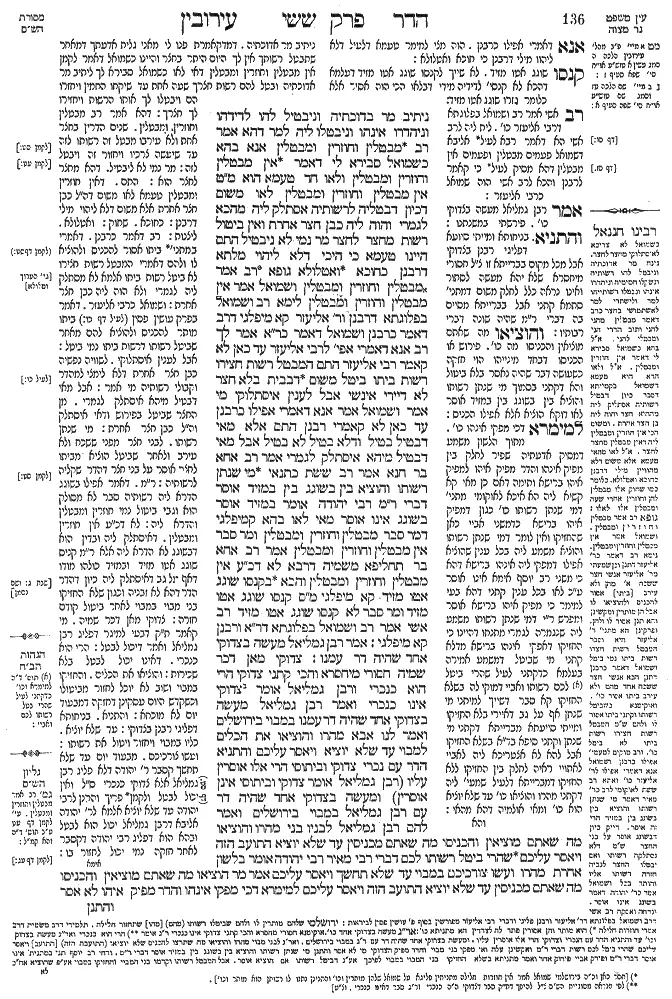
Eruvin 68b - Guemara
ניתיב מר בדוכתיה וניבטיל להו לדידהו וניהדרו אינהו וניבטלו ליה למר דהא אמר רב מבטלין וחוזרין ומבטלין אנא בהא כשמואל סבירא לי דאמר אין מבטלין וחוזרין ומבטלין ולאו חד טעמא הוא מ"ט אין מבטלין וחוזרין ומבטלין לאו משום דכיון דבטליה לרשותיה אסתלק ליה מהכא לגמרי והוה ליה כבן חצר אחרת ואין ביטול רשות מחצר לחצר מר נמי לא ניבטיל התם היינו טעמא כי היכי דלא ליהוי מלתא דרבנן כחוכא ואטלולא גופא רב אמר מבטלין וחוזרין ומבטלין ושמואל אמר אין מבטלין וחוזרין ומבטלין לימא רב ושמואל בפלוגתא דרבנן ור' אליעזר קא מיפלגי דרב דאמר כרבנן ושמואל דאמר כר"א אמר לך רב אנא דאמרי אפי' לרבי אליעזר עד כאן לא קאמר רבי אליעזר התם המבטל רשות חצירו רשות ביתו ביטל משום דבבית בלא חצר לא דיירי אינשי אבל לענין איסתלוקי מי אמר ושמואל אמר אנא דאמרי אפילו כרבנן עד כאן לא קאמרי רבנן התם אלא מאי דבטיל בטיל ודלא בטיל לא בטיל אבל מאי דבטיל מיהא איסתלק לגמרי אמר רב אחא בר חנא אמר רב ששת כתנאי מי שנתן רשותו והוציא בין בשוגג בין במזיד אוסר דברי ר"מ רבי יהודה אומר במזיד אוסר בשוגג אינו אוסר מאי לאו בהא קמיפלגי דמר סבר מבטלין וחוזרין ומבטלין ומר סבר אין מבטלין וחוזרין ומבטלין אמר רב אחא בר תחליפא משמיה דרבא לא דכ"ע אין מבטלין וחוזרין ומבטלין והכא בקנסו שוגג אטו מזיד קא מיפלגי מ"ס קנסו שוגג אטו מזיד ומר סבר לא קנסו שוגג אטו מזיד רב אשי אמר רב ושמואל בפלוגתא דר"א ורבנן קא מיפלגי:
אמר רבן גמליאל מעשה בצדוקי אחד שהיה דר עמנו:
צדוקי מאן דכר שמיה חסורי מיחסרא והכי קתני צדוקי הרי הוא כנכרי ורבן גמליאל אומר צדוקי אינו כנכרי ואמר רבן גמליאל מעשה בצדוקי אחד שהיה דר עמנו במבוי בירושלים ואמר לנו אבא מהרו והוציאו את הכלים למבוי עד שלא יוציא ויאסר עליכם והתניא הדר עם נכרי צדוקי וביתוסי הרי אלו אוסרין עליו (רבן גמליאל אומר צדוקי וביתוסי אינן אוסרין) ומעשה בצדוקי אחד שהיה דר עם רבן גמליאל במבוי בירושלים ואמר להם רבן גמליאל לבניו בני מהרו והוציאו מה שאתם מוציאין והכניסו מה שאתם מכניסין עד שלא יוציא התועב הזה ויאסר עליכם שהרי ביטל רשותו לכם דברי רבי מאיר רבי יהודה אומר בלשון אחרת מהרו ועשו צורכיכם במבוי עד שלא תחשך ויאסר עליכם אמר מר הוציאו מה שאתם מוציאין והכניסו מה שאתם מכניסין עד שלא יוציא התועב הזה ויאסר עליכם למימרא דכי מפקי אינהו והדר מפיק איהו לא אסר
Comments from Rashi on Masechet Eruvin Page 68b
ניתיב מר אדוכתיה . דמדקאמרת פנו לי מאני גלית אדעתך דמאחר שתבטל רשותך אין לך היום היתר בחצר והיינו כשמואל דאמר לקמן אין מבטלין וחוזרין ומבטלין דאי לאו כשמואל סבירא לך ליתיב מר אדוכתיה ובטל להם רשות חצרך שעה אחת עד שיקחו החמין ויחזרו הם ויבטלו לך אותו הרשות ויחזירו לך חצרך: דהא אמר רב מבטלין וחוזרין ומבטלין . שנים הדרין בחצר אחת ולא עירבו מבטל זה רשותו לזה עד שיעשה צרכיו ויחזור זה ויבטל לזה: מר נמי לא ליבטיל . דהא מחצר לחצר הוא: התם . דאין חוזרין ומבטלין טעמא לאו משום דה"ל כבן חצר אחרת אלא משום דלא ליהוי מילי דרבנן: כחוכא . שחוק: ואטלולא . ליצנות: רב דאמר כרבנן . דאמרי במתני' ביתו אסור להכניס ולהוציא לו ולהם דאמרי המבטל רשות חצירו לא ביטל רשות ביתו אלמא לא מסתלק ליה לגמרי ולא הוה ליה כבן חצר אחרת: ושמואל כרבי אליעזר . דאמר בפרק עושין פסין (לעיל עירובין דף כו:) ביתו מותר להכניס ולהוציא להם מאחר שביטל רשותו דרשות ביתו נמי ביטל: אבל לענין איסתלוקי . לשוויה נפשיה כבן חצר אחרת דלא לימצי למהדר וקבולי רשותיה מי אמר: אבל מאי דבטיל מיהא איסתלק לגמרי . מן החצר שביטל בפירוש ודאי איסתלק וה"ל כבן חצר אחרת: מי שנתן רשותו . לבני חצר מפני ששכח ולא עירב ולאחר שביטל הוציא מביתו לחצר אוסר על בני חצר דהדר שקליה לרשותיה: ר"מ . דאמר אפילו בשוגג הדרא ליה רשותיה סבר לא מסולק הוא וגבי ביטול נמי חוזרין ומבטלין והדרא ליה: לא דכ"ע אין חוזרין ומבטלין . דאיסתלק ליה ובדין הוא דבשוגג לא הדרא ליה אלא ר"מ קניס שוגג אטו מזיד ובמזיד כולהו מודו דאף על גב דאיסתלק ליה כיון דהדר הדר דהא לא זבניה וכגון שלא החזיקו בני מבוי במבוי לאחר ביטול קודם חזרה: צדוקי מאן דכר שמיה . מי קאמר ת"ק דבעי למיגר דפליג רבן גמליאל ואמר דיכול לבטל: הרי הוא כנכרי . דאינו יכול לבטל בלא שכירות: והוציאו את הכלים . והחזיקו במבוי ושוב לא יוכל לחזור מביטולו וכשקדש היום עסקינן דחזקה דמבעוד יום לא מוכחא: והתניא . בניחותא דפליגי רבנן בצדוקי: עד שלא יוציא . כליו במבוי ויחזור ויטול את רשותו: ועשו צורכיכם . מבעוד יום עד שלא תחשך קסבר ר' יהודה דלא פליג רבן גמליאל אלא צדוקי כנכרי ס"ל ואין יכול לבטל ולקמן פריך והתנן לרבי יהודה עד שלא יוציא אלמא לר' יהודה אליבא דרבן גמליאל יכול הוא לבטל ובהא הוא דפליג רבי יהודה דקסבר לאחר חזקה נמי יכול לחזור בו:
Comments from Tosafot - Eruvin 68b
אנא דאמרי אפילו כרבנן . הוה מצי למימר טעמא דלעיל דלא ליהוו מילי דרבנן כי חוכא ואטלולא: קנסו שוגג אטו מזיד . לא שייך לקנסו שוגג אטו מזיד דעלמא דהכא לא קנסי' לדידיה מידי דבלאו הכי הוה אסיר אלא כלומר גזרו שוגג אטו מזיד: רב אשי אמר רב ושמואל בפלוגתא דרבי אליעזר כו' . לית ליה לרב אשי הא דאמר רבא לעיל אליבא דשמואל פעמים מבטלין ופעמים אין מבטלין דהא מסיק לעיל כי קאמר לרבנן והכא לרב אשי הוה שמואל כרבי אליעזר: אמר רבן גמליאל מעשה בצדוקי כו' . פירשתי במשנתנו: והתניא . בניחותא ומייתי סיועא דפליגי רבנן בצדוקי אבל מכל מקום בברייתא זו צ"ל חסורי מיחסרא שלא יהא מעשה לסתור ואינו נראה כלל לחלק משום דמתני' סתמא קתני אבל בברייתא מסיים בה דברי ר"מ שהיה שונה דברי רבותיו: והוציאו מה שאתם מוציאין והכניסו מה כו' . פירוש או הכניסו דבחד מינייהו הוי חזקה כשעושה דבר שהיה נאסר בלא ביטול והא דקתני בסמוך מי שנתן רשותו והוציא בין בשוגג בין במזיד אוסר לאו דוקא הוציא אלא אפילו הכניס: למימרא דכי מפקי אינהו כו' . מתוך הלשון משמע דמסיק אדעתיה שפיר לחלק בין מפיק אינהו והדר מפיק איהו למפיק איהו ברישא ותימה דאם כן מאי קא קשיא ליה הא איכא לאוקומי מתני' דמי שנתן רשותו כו' כגון דמפיק איהו ברישא כדמשני אביי כאן שהחזיקו ואין לומר דמי שנתן רשותו והוציא משמע ליה בכל ענין שהוציא אפילו דמפקי ליה אינהו ברישא דהא כי משני רב יוסף אימא אינו אוסר ע"כ לאו בכל ענין קתני דהא בעי למימר כי מפיק איהו ברישא אוסר ומפרש ר"י דמי שנתן רשותו משמע ליה שנגמרה לגמרי מתנתו דהיינו כי החזיקו דאפקי אינהו ברישא מדלא קתני מי שביטל דמשמע אמירה בעלמא כדקתני לעיל שהרי ביטל לכם רשותו ואביי דמוקי לה בשלא החזיקו קא סבר דשייך למיתני מי שנתן אף על גב דאיירי בלא החזיקו ומייתי סייעתא מברייתא דקתני מי שנתן וקתני סיפא בד"א בשלא החזיקו אבל להא לא אצטריכא ליה לאביי לאתויי ראיה לחלק בין החזיקו ללא החזיקו דמברייתא דלעיל שמעי' ליה דקתני מהרו והוציאו כו' עד שלא יוציא הוא כו' ומאי אולמיה דהא מהאי:
Eruvin 68b - Mishnah translated into english
let the Master remain in his place, i.e., in the men’s chamber, and renounce his rights to his courtyard in favor of the residents of the baby’s courtyard, so that they may transfer the water from one courtyard to the other. And then, after the water has been moved, let them renounce their rights in favor of the Master, so that he may once again carry in his courtyard. As Rav said: If two people who live in the same courtyard forgot to establish an eiruv, one person may renounce his rights in favor of the other when he needs it, and the second person may then renounce his rights in favor of the first when he needs it.
Rava replied: In this regard, I hold in accordance with the opinion of Shmuel, who said: One person may not renounce his rights in favor of the other and then subsequently have the second person renounce his rights in favor of the first.
Ravina raised a difficulty: Isn’t the reason for both halakhot one and the same? What is the reason that one may not renounce his rights in favor of the other and then subsequently have the other renounce his rights in favor of the first? Is it not because it is assumed that since he renounced his rights to the courtyard, it is as if he has completely removed himself from here, and he is now considered like the resident of a different courtyard, and Shmuel holds that there is no renouncing of rights from one courtyard to another? If so, the Master should likewise not renounce his rights to his courtyard. If you accept Shmuel’s opinion with regard to subsequent renouncing, you should likewise accept his opinion with regard to renunciation of rights from one courtyard to another.
Rava responded: That is not Shmuel’s reason for prohibiting subsequent renunciations. There, this is the rationale for his opinion: So that the words of the Sages should not be a subject of laughter and mockery. If it is permitted for one person to renounce his rights in favor of another and then for the second person to renounce his rights in favor of the first, the Sages’ enactment will lose all meaning.
The Gemara proceeds to examine in greater detail the issue raised in the previous discussion. Returning to the matter itself, Rav said: If two people who live in the same courtyard forgot to establish an eiruv, one may renounce his rights in favor of the other, and then the second person may renounce his rights in favor of the first. And Shmuel said: One may not renounce his rights in favor of the other and then subsequently have the second person renounce his rights in favor of the first.
The Gemara suggests: Let us say that Rav and Shmuel disagree about the same point of dispute as the Rabbis and Rabbi Eliezer. Elsewhere it is taught that Rabbi Eliezer and the Rabbis disagree with regard to the halakha in a case where one of the residents of a courtyard forgot to join in the eiruv, but subsequently renounced his rights to the courtyard on Shabbat. The dispute revolves around the status of this resident’s house. Rabbi Eliezer holds that it is prohibited for him to carry in and out of his house, while the other residents of the courtyard are permitted to do so. However, the Rabbis hold that the other residents are prohibited from carrying in and out of his house as well.
The suggestion is that Rav stated his ruling in accordance with the opinion of the Rabbis, who hold that even one who renounces his rights to his courtyard does not renounce his rights to his house. As he has not completely removed himself from the courtyard, the other residents may later go back and renounce their rights in his favor. And Shmuel stated his ruling in accordance with the opinion of Rabbi Eliezer. He maintains that this resident has completely removed himself from the courtyard. Therefore, there is no possibility of others subsequently renouncing their rights in his favor, as he is no longer considered a resident of the courtyard.
The Gemara rejects this comparison: Rav could have said to you: What I said is even in accordance with the opinion of Rabbi Eliezer. Rabbi Eliezer stated his opinion there, that one who renounces his rights to his courtyard also renounces his rights to his house, only because people do not live in a house without a courtyard, and therefore it is evident that he has renounced his rights to his house as well. However, with regard to whether or not the person himself is considered entirely removed from the courtyard to the extent that the others would be unable to then renounce their rights in his favor, did he state this? According to this explanation, it is possible that Rav’s opinion concurs with Rabbi Eliezer’s statement.
And Shmuel could have said: What I said is even in accordance with the opinion of the Rabbis. The Rabbis stated their opinion only there, where they ruled: That which he has renounced, i.e., his rights to his courtyard, is renounced; and that which he has not renounced, i.e., his rights in his house, is not renounced. However, from that which he has renounced, he has removed himself completely. Consequently, all agree that one who renounces his rights to his courtyard is no longer considered a resident of that place.
Rav Aḥa bar Ḥana said that Rav Sheshet said: This dispute between Rav and Shmuel is like an earlier dispute between tanna’im. We learned elsewhere in a mishna: If one gave away his rights to his share of the courtyard to the other residents of the courtyard by renouncing them after having forgotten to establish an eiruv with the other residents on the previous day, and then he carried something out from his house into the courtyard, whether he did so unwittingly, forgetting that he had renounced his rights, or intentionally, he once again renders carrying prohibited for all the residents of the courtyard, as his action cancels his renunciation. This is the statement of Rabbi Meir. Rabbi Yehuda says: If he did so intentionally, he renders carrying prohibited for the other residents; but if he did it unwittingly, he does not render carrying prohibited for them.
What, is it not that they disagree with regard to this: One Sage, Rabbi Meir, holds that a person who renounces his rights does not remove himself completely from his domain, and therefore one person may renounce his rights in favor of another, and the second person may then renounce his rights in favor of the first. As a result, even an inadvertent act of carrying serves to cancel the renunciation. And one Sage, Rabbi Yehuda, holds that one who renounces his rights removes himself completely from his domain, and therefore one person may not renounce his rights in favor of another and then subsequently have the second person renounce his rights in favor of the first. In that case, only an intentional act of carrying can cancel the renunciation.
Rav Aḥa bar Taḥalifa said in the name of Rava: No, everyone agrees that a person who renounces his rights removes himself completely from his domain, and therefore one person may not renounce his rights in favor of another and then subsequently have the second person renounce his rights in favor of the first. And here, they disagree with regard to the question: Did the Sages penalize an unwitting offender due to an intentional offender? One Sage, Rabbi Meir, who states that the resident always renders carrying prohibited for the others, holds that they penalized an unwitting offender due to an intentional offender. And one Sage, Rabbi Yehuda, who states that the resident renders carrying prohibited for the others only if he acted intentionally, holds that they did not penalize an unwitting offender due to an intentional offender.
Rav Ashi, disagreeing with the Gemara’s refutation, said: Rav and Shmuel disagree in the same dispute as do Rabbi Eliezer and the Rabbis.
It was stated in the mishna that Rabban Gamliel said: There was an incident involving a certain Sadducee who lived with us in the same alleyway in Jerusalem, who renounced his rights in the alleyway before Shabbat. The mishna then continues with a discussion about how and whether the alleyway may be used on Shabbat. The Gemara first poses a question: A Sadducee; who mentioned his name? The mishna had thus far spoken only of a gentile, so why does Rabban Gamliel invoke an incident involving a Sadducee?
The Gemara answers: The mishna is incomplete. It is missing an important element, and this is what it is teaching: The legal status of a Sadducee is like that of a gentile, and Rabban Gamliel says: The legal status of a Sadducee is not like that of a gentile. And Rabban Gamliel further said: There was an incident involving a certain Sadducee who lived with us in the same alleyway in Jerusalem, who renounced his rights in the alleyway before Shabbat, and Father said to us: Hurry and take out your utensils to the alleyway to establish possession of it before he changes his mind and takes out his utensils, in which case he would render it prohibited for you to use the entire alleyway.
And similarly, wasn’t it taught in a baraita that the status of a Sadducee is a matter of dispute between tanna’im: If one lives with a gentile, a Sadducee, or a Boethusian in the same alleyway, they render carrying prohibited for him. Rabban Gamliel says: A Sadducee or a Boethusian do not prohibit one from carrying. There was an incident involving a certain Sadducee who lived with Rabban Gamliel in the same alleyway in Jerusalem, and he renounced his rights to the alleyway before Shabbat. Rabban Gamliel said to his sons: Hurry and take out those utensils that you wish to take out, and bring in those utensils that you wish to bring in, before that loathsome person retracts his renunciation and takes out his utensils and prohibits you from using the alleyway, as he renounced his rights in your favor; this is the statement of Rabbi Meir.
Rabbi Yehuda says: Rabban Gamliel spoke to them with a different formulation, saying: Hurry and do whatever you must do in the alleyway prior to Shabbat, before night falls and he prohibits you from using the alleyway.
The Gemara proceeds to analyze this baraita. The Master said previously: Take out those utensils that you wish to take out, and bring in those utensils that you wish to bring in, before that loathsome person takes out his utensils and prohibits you from using the alleyway. The Gemara poses a question: Is that to say that, according to Rabbi Meir, if they took out their utensils and then afterward the gentile or Sadducee took out his utensils on Shabbat, he does not render carrying prohibited for them?
Traduction : The William Davidson digital edition of the Koren Noé Talmud, with commentary by Rabbi Adin Even-Israel Steinsaltz.