 Talmud Bavli
Eruvin 19b : Youtube
Rabi Yitzchok LobensteinYoutube
2 video classes :
Eruvin Page 19b
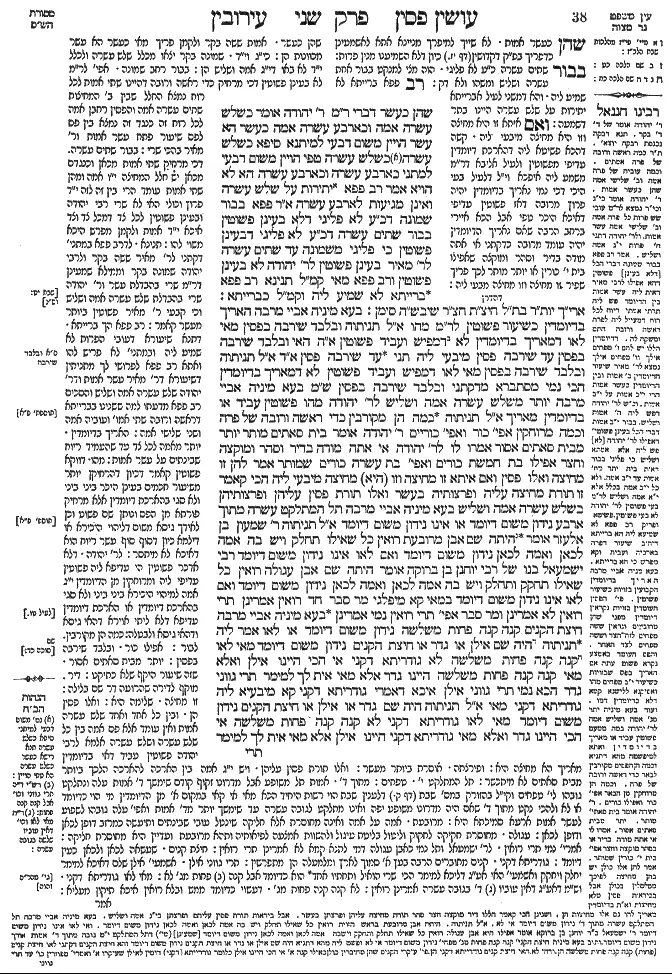
Eruvin 19b - Guemara
שהן כעשר דברי ר"מ ר' יהודה אומר כשלש עשרה אמה וכארבע עשרה אמה כעשר הא עשר הויין משום דבעי למיתנא סיפא כשלש עשרה כשלש עשרה טפי הויין משום דבעי למתני כארבע עשרה וכארבע עשרה הא לא הויא אמר רב פפא יתירות על שלש עשרה ואינן מגיעות לארבע עשרה א"ר פפא בבור שמונה דכ"ע לא פליגי דלא בעינן פשוטין בבור שתים עשרה דכ"ע לא פליגי דבעינן פשוטין כי פליגי משמונה עד שתים עשרה לר' מאיר בעינן פשוטין לר' יהודה לא בעינן פשוטין ורב פפא מאי קמ"ל תנינא רב פפא ברייתא לא שמיע ליה וקמ"ל כברייתא:
ארי"ך יות"ר בת"ל חיצ"ת חצ"ר שיבש"ה סימן:
בעא מיניה אביי מרבה האריך בדיומדין כשיעור פשוטין לר"מ מהו א"ל תניתוה ובלבד שירבה בפסין מאי לאו דמאריך בדיומדין לא דמפיש ועביד פשוטין א"ה האי ובלבד שירבה בפסין עד שירבה פסין מיבעי ליה תני עד שירבה פסין א"ד א"ל תניתוה ובלבד שירבה בפסין מאי לאו דמפיש ועביד פשוטין לא דמאריך בדיומדין הכי נמי מסתברא מדקתני ובלבד שירבה בפסין ש"מ בעא מיניה אביי מרבה יותר משלש עשרה אמה ושליש לר' יהודה מהו פשוטין עביד או בדיומדין מאריך א"ל תניתוה כמה הן מקורבין כדי ראשה ורובה של פרה וכמה מרוחקין אפי' כור ואפי' כוריים ר' יהודה אומר בית סאתים מותר יותר מבית סאתים אסור אמרו לו לר' יהודה אי אתה מודה בדיר וסהר ומוקצה וחצר אפילו בת חמשת כורים ואפי' בת עשרה כורים שמותר אמר להן זו מחיצה ואלו פסין ואם איתא זו מחיצה וזו (היא) מחיצה מיבעי ליה הכי קאמר זו תורת מחיצה עליה ופרצותיה בעשר ואלו תורת פסין עליהן ופרצותיהן בשלש עשרה אמה ושליש בעא מיניה אביי מרבה תל המתלקט עשרה מתוך ארבע נידון משום דיומד או אינו נידון משום דיומד א"ל תניתוה ר' שמעון בן אלעזר אומר היתה שם אבן מרובעת רואין כל שאילו תחלק ויש בה אמה לכאן ואמה לכאן נידון משום דיומד ואם לאו אינו נידון משום דיומד רבי ישמעאל בנו של רבי יוחנן בן ברוקה אומר היתה שם אבן עגולה רואין כל שאילו תחקק ותחלק ויש בה אמה לכאן ואמה לכאן נידון משום דיומד ואם לאו אינו נידון משום דיומד במאי קא מיפלגי מר סבר חד רואין אמרינן תרי רואין לא אמרינן ומר סבר אפי' תרי רואין נמי אמרינן בעא מיניה אביי מרבה חיצת הקנים קנה קנה פחות משלשה נידון משום דיומד או לאו אמר ליה תניתוה היה שם אילן או גדר או חיצת הקנים נידון משום דיומד מאי לאו קנה קנה פחות משלשה לא גודריתא דקני אי הכי היינו אילן ואלא מאי קנה קנה פחות משלשה היינו גדר אלא מאי אית לך למימר תרי גווני גדר הכא נמי תרי גווני אילן איכא דאמרי גודריתא דקני קא מיבעיא ליה גודריתא דקני מאי א"ל תניתוה היה שם גדר או אילן או חיצת הקנים נידון משום דיומד מאי לאו גודריתא דקני לא קנה קנה פחות משלשה אי הכי היינו גדר ואלא מאי גודריתא דקני היינו אילן אלא מאי אית לך למימר
Comments from Rashi on Masechet Eruvin Page 19b
שהן כעשר . אמות ששה בקר ולקמן פריך מאי כעשר הא עשר מכוונות הן: כי"ג וי"ד . שמונה בקר יצאו מכלל שלש עשרה ולכלל י"ד לא באו די"ג אמה ושליש הן: בבור רחב שמונה . אפי' לר"מ לא בעינן פשוטין דכי מרחיק כדי ראשה ורובה דהיינו שתי אמות לכל רוח נמצא החלל שבין ב' המחיצות שתים עשרה אמה והפסין רחבן אמה לכל רוח זה כנגד זה נמצא בין פס לפס שיעור פתח עשר אמות ור' מאיר בהכי שרי: בבור שתים עשרה . דכי מרחיק שתי אמות מכאן וכנגדם מכאן יש חלל המחיצה י"ו אמה ומהן שתי אמות עומד הרי בין זה לזה י"ד פרוץ וכולי האי לא שרי רבי יהודה ובעינן פשוטין לכל צד דמכל צד וצד איכא י"ד אמות ולקמן מפרש היכא משוי להו: תנינא . לדרב פפא במתני' . דקתני לר' מאיר ששה בקר ולרבי יהודה שמונה בקר וממילא שמעינן דר"מ שרי בהבדלת עשר ור' יהודה שרי בהבדלת שלש עשרה אמה ושליש וכי קבעי ר' מאיר פשוטין ביותר מעשר קאמר: רב פפא הך ברייתא . דתנא שיעורא דעובי הפרות לא שמיע ליה ובמתני' לא פריש להו ואתא רב פפא לפרושי לך מתניתין דשיעורא דר' מאיר עשר אמות ודר' יהודה שלש עשרה אמה ושליש והסכים רב פפא מדעתו למה ששנינו בברייתא דראשה ורובה שתי אמו' ועוביה אמה ושני שלישי אמה: האריך בדיומדיין . יותר מאמה לכל צד עד שהעמיד ריוח שבינתים על עשר אמות: מהו . דווקא פשוטין קאמר דכיון דהרחיקן יותר משיעור חכמים בעינן היכר ביני ביני ולא סגי בהארכת דיומדין אלא מרחיק פורתא מן הפס ונותן שם פשוט וכן לאידך גיסא משום דליהוי היכירא או דילמא כיון דסוף סוף עשר ריוח הוא דאיכא לא מיתסר: לר' יהודה . דלא אדכר פשוטין הי עדיפא ליה פשוטין עדיפי ליה ומרוחקין מן הדיומדין י"ג אמה למיהוי היכירא ביני ביני ולא סגי בהארכת דיומדין או הארכת דיומדין עדיפא דלא ליתי אוירא דהאי גיסא ודהאי גיסא ולבטלה: כמה הן מקורבין . לבור: אפילו כור . ובלבד שירבה בפסין: יותר מבית סאתים אסור . שזה שיעור היקף שלא כתיקנו: דיר . מוקף לדירה שהרועה דר שם בלילה: זו מחיצה . שלימה היא: ואלו פסין הן . ובין כל אחד ואחד שלש עשרה אמות ואין עומד אלא פס אמה בין כל שלש עשרה ושלש עשרה אלמא לרבי יהודה פשוטין עביד דאי בדיומדין מאריך הא מחיצה היא: ופירצתה . אוסרת ביותר מעשר: ואלו תורת פסין עליהן . ויש י"ג אמה בין הארכה להארכה הלכך ביותר מבית סאתים לא מיתכשר: תל המתלקט י' . טפחים: מתוך ד' . אמות תל משופע אבל מדרונו זקוף קודם שימשך ד' אמות עלה ונתלקט גובהו לי' טפחים וקי"ל בהזורק במס' שבת (דף ק.) דלענין שבת הוי רשות היחיד הכא מאי אי קאי במקום א' מן הדיומדין מי הוי כדיומד או לא ולהכי נקט מתוך ד' שאם היה מדרונו משופע יפה ואינו מתלקט לגובה עשרה עד שימשך יותר מד' אמות ואפי' עלה גובהו לשפוע לעשר אמות ארעא סמיכתא היא: מרובעת . אמה על אמה ואינה מחוסרת אלא חליקה שינטל עובי שבינתים ותיעשה כמרזב דופן לכאן ודופן לכאן: עגולה . מחוסרת חקיקה לחקוק וליטול בליטת עיגול ולהשוות אמצעה לפיאותיה ותהא מרובעת ועדיין היא מחוסרת חליקה: אמרי' נמי תרי רואין . לר' ישמעאל ותל נמי כאבן עגולה דמי לתנא קמא לא אמרינן תרי רואין: חיצת קנים . שעשאה לכאן ולכאן כעין דיומד: גודריתא דקני . קנים מחוברים הרבה בעץ א' סמוך לארץ ומלמעלה הן מתפרשין: תרי גווני אילן . אשמעי' אילן שלם דאיכא למימר יחלק ויחקק ואשמעי' האי אע"ג דליכא למימר הכי שרי הואיל ותחתיו אחד הוא כדיומד אבל קנה פחות מג' לא: מאי לאו גודריתא דקני . וש"מ דאע"ג דאין עוביו ד' בגובה עשרה אמרינן רואין: לא קנה קנה פחות מג' . דעשוי כדיומד ממש ובלא רואין איכא תיקון מעליא:
Comments from Tosafot - Eruvin 19b
שהן כעשר אמות . לא שייך למיפרך מניינא אתא לאשמעינן כדפריך בפ"ק דקדושין (דף יז.) כיון דלא השמיענו מנין פרות: בבור שתים עשרה כ"ע לא פליגי . הוה מצי למנקט בבור אחת עשרה ושליש ומשהו ולא דק: רב פפא ברייתא לא שמיע ליה . והא דמשני לעיל אברייתא יתירות על שלש עשרה היינו בתר דשמעה: ואם איתא זו היא מחיצה וזו היא מחיצה מיבעי ליה . קשה דהכא פשיטא ליה דהארכת דיומדין עדיפי מפשוטין ולעיל אליבא דר"מ משמע ליה איפכא וי"ל דלעיל בעי היכי דכי נמי נאריך בדיומדין יהיה פרוץ מרובה דאז פשוטין עדיפי דאיכא היכר טפי אבל הכא איירי ברחב הרבה שאם נאריך הדיומדין יהיה עומד מרובה כדקתני אי אתה מודה בדיר וסהר ומוקצה שאפילו בית י' כורין או יותר מותר לכך פריך שפיר זו מחיצה וזו מחיצה מבעי ליה:
Eruvin 19b - Mishnah translated into english
so that the total width of six oxen is approximately ten cubits; this is the statement of Rabbi Meir. Rabbi Yehuda said the following, in accordance with his own opinion that the gap may be the size of two teams of four oxen each: The total width is approximately thirteen cubits or approximately fourteen cubits.
The Gemara asks: Why does the tanna of the baraita say: Approximately ten cubits in Rabbi Meir’s statement? Isn’t it exactly ten cubits? The Gemara answers: Since he wanted to teach: Approximately thirteen, in the last clause, i.e., Rabbi Yehuda’s statement, he therefore also taught: Approximately ten, in the first clause.
The Gemara asks: But how could he say: Approximately thirteen, when it is more? The Gemara answers: Since he wanted to teach: Approximately fourteen, he therefore also teaches: Approximately thirteen. The Gemara continues this line of questioning: But they are not approximately fourteen, but rather are less. Rav Pappa said: It is a third of a cubit more than thirteen cubits, and it does not reach fourteen cubits.
Rav Pappa said: With regard to a water cistern whose own width is eight cubits, everyone agrees, both Rabbi Yehuda and Rabbi Meir, that there is no need to position upright boards between the double posts. In such a case, the width of the enclosed area, which is the width of the cistern together with the space required for the cows, i.e., two cubits on each side, is twelve cubits. Since the width of each double post is one cubit, the gap between the double posts is ten cubits, and a gap of this size is permitted even according to Rabbi Meir.
With regard to a cistern whose width is twelve cubits, everyone agrees that there is a need for upright posts. In this case, even if only two cubits are added on each side for the cows, the enclosed area will be sixteen cubits, and the gap between the double posts will be fourteen cubits, which must be closed off even according to Rabbi Yehuda.
Where they disagree is in the case of a cistern whose width is between eight and twelve cubits. According to the opinion of Rabbi Meir, one must add upright posts, whereas according to the opinion of Rabbi Yehuda, one need not add upright posts.
The Gemara asks: And what is Rav Pappa teaching us? We already learned in the baraita that according to Rabbi Meir the gap may not be more than ten cubits, whereas according to Rabbi Yehuda it may be up to thirteen and a third cubits.
The Gemara answers: Indeed, for us nothing new is being taught here; however, Rav Pappa did not hear this baraita, and he taught us on his own as was taught in the baraita.
Extended, more, in a mound, a barrier of, a courtyard, that dried up; this is a mnemonic containing key words in a series of issues raised by Abaye before Rabba. Abaye raised a dilemma before Rabba: If the gaps between the double posts were more than ten cubits, and one extended the double posts, that is, he widened each arm of the corner pieces, adding the measure of an upright board, i.e., another cubit, on each side, so that the gaps were no longer more than ten cubits, what is the law according to the opinion of Rabbi Meir? Do we say that this suffices and it is no longer necessary to arrange upright boards between the two double posts, or must upright boards be positioned in the gaps?
Rabba said to him: We already learned it in the mishna: Provided that he increases the boards. Does this not mean that he extends the double posts, increasing them in width? Abaye refutes this: No, perhaps it means that he makes more upright boards, increasing them in number.
Rabba said to him: If so, this wording: Provided that he increases the boards, is imprecise, for it implies that one increases the boards themselves, and instead it should have stated: Provided that he increases the number of upright boards. Abaye answered: There is no need to be particular about this. Teach: Provided that he increases the number of upright boards.
The Gemara cites an alternative version of the previous discussion: There are some who say that Rabba said to Abaye as follows: We already learned it: Provided that he increases the boards. Does this not mean that he makes more upright boards, increasing them in number? Abaye refutes this: No, perhaps it means that he extends the double posts, increasing them in width.
The Gemara comments: So too, it is reasonable to say this, from the fact that the mishna teaches: Provided that he increases the upright boards, which implies that he extends the width of the boards themselves, in accordance with the second version. The Gemara concludes: Indeed, learn from this that this is the correct understanding.
Abaye raised another dilemma before Rabba: If the gaps are more than thirteen and a third cubits, what is the law according to the opinion of Rabbi Yehuda? Does he bring upright boards and position them between the double posts, or does he extend the double posts, increasing them in width?
Rabba said to him: We already learned the law in a similar case, for it was taught in a baraita: How close may the double posts be to the well? They can be as close as the length of the head and most of the body of a cow. And how far may they be from the well? If one wishes, the enclosed area may be expanded even to the area of a kor and even to two kor, provided that one increases the number of upright boards adequately to keep the gaps under the allowable limit.
The baraita continues: Rabbi Yehuda says: Up to an area of two beit se’a, it is permitted to enclose the area in this manner; but expanding the enclosed area so it is more than an area of two beit se’a is prohibited. The other Rabbis said to Rabbi Yehuda: Do you not agree with regard to a pen, and stable, and a backyard, and a courtyard that even an area of five beit kor and even of ten beit kor is permitted for use?
The baraita continues: Rabbi Yehuda said to them: There is a significant difference between these cases, for this one, i.e., the wall surrounding the courtyard and the like, is a proper partition, whereas these are merely upright boards.
The Gemara asks with regard to Rabba’s statement: And if it is so that one extend the double posts, this means that he makes a proper partition of increasingly wider double posts in the area surrounding the well, this is equivalent to the partitions of a courtyard, he, Rabbi Yehuda, should have said: This is a partition and that is a partition.
The Gemara answers: No proof can be brought from here, for Rabbi Yehuda is saying as follows: This one, the walls of a courtyard, are governed by the laws of a partition, and therefore its breaches must not be more than ten cubits. Whereas these, which surround the well, are governed by the laws of upright boards, and their breaches may be up to thirteen and a third cubits. Consequently, only an area of two beit se’a can be enclosed in this manner. Therefore, no proof can be brought from this baraita to Abaye’s dilemma.
Abaye raised another dilemma before Rabba: Can a mound that rises to a height of ten handbreadths within an area of four cubits serve as a double post or can it not serve as a double post?
Rabba said to him: We already learned this in the following baraita: Rabbi Shimon ben Elazar says: If a square stone was present, we see the stone as if it were altered: Wherever it can be divided in such a way that there would remain a cubit here in one direction and a cubit there at a right angle to it, it can serve as a double post; but if not, it cannot serve as a double post.
Rabbi Yishmael, son of Rabbi Yoḥanan ben Beroka, says: If a round stone was present, we see the stone as if it were altered: Wherever it could be chiseled down into a square, and then divided in such a way that there would remain a cubit here in one direction and a cubit there at a right angle to it, it can serve as a double post; but if not, it cannot serve as a double post. In any case, it is learned from these two statements that anything can serve as a double post if it is of the requisite size and shape.
With regard to the baraita itself, the Gemara asks: With regard to what do these two tanna’im disagree? The Gemara explains that one Sage, Rabbi Shimon ben Elazar, holds that we say: We see, once. However, we do not say: We see, twice. That is to say, while the stone can be considered as if it were divided, it cannot also be considered as though it were chiseled down into a square. And the other Sage, Rabbi Yishmael, son of Rabbi Yoḥanan ben Beroka, holds that we even say: We see, twice. Since a mound is similar to a round stone, it can therefore serve as a double post.
Abaye raised another dilemma before Rabba: With regard to a barrier of reeds in the shape of a double post, where each reed is less than three handbreadths apart from the next, so that they are considered connected by the principle of lavud, can it serve as a double post or not?
Rabba said to him: We already learned this law in a baraita that states: If a tree, or a fence, or a barrier of reeds was present, it serves as a double post. Does this not refer to a barrier of reeds where each reed is less than three handbreadths from the next?
The Gemara refutes this: No, it may perhaps refer to a thicket of reeds planted close together, forming a kind of post. The Gemara raises a difficulty: If so, it is equivalent to a tree, and the tanna would not repeat the same case twice.
The Gemara rejects this argument: What, then? Would you say that the baraita is referring to a barrier of reeds where each reed is less than three handbreadths apart? If so, it is a fence. Rather, what must you say is that the baraita teaches two types of fence; here too, then, you can say that it teaches two types of tree, and therefore no proof can be brought from this baraita.
The Gemara cites an alternative version of the previous discussion: There are some who say that the question was posed differently, and the dilemma Abaye raised before Rabba was about whether or not a dense thicket of reeds can serve as a double post. Rabba said to him: We already learned this law in the following baraita: If a tree, or a fence, or a barrier of reeds was present, it can serve as a double post. Does this not refer to a thicket of reeds?
The Gemara refutes this: No, it may perhaps refer to a barrier of reeds where each reed is less than three handbreadths apart from the next. The Gemara raises a difficulty: If so, it is exactly a fence.
The Gemara rejects this argument: What, then? Would you say that the baraita refers to a thicket of reeds? If so, this is a tree. Rather, what must you say is
Traduction : The William Davidson digital edition of the Koren Noé Talmud, with commentary by Rabbi Adin Even-Israel Steinsaltz.