 Talmud Bavli
Eruvin 18b : Youtube
Rabi Yitzchok LobensteinYoutube
2 video classes :
Eruvin Page 18b
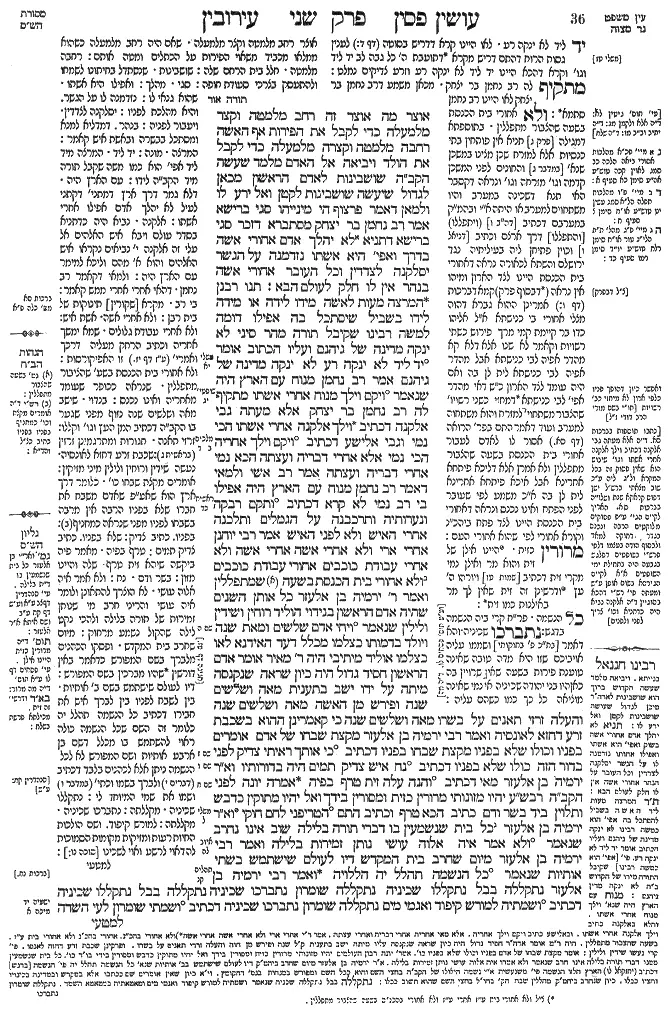
Eruvin 18b - Guemara
אוצר מה אוצר זה רחב מלמטה וקצר מלמעלה כדי לקבל את הפירות אף האשה רחבה מלמטה וקצרה מלמעלה כדי לקבל את הולד ויביאה אל האדם מלמד שעשה הקב"ה שושבינות לאדם הראשון מכאן לגדול שיעשה שושבינות לקטן ואל ירע לו ולמאן דאמר פרצוף הי מינייהו סגי ברישא אמר רב נחמן בר יצחק מסתברא דזכר סגי ברישא דתניא לא יהלך אדם אחורי אשה בדרך ואפי' היא אשתו נזדמנה על הגשר יסלקנה לצדדין וכל העובר אחורי אשה בנהר אין לו חלק לעולם הבא:
תנו רבנן המרצה מעות לאשה מידו לידה או מידה לידו בשביל שיסתכל בה אפילו דומה למשה רבינו שקיבל תורה מהר סיני לא ינקה מדינה של גיהנם ועליו הכתוב אומר (משלי יא, כא) יד ליד לא ינקה רע לא ינקה מדינה של גיהנם אמר רב נחמן מנוח עם הארץ היה שנאמר (שופטים יג, יא) ויקם וילך מנוח אחרי אשתו מתקיף לה רב נחמן בר יצחק אלא מעתה גבי אלקנה דכתיב וילך אלקנה אחרי אשתו הכי נמי וגבי אלישע דכתיב (מלכים ב ד, ל) ויקם וילך אחריה הכי נמי אלא אחרי דבריה ועצתה הכא נמי אחרי דבריה ועצתה אמר רב אשי ולמאי דאמר רב נחמן מנוח עם הארץ היה אפילו בי רב נמי לא קרא דכתיב (בראשית כד, סא) ותקם רבקה ונערותיה ותרכבנה על הגמלים ותלכנה אחרי האיש ולא לפני האיש אמר רבי יוחנן אחרי ארי ולא אחרי אשה אחרי אשה ולא אחרי עבודת כוכבים אחורי עבודת כוכבים ולא אחורי בית הכנסת בשעה שמתפללין ואמר ר' ירמיה בן אלעזר כל אותן השנים שהיה אדם הראשון בנידוי הוליד רוחין ושידין ולילין שנאמר (בראשית ה, ג) ויחי אדם שלשים ומאת שנה ויולד בדמותו כצלמו מכלל דעד האידנא לאו כצלמו אוליד מיתיבי היה ר' מאיר אומר אדם הראשון חסיד גדול היה כיון שראה שנקנסה מיתה על ידו ישב בתענית מאה ושלשים שנה ופירש מן האשה מאה ושלשים שנה והעלה זרזי תאנים על בשרו מאה ושלשים שנה כי קאמרינן ההוא בשכבת זרע דחזא לאונסיה ואמר רבי ירמיה בן אלעזר מקצת שבחו של אדם אומרים בפניו וכולו שלא בפניו מקצת שבחו בפניו דכתיב (בראשית ז, א) כי אותך ראיתי צדיק לפני בדור הזה כולו שלא בפניו דכתיב (בראשית ו, ט) נח איש צדיק תמים היה בדורותיו וא"ר ירמיה בן אלעזר מאי דכתיב (בראשית ח, יא) והנה עלה זית טרף בפיה אמרה יונה לפני הקב"ה רבש"ע יהיו מזונותי מרורין כזית ומסורין בידך ואל יהיו מתוקין כדבש ותלוין ביד בשר ודם כתיב הכא טרף וכתיב התם (משלי ל, ח) הטריפני לחם חוקי וא"ר ירמיה בן אלעזר כל בית שנשמעין בו דברי תורה בלילה שוב אינו נחרב שנאמר (איוב לה, י) ולא אמר איה אלוה עושי נותן זמירות בלילה ואמר רבי ירמיה בן אלעזר מיום שחרב בית המקדש דיו לעולם שישתמש בשתי אותיות שנאמר (תהלים קנ, ו) כל הנשמה תהלל יה הללויה ואמר רבי ירמיה בן אלעזר נתקללה בבל נתקללו שכיניה נתקללה שומרון נתברכו שכיניה נתקללה בבל נתקללו שכיניה דכתיב (ישעיהו יד, כג) ושמתיה למורש קיפוד ואגמי מים נתקללה שומרון נתברכו שכיניה דכתיב (מיכה א, ו) ושמתי שומרון לעי השדה
Comments from Rashi on Masechet Eruvin Page 18b
אוצר רחב מלמטה וקצר מלמעלה . שאם היה רחב מלמעלה כשהוא ממלאו מכביד משאוי הפירות על הכתלים ומטה אותם: רחבה מלמטה . חלל בית הרחם שלה: שושבינות . שנשתדל בחיתונו לשמחו ולהתעסק בצרכי סעודת חופה: סגי . מהלך: ואפילו היא אשתו . שהוא גנאי לו: נזדמנה לו על הגשר . והיא מהלכת לפניו: יסלקנה לצדדין . ויעבור לפניה: בנהר . דמדליא למנא ומסתכל בבשרה ובאשת איש קאמר: המרצה . מונה: יד ליד . המרצה מיד ליד אפי' הוא כמו משה שקבל תורה מיד הקב"ה לידו: עם הארץ היה . דלא גמר דרך ארץ דמתני' דקתני לעיל לא יהלך אדם אפילו אחרי אשתו: אלקנה . נביא היה כדתניא בסדר עולם ויבא איש האלהים אל עלי זה אלקנה י' נביאים נקראו איש האלהים והוא א' מהם וליכא למימר עם הארץ היה: ולמאי דקאמר רב נחמן . דהאי אחרי אחרי ממש קאמר: בי רב . מקרא [שקורין] תינוקות של בית רבן: ולא אחרי אשה . אשת איש: ולא אחרי עבודת גלולים . שמא ימשך אחריה וכתיב הרחק מעליה דרכך ואמרי' (ע"ז דף יז.) זו האפיקורסות: ולא אחורי בית הכנסת בשעה שהציבור מתפללין . שנראה ככופר שעומד מאחריה ואינו נכנס: בנדוי . שישב מאה ושלשים שנה נזוף מפני שגער בו הקב"ה דכתיב המן העץ וגו' וקללו: זרזי תאנה . חגורות ומתרגמינן זרזין (בראשית ג): שכבת זרע דחזיא לאונסיה . נעשה שידין ורוחין ולילין מיני מזיקין: אומרים מקצת שבחו כו' . כלומר דרך ארץ הוא שאע"פ שאדם משבח את חברו שלא בפניו הרבה אין מרבה בשבחו לפניו מפני שנראה כמחניף: בפניו . כתיב צדיק: שלא בפניו . כתיב צדיק תמים: טרף בפיה . מאמר פיה ביקשה שיהא זית טרף שלה והיינו מזון: בשר ודם . נח: ולא אמר איה אלוה עושי . לא הוצרך להתאונן ולומר איה עושי והריני חרב מי שנותן זמירות של תורה בלילה ולהכי נקט לילה שהקול נשמע מרחוק: מיום שחרב בית המקדש . ופסקו הכהנים מלברך בשם המפורש כדאמר באין דורשין שהיו מברכין בשם המפורש: דיו לעולם שישתמש בשם ב' אותיות . בין לשבח לפניו בין לברך איש את חבירו דכתיב כל הנשמה תהלל יה כלומר זה השם שכל הנשמה כולה ראוי להשתמש בו מכלל דשם בן ארבע אותיות ושם המפורש לא לכל הנשמה ניתן אלא לכהנים בלבד: דכתיב (דברים י) ולברך בשמו וכתי' (במדבר ו) ושמו את שמי המיוחד לי: נתקללו שכיניה . מקללתה: נתברכו שכיניה . מקללתה: למורש קיפוד . ושם הולכות החיות רעות ומזיקות מקומות הסמוכות לה דאוי לרשע ואוי לשכינו [סוכה נו:]:
Comments from Tosafot - Eruvin 18b
יד ליד לא ינקה רע . לאו היינו קרא דדריש בסוטה (דף ד:) לענין גסות הרוח דהתם דריש מקרא דתועבת ה' כל גבה לב יד ליד וגו' וקרא דהכא היינו יד ליד לא ינקה רע וזרע צדיקים נמלט: מתקיף לה רב נחמן בר יצחק . מכאן משמע דרב נחמן בר יצחק לאו היינו רב נחמן סתמא: ולא אחורי בית הכנסת בשעה שהצבור מתפללין . בתוספתא דמגילה [פרק ג] תניא אין פותחין בתי כנסיות אלא למזרח שכן מצינו במשכן שנא' [במדבר ג] והחונים לפני המשכן קדמה וגו' מזרחה וגו' ונראה דקסבר האי תנא דשכינה במערב והיו משתחוים למערב או היתה א"י ובהמ"ק במערבם דכתיב [דה"ב ו] (ויתפללו) [והתפללו] דרך ארצם וכתיב [דניאל ו] וכוין פתיחן ליה בעיליתיה נגד ירושלם והשתא לכאורה נראה דאחורי בית הכנסת היינו לצד הארון ומיהו אין נראה (דבסוף פרק) קמא דברכות (דף ו:) אמרינן ההוא גברא דהוה מצלי אחורי בי כנישתא א"ל אליהו כדו בר קיימת קמי מרך פירוש כשתי רשויות וקאמר לא שנו אלא דלא קא מהדר אפיה לבי כנישתא אבל מהדר אפיה לבי כנישתא לית לן בה ואם היה עומד לצד הארון כ"ש דאי מהדר אפי' לבי כנישתא דמחזי כשני רשויו' שהצבור משתחוי' למזרח והוא משתחוה למערב ועוד דאמר התם בפר' הרואה (דף סא.) אסור לו לאדם לעבור אחורי בית הכנסת בשעה שהצבור מתפללין ולא אמרן אלא דליכא פיתחא אחרינא אבל איכא פיתחא אחרינא לית לן בה א"כ משמע לפי שעובר לפני הפתח ואינו נכנס ונראה דאחורי בית הכנסת היינו לצד פתח ביהכ"נ וקורא אחורי לפי שהוא אחורי העם: מרורין כזית . היינו אילן של זית והוא מר ואילן נמי מקרי זית דכתיב [שמות טו] ויורהו ה' עץ ודרשינן זה זית שאין לך מר באילנות כמו זית: כל הנשמה . פר"ח קרי ביה הנשמה בדגש: נתברכו שכיניה . והא דאמר [בת"כ פ' בחוקותי] ושממו עליה אויביכם שזו היא מדה טובה שאינה טוענת פירות בשעה שאין שרויין בה כאן היו בני יהודה שכיניה אי נמי שאינה מוציאה כל כך כמו כשהם עליה:
Eruvin 18b - Mishnah translated into english
of a storehouse. Just as a storehouse is built wide on the bottom and narrow on top, in order to hold produce without collapsing, so too a woman is created wide on the bottom and narrow on top, in order to hold the fetus.
The Gemara cites an exposition of the end of the previously cited verse: “And brought her unto the man” (Genesis 2:22). This verse teaches that the Holy One, Blessed be He, was Adam the first man’s best man, attending to all his wedding needs and bringing his wife to him. From here we learn that a greater individual should serve as a best man for a lesser individual and should not feel bad about it as something beneath his dignity.
The Gemara asks: And according to the one who says that Eve was a face or side of Adam, which one of them walked in front? Rav Naḥman bar Yitzḥak said: It is reasonable to say that the male walked in front, as this is proper behavior, as it was taught in a baraita: A man should not walk behind a woman on a path, even if she is his wife. If she happens upon him on a bridge, he should walk quickly in order to catch up to her and consequently move her to his side, so that she will not walk before him. And anyone who walks behind a woman in a river, where she has to lift up her skirt in order to cross, has no share in the World-to-Come.
The Sages taught: With regard to one who counts out money for a woman from his hand into her hand or from her hand into his hand, in order to look upon her, even if in other matters he is like Moses our teacher, who received the Torah from Mount Sinai, he will not be absolved from the punishment of Gehenna. The verse says about him: “Hand to hand, the evil man shall not go unpunished” (Proverbs 11:21). One who hands money from his hand to her hand, even if he received the Torah from God’s hand to his own, like Moses, he will not be absolved from the punishment of Gehenna, which is called evil.
Rav Naḥman said: From the following verse, it is known that Samson’s father, Manoah, was an ignoramus, as it is stated: “And Manoah arose, and went after his wife” (Judges 13:11), which shows that he was unfamiliar with the principle that one must not walk behind a woman.
Rav Naḥman bar Yitzḥak strongly objects to this: If that is so, if the verse relating to Manoah is understood literally, what will one say about the verse with regard to Elkana, the father of the prophet Samuel, as it is written: “And Elkana walked after his wife.” Does this verse mean that Elkana was also an ignorant person? And what of the verse with regard to the prophet Elisha, as it is written: “And the mother of the child said: As the Lord lives, and as your soul lives, I will not leave you; and he arose and followed her” (ii Kings 4:30). Does this verse mean that Elisha was also an uneducated person?
Rather, certainly each of these verses means that he followed her words and advice. If so, here too, the verse concerning Manoah may be similarly interpreted. He did not literally walk behind his wife, but rather he followed her words and advice.
Rav Ashi said: And according to what Rav Naḥman said, that Manoah was an ignoramus, he did not even read the basic Torah stories that children learn in school. As it is written: “Rebecca arose, and her damsels, and they rode upon the camels, and followed the man” (Genesis 24:61); they followed him and did not walk before the man.
On this topic, Rabbi Yoḥanan said: It is preferable to walk behind a lion, and not behind a woman. And it is preferable to walk behind a woman and not behind idolatry. When a procession honoring idolatry is passing in the street, it is better to walk behind a woman than appear to be accompanying the idolatry. It is preferable to walk behind idolatry and not behind a synagogue at a time of prayer. By walking behind a synagogue at a time of prayer and not entering, one appears as though he were denying the God to Whom the congregation is directing its prayers.
Having cited an aggadic statement of Rabbi Yirmeya ben Elazar, the Gemara cites other statements of his: Rabbi Yirmeya ben Elazar said: All those years during which Adam was ostracized for the sin involving the Tree of Knowledge, he bore spirits, demons, and female demons, as it is stated: “And Adam lived a hundred and thirty years, and begot a son in his own likeness, after his image, and called his name Seth” (Genesis 5:3). By inference, until now, the age of one hundred thirty, he did not bear after his image, but rather bore other creatures.
The Gemara raises an objection from a baraita: Rabbi Meir would say: Adam the first man was very pious. When he saw that death was imposed as a punishment because of him, he observed a fast for a hundred thirty years, and he separated from his wife for a hundred thirty years, and wore belts [zarzei] of fig leaves on his body as his only garment for a hundred thirty years. If so, how did he father demons into the world?
The Gemara answers: When Rabbi Yirmeya made his statement, he meant that those destructive creatures were formed from the semen that Adam accidentally emitted, which brought the destructive creatures into being.
And Rabbi Yirmeya ben Elazar further said: Only some of a person’s praise should be said in his presence, and all of it may be said not in his presence. Only some of his praise should be said in his presence, as it is written: “And the Lord said to Noah, come, you and all your house into the ark, for you have I seen righteous before Me in this generation” (Genesis 7:1).
And all of it may be said not in his presence, as it is written: “These are the generations of Noah; Noah was a righteous man, and perfect in his generations, and Noah walked with God” (Genesis 6:9). When not referring to him in his presence, God refers to Noah as a righteous and perfect man.
And Rabbi Yirmeya ben Elazar also said: What is the meaning of that which is written: “And the dove came in to him in the evening, and lo, in her mouth was an olive leaf, plucked off [taraf]; so Noah knew that the waters were abated from off the earth” (Genesis 8:11)? The dove said before the Holy One, Blessed be He: Master of the Universe, let my food be bitter as an olive but given into Your hand, and let it not be sweet as honey but dependent upon flesh and blood. He adds this explanation: Here it is written: Taraf. And there it is written: “Remove far from me falsehood and lies; give me neither poverty nor riches; feed me [hatrifeni] my allotted portion” (Proverbs 30:8).
And Rabbi Yirmeya ben Elazar also said: Any house in which the words of Torah are heard at night will never be destroyed, as it is stated: “But none says: Where is God my Maker, Who gives songs in the night” (Job 35:10). The verse implies that one who sings songs of Torah in his house at night will not need to lament the destruction of his home.
And Rabbi Yirmeya ben Elazar further said: From the day that the Temple was destroyed, it is enough for the world to use in its praise of God, or in greeting one another with the name of God, only two letters of the Tetragrammaton, namely yod and heh, as it is stated: “Let everything that has breath praise the Lord [Yah]. Halleluya” (Psalms 150:6), without mentioning the full name of God, comprised of four letters.
And Rabbi Yirmeya ben Elazar also said: When Babylonia was cursed, its neighbors were cursed along with it. When Samaria was cursed, its neighbors were blessed. He explains: When Babylonia was cursed, its neighbors were cursed, as it is written: “I will also make it a possession for wild birds, and pools of water” (Isaiah 14:23), and the arrival of predatory animals brings harm to the surrounding neighbors as well. When Samaria was cursed, its neighbors were blessed, as it is written: “Therefore I will turn Samaria into a heap of rubble in the field
Traduction : The William Davidson digital edition of the Koren Noé Talmud, with commentary by Rabbi Adin Even-Israel Steinsaltz.