 Talmud Bavli
Eruvin 50b : Youtube
Rabi Yitzchok LobensteinYoutube
2 video classes :
Eruvin Page 50b
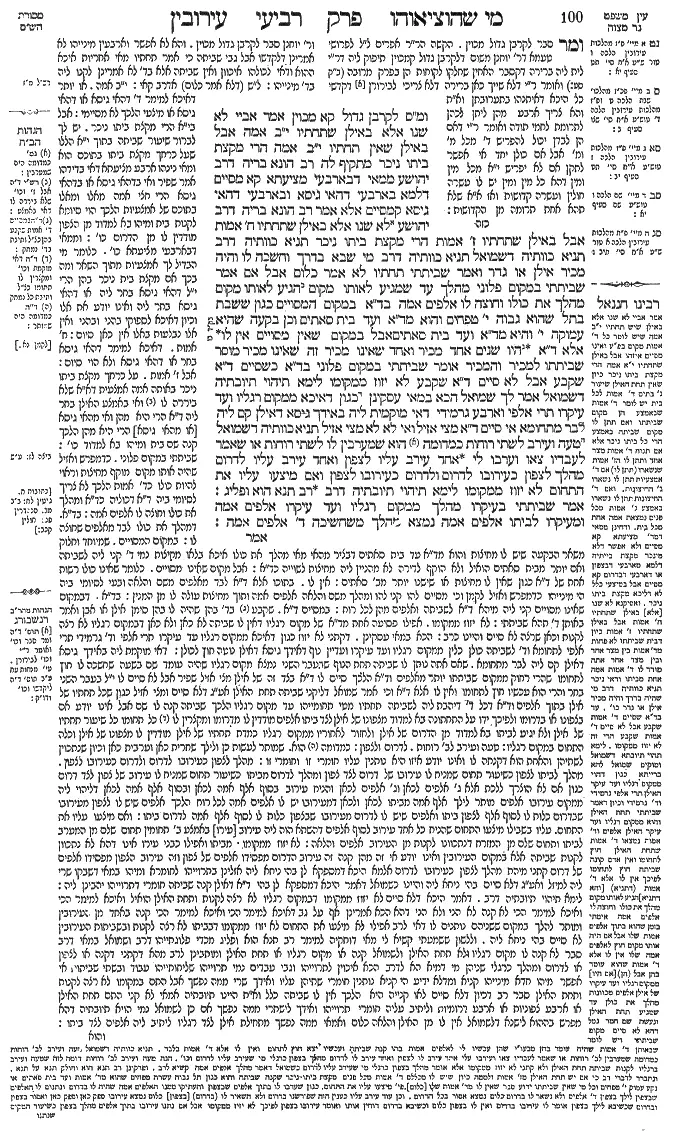
Eruvin 50b - Guemara
ומ"ס לקרבן גדול קא מכוין אמר אביי לא שנו אלא באילן שתחתיו י"ב אמה אבל באילן שאין תחתיו י"ב אמה הרי מקצת ביתו ניכר מתקיף לה רב הונא בריה דרב יהושע ממאי דבארבעי מציעתא קא מסיים דלמא בארבעי דהאי גיסא ובארבעי דהאי גיסא קמסיים אלא אמר רב הונא בריה דרב יהושע לא שנו אלא באילן שתחתיו ח' אמות אבל באילן שתחתיו ז' אמות הרי מקצת ביתו ניכר תניא כוותיה דרב תניא כוותיה דשמואל תניא כוותיה דרב מי שבא בדרך וחשכה לו והיה מכיר אילן או גדר ואמר שביתתי תחתיו לא אמר כלום אבל אם אמר שביתתי במקום פלוני מהלך עד שמגיע לאותו מקום הגיע לאותו מקום מהלך את כולו וחוצה לו אלפים אמה בד"א במקום המסויים כגון ששבת בתל שהוא גבוה י' טפחים והוא מד"א ועד בית סאתים וכן בקעה שהיא עמוקה י' והיא מד"א ועד בית סאתים אבל במקום שאין מסויים אין לו אלא ד"א היו שנים אחד מכיר ואחד שאינו מכיר זה שאינו מכיר מוסר שביתתו למכיר והמכיר אומר שביתתי במקום פלוני בד"א כשסיים ד"א שקבע אבל לא סיים ד"א שקבע לא יזוז ממקומו לימא תיהוי תיובתיה דשמואל אמר לך שמואל הכא במאי עסקינן כגון דאיכא ממקום רגליו ועד עיקרו תרי אלפי וארבע גרמידי דאי מוקמית ליה באידך גיסא דאילן קם ליה לבר מתחומא אי סיים ד"א מצי אזיל ואי לא לא מצי אזיל תניא כוותיה דשמואל טעה ועירב לשתי רוחות כמדומה הוא שמערבין לו לשתי רוחות או שאמר לעבדיו צאו וערבו לי אחד עירב עליו לצפון ואחד עירב עליו לדרום מהלך לצפון כעירובו לדרום ולדרום כעירובו לצפון ואם מיצעו עליו את התחום לא יזוז ממקומו לימא תיהוי תיובתיה דרב רב תנא הוא ופליג:
אמר שביתתי בעיקרו מהלך ממקום רגליו ועד עיקרו אלפים אמה ומעיקרו לביתו אלפים אמה נמצא מהלך משחשיכה ד' אלפים אמה:
Comments from Rashi on Masechet Eruvin Page 50b
ור' יוחנן סבר לקרבן גדול מכוין . והא לא אפשר וארבעין מינייהו לא אמרינן דלקדשו אבל גבי שביתה כי אמר תחתיו מאי אחריות איכא ההוא ודאי לכולהו איכוון ואין שביתה אלא בד' לא אמרינן לקנו ליה בד' מינייהו: ל"ש . (דלא אמר כלום) אדרב קאי: י"ב אמה . או יותר דאיכא למימר ד' דהאי גיסא או דהאי גיסא או מיצעי הלכך לא מסיימי: אבל בי"א הרי מקצת ביתו ניכר . יש לך לברור שיעור שביתה בתוך י"א הללו שעל כרחך מקצת ביתו בתוכם הוא ומאי נינהו ארבע מציעתא דאי בדידהו אמר שפיר ואי בדהאי גיסא או בדהאי גיסא הרי חצי אמה מאלו ומאלו בתוכם של אמצעיות הלכך הוי סיומא לקנות בית ומיהו בא למדוד מן הצפון מודדין לו מן הדרום כו': וממאי דבארבעי מציעתא כו' . כלומר מי הבדיל לך אמצעיות מתוך השאר ומה בכך אם מקצת בית ניכר בהן הרי י"ל דהאי גיסא בחר ליה או דהאי גיסא בחר ליה ואינו יודע את אלו וכיון דאיכא לספוקי בהני ובהני ואין אלו נבלעות באלו אין כאן סיום: ח' אמות . דאיכא למימר דהאי גיסא בחר או דהאי גיסא ולא הוי סיום: אבל ז' אמות . על כרחך מקצת ביתו ניכר באותה אמה אמצעית דא"א שלא ביררה לו ואי באמצע האילן בחר ליה ד"א הרי היא מהן ואי מהאי גיסא [או מהאי גיסא] הרי היא מהן הלכך קנה שם בית ומיהו בא למדוד כו': שביתתי במקום פלוני . כדמפרש ואזיל שהיה אותו מקום מוקף מחיצות וראוי להיות כולו כד' אמות הלכך לא צריך לסיומי ביה ד"א דכוליה כד"א ומהלך את כולו וחוצה לו אלפים אמה: בד"א . דמהלך את כולו לבד מאלפים שחוצה לו: במקום המסויים . שמיוחד וחלוק משאר הבקעה שיש לו מחיצות והוא מד"א עד בית סאתים דבציר מהאי מאי מהלך את כולו איכא בלאו מחיצות נמי ד' קני ליה לשביתה ואם יותר מבית סאתים הואיל ולא הוקף לדירה לא מהניין ליה מחיצות לשוייה כד"א: אבל מקום שאינו מסויים . כלומר שאינו כולו רשות אחת של ד"א כגון שאין לו מחיצות או שישנו יותר מב' סאתים: אין לו . בתוכו אלא ד"א לבד מאלפים משם והלאה ובעי לסיומי ביה הי מינייהו כדמפרש ואזיל לקמן וכי מסיים להו קני להו ומהלך משם והלאה אלפים אמה ותוך מחיצות עולה לו מן המנין: בד"א . דבמקום שאינו מסויים קני ליה מיהא ד"א לשביתה ואלפים מהן לכל רוח: במסיים ד"א . שקבע בד' בהן שהיה לו בהן סימן אילן או אבן ואמר באותן ד' תהא שביתתי: לא יזוז ממקומו . אפילו פסיעה אחת מד"א של מקום רגליו דאין לו שביתה לא כאן ולא כאן דבמקום רגליו לא רצה לקנות וכאן שרצה לא סיים והיינו כרב: הכא במאי עסקינן . דקתני לא יזוז כגון דאיכא ממקום רגליו עד עיקרו תרי אלפי וד' גרמידי תרי אלפי לתחומא וד' לשביתה כולן כלין ממקום רגליו ועד עיקרו ועדיין נוף דאידך גיסא דאילן נוטה חוץ לכולן: דאי מוקמת ליה באידך גיסא דאילן קם ליה לבר מתחומא . שאם אתה נותן לו שביתה תחת הנוף שבעבר השני נמצא מקום רגליו שהיה עומד שם בשעה שחשכה לו חוץ לתחומו שהרי רחוק ממקום שביתתו יותר מאלפים וד"א הלכך סיים לו ד"א בצד זה של אילן מצי אזיל שפיר אבל לא סיים לו י"ל בעבר השני בחר והרי הוא עכשיו חוץ לתחומו ואין לו אלא ד"א וכי אמר שמואל דליקני שביתה תחת האילן אע"ג דלא סיים ומצי אזיל כגון שכל תחתיו של אילן בתוך אלפים וד"א דכל ד' דיהבת ליה לשביתה תחתיו מטי תחומייהו עד מקום רגליו הלכך שביתה קנה לו שם אבל אינו יודע אם בצפונו או בדרומו ולפיכך ידו על התחתונה בא למדוד מצפונו של אילן לצד ביתו אלפים מודדין לו מדרומו ומקצרין לו כל תחומו כל שיעור תחתיו של אילן ולא יגיע לביתו בא למדוד מן הדרום של אילן ולחזור לאחוריו ממקום רגליו כמדת תחתיו של אילן מודדין לו מצפונו של אילן וכלה התחום במקום רגליו: טעה ועירב לב' רוחות . לדרום ולצפון: כמדומה הוא . שמותר לעשות כן ולילך שחרית כאן וערבית כאן וכיון שנתכוין לשתיהן והאחת הוא דקנתה לו ואינו יודע איזו היא נותנין עליו חומרי זו וחומרי זו: מהלך לצפון כעירובו לדרום ולדרום כעירובו לצפון . מהלך לביתו לצפון כשיעור תחום שמניח לו עירובו של דרום לצד צפון ומהלך לדרום מביתו כשיעור תחום שמניח לו עירוב של צפון לצד דרום כגון אם לא הוצרך ללכת אלא ג' אלפים לכאן וג' אלפים לכאן והניח עירוב בסוף אלף אמה לכאן ובסוף אלף אמה לכאן דליהוי ליה ממקום עירובו אלפים מותר לילך אלף אמה מביתו לכאן ולכאן דמעירובו יש לו אלפים אמה לכל רוח הלכך אלפים שיש לו לצפון מעירובו שבדרום כלות לו לסוף אלף לצפון ביתו ואלפים שיש לו לדרום מעירובו שבצפון כלות לו לסוף אלף אמה לדרום ביתו: ואם מיצעו עליו את התחום . עליו בשבילו מיצעו התחום שהניח כל אחד עירוב לסוף אלפים דהשתא הוה ליה עירוב [עירו] באמצע ב' תחומין תחום שלם מן המערב לביתו ותחום שלם מן המזרח דנתכוונו לקנות מן העירוב אלפים והלאה: לא יזוז ממקומו . מביתו ואפילו כבני עירו אינו דהא לא נתכוון לקנות שביתה אלא במקום העירובין ואינו יודע אי זה מהן קנה זה עירוב הדרום מפסידו אלפים של צפון וזה עירוב הצפון מפסידו אלפים של דרום קתני מיהת מהלך לצפון כעירובו לדרום אלמא היכא דמספקא לן בהי ניחא ליה אזלינן בתרוייהו לחומרא ומיהו במאי דשבקו שרי ליה למיזל ואע"ג דלא סיים בהי ניחא ליה והיינו כשמואל דאמר היכא דמספקא לן בהי ד"א דאילן קנה שביתה חומרי דתרוייהו יהבינן ליה: לימא תיהוי תיובתיה דרב . דאמר היכא דלא סיים לא יזוז ממקומו דבמקום רגליו לא רצה לקנות ותחת האילן הואיל ואיכא למימר הכי ואיכא למימר הכי לא קנה לא הני ולא הני דהא הכא אמרינן אף על גב דאיכא למימר הכי ואיכא למימר הכי קנה באחד מן העירובין ומותר להלך במקום ששניהם נותנים לו דאי לרב אפילו לא מיצעו את התחום לא יזוז ממקומו דבביתו לא רצה לקנות ובשביתות העירובין לא סיים בהי ניחא ליה. וללשון ששמעתי קשיא לי מאי דוחקיה למימר רב תנא הוא ופליג מכדי פלוגתייהו דרב ושמואל במאי דרב סבר לא קנה לו מקום רגליו ולא תחת האילן ולשמואל קנה או מקום רגליו או תחת האילן ומותבינן לרב מהא דקתני דקנה או לצפון או לדרום ומהלך כרגלי שניהן מי דמיא הא לדרב: הכא איכוין לתרוייהו וגבי עבדים נמי תרוייהו שליחותייהו עבוד ובשתי שביתות אי אפשר מיהו חדא מינייהו קניא ומדלא ידיע הי קניא נותנין חומרי שתיהן עליו ואידך שרי ממה נפשך אבל התם במקומו לא רצה לקנות ותחת האילן סבר רב דכיון דלא סיים לאו קנייה היא הלכך אין לו שביתה כלל וא"ת היינו תיובתיה אמאי לא קני התם תחת האילן או ארבע צפוניות או ארבע דרומיות וליתיב עליה חומרי תרוייהו ואידך לישתרי ממה נפשך אם כן לשמואל נמי הויא תיובתיה דהא מפרש בההוא לישנא דלשמואל אין לו מן האילן והלאה כלום ואמאי ממה נפשך מתחילת אילן לצד רגליו ליתיב ליה אלפים לצד ביתו:
Comments from Tosafot - Eruvin 50b
ומר סבר לקרבן גדול מכוין . הקשה הר"ר אפרים ל"ל לפרושי טעמא דר' יוחנן משום דלקרבן גדול קמכוין תיפוק ליה דר"י לית ליה ברירה דקסבר האחין שחלקו לקוחות הן בפרק מרובה (ב"ק סט:) ואומר ר"י דלא שייך כאן ברירה דלא צריכי לבירורן דקדשי כל היכא דאיתנהו בתערובתן וא"ת והא צריך ארבע מהן ליתן לכהן לתרומת לחמי תודה ואומר ר"י דאם הן לבדן יכול להפריש ד' מכל מ' ומ' אבל אם כולן יחד אי אפשר לתקן אם לא יפריש י"א מכל מין ומין דהא כל מין ומין יש לו עשרה חולין ועשרה קדושות ואז א"א שלא תהא אחת תרומה מן הקדושות:
Eruvin 50b - Mishnah translated into english
And the other Sage, Rabbi Yoḥanan, maintains: He intends to bring a large offering of eighty loaves, and therefore none of the loaves are consecrated.
Abaye said: They only taught Rav’s ruling that one cannot establish residence beneath a tree without precisely defining a particular location, with regard to a tree beneath which there are at least twelve cubits. However, with regard to a tree beneath which there are not twelve cubits, he can establish residence there, as at least part of his residence is conspicuous. In that case, there is a partial overlap between the middle four cubits beneath the tree and the four cubits nearest him and the four cubits farthest from him, and consequently each necessarily contains at least part of his residence.
Rav Huna, son of Rav Yehoshua, strongly objects to this: From where is it ascertained that he designates his residence in the four middle cubits, so that there is a partial overlap with both the nearest and the farthest cubits; perhaps he designates it in the four cubits on this side or in the four cubits on the other side? Since he does not know which location he designated as his residence, he did not establish residence anywhere beneath the tree.
Rather, Rav Huna, son of Rav Yehoshua, said: Abaye’s statement must be emended. They taught this only with regard to a tree that has at least eight cubits beneath it. However, with regard to a tree that has only seven cubits beneath it, even if one did not establish a particular location, he acquires residence, as at least part of his residence is conspicuous, as any four cubits must include at least one cubit of his residence.
With regard to the dispute between Rav and Shmuel, the Gemara notes that one baraita was taught in accordance with the opinion of Rav and another baraita was taught in accordance with the opinion of Shmuel.
The Gemara elaborates. A baraita was taught in accordance with the opinion of Rav: With regard to one who was coming along the way on Shabbat eve, and it grew dark while he was traveling, and he was familiar with a tree or a fence within two thousand cubits of his current location, and he said: My residence is beneath that tree, he has not said anything of legal consequence. However, if he said: My residence is in such-and-such place, he walks until he reaches that place. Once he reached that place that he established as his residence, he walks through all of it and another two thousand cubits beyond it.
In what case are these matters, that he establishes four cubits as his residence, and another two thousand cubits in each direction, stated? In a case where he selected a well-defined, clearly demarcated place, i.e., a case where he established residence on a mound ten handbreadths high, and its area ranges from a minimum of four cubits to a maximum of two beit se’a.
And, likewise, that is the halakha when he establishes residence on a plain ten handbreadths deeper than the surrounding area, and its area ranges from a minimum of four cubits to a maximum of two beit se’a. However, if he selected a place that is not defined, e.g., in the middle of a plain, he does not establish residence, and accordingly he has only four cubits in which to move.
If two people were walking together, one of whom is familiar with a particular location in the distance, and one of whom is not familiar with it, the one who is not familiar with it entrusts his right to designate his residence to the one who is familiar with it, and the one who is familiar with it says: My residence is in such-and-such place.
In what case are these matters, that he acquires four cubits as his residence and another two thousand cubits in each direction, stated? In a case where he defined the four cubits that he seeks to establish as his residence. However, if he did not define the four cubits that he seeks to establish as his residence, he may not move from his current place, as neither did he seek to establish residence there, nor did he acquire it in the location he sought to establish residence. This baraita is in accordance with the opinion of Rav that one who fails to designate the four cubits he seeks to establish as residence has no residence at all.
Gemara poses a question: Let us say that this baraita is a conclusive refutation of the opinion of Shmuel? The Gemara answers: There is no difficulty, as Shmuel could have said to you: With what are we dealing here? We are dealing with a special case, where from the place he is standing to the trunk of the tree there is a distance of two thousand and four cubits, so that if you were to establish residence on the other side of the tree, it would be situated outside his Shabbat limit.
Consequently, if he designated his four cubits on the near side of the tree he may go there; and if not, he may not go from the place he is standing. In other words, since he did not establish residence in a particular location, the concern is that he sought to establish it beyond his two thousand cubit limit.
A baraita was taught in accordance with the opinion of Shmuel. If one erred and established an eiruv in two directions at once, for example, if in his ignorance he imagined that it is permitted to establish an eiruv in two directions, that he may extend the distance that he may walk on Shabbat in two opposite directions, or if he said to his servants: Go out and establish an eiruv for me, without specifying the direction, and one established an eiruv for him to the north, and one established an eiruv for him to the south, he may walk to the north as far as he is permitted go based on his eiruv to the south, and he may walk to the south as far as he is permitted go based on his eiruv to the north. In other words, the assumption is that he established residence in both directions based on the eiruv in each direction, and he must therefore take both into consideration before moving.
And consequently, if each eiruv was placed two thousand cubits in opposite directions placing him in the middle of the limit, he may not move from his current location, as it is prohibited to venture beyond either limit. Apparently, even if one did not establish residence in a particular location, as in this case he has acquired residence in both places, nonetheless, the halakha is that residence has been established in his current location, in accordance with the opinion of Shmuel.
The Gemara poses a question: Let us say that this baraita is a conclusive refutation of the opinion of Rav? The Gemara answers: This baraita indeed differs with Rav’s ruling. Nevertheless, his opinion is not disqualified, as Rav himself had tanna status and therefore, unlike later amora’im, could disagree with opinions of tanna’im.
We learned in the mishna that if, however, he said: My residence is at the trunk of the tree, he established residence there, and he may walk from the place that he is standing to the trunk of the tree, up to two thousand cubits, and from the trunk of the tree to his house another two thousand cubits. Ultimately, he may walk after nightfall a total distance of four thousand cubits.
Traduction : The William Davidson digital edition of the Koren Noé Talmud, with commentary by Rabbi Adin Even-Israel Steinsaltz.