 Talmud Bavli
Eruvin 12b : Youtube
Rabi Yitzchok LobensteinYoutube
2 video classes :
Eruvin Page 12b
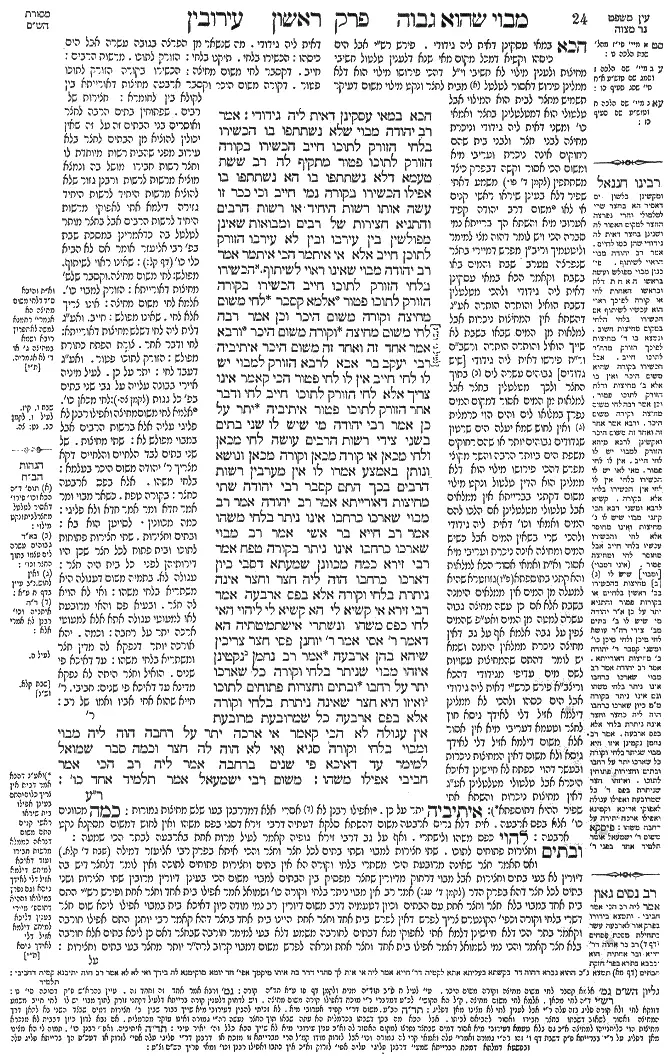
Eruvin 12b - Guemara
הכא במאי עסקינן דאית ליה גידודי:
אמר רב יהודה מבוי שלא נשתתפו בו הכשירו בלחי הזורק לתוכו חייב הכשירו בקורה הזורק לתוכו פטור מתקיף לה רב ששת טעמא דלא נשתתפו בו הא נשתתפו בו אפילו הכשירו בקורה נמי חייב וכי ככר זו עשה אותו רשות היחיד או רשות הרבים והתניא חצירות של רבים ומבואות שאינן מפולשין בין עירבו ובין לא עירבו הזורק לתוכן חייב אלא אי איתמר הכי איתמר אמר רב יהודה מבוי שאינו ראוי לשיתוף הכשירו בלחי הזורק לתוכו חייב הכשירו בקורה הזורק לתוכו פטור אלמא קסבר לחי משום מחיצה וקורה משום היכר וכן אמר רבה לחי משום מחיצה וקורה משום היכר ורבא אמר אחד זה ואחד זה משום היכר איתיביה רבי יעקב בר אבא לרבא הזורק למבוי יש לו לחי חייב אין לו לחי פטור הכי קאמר אינו צריך אלא לחי הזורק לתוכו חייב לחי ודבר אחר הזורק לתוכו פטור איתיביה יתר על כן אמר רבי יהודה מי שיש לו שני בתים בשני צידי רשות הרבים עושה לחי מכאן ולחי מכאן או קורה מכאן וקורה מכאן ונושא ונותן באמצע אמרו לו אין מערבין רשות הרבים בכך התם קסבר רבי יהודה שתי מחיצות דאורייתא אמר רב יהודה אמר רב מבוי שארכו כרחבו אינו ניתר בלחי משהו אמר רב חייא בר אשי אמר רב מבוי שארכו כרחבו אינו ניתר בקורה טפח אמר רבי זירא כמה מכוונן שמעתא דסבי כיון דארכו כרחבו הוה ליה חצר וחצר אינה ניתרת בלחי וקורה אלא בפס ארבעה אמר רבי זירא אי קשיא לי הא קשיא לי ליהוי האי לחי כפס משהו ונשתרי אישתמיטתיה הא דאמר ר' אסי אמר ר' יוחנן פסי חצר צריכין שיהא בהן ארבעה אמר רב נחמן נקטינן איזהו מבוי שניתר בלחי וקורה כל שארכו יתר על רחבו ובתים וחצרות פתוחים לתוכו ואיזו היא חצר שאינה ניתרת בלחי וקורה אלא בפס ארבעה כל שמרובעת מרובעת אין עגולה לא הכי קאמר אי ארכה יתר על רחבה הוה ליה מבוי ומבוי בלחי וקורה סגיא ואי לא הוה לה חצר וכמה סבר שמואל למימר עד דאיכא פי שנים ברחבה אמר ליה רב הכי אמר חביבי אפילו משהו:
משום רבי ישמעאל אמר תלמיד אחד כו':
Comments from Rashi on Masechet Eruvin Page 12b
דאית ליה גידודי . מה שנשאר מן הפרצה בגובה עשרה אבל הים כיסהו: הכשירו בלחי . תיקנו בלחי: הזורק לתוכו . מרה"ר: חייב . דקסבר לחי משום מחיצה: הכשירו בקורה הזורק לתוכו פטור . דקורה משום היכר וקסבר ארבעה מחיצות דאורייתא בין לקולא בין לחומרא: חצירות של רבים . שפתוחין בתים הרבה לחצר ואוסרים בני הבתים זה על זה שאין יכולין להוציא מן הבתים לחצר בלא עירוב מפני שהבית רשות מיוחדת לו וחצר רשות חבירו מושל בה ונמצא מוציא מרשות לרשות ורבנן גזור שלא להוציא מרשות היחיד לרשות היחיד גזירה דילמא אתי לאפוקי מרשות היחיד לרשות הרבים אבל בחצר מותר לטלטל בה כדאמרינן במסכת שבת בפ' רבי אליעזר אומר אם לא הביא כלי כו' (ד' קל:): שאינו ראוי לשיתוף . מפולש: לחי משום מחיצה . וקסבר שלש' מחיצות דאורייתא: הזורק למבוי כו' . אלמא לחי משום מחיצה: אינו צריך אלא לחי . שאינו מפולש: חייב . ואע"ג דלית ליה לחי דשלש מחיצות דאורייתא: לחי ודבר אחר . צורת הפתח כתורת מפולש: הזורק לתוכו פטור . ואע"ג דעבד לחי: יתר על כן . לעיל מיניה איירי בבונה עלייה על גבי שני בתים בפרק כל גגות (לקמן עירובין צה.): לחי מכאן כו' . אלמא לחי משום מחיצה ואפילו רבנן לא פליגי עליה אלא ברשות הרבים אבל במבוי מפולש. לא: שתי מחיצות . של שני בתים לבד הלחיים והלחיים דקא מצריך ר' יהודה משום היכר בעלמא: בלחי משהו . אלא בפס ד' כחצר: בקורה טפח . כשאר מבוי ומר אמר חדא ומר אמר חדא ולא פליגי: כמה מכוונין . לסייען הוא בא: ובתים וחצירות . שתי חצירות פתוחות לתוכו ובית פתוח לכל חצר שכן היו דירותיהן לפני כל בית היה חצר: עגולה לא . בתמיה משום דעגולה היא משתריא בלחי משהו: ואי לא הויא לה חצר . ובעיא פס והאי מרובעת לאו למעוטי עגולה אתא אלא למעוטי ארכה יתר על רחבה: וכמה . יהא אורכה יותר דנפקא לה מדין חצר ומשתריא בלחי משהו: עד דאיכא פי שנים . הואיל וחצר היתה לא נפקא מדינא עד דאיכא פי שנים: חביבי . ר' חייא שהוא אחי אביו ואמו של רב:
Comments from Tosafot - Eruvin 12b
הכא במאי עסקינן דאית ליה גידודי . פירש רש"י אבל הים כיסהו וקשיא דמכל מקום מאי שנא דלענין טלטול חשיבי מחיצות ולענין מילוי לא חשיבי וי"ל דהכי פירושו מילוי הוא דלא ממלינן פירוש דאסור לטלטל מבית לחצר ונקט מילוי משום דעיקר תשמיש מחצר לבית הוא המילוי אבל טלטולי הוא דמטלטלינן בחצר ואמאי כו' ומשני דאית ליה גידודי וניכרת מחיצה לבני חצר ולבני בית שהם רחוקים אינה ניכרת ועריבי מיא ומשום הכי אסור וקשה דבפרק כיצד משתתפין (לקמן עירובין ד' פו.) משמע דאתי שפיר דלא בעינן שיראו ראשי קנים אי לאו משום דרב יהודה קפיד אערובי מיא והשתא הך ברייתא נמי סברה הכי ויש לומר דהוה מצי למימר וליטעמיך וריב"ן מפרש דמיירי בחצר שנפרצה מערב שבת והמים באו בשבת וקאמר הכא במאי עסקינן דאית ליה גידודי ולהכי מטלטלין דשבת הואיל והותרה הותרה אע"ג דהשתא אין המחיצות ניכרות אבל למלאות מן המים שבאו בשבת לא שייך הואיל והותרה הותרה ורשב"ם ור"ת פירשו דאית ליה גידודי [שיש גדודים] גבוהים עשרה לים בתוך החצר ולכך מטלטלין בחצר אבל למלאות מן המים אסור דמקום המים נפרץ במלואו לים והים הוי כרמלית ואין לחוש שמא יעלה הים שרטון שגדודים גבוהים יותר או שהם רחוקים משפת הים ביותר הרבה והשר מקוצי מפרש דהכי פירושו מילוי הוא דלא ממלינן הוא הדין טלטול ונקט מילוי משום דקתני בברייתא אין ממלאים אבל טלטולי מטלטלינן אם הלכו להם המים ואמאי וכו' דאית ליה גידודי ולהכי שרי בשאין המים אבל כשיש המים ומחיצה אינה ניכרת ועריבי מיא אסור וא"ת ואמאי אסור הכא למלאות והא קתני בתוספתא (פ"ו) גזוזטרא שהיא למעלה מן המים אין ממלאים הימנה בשבת אלא אם כן עשה מחיצה גבוה עשרה למטה מן המים ואע"פ שהמים צפין על גבה אלמא אף על גב דאין מחיצה ניכרת ממלאין הימנה ושמא יש לומר דהתם שהמחיצות עשויות לשם מים עדיפי מגידודי דהכא וריצב"א פירש כרש"י דאית ליה גידודי אבל הים כסהו ולהכי לא ממלינן דילמא אזיל דלי לאידך גיסא חוץ לחצר וטעמא דעריבי מיא אין אסור אלא משום דילמא אזיל דלי לאידך גיסא ולא משום דאין המחיצות ניכרות ובעשר דהוי כפתח לא חיישינן דאיכא היכרא אבל טלטולי מטלטלינן אע"ג דאין מחיצות ניכרות והשתא אתי שפיר ההיא דתוספתא): איתיביה יתר על כן . ואפילו רבנן לא אסרי אלא דמדרבנן בעו שלש מחיצות גמורות: כמה מכוונים כו' אלא בפס ארבעה . אית דלא גריס ארבעה משום דהשתא סלקא דעתיה דרבי זירא דסגי בפס משהו ואין לחוש דמשום מסקנא נקט ארבעה: להוי כפס משהו ולישתרי . ואף על גב דרבי זירא גופיה קאמר לעיל מרוח אחת בארבעה לבתר הכי שמעה: ובתים וחצירות פתוחים לתוכו . שתי חצירות למבוי ושתי בתים לכל חצר וחצר והכי איתא בפרק רבי אליעזר דמילה (שבת ד' קלא.) ואם תאמר חצר שאינה מרובעת היכי משתרי בלחי וקורה הא אין בתים וחצירות פתוחים לתוכה ואין לומר דלחצר דיש בה דיורין לא בעי בתים וחצירות אבל מבוי דרחוק מדיורין שחצר מפסיק בין הבתים למבוי משום הכי בעינן דיורין מרובין שתי חצירות ושני בתים לכל חצר דהא בפרק הדר (לקמן עירובין ד' עג:) אמר רב אין מבוי ניתר בלחי וקורה כו' ושמואל אמר אפילו בית אחד וחצר אחת ופירש רש"י התם בית אחד במבוי בלא חצר וחצר אחת עם הבתים וכיון דטעמיה דרב משום דיורין רב נמי מודה כיון דאיכא בית במבוי אפילו ליכא שום חצר דשרי בלחי וקורה וכפי' הקונטרס צריך לפרש דאין לפרש בית אחד וחצר אחת היינו בית אחד בחצר דהא קאמר רבי יוחנן התם אפילו חורבה וקאמר בתר הכי דלא חיישינן דלמא אתי לאפוקי מנא דבתים לחורבה משמע דלא בעי למימר חורבה שבחצר דאם כן ליכא בתים אלא חורבה בלא חצר קאמר והכי נמי לשמואל דאמר אפילו בית אחד וחצר אחת ונראה לפרש משום דמבוי קרוב לרה"ר יותר מחצר בעי בתים וחצירות:
Eruvin 12b - Mishnah translated into english
The Gemara answers: With what are we dealing here in this baraita? It is a case where the wall has not been fully breached, but rather remnants of the wall remain on each side (Rabbeinu Ḥananel; Rif).
Rav Yehuda said: If several courtyards open onto a common alleyway, the residents of the houses in the courtyards are prohibited to carry in the alleyway, unless the alleyway is rendered fit for one to carry within it by placing a side post or a cross beam at its entrance, and by the inhabitants of each courtyard placing food in a common area for the duration of Shabbat, symbolically converting the entire alleyway into a single household. It is prohibited to carry in an alleyway that the residents did not merge. Nevertheless, if the alleyway was rendered fit by means of a side post placed at its entrance, one who throws an object into it from the public domain is liable; the side post functions as a partition, and the alleyway is deemed a full-fledged private domain. If, however, the alleyway was rendered fit by means of a cross beam, one who throws an object into it from the public domain is exempt; the cross beam functions only as a conspicuous marker. It is not considered a partition that renders the alleyway a private domain.
Rav Sheshet strongly objects to this due to the following: The reason that one is exempt in the latter case is due to the fact the residents of the alleyway did not merge. By inference, if they did in fact merge, one would be liable even if the alleyway was rendered fit by way of a cross beam. This, however, is difficult. One can ask: Does this loaf, through which the residents joined together to form a single household, render the alleyway a private domain or a public domain?
But wasn’t it taught in a baraita: Courtyards shared by many and alleyways that are not open on two opposite sides, whether the residents established an eiruv or did not establish an eiruv, one who throws an object into them from the public domain is liable. This seems to contrary to Rav Yehuda’s statement.
Rather, if it was stated, it was stated as follows. Rav Yehuda said: In the case of an alleyway that is not fit for merging, i.e., an alleyway that is open on two opposite sides, if the alleyway was rendered fit for one to carry within it by means of a side post, one who throws an object into it from the public domain is liable. In that case, the side post is considered a third partition, and since the alleyway is closed on three sides it is deemed a private domain. If, however, the alleyway was rendered fit for one to carry within in by means of a cross beam, one who throws an object into it is exempt.
Apparently, Rav Yehuda holds that a side post functions as a partition, whereas a cross beam functions as a conspicuous marker but is not considered a partition. And, so too, Rabba said: A side post functions as a partition, whereas a cross beam functions as a conspicuous marker. But Rava said: Both this, the side post, and that, the cross beam, function as a conspicuous marker.
Rabbi Ya’akov bar Abba raised an objection to Rava from the following baraita: One who throws an object from the public domain into an alleyway, if the alleyway has a side post, he is liable; if it does not have a side post he is exempt. This shows that a side post is considered a proper partition.
Rava replied: This is what the baraita is saying: If the alleyway is closed on one side such that it requires only a side post in order to permit carrying within in, one who throws an object into it from the public domain is liable because the alleyway already has three partitions and is therefore a proper private domain according to Torah law. However, if the alleyway requires a side post and something else in order to permit carrying within it, one who throws an object into it from the public domain is exempt because the alleyway has only two partitions and is therefore not considered a private domain.
He raised an additional objection to Rava from the following baraita. Furthermore, Rabbi Yehuda said: The halakha is as follows with regard to one who has two houses opposite each other on two sides of the public domain, if he chooses, he may create a private domain for himself in the area of the public domain. He may place a ten-handbreadth high side post from here, perpendicular to the public domain. This creates a symbolic wall which, in the halakhot of alleyways, has the legal status of a wall. And, he may place an additional post from here, on the other side, and that has the same legal status as if he closed the public domain on all of its sides. Or, he can implement a different solution appropriate for alleyways by placing a beam extending from here, from one end of one house, to the end of the house opposite it. This creates a symbolic partition across the width of the street. And, he may place a beam extending from here, from the other side of the house. According to Rabbi Yehuda, in that way, one is permitted to carry objects and place them in the area between the symbolic partitions, as he would in a private domain.
The Rabbis said to him: One may not place an eiruv in the public domain in that way. One who seeks to transform a public domain into a private domain must place actual partitions. Apparently, according to Rabbi Yehuda, the side posts function as partitions in the public domain, creating a private domain between the two houses. It follows from this that a side post is in fact deemed a proper partition, contrary to Rava’s statement.
The Gemara answers: This is not the reason behind Rabbi Yehuda’s statement. Rather, there Rabbi Yehuda holds that by Torah law two partitions suffice to constitute a private domain, and he requires side posts only as a conspicuous marker. Therefore, Rava’s position cannot be disproved from this source either.
Rav Yehuda said that Rav said: Unlike other alleyways, carrying within an alleyway whose length is equal to its width is not permitted by means of a side post of minimal width. Like a courtyard, carrying within it is permitted only by means of an upright board four handbreadths wide. Rav Ḥiyya bar Ashi said in the name of Rav: Carrying within an alleyway whose length is equal to its width is not permitted by a cross beam with the width of a handbreadth.
Rabbi Zeira said: How precise are the traditions of the Elders. He explains: Since the length of the alleyway is equal to its width, it is regarded like a courtyard, and carrying within a courtyard is not permitted by means of a side post or a cross beam, but only by means of an upright board of four handbreadths.
Rabbi Zeira said: Nonetheless, if this issue is difficult for me to understand, this is my difficulty: Let this side post be considered like an upright board of minimal width and permit carrying within the alleyway, just as an upright board permits carrying in a breached courtyard.
The Gemara explains that this is incorrect, as that which Rabbi Asi said that Rabbi Yoḥanan said escaped Rabbi Zeira’s attention: The upright boards of a courtyard must be four handbreadths wide, whereas a side post may be of minimal size.
Rav Naḥman said: We have a tradition that states: What is the type of alleyway in which carrying is permitted by means of a side post or a cross beam? Any alleyway whose length is greater than its width and has houses and courtyards opening into it. And what is the type of courtyard in which carrying is not permitted by means of a side post or a cross beam, but by an upright board of four handbreadths? Any courtyard that is square.
The Gemara wonders: If it is square, then yes, is it considered a courtyard? If it is round, no, is it not considered a courtyard? The Gemara makes a correction: This is what it is saying: If its length is greater than its width, it is considered an alleyway, and for an alleyway a side post or a cross beam suffices; but if its length is not greater than its width, i.e., it is square, it is considered a courtyard.
The Gemara asks: And by how much must its length exceed its width so that it can be considered an alleyway? Shmuel thought at first to say: It is not considered an alleyway unless its length is double its width, until Rav said to him: My uncle [ḥavivi], Rav Ḥiyya, said this: Even if its length is greater than its width by only a minimal amount, the halakhot of an alleyway apply to it.
We learned in the mishna: A certain disciple said before Rabbi Akiva in the name of Rabbi Yishmael, etc.
Traduction : The William Davidson digital edition of the Koren Noé Talmud, with commentary by Rabbi Adin Even-Israel Steinsaltz.