 Talmud Bavli
Eruvin 9b : Youtube
Rabi Yitzchok LobensteinYoutube
2 video classes :
Eruvin Page 9b
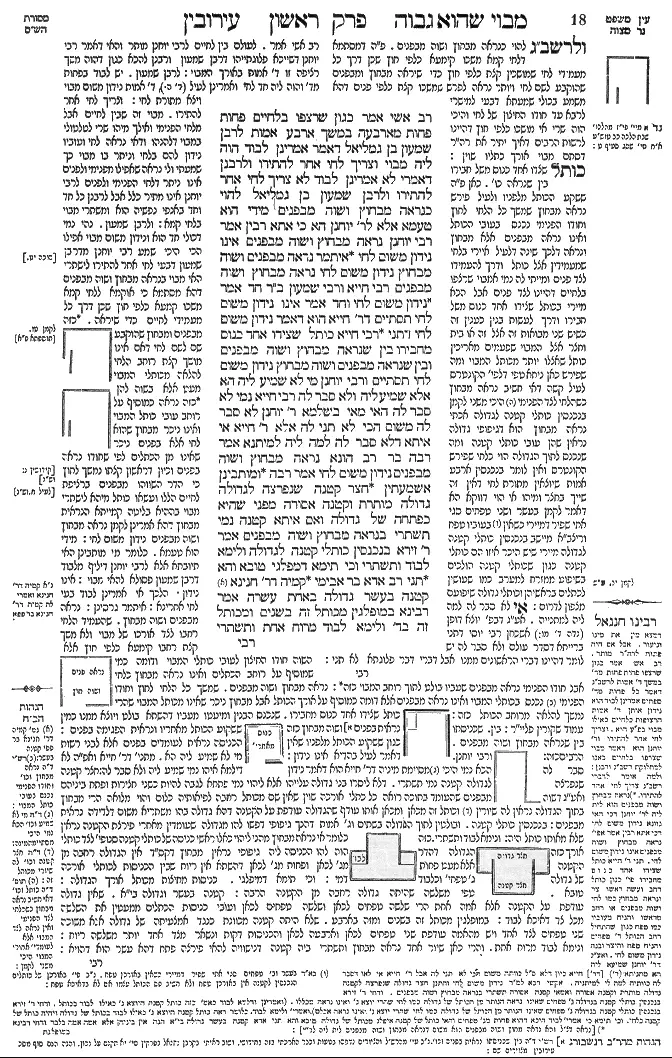
Eruvin 9b - Guemara
רב אשי אמר כגון שרצפו בלחיים פחות פחות מארבעה במשך ארבע אמות לרבן שמעון בן גמליאל דאמר אמרינן לבוד הוה ליה מבוי וצריך לחי אחר להתירו ולרבנן דאמרי לא אמרינן לבוד לא צריך לחי אחר להתירו ולרבן שמעון בן גמליאל להוי כנראה מבחוץ ושוה מבפנים מידי הוא טעמא אלא לר' יוחנן הא כי אתא רבין אמר רבי יוחנן נראה מבחוץ ושוה מבפנים אינו נידון משום לחי איתמר נראה מבפנים ושוה מבחוץ נידון משום לחי נראה מבחוץ ושוה מבפנים רבי חייא ורבי שמעון ב"ר חד אמר נידון משום לחי וחד אמר אינו נידון משום לחי תסתיים דר' חייא הוא דאמר נידון משום לחי דתני רבי חייא כותל שצידו אחד כנוס מחבירו בין שנראה מבחוץ ושוה מבפנים ובין שנראה מבפנים ושוה מבחוץ נידון משום לחי תסתיים ורבי יוחנן מי לא שמיע ליה הא אלא שמיע ליה ולא סבר לה רבי חייא נמי לא סבר לה האי מאי בשלמא ר' יוחנן לא סבר לה משום הכי לא תני לה אלא ר' חייא אי איתא דלא סבר לה למה ליה למיתנא אמר רבה בר רב הונא נראה מבחוץ ושוה מבפנים נידון משום לחי אמר רבה ומותבינן אשמעתין חצר קטנה שנפרצה לגדולה גדולה מותרת וקטנה אסורה מפני שהיא כפתחה של גדולה ואם איתא קטנה נמי תשתרי בנראה מבחוץ ושוה מבפנים אמר ר' זירא בנכנסין כותלי קטנה לגדולה ולימא לבוד ותשתרי וכי תימא דמפלגי טובא והא תני רב אדא בר אבימי קמיה דר' חנינא קטנה בעשר גדולה באחת עשרה אמר רבינא במופלגין מכותל זה בשנים ומכותל זה בד' ולימא לבוד מרוח אחת ותשתרי
Comments from Rashi on Masechet Eruvin Page 9b
רב אשי אמר . לעולם בין לחיים לר' יוחנן מותר והאי דאמר רבי יוחנן דשייכא פלוגתייהו דרבן שמעון ורבנן להכא כגון דהוה משך רציפה זו ד' אמות באורך המבוי: לרבן שמעון . יש לבוד בפחות מד' והוה ליה חד לחי ואמרינן לעיל (עירובין ד' ה.) ד' אמות נידון משום מבוי ויצא מתורת לחי: וצריך לחי אחר להתירו . מבוי זה שבין לחיים אבל מלחי הפנימי ואילך מיהו שרי לטלטולי במבוי דלהנהו ודאי נראה לחי ועוביו נידון להם בלחי וניתר בו מבוי כך שמעתי ולי נראה שאפילו מפנימי ולפנים אינו ניתר דלחי הפנימי ולפנים לרבי יוחנן אינו מתיר כלל אבל לרבנן כל חד וחד באנפי נפשיה הוא ומשתרי מבוי בלחי קמא: ולרבן שמעון . נהי נמי דכולי חד הוא ונידון משום מבוי אפילו הכי היכי שמע ר' יוחנן מדרבן שמעון דבעי לחי אחר להתירו לישתרי האי מבוי בנראה מבחוץ ושוה מבפנים דהא מסתמא אי אוקמא ללחי קמא משכו קמעא כלפי חוץ  שכן דרך כל מעמידי לחיים כדי שיראה מבפנים ומבחוץ שהוקבע שם לשם לחי דאם אינו מושך קצת רוחב הלחי להלאה מכותלי המבוי מעט אלא בשוה להן כזה
 נראה כמוסיף על רוחב עובי כותל המבוי ואינו ניכר מבחוץ שהוא לחי אלא בפנים ניכר שאינו מן הכתלים לפי שחודו נראה בפנים וכיון דראשון קצתו נמשך לחוץ כי הדר השווהו מבפנים ברציפת לחיים הללו ועשאו כותל מיהא לישתרי מבוי בההיא בליטה קמייתא הנראית מבחוץ דהא אמרינן לקמן נראה מבחוץ ושוה מבפנים נידון משום לחי: מידי הוא טעמא . כלומר מי מותבינן האי תיובתא אלא לרבי יוחנן דיליף מלבוד דרבן שמעון פסולא להאי מבוי: אינו נידון . הלכך אי אמרינן לבוד בעי לחי אחרינא: איתמר גרסינן: נראה מבפנים ושוה מבחוץ . שהעמיד הלחי רחבו לצד אורכו של מבוי ולא משך קצת רחבו קימעא כלפי חוץ אלא השוה חודו החיצון לעובי כותלי המבוי ודומה כמי שמוסיף על רוחב הכתלים ואינו נראה מבחוץ כלחי אבל חודו הפנימי נראה מבפנים שעביו בולט לתוך רוחב המבוי כזה:
 נראה מבחוץ ושוה מבפנים . שמשך כל הלחי לחוץ וחודו הפנימי נכנס בכותלי המבוי ואינו נראה מבפנים אלא דומה כמוסיף על אורך הכותל אבל מבחוץ ניכר שאינו מכותל המבוי שהרי נמשך להלאה מרוחב הכותל:
 כותל שצידו אחד כנוס מחבירו . שנכנס הבנין ומיעטו מעביו דהשתא בולט ויוצא ממנו כמין עמוד שקורין פליי"ר: בין . שכניסתו נראית בפנים ושוה מבחוץ כזה
 ששקוע הכותל מאחרי ונראית הפגימה בפנים: בין שנראה מבחוץ ושוה מבפנים . כגון ששקוע הכותל מלפניו שאין הכניסה נראית לעומדים בפנים אלא לבני רשות הרבים כזה:
 ורבי יוחנן . דאמר לעיל בהדיא אינו נידון: מי לא שמיע ליה הא . מתני' דר' חייא ואפ"ה לא סבר לה הכא נמי היכי מסיימת מיניה דר' חייא הוא דאמר נידון דילמא איהו נמי שמיע ליה ולא סבר לה: חצר קטנה שנפרצה לגדולה קטנה נמי תשתרי . דלא ליסרו בני גדולה עלייהו אלא ליהוי נמי פתחא לגבה להיות כשני חצירות ופתח ביניהם ואע"ג דשוה מבפנים שהעומד בתוכה רואה כל כתלי אורכה שוין שאין שם מכותל רחבה לפיאותיה כלום והוי מלואה הרי מבחוץ בתוך הגדולה נראין לה שיורין וכותל זה מכאן ומכאן אותו עודף שהגדולה עודפת על הקטנה דהא גדולה בהו משתריא משום דלדידה נראית מבפנים: בנכנסין כותלי קטנה . ובולטין לתוך הגדולה בשתים וג' אמות דהנך גיפופי דפשו להו מגדולה שעומדין מאחרי פירצת הקטנה נראין שלא מאותו כותל היה כזה:

Comments from Tosafot - Eruvin 9b
ולרשב"ג להוי כנראה מבחוץ ושוה מבפנים . פ"ה דמסתמא דלחי קמא משכו קימעא כלפי חוץ שכן דרך כל מעמידי לחי שמושכין קצת כלפי חוץ כדי שיראה מבחוץ ומבפנים שהוקבע לשם לחי ויותר נראה לפרש שמשכו קצת כלפי פנים דהא משמע בכולי שמעתא דבעי למישרי לרבא עד חודו החיצון של לחי והיכי הוה שרי אי מושכו כלפי חוץ דהיינו לרשות הרבים דאיך יתיר את רה"ר דסתם מבוי אורך כתליו שוין:  כותל שצדו אחד כנוס משל חבירו בין שנראה כו' . כאן פ"ה ששקע הכותל מלפניו ולעיל פירש נראה מבחוץ שמשך כל הלחי לחוץ וחודו הפנימי נכנס בעובי הכותל ואינו נראה מבפנים אלא מבחוץ ונראה דלכך שינה דלעיל איירי בלחי שמעמידין אצל כותל ודרך להעמידו לצד פנים ומייתי לה נמי אמבוי שרצפו בלחיים דהיינו לצד פנים אבל הכא מיירי בכותל שצידו אחד כנוס משל חבירו ודרך לעשות בנין כענין זה כשיש שני מבואות זה אצל זה או בית וחצר אצל המבוי שפעמים מאריכין כותל שאצלו יותר מכותל המבוי ומה שפירש כאן ניחא טפי דלפי' הקונטרס לעיל קשה דאי חשיב נראה מבחוץ כשהלחי לצד הפנימי היכי משני לקמן בנכנסין כותלי קטנה לגדולה אכתי נראה מבחוץ הוא דגיפופי גדולה נראין שהן עובי כותלי קטנה ומה שנכנס לתוך הגדולה הוי כלחי שפירש הקונטרס ואין לומר בנכנסין ארבע אמות שיוצאין מתורת לחי דאין זה שייך בחצר ומיהו אי הוי דווקא הא דאמר לקמן בעשר ושני טפחים סגי אתי שפיר דמיירי כשאין בעוביו טפח וריצב"א מיישב בנכנסין כותלי קטנה לגדולה מיירי שיש היכר איזו הם כותלי קטנה כגון שכותלי קטנה הולכים בשיפוע ממזרח למערב כמו שעושין לכתלים בראשיהן וכותלי גדולה שיפועם מצפון לדרום: אי לא סבר לה למה ליה למתנייה . אע"ג דבפ' יוצא דופן (נדה ד' מו:) אשכחן רבי יוסי דתני ברייתא דסדר עולם ולא סבר לה יש לומר דהיינו דברי הראשונים ממנו אבל דברי דבר פלוגתא לא תני:
Eruvin 9b - Mishnah translated into english
The Gemara provides an alternative explanation of Rabbi Yoḥanan’s statement. Rav Ashi said: According to Rabbi Yoḥanan, carrying in the area between the side posts is actually permitted. The dispute between Rabban Shimon ben Gamliel and the Rabbis concerning the principle of lavud is in a case where there was an alleyway that one lined with side posts, each positioned less than four handbreadths from the next, and the side posts extend for a length of four cubits.
According to Rabban Shimon ben Gamliel, who said that for a gap of up to four handbreadths we say that the principle of lavud applies, all the side posts are considered a single side post, and since the side post in that case is four cubits long, it is considered a separate alleyway; therefore, it requires an additional side post to permit carrying in it. And according to the Rabbis, who say that we do not say that the principle of lavud applies unless the gap is less than three handbreadths, this area does not require an additional side post to permit carrying within it.
The Gemara asks: And even according to the opinion of Rabban Shimon ben Gamliel, why is another side post required? Let it have the same legal status as a side post that is visible from the outside, protruding from the wall of the alleyway, but appears to be even with the wall from the inside. Since it is evident from the outside that it is a side post and not part of the building, carrying is permitted there.
The Gemara answers: As Rav Ashi’s reason is only according to the opinion of Rabbi Yoḥanan, when Ravin came from Eretz Yisrael to Babylonia, didn’t he say that Rabbi Yoḥanan said: If a side post is visible from the outside, protruding from the wall of the alleyway, but it appears to be even with the wall from the inside, it is not considered to have the legal status of a side post?
An amoraic dispute was stated: If a side post is visible from the inside, protruding from the wall of the alleyway, but it appears to be even with the wall from the outside, it is considered a side post. However, if a side post is visible from the outside protruding from the wall, but it appears to be even with the wall from the inside, there is a disagreement between Rabbi Ḥiyya and Rabbi Shimon, son of Rabbi Yehuda HaNasi, with regard to its status. One said: It is considered to have the legal status of a side post. And the other one said: It is not considered to have the legal status of a side post.
The Gemara clarifies: Conclude that Rabbi Ḥiyya is the one who said that it is considered to have the legal status of a side post, as Rabbi Ḥiyya taught: In the case of a wall at the entrance to an alleyway whose one side is more recessed than the other, whether the recess is visible from outside the alleyway but appears to be even from the inside, or the recess is visible from the inside but appears to be even from the outside, it is considered to have the legal status of a side post. The Gemara states: Indeed, conclude that Rabbi Ḥiyya is the one who said it has the legal status of a side post.
The Gemara rejects this conclusion: And Rabbi Yoḥanan, who explicitly said that a side post of that kind is not considered a side post, did he not hear this halakha? The Tosefta was widely known. Rather, he heard it, but he does not hold in accordance with it. Perhaps, then, Rabbi Ḥiyya also does not hold in accordance with it.
The Gemara answers: What is this comparison? Granted, Rabbi Yoḥanan does not hold in accordance with that halakha. That is why he did not teach it. But Rabbi Ḥiyya, if it is true that he does not hold in accordance with it, why would he teach it?
Rabba bar Rav Huna said: If a side post is visible from the outside, protruding from the wall of the alleyway, but appears to be even with the wall from the inside, it is considered to have the legal status of a side post. Rabba said: And we raise an objection to our own halakha from a mishna: With regard to a small courtyard that was breached along the entire length of one of its walls so that it opens into a large courtyard, in the large one it is permitted to carry and in the small one it is prohibited to carry. This is because the breach is considered an entrance of the large courtyard. The wall of the smaller courtyard was breached along its entire length, therefore there is no visible partition from inside the smaller courtyard. However, the partition is noticeable from the outside, i.e., in the large courtyard, since the breach is flanked on both sides by the remaining segments of the wall of the large courtyard. And if it is so, that a partition that is visible from the outside is considered a partition, carrying in the small courtyard should also be permitted in this case, as the wall is visible from the outside but appears to be even from the inside.
Rabbi Zeira said: This mishna is referring to a case where the walls of the small courtyard protrude into the large one, i.e., the breached wall of the small courtyard is not in line with the wall of the large one. Therefore, even when viewed from the outside there are no walls visible, and that is why carrying is prohibited there.
The Gemara asks: And let us say that the principle of lavud applies, and then carrying will be permitted even in the small courtyard. The ends of the breached wall should be considered attached to the side walls of the large courtyard, rendering the wall of the large courtyard visible. Then it will be permitted to carry in the small courtyard based on the principle governing side posts visible from the outside.
And if you say that the walls of the smaller courtyard are too separate from the walls of the larger courtyard, such that the distance between the walls is too great for the principle of lavud to apply, didn’t Rav Adda bar Avimi teach before Rabbi Ḥanina: The small courtyard of which they speak is referring even to one ten cubits wide; the large one is referring even to one eleven cubits wide? Apparently, this halakha applies even when the difference in width between the courtyards is a single cubit, which is six handbreadths. Assuming the small courtyard is located equidistant from the ends of the large courtyard, only three handbreadths separate it on each side from the wall of the large one. Therefore, the principle of lavud applies.
Ravina said: It is a case where the walls of the smaller courtyard are separated from this wall of the larger courtyard by two handbreadths and from this wall of the larger courtyard on the other side by four handbreadths. Since there is a distance of more than three handbreadths, the principle of lavud does not apply.
The Gemara asks: And let us say that the principle of lavud applies from one direction, then carrying will be permitted even in the small courtyard.
Traduction : The William Davidson digital edition of the Koren Noé Talmud, with commentary by Rabbi Adin Even-Israel Steinsaltz.