 Talmud Bavli
Gittin 78b : Youtube
Daf TubeYoutube
2 video classes :
Gittin Page 78b
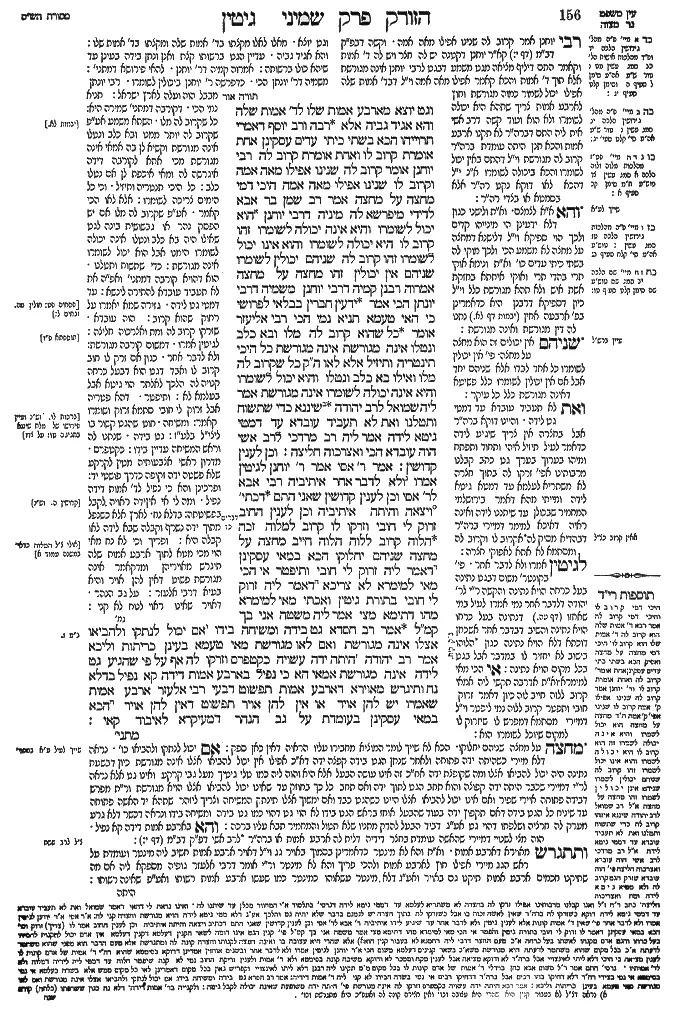
Gittin 78b - Guemara
וגט יוצא מארבע אמות שלו לד' אמות שלה והא אגיד גביה אלא רבה ורב יוסף דאמרי תרוייהו הכא בשתי כיתי עדים עסקינן אחת אומרת קרוב לו ואחת אומרת קרוב לה רבי יוחנן אומר קרוב לה שנינו אפילו מאה אמה וקרוב לו שנינו אפילו מאה אמה היכי דמי מחצה על מחצה אמר רב שמן בר אבא לדידי מיפרשא לה מיניה דרבי יוחנן הוא יכול לשומרו והיא אינה יכולה לשומרו זהו קרוב לו היא יכולה לשומרו והוא אינו יכול לשומרו זהו קרוב לה שניהם יכולין לשומרו שניהם אין יכולין זהו מחצה על מחצה אמרוה רבנן קמיה דרבי יוחנן משמיה דרבי יונתן הכי אמר ידעין חברין בבלאי לפרושי כי האי טעמא תניא נמי הכי רבי אליעזר אומר כל שהוא קרוב לה מלו ובא כלב ונטלו אינה מגורשת אינה מגורשת כל היכי תינטריה ותיזיל אלא לאו ה"ק כל שקרוב לה מלו ואילו בא כלב ונטלו והוא יכול לשומרו והיא אינה יכולה לשומרו אינה מגורשת אמר ליה שמואל לרב יהודה שיננא כדי שתשוח ותטלנו ואת לא תעביד עובדא עד דמטי גיטא לידה אמר ליה רב מרדכי לרב אשי הוה עובדא הכי ואצרכוה חליצה:
וכן לענין קדושין:
אמר ר' אסי אמר ר' יוחנן לגיטין אמרו ולא לדבר אחר איתיביה רבי אבא לר' אסי וכן לענין קדושין שאני התם דכתיב (דברים כד, ב) ויצאה והיתה איתיביה וכן לענין החוב זרוק לי חובי וזרקו לו קרוב למלוה זכה הלוה קרוב ללוה הלוה חייב מחצה על מחצה שניהם יחלוקו הכא במאי עסקינן דאמר ליה זרוק לי חובי ותיפטר אי הכי מאי למימרא לא צריכא דאמר ליה זרוק לי חובי בתורת גיטין ואכתי מאי למימרא מהו דתימא מצי אמר ליה משטה אני בך קמ"ל אמר רב חסדא גט בידה ומשיחה בידו אם יכול לנתקו ולהביאו אצלו אינה מגורשת ואם לאו מגורשת מאי טעמא בעינן כריתות וליכא אמר רב יהודה היתה ידה עשויה כקטפרס וזרקו לה אף על פי שהגיע גט לידה אינה מגורשת אמאי הא כי נפיל בארבע אמות דידה קא נפיל בדלא נח ותיגרש מאוירא דארבע אמות תפשוט דבעי רבי אלעזר ארבע אמות שאמרו יש להן אויר או אין להן אויר תפשוט דאין להן אויר הכא במאי עסקינן בעומדת על גב הנהר דמעיקרא לאיבוד קאי:
Comments from Rashi on Masechet Gittin Page 78b
וגט יוצא . מאלו לאלו מקצתו בד' אמות שלה ומקצתו בד' אמות שלו: והא אגיד גביה . עדיין הגט ברשותו קצת ואנן ונתן בידה בעינן עד שיהא כולו ברשותה: אמרוה קמיה דר' יוחנן . להאי פירושא דמתני': משמיה דר' יונתן הכי . כדפרשה ר' יוחנן ביכולין לשומרו רבי יונתן מבבל הוה ועלה לארץ ישראל: תניא נמי הכי . דקורבה דמתני' שמירה היא: כל שקרוב לה מלו . השתא משמע אע"פ שקרוב לה יותר ממנו ובא כלב ונטלו אינה מגורשת וקשיא לן בה אמאי אינה מגורשת מכי אתא לקורבה דידה איגרשה לה ומאי איכפת לן אם נטלו כלב: כל היכי תנטריה ותיזיל . וכי כל הימים צריכה לשומרו: אלא לאו הכי קאמר . אע"פ שקרוב לה מלו אם יש הפסק נהר או גבשושית בינה לגט שאילו היה בא כלב ונטלו אינה יכולה לשומרו הימנו אבל הוא יכול לשומרו אינה מגורשת: כדי שתשוח ותטלנו . הוא דהויא קורבה דמתני' ואפ"ה את לא תעביד עובדא להתירה לינשא: עד דמטי גט לידה . גזירה שמא יאמרו על רחוק שהוא קרוב: הוה עובדא . שזרקו קרוב לה ומת ואצרכוה חליצה: לגיטין אמרו . דמשום קורבה מגורשת: ולא לדבר אחר . כגון אם זרק לו חוב קרוב לו ואבד דגט הוא דבעל כרחה קנויה לה הלכך לאלתר הוי גיטא אבל בעלמא לא: ותיפטר . דהא פטריה אבל זרוק לי חובי סתמא זרוק ושומרו קאמר: ומשיחה . חוט שהגט קשור בו ליצי"ל בלע"ז: גט בידה . שנתנו לה וראש המשיחה עדיין בידו: כקטפרס . מדרון ראשי אצבעותיה מטין לקרקע שלא פשטה ידה זקופה כדרך פושטי יד: ופרכינן והא כי נפיל לד' אמות דידה נפיל . ומה לי אי אין ידה ראויה לקבל בפשיטתה: בדלא נח . לארץ אלא כשנפל מתוך ידה נשרף וקבלה שבא לידה לאו קבלה היא: ופריך וכי לא נח מאי הוי מכי מטא לתוך ארבע אמות שלה תיגרש מאויריהן ומדקאמר אינה מגורשת פשוט דאין להן אויר והיא בעיא דרבי אלעזר: על גב הנהר . דאויר שאינו ראוי לנוח לא קני:
Comments from Tosafot - Gittin 78b
רבי יוחנן אמר קרוב לה שנינו אפילו מאה אמה . וקשה דבפ"ק דב"מ (דף י:) קא"ר יוחנן דקטנה יש לה חצר ויש לה ד' אמות וקאמר התם דיליף מציאה מגט משמע דבגט לרבי יוחנן אינה מגורשת אלא תוך. ד' אמות והכא קאמר אפילו מאה אמה וי"ל דבד' אמות שלה אפילו יכול לשמור כמוה מגורשת וחוץ לארבע אמות צריך שתהא היא יכולה לשומרו ולא הוא ועוד קשה דרב אשי אית ליה התם דברה"ר לא תקנו ארבע אמות והכא תנן היתה עומדת ברה"ר קרוב לה מגורשת וי"ל דהתם באין יכול לשומרו והכא ביכולה לשומרו א"נ י"ל דהכא לאו דוקא נקט רה"ר אלא בסמטא או בצדי רה"ר: שניהם אין יכולים זה הוא מחצה על מחצה . פי' אין יכולין לשומרו כל אחד לבדו אלא שניהם יחד אבל אם אין יכולין לשומרו כלל פשיטא דאינה מגורשת כלל כל עיקר: ואת לא תעביד עובדא עד דמטי גט לידה . והיינו דוקא ברה"ר אבל בחצרה אין צריך שיגיע לידה כדאמר לעיל תיזיל איהי ותחוד ותפתח ומיהו בערוך בערך גט כתב קבלנו מרבותינו אפי' זרקו לה בתוך חצרה לא משתריא לעלמא עד דמטא גיטא לידה ומייתי מהא דאמר בירושלמי המחמיר שבכולן עד שיתננו לידה ואינה ראיה דאיכא למימר דמיירי ברה"ר דבהדיא מסיק לה אקרוב לו וקרוב לה ומסתמא לא אתא לאפוקי חצרה: לגיטין אמרו ולא לדבר אחר . פי' בקונטר' משום דבגט נתינה בעל כרחה הויא נתינה והקשה ר"י לר' יהודה דלדבר אחר נמי אמרו לעיל במי שאחזו (גיטין דף עה.) דנתינה בעל כרחו הויא נתינה והשיב דבדבר אחר אשכחן דוכתא דלא הויא נתינה כגון הלוהו בישוב לא יחזיר לו במדבר אבל בגט בכל מקום הויא נתינה: אי הכי מאי למימרא . וא"ת אדרבה תקשי ליה אמאי קרוב ללוה חייב לוה כיון דאמר זרוק חובי ותפטר קרוב ללוה נמי ליפטר וי"ל דמיירי מסתמא דמפרש לו שיזרוק לו למקום שיוכל לשומרו הוא: אם יכול לנתקו ולהביאו כו' . נראה דלא מיירי כשהיתה ידה פתוחה ולאחר שנתן הגט בידה קפצה ידה דא"כ אפילו אין יכול להביאו אצלו אינה מגורשת כיון דבשעת נתינה היה יכול להביאו אצלו ומה שקופצת ידה אח"כ זה אינו עושה הבעל אלא היא והוה ליה כמו טלי גיטיך מעל גבי קרקע ואינו גט אלא נראה לר"י דמיירי שכבר היתה ידה קפוצה והוא תחב הגט לתוך ידה ואם תחב כל כך בחוזק עד שאינו יכול להביאו אצלו הויא מגורשת ור"ת מפרש דבידה פתוחה איירי שפיר ואם אינו יכול להביאו אצלו היינו כשהגט כבד ואם ימשוך אצלו תינתק המשיחה וצריך ליזהר שתהא יד האשה פתוחה עד שיניח כל הגט בידה דאם תקפוץ ידה בעוד שהבעל אוחז בראש הגט בידו לא הוי גט דהוי כמו גט בידה ומשיחה בידו ונראה דכשר דלא גרע מערק לה חרציה ושלפתו דהוי גט אע"ג דביד הבעל להדק מתניו שלא תטול והמחמיר תבא עליו ברכה: והא בארבע אמות דידה קא נפיל . הוה מצי לשנויי דמיירי שהאשה עומדת בחצר דידיה דלית לה ארבע אמות או ברה"ר. לרב אשי דפ"ק דב"מ (דף י:): ותתגרש מאוירא דארבע אמות . וא"ת והא לא מינטר כדאמרינן בסמוך באויר גג וי"ל דאויר ארבע אמות חשיב ליה מינטר ועומדת על ראש הגג מיירי אפילו חוץ לארבע אמות ולהכי פריך והא לא מינטר ור"י אומר דרבי אלעזר גופיה מספקא ליה אם מה שתיקנו חכמים ארבע אמות תיקנו גם באויר ואע"ג דלא מינטר עשאוהו כמינטר כמו שעשו ארבע אמות רשותו ואע"פ שאינה רשותו:
Gittin 78b - Mishnah translated into english
and the bill of divorce extends from his four cubits into her four cubits, meaning that part of the bill of divorce is in his four cubits, and part is in hers. Therefore, in this case there is uncertainty whether she is divorced or whether she is not divorced.
The Gemara asks: But isn’t the bill of divorce still attached to him, since part of it is within his four cubits, and therefore it cannot be considered as if he gave her the bill of divorce completely? Rather, one should explain as Rabba and Rav Yosef both say: Here we are dealing with two groups of witnesses; one says that the bill of divorce fell closer to him, and one says that the bill of divorce fell closer to her. Therefore, the expression in the mishna, equally balanced, is referring not to distance but to opinions.
As opposed to Rav, who explained that in the mishna, the word closer meant within four cubits, Rabbi Yoḥanan says: We learned that closer to her means that the bill of divorce was actually closer to her, even if it was one hundred cubits away from her. And we learned that closer to him means that it was actually closer to him, even if it was one hundred cubits away from him.
The Gemara asks: According to the explanation offered by Rabbi Yoḥanan, what are the circumstances of when it was equally balanced? Rav Shemen bar Abba said: This was explained to me personally by Rabbi Yoḥanan himself: If it is so positioned that he can guard it and she cannot guard it, this is considered closer to him. If it is so positioned that she can guard it and he cannot guard it, this is considered closer to her. If it is so positioned that the two of them can guard it, or the two of them cannot guard it, this is considered equally balanced.
The Rabbis said this explanation before Rabbi Yoḥanan in the name of Rabbi Yonatan, and Rabbi Yoḥanan said in amazement: Do our Babylonian friends know how to explain in accordance with this explanation? Rabbi Yoḥanan was astonished that they also understood the issue as he did.
This is also taught in a baraita (Tosefta 8:1): Rabbi Eliezer says: With regard to any bill of divorce that is closer to her than it is to him, and a dog came and took it before the bill of divorce reached her hand, she is not divorced. The Gemara asks: Why is it that she is not divorced? Once it was closer to her, before the dog took it, the divorce should have taken effect. Must she continue guarding her bill of divorce indefinitely, even after the bill of divorce took effect?
The Gemara answers: Rather, is it not that this is what Rabbi Eliezer is saying: With regard to any bill of divorce that is closer to her than it is to him, and if a dog were to come and attempt to take it, he would be able to guard it and she would not be able to guard it, in that case she is not divorced, as the bill of divorce is considered in his domain.
Shmuel said to Rav Yehuda: One with large teeth [shinnana], i.e., a nickname for Rabbi Yehuda, when they said: Closer to her, it meant so that she could bend down and take it. And you should not perform an action to permit a divorcing woman to remarry until the bill of divorce actually reaches her hand.
Rav Mordekhai said to Rav Ashi: There was an incident like this, in which the bill of divorce was closer to the woman than to the man and it was then lost; and, after her husband died, they required the woman to engage in the ritual through which the yavam frees the yevama of her levirate bonds [ḥalitza] in order to permit her to marry, due to uncertainty. They did not rely on the bill of divorce that was given to the woman, since it never actually reached her hand.
§ The mishna stated the halakha about a bill of divorce that was closer to him or her, and the mishna added: And the same halakhot apply with regard to betrothal. Rabbi Asi says that Rabbi Yoḥanan says: They said these halakhot only with regard to bills of divorce, but not with regard to another matter.
Rabbi Abba raised an objection to the statement of Rabbi Asi from what was explicitly taught in the mishna: And the same halakhot apply with regard to betrothal. He responded: It is different there with regard to betrothal, as it is written: “And she departs out of his house, and goes and becomes another man’s wife” (Deuteronomy 24:2). The Torah thereby compares betrothal, through the use of the word “becomes,” to divorce, through the use of the words “and she departs,” so one can learn the halakhot of betrothal from the halakhot of divorce. One cannot learn halakhot concerning other matters from divorce.
Another objection to his statement was raised based on what is taught in a baraita: And the same halakhot apply with regard to a debt. If a creditor said to a debtor: Throw the payment for my debt to me, and he threw it to him and the money fell closer to the creditor, the debtor merits, i.e., his debt is repaid. If it fell closer to the debtor and the money was lost, the debtor is still obligated to pay. If it was equally balanced and was lost, the two of them divide it, i.e., the debtor owes half of the amount. Accordingly, the halakhot of debts are compared to the halakhot of divorce.
The Gemara answers: Here we are dealing with a case where the creditor said to the debtor: Throw the payment for my debt to me, and you will be absolved of your obligation to pay through this. The Gemara challenges this: If so, what is the purpose of stating this? Since he made an explicit stipulation, it is obvious that the outcome will be in accordance with his stipulation. The Gemara answers: No, it is necessary in a case where the creditor said to the debtor: Throw the payment for my debt to me according to the procedure in effect with bills of divorce, meaning that the halakha that applies to divorce should apply here too.
The Gemara asks: And still, what is the purpose of stating this, since the creditor stipulated explicitly: According to the procedure in effect with bills of divorce? The Gemara answers: Lest you say that the creditor can say to the debtor: I am teasing you, and what I stipulated has no validity. Therefore the mishna teaches us that if he stipulated that it should be treated as a bill of divorce, then his stipulation takes effect.
§ Rav Ḥisda says: If the bill of divorce was in her hand and a string tied to the bill of divorce was in his hand, as he gave her the bill of divorce in this way, if the husband can still pull the bill of divorce out of her hand and bring it to him, she is not divorced; and if he is not able to do so, she is divorced.
What is the reason that she is not divorced, despite the fact that he gave her a bill of divorce? The reason is that we require severance, and it is lacking, since the husband still has a hold on the bill of divorce.
Rav Yehuda says: If her hand was positioned like a slope and he threw it to her, despite the fact that the bill of divorce reached her hand, she is not divorced, since it cannot remain in her hand and will fall out.
The Gemara asks: Why? But when the bill of divorce falls from her hand, it falls within her four cubits. The Gemara answers: Rav Yehuda is discussing a case where the bill of divorce did not rest within her four cubits. Rather, it fell further away.
The Gemara asks: But why not let her be divorced because the bill of divorce was in the airspace of her four cubits? And if you do not say this, then resolve the dilemma that Rabbi Elazar raised with regard to the four cubits that the Sages stated in the halakhot of acquisition: Do they have airspace with the same legal status or do they not have airspace? Resolve that dilemma from here, i.e., that they do not have airspace.
The Gemara rejects this: One cannot resolve the dilemma from here since it is possible to say that here we are dealing with a woman who is standing at the riverbank, as the bill of divorce stands to be destroyed from the outset, since if it does not remain in her hand it will fall into the river. In such a case, everyone agrees that the airspace of the four cubits does not acquire the item.
Traduction : The William Davidson digital edition of the Koren Noé Talmud, with commentary by Rabbi Adin Even-Israel Steinsaltz.