 Talmud Bavli
Gittin 3a : Youtube
Daf TubeYoutube
2 video classes :
Gittin Page 3a
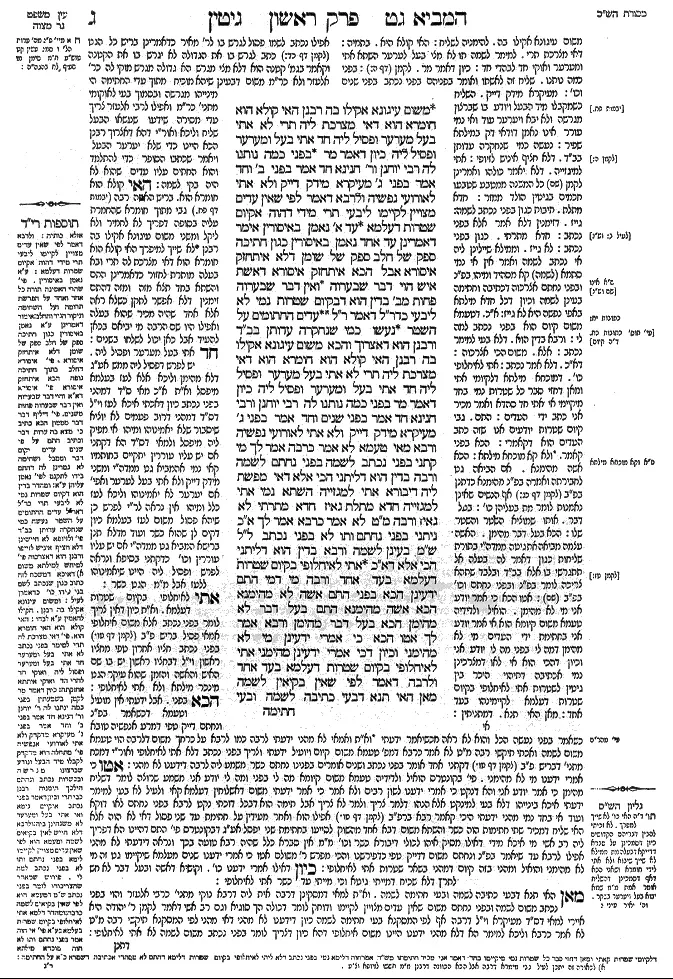
Gittin 3a - Guemara
משום עיגונא אקילו בה רבנן האי קולא הוא חומרא הוא דאי מצרכת ליה תרי לא אתי בעל מערער ופסיל ליה חד אתי בעל ומערער ופסיל ליה כיון דאמר מר בפני כמה נותנו לה רבי יוחנן ור' חנינא חד אמר בפני ב' וחד אמר בפני ג' מעיקרא מידק דייק ולא אתי לאורועי נפשיה ולרבא דאמר לפי שאין עדים מצויין לקיימו ליבעי תרי מידי דהוה אקיום שטרות דעלמא עד א' נאמן באיסורין אימר דאמרינן עד אחד נאמן באיסורין כגון חתיכה ספק של חלב ספק של שומן דלא איתחזק איסורא אבל הכא איתחזק איסורא דאשת איש הוי דבר שבערוה ואין דבר שבערוה פחות מב' בדין הוא דבקיום שטרות נמי לא ליבעי כדר"ל דאמר ר"ל עדים החתומים על השטר נעשו כמי שנחקרה עדותן בב"ד ורבנן הוא דאצרוך והכא משום עיגונא אקילו בה רבנן האי קולא הוא חומרא הוא דאי מצרכת ליה תרי לא אתי בעל מערער ופסיל ליה חד אתי בעל ומערער ופסיל ליה כיון דאמר מר בפני כמה נותנו לה רבי יוחנן ורבי חנינא חד אמר בפני שנים וחד אמר בפני ג' מעיקרא מידק דייק ולא אתי לאורועי נפשיה ורבא מאי טעמא לא אמר כרבה אמר לך מי קתני בפני נכתב לשמה בפני נחתם לשמה ורבה בדין הוא דליתני הכי אלא דאי מפשת ליה דיבורא אתי למגזייה השתא נמי אתי למגזייה חדא מתלת גאיז חדא מתרתי לא גאיז ורבה מ"ט לא אמר כרבא אמר לך א"כ ניתני בפני נחתם ותו לא בפני נכתב ל"ל ש"מ בעינן לשמה ורבא בדין הוא דליתני הכי אלא דא"כ אתי לאיחלופי בקיום שטרות דעלמא בעד אחד ורבה מי דמי התם ידעינן הכא בפני התם אשה לא מהימנא הכא אשה מהימנא התם בעל דבר לא מהימן הכא בעל דבר מהימן ורבא אמר לך אטו הכא כי אמרי ידעינן מי לא מהימני וכיון דכי אמרי ידעינן מהימני אתי לאיחלופי בקיום שטרות דעלמא בעד אחד ולרבה דאמר לפי שאין בקיאין לשמה מאן האי תנא דבעי כתיבה לשמה ובעי
Comments from Rashi on Masechet Gittin Page 3a
משום עיגונא אקילו בה . להימניה לשליח: האי קולא היא . בתמיה: דאי מצרכת תרי . למימר לשמה תו לא מצי בעל לערער השתא אתי ומערער ואוקי חד לבהדי חד: כיון דאמר מר . לקמן (גיטין דף ה:): בפני כמה נותנו . שליח זה לאשתו ואומר בפניהם בפני נכתב בפני שנים וכו': מעיקרא מידק דייק . השליח כשמקבלו מיד הבעל ויודע בו שברצון מגרשה ולא יבא ויערער עוד ואי נמי עורר אינו נאמן דודאי דק במילתא שפיר: נעשה כמי שנחקרה עדותן בב"ד . דלא חציף איניש לזיופי: אתי למיגזייה . דלא יאמר כולהו ואמרינן לקמן (שם) כל המשנה ממטבע שטבעו חכמים בגיטין הולד ממזר: חדא מתלת . תיבות כגון בפני נכתב לשמה: גייז . דזימנין דלא אמר אלא בפני נכתב: חדא מתרתי . כגון בפני נכתב: לא גייז . וממילא שיילינן ליה אי נכתב לשמה ואמר אין אי נמי סתמא (לשמה) קא מסהיד ומיהו בפ"נ ובפני נחתם אצרכוה דכתיבה וחתימה בעינן לשמה וכיון דכל חדא מילתא באפי נפשה היא לא גייז: א"כ . דטעמא משום קיום הוא בפני נכתב למה לי: ורבא בדין הוא . דלא בעי למימר נכתב: אלא . משום הכי אצרכוה: דא"כ . דלא אמר נכתב: אתי לאיחלופי כו' . דמוכחא מילתא דלקיומי אתי ומאן דחזי סבר כל שטרות נמי בחד מיקיימי אי אתי חד סהדא ואמר מכיר אני כתב ידי העדים: התם . גבי קיום שטרות יודעים אנו שזה כתב העדים הוא דקאמרי: הכא בפני קאמר . ולא קא מוכחא מילתא: הכא אשה מהימנא . אם הביאה גט לחבירתה ואמרה בפ"נ מהימנא כדתנן בפ"ב (לקמן גיטין דף כג:) אף הנשים שאינן נאמנות לומר מת בעליהן כו': בעל דבר . אותו שמוציא השטר והשטר שלו: הכא בעל דבר מהימן . האשה עצמה מביאה את גיטה ממדה"י בתורת שליחות כגון דאמר לה בעלה אל תתגרשי בו אלא בב"ד ובלבד שתהא צריכה לומר בפ"נ ובפני נחתם וכו' בפ"ב (שם): אטו הכא כי אמר יודע אני מי לא מהימן . הואיל ולדידיה טעמא משום קיומא הוא אי אמר יודע אני בחתימת ידי העדים מי לא מהימן דמה לי בפני מה לי יודע אני וכיון דהכי הוא אי לאו דמצרכינן נמי אכתיבה דתיהוי היכר בין גיטין לשטרות אתי לאיחלופי בקיום שטרות דעלמא לקיימינהו בעד אחד: מאן האי תנא . דמתניתין:
Comments from Tosafot - Gittin 3a
האי קולא הוא חומרא הוא . בריש האשה רבה (יבמות דף פח.) גבי מתוך חומרא שהחמרת עליה בסופה דפריך לא לחמיר ולא ליקל ומשני משום עיגונא אקילו בה רבנן לא שייך למיפרך האי קולא הוא חומרא הוא דאי מצרכת לה תרי ובא בעלה מותרת לחזור כדאמרינן התם והשתא בחד תצא מזה ומזה דהתם זימנין דלא אפשר לתקן כשלא ראה אלא אחד שהיה מכיר שהוא בעלה ואפילו היו שם הרבה מי יביאם בכאן להעיד אבל כאן יכול לשלחו בשנים: חד אתי בעל מערער ופסיל ליה . יש לפרש דפסיל ליה ממש אע"ג דלא מהימן וליכא אלא לעז בעלמא מיפסל וא"ת א"כ מאי ס"ד דמהני בפני נכתב כיון דאכתי איכא לעז וי"ל דס"ד דמהני דרוב פעמים לא יוציא שיסבור שלא יאמינוהו ומיהו אי מפיק ליה מיפסל ולמאי דס"ד הא דקתני אם יש עליו עוררין יתקיים בחותמיו קאי נמי אהמביא גט ממדה"י ומשני מידק דייק ולא אתי בעל לערער ואפי' אם יערער לא יאמינוהו וליכא לעז כלל ומיהו אין נראה לר"י לפרש כן שיהא פסול משום לעז בעלמא כיון דקים לן שהוא כשר ועוד מדלא תנן ברישא המביא גט ממדה"י אם יש עליו עוררין וכו' כדקתני בסיפא ונראה לפרש ופסיל ליה היינו שיאמינוהו ללעז אבל מ"מ הגט כשר: אתי לאיחלופי בקיום שטרות דעלמא . וא"ת כיון דאין צריך לומר בפני נכתב אלא משום איחלופי אמאי פסיל בריש פ"ב (לקמן גיטין דף טו.) בפני נכתב חציו אחרון טפי מחציו ראשון וי"ל דבחציו ראשון יש בו שם האיש והאשה והזמן שהוא עיקר הגט מינכר מילתא ולא אתי לאיחלופי: הכא בפני . אבל ידעתי אין מועיל וטעמא דכשאמר בפ"נ ונחתם דייק טפי דמרע אנפשיה טובא כשאמר בפני נעשה הכל והוא לא ראה מכשיאמר ידעתי. וא"ת ואמאי לא מהני ידעתי לרבה כמו לרבא על כרחך משום דלרבה הוי טעמא משום לשמה ואכתי תיקשי רבה מ"ט לא אמר כרבא דמפ' טעמא משום קיום ויועיל ידעתי וצריך בפני נכתב דלא אתי לאיחלופי ואור"י דמכח מתני' דבריש פ"ב (לקמן גיטין דף טו.) דקתני אחד אומר בפני נכתב ושנים אומרים בפנינו נחתם כשר משמע ליה לרבה דידענו לא מהני: אטו כי אמרי ידענו מי לא מהימני . פי' בקונטרס הואיל ולדידיה טעמא משום קיומא מה לי בפני ומה לי יודע אני משמע שרוצה לומר דשליח מהימן כי אמר יודע אני והא דנקט כי אמרי ידענו לשון רבים ולא אמר כי אמר ידעתי משום דאשלוחין דעלמא קאי ולעיל לא בעי למימר ידעתי איכא בינייהו דלא בעי למינקט אלא הנהו דלמר צריך ולמר לא צריך אבל תימה הוא דבכל דוכתי נקט לרבא בפני נחתם לאו דוקא ועוד אי בחד נמי מהני ידעתי היכי קאמר רבא ברפ"ב (לקמן גיטין דף טו.) אפילו הוא ואחר מעידין על חתימת עד שני פסול דאי לא הוה אלא האי שליח דמכיר שתי חתימות הוה כשר והשתא משום דבא אחד מהשוק לסייעו בחתימת שני יפסל אע"ג דבקונטרס פי' התם דהיינו הא דפריך ליה רב אשי מי איכא מידי דאילו מסיק איהו לכולי דיבורא כשר וכו' מ"מ אין סברא כלל שהיה רבא טועה בכך ונראה דידעתי לא מהני אפילו לרבא עד שיאמר בפ"נ ונחתם משום דדייק טפי כדפירשנו והכי מפרש ר' משולם אטו כי אמרי ידענו שנים מעלמא שיקיימו גט זה מי לא מהימני והואיל ומהני בזה קיום דמהני בשאר שטרות אתי לאיחלופי: כיון דאילו אמרי ידענו כו' . וקושיא דאשה ובעל דבר לא חש לתרץ דלא שכיח דמייתי גיטא וכי מייתי עד כשר אתי לאיחלופי: מאן האי תנא דבעי כתיבה לשמה ובעי חתימה לשמה . וא"ת למאי דמסקינן דרבה אית ליה דרבא נוקי מתני' כרבי אלעזר והוי בפני נכתב משום לשמה ובפני נחתם משום שאין עדים מצויין לקיימו ודוחק לומר דכולה הך סוגיא וגם רב אשי דאמר לקמן ר' יהודה היא איירי למאי דס"ד מעיקרא וי"ל דרבה אף לפי המסקנא בעי חתימה לשמה כיון דידענו לא מהני דאי מהני לפי המסקנא תיקשי רבה מ"ט לא אמר כרבא וליכא למימר הא דלא מהני ידענו היינו משום איחלופי דהא כיון דצריך לומר בפני נכתב משום לשמה לא אתי לאיחלופי:
Gittin 3a - Mishnah translated into english
due to the possibility of desertion, i.e., that she may become like a deserted wife, the Sages were lenient with her by saying that the agent who brought the bill of divorce is deemed credible, despite the fact that he is a single witness. This is to prevent women from becoming uncertain of their marital status as a result of the lack of testimony needed to ratify the bill of divorce.
The Gemara asks: Is this ruling a leniency? It is a stringency, since if you require two witnesses to testify with regard to the bill of divorce, her husband cannot come to contest and invalidate it, as his testimony will not be accepted against that of the two witnesses. However, if only one agent brings the bill of divorce, the husband can come and contest and invalidate the document.
The Gemara answers: Since the Master says: In the presence of how many people must the agent who brings the bill of divorce give it to the woman? Rabbi Yoḥanan and Rabbi Ḥanina disagreed with regard to this issue. One said that he must deliver it to her in the presence of at least two people, and one said that he must deliver it to her in the presence of at least three people, as three individuals are considered a court. Therefore, at the outset the agent is careful to clarify the matter fully, and he will not act to his own detriment by bringing an invalid bill of divorce.
The Gemara asks: And according to the opinion of Rava, who said that the agent must say: It was written in my presence and it was signed in my presence, because there are no witnesses available to ratify it, let us require two witnesses, just as is the practice with regard to the typical case of ratification of legal documents, which must be performed via two witnesses. The Gemara answers as above: One witness is deemed credible with regard to prohibitions.
Again the Gemara asks: One can say that we say that one witness is deemed credible with regard to prohibitions in a case such as where there is a piece of fat, and it is uncertain if it is forbidden fat and uncertain if it is permitted fat. In this situation, the piece can be permitted by a single witness, as there is no presumption that it is forbidden. However, here there is a presumption that this woman is forbidden as a married woman. If so, this is a matter of forbidden sexual relations, and there is no matter of testimony for forbidden sexual relations that can be attested to by fewer than two witnesses.
The Gemara answers: By right it should be that with regard to the ratification of legal documents as well, the court should not require two witnesses, in accordance with the opinion of Reish Lakish. As Reish Lakish says: Witnesses signed on a legal document become like a pair of witnesses whose testimony has been examined in court, and the document should be accepted without further ratification. And it is the Sages who required the court to ratify documents. And here, with regard to bills of divorce, the Rabbis were lenient with her by allowing the document to be ratified through the agent’s testimony alone, due to the possibility of desertion.
The Gemara again asks: Is this ruling a leniency? It is a stringency, since if you require two witnesses to testify with regard to the bill of divorce, then her husband cannot come to contest and invalidate it, whereas if there is only one agent, her husband can come and contest and invalidate it. Once again the Gemara answers: Since the Master says: In the presence of how many people must the agent who brings the bill of divorce give it to the woman? Rabbi Yoḥanan and Rabbi Ḥanina disagreed with regard to this issue. One said that he must deliver it to her in the presence of at least two people, and one said that he must deliver it to her in the presence of at least three people, as three individuals are considered a court. Therefore, at the outset the agent is careful to clarify the matter fully, and he will not act to his own detriment by bringing an invalid bill of divorce.
After clarifying the basic dispute, the Gemara discusses the reasons for each opinion. And as for Rava, what is the reason that he did not say like Rabba, that the reason the agent must declare: It was written in my presence and it was signed in my presence, is due to the concern that the bill of divorce was not written for the woman’s sake? The Gemara answers that Rava could have said to you: Is it taught in the mishna that the agent must say: It was written in my presence for her sake, and it was signed in my presence for her sake? Since the agent does not testify that it was written for her sake, this indicates that the Sages did not institute the requirement that he state this declaration to ensure that it was written for her sake.
The Gemara asks: And how does Rabba respond to this claim? The Gemara answers: By right it is so that the mishna should teach in this manner. However, the Sages did not require him to say this, as if you increase the agent’s requirement to speak, by obligating him to state this lengthy declaration, he will likely come to shorten it. If he has too much to remember, he might forget some of the formula, and his error will render the bill of divorce invalid.
The Gemara asks: Now too, with regard to the formula as it stands, he will come to shorten it by omitting either it was written in my presence or it was signed in my presence. The Gemara answers: He is likely to shorten it by omitting one term out of three, such as: For her sake, from the three-term clause: It was written, in my presence, for her sake. However, he will not shorten his declaration by omitting one term of two. Consequently, when asked if it was written in his presence, he will answer with the full statement, and the same is true when he is asked if it was signed in his presence.
The Gemara asks concerning the other opinion: And as for Rabba, what is the reason that he did not say like Rava, that the reason for the decree is because witnesses may not be available to ratify the bill of divorce? The Gemara answers that Rabba could have said to you: If so, let the mishna teach: It was signed in my presence, and nothing more, as this is a confirmation that the signatures of the witnesses on the document are valid. Why do I need the agent to add: It was written in my presence? Conclude from it that the reason for this decree is because we need the bill of divorce to be written for her sake.
The Gemara asks: And how does Rava respond to this claim? The Gemara answers: Rava would answer that by right it is so that the mishna should teach in this manner. But if this were to be so, that the agent declares merely: It was signed in my presence, people will come to confuse the matter with the typical case of ratification of legal documents. In other words, they will think it is possible to ratify other documents via the testimony of one witness. Consequently, the Sages added that the agent must also declare: It was written in my presence, which is not generally stated with regard to the confirmation of other documents.
The Gemara comments: And Rabba would respond as follows: There is no concern that people will confuse the ratification of a bill of divorce with the typical case of the ratification of legal documents, as are the two cases comparable at all? There, with regard to the ratification of other documents, the witnesses need only say: We know that these are the signatures of the witnesses on the document. By contrast, here, in the case of a bill of divorce, the agent must say: It was signed in my presence.
Additionally, there, in the case of other documents, a woman is not deemed credible, whereas here, a woman is deemed credible when she brings a bill of divorce and declares that it was written and signed in her presence. Additionally, there, in the case of other documents, an interested party is not deemed credible to testify concerning the validity of the document. However, here, an interested party is deemed credible, as even the woman herself can bring her bill of divorce and testify that it was drafted in the correct manner.
And Rava, how would he respond to this claim? He could have said to you: Is that to say that here, in the case of a bill of divorce, if the witnesses of ratification say: We know, they are not deemed credible? They would be deemed credible even if they used that formula. And since when they say: We know, they are deemed credible, people will come to confuse it with the typical case of ratification of legal documents, which they will perform via one witness.
The Gemara asks: And according to the opinion of Rabba, who said that the reason for the declaration: It was written in my presence and it was signed in my presence, is because they are not experts in writing a bill of divorce for her sake, who is this tanna who requires that the writing of the bill of divorce must be performed for her sake, and also requires
Traduction : The William Davidson digital edition of the Koren Noé Talmud, with commentary by Rabbi Adin Even-Israel Steinsaltz.