 Talmud Bavli
Gittin 72a : Youtube
Daf TubeYoutube
2 video classes :
Gittin Page 72a
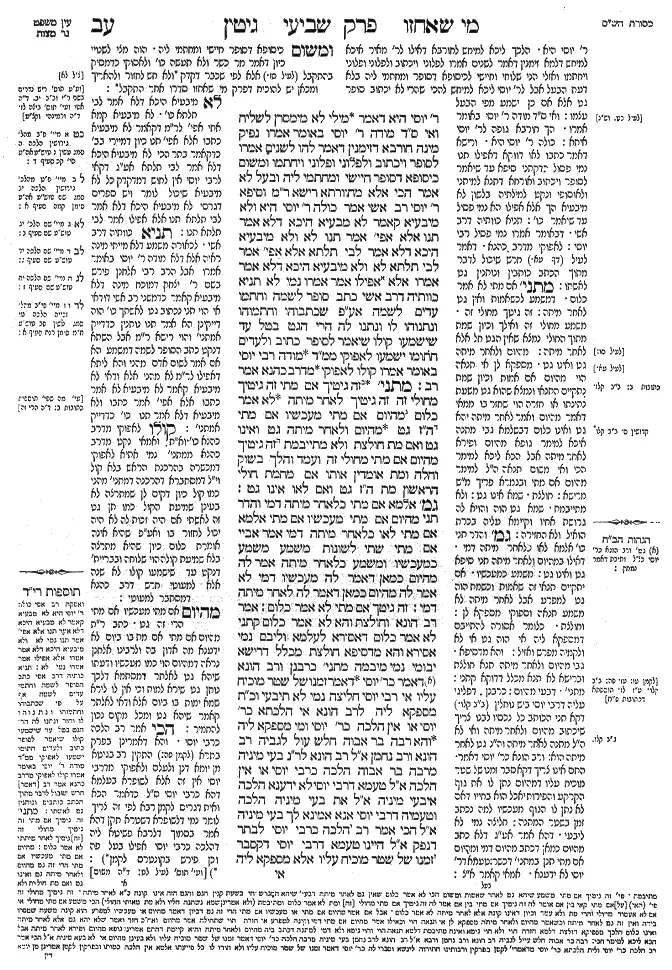
Gittin 72a - Guemara
ר' יוסי היא דאמר מילי לא מימסרן לשליח ואי ס"ד מודה ר' יוסי באומר אמרו נפיק מינה חורבא דזימנין דאמר להו לשנים אמרו לסופר ויכתוב ולפלוני ופלוני ויחתמו ומשום כיסופא דסופר חיישי ומחתמי ליה ובעל לא אמר הכי אלא מחוורתא רישא ר"מ וסיפא ר' יוסי רב אשי אמר כולה ר' יוסי היא ולא מיבעיא קאמר לא מבעיא היכא דלא אמר תנו אלא אפי' אמר תנו לא ולא מיבעיא היכא דלא אמר לבי תלתא אלא אפי' אמר לבי תלתא לא ולא מיבעיא היכא דלא אמר אמרו אלא אפילו אמר אמרו נמי לא תניא כוותיה דרב אשי כתב סופר לשמה וחתמו עדים לשמה אע"פ שכתבוהו וחתמוהו ונתנוהו לו ונתנו לה הרי הגט בטל עד שישמעו קולו שיאמר לסופר כתוב ולעדים חתומו ישמעו לאפוקי ממ"ד מודה רבי יוסי באומר אמרו קולו לאפוקי מדרב כהנא אמר רב:
מתני׳ זה גיטיך אם מתי זה גיטיך מחולי זה זה גיטיך לאחר מיתה לא אמר כלום מהיום אם מתי מעכשיו אם מתי ה"ז גט מהיום ולאחר מיתה גט ואינו גט ואם מת חולצת ולא מתייבמת זה גיטיך מהיום אם מתי מחולי זה ועמד והלך בשוק וחלה ומת אומדין אותו אם מחמת חולי הראשון מת ה"ז גט ואם לאו אינו גט:
גמ׳ אלמא אם מתי כלאחר מיתה דמי והדר תני מהיום אם מתי מעכשיו אם מתי אלמא אם מתי לאו כלאחר מיתה דמי אמר אביי אם מתי שתי לשונות משמע משמע כמעכשיו ומשמע כלאחר מיתה אמר לה מהיום כמאן דאמר לה מעכשיו דמי לא אמר לה מהיום כמאן דאמר לה לאחר מיתה דמי:
זה גיטך אם מתי לא אמר כלום:
אמר רב הונא וחולצת והא לא אמר כלום קתני לא אמר כלום דאסירא לעלמא וליבם נמי אסירא והא מדסיפא חולצת מכלל דרישא יבומי נמי מיבמה מתני' כרבנן ורב הונא דאמר כר' יוסי דאמר זמנו של שטר מוכיח עליו אי רבי יוסי חליצה נמי לא תיבעי וכ"ת מספקא ליה לרב הונא אי הלכתא כר' יוסי או אין הלכה כר' יוסי ומי מספקא ליה והא רבה בר אבוה חלש עול לגביה רב הונא ורב נחמן א"ל רב הונא לר"נ בעי מיניה מרבה בר אבוה הלכה כרבי יוסי או אין הלכה א"ל טעמא דרבי יוסי לא ידענא הלכה איבעי מיניה א"ל את בעי מיניה הלכה וטעמיה דרבי יוסי אנא אמינא לך בעי מיניה א"ל הכי אמר רב הלכה כרבי יוסי לבתר דנפק א"ל היינו טעמא דרבי יוסי דקסבר זמנו של שטר מוכיח עליו אלא מספקא ליה
Comments from Rashi on Masechet Gittin Page 72a
ר' יוסי היא . הלכך ליכא למיחש לחורבא דאילו לר' מאיר איכא למיחש דלמא זימנין דאמר לשנים אמרו לפלוני ויכתוב ולפלוני ופלוני ויחתמו ואזלי הני שלוחי וחיישי לכיסופא דסופר ומחתמי ליה בלא דעת הבעל אבל לר' יוסי ליכא למיחש להכי שהרי לא יכתוב סופר גט אלא אם כן ישמע מפי הבעל עצמו: ואי ס"ד מודה ר' יוסי באומר אמרו . הך חורבא גופה לר' יוסי איתא: כולה ר' יוסי היא . ורישא דאמר כתבו לאו דווקא דאפילו תנו נמי פסול כדקתני סיפא עד שיאמר לסופר ויכתוב ואורחא דתנא למיתני ולאוסופי ונקט למילתיה בלשון לא מיבעיא הך אלא אפילו הא נמי פסיל עד שיאמר כו': תניא כוותיה דרב אשי . דבאומר אמרו נמי פסיל רבי יוסי: לאפוקי מדרב כהנא . דאמר לעיל (גיטין דף עא.) חרש שיכול לדבר מתוך הכתב כותבין ונותנין גט לאשתו: מתני' אם מתי לא אמר כלום . דמשמע לכשאמות ואין גט לאחר מיתה: זה גיטך מחולי זה . משמע מחולי זה ואילך וכיון שמת מתוך החולי נמצא שאין הגט חל אלא לאחר מיתה: מהיום ולאחר מיתה גט ואינו גט . מספקא לן אי תנאה הוי מהיום אם אמות וכיון שמת נתקיים התנאי ונמצא שהוא גט משעת נתינתו או חזרה הוי שחזר בו ממאי דאמר מהיום ואמר לאחר מיתה יהא גט ואינו כלום דבשלמא גבי מתנה איכא למימר גופא מהיום ופירא לאחר מיתה אבל הכא ליכא למימר הכי ואי משום תנאה ה"ל למימר מהיום אם מתי ובגמרא פריך מ"ש מרישא: חולצת . שמא אינו גט: ולא מתייבמת . שמא גט הוה והויא לה גרושת אחיו וקיימא עליה בכרת הואיל ולא החזירה: גמ' והדר תני כו' אלמא לאו כלאחר מיתה דמי . דאילו במהיום ולאחר מיתה תני סיפא גט ואינו גט: משמע כמעכשיו . אם יתקיים תנאי זה שאמות וכשמת הוה גט למפרע אבל לאחר מיתה לא משמע תנאה וספוקי מספקא לן: וחולצת . כלומר אסורה להתייבם דמספקא ליה אי הוה גט אי לא ולקמיה מפרש ואזיל: והא מדסיפא . גבי מהיום ולאחר מיתה תנא חולצת וברישא לא תנא מכלל דדוקא קתני: מתני' . דבעי מהיום: כרבנן . דפליגי עליה דרבי יוסי ביש נוחלין (ב"ב קלו.) דקא תני הכותב כל נכסיו לבנו צריך שיכתוב מהיום ולאחר מיתה ואי לא ה"ל מתנה לאחר מיתה וה"נ גט לאחר מיתה הוא: ורב הונא כר' יוסי דאמר . התם אינו צריך דקא סבר זמנו של שטר מוכיח עליו דמהיום נתן לו את גוף הקרקע והפירות יאכל הוא בחייו דאם לא נתן לו הגוף מעכשיו למה נכתב זמן בשטר המתנה: חליצה נמי לא ליבעי . דהא אמר אע"ג דלא כתב מהיום כמאן דכתב מהיום דמי ומהיום אם מתי תנן במתני' דכשר: טעמא דר' יוסי לא ידענא . אמאי קאמר א"צ:
Comments from Tosafot - Gittin 72a
ומשום כיסופא דסופר חיישי ומחתמי ליה . הוה מצי לשנויי כיון דאמר מר כשר ולא תעשה כו' ולאסוקי כדמסיק בהתקבל (לעיל גיטין סז.) אלא לפי שכבר דקדק ולא חש לחזור ולהאריך ומכאן יש להוכיח דפרק מי שאחזו סדרו אחר התקבל: לא מיבעיא היכא דלא אמר לבי תלתא כו' . לא מיבעיא קמא אתי אפי' לר"מ דקאמר לא מיבעיא כתבו אלא אפי' תנו כיון דמיירי בב' כדקאמר בתר הכי לא מיבעיא היכא דלא אמר לבי תלתא אע"ג דקאי לרבי יוסי אין לחוש דמדקדק כל לא מיבעיא שיכול לומר ויש ספרים דגרסי לא מיבעיא היכא דלא אמר לבי תלתא תנו אלא אפילו אמר לבי תלתא תנו: תניא כוותיה דרב אשי . לכאורה משמע דלא מייתי מינה ראיה אלא דלא מודה ר' יוסי באומר אמרו אבל הרב רבי אלחנן פירש בשם ר' יצחק דמוכח מינה דלא מיבעיא קאמר כדמשני רב אשי דודאי אי הוי תני נכתוב גט לאשתך כו' הוה דייקינן הא אמר תנו נותנין כדדייק אמתני' והוי רישא ר"מ אבל השתא דנקט כתב הסופר לשמה דמשמע הא אם אמר לשום אדם מהני והא ליתא דאפילו לר"מ לא מהני אלא ודאי לא מיבעיא קאמר לא מיבעיא לא אמר כתבו אלא אפי' אמר כתבו ולא מיבעיא דלא אמר תנו כו' כדדייק אמתני': קולו לאפוקי מדרב כהנא כו' . וא"ת ואמאי נקט מדרב כהנא ממתני' נמי אתיא לאפוקי דמכשרה בהרכנת הראש בלא קול וי"ל דמסתברא דהרכנה דמתני' מהני כמו קול כיון דקים לן שמתרצה לא בעינן שמיעת הקול כמו תן גט זה לאשתי אם היה זכות לה לא היה יכול לחזור בו ואע"פ שהיא אינה אומרת כלום כיון שהיא מתרצה בלא שמיעת קולה הוי שלוחה ובבריית' דנקט עד שישמעו קולו לא שנה אלא למעוטי חרש דרב כהנא דמסתבר למעוטי: מהיום אם מתי מעכשיו אם מתי הרי זה גט . כתב ר"ת מהיום אם מתי אם מת בו ביום לא ידענא מה אדון בה ולרבינו אלחנן נראה דמהיום הוי כמו מעכשיו ודעתו שיהא גט לאלתר דמסתמא דלכך נותן גט שירא למות וכי אין לו לירא שמא ימות בו ביום אלא ודאי לאלתר קאמר שיהא גט ומכל מקום נכון להחמיר: הכי אמר רב הלכה כרבי יוסי . והא דאמרינן בפרק בתרא (לקמן גיטין פה:) התקין רב בגיטא מן יומא דנן ולעלם ולאפוקי מדרבי יוסי אין זה אלא לשופרא בעלמא דהא כרבי יוסי ס"ל כדאמר הכא ואית דגריס לקמן רבא לפי זה צריך לומר נמי דלשופרא דשטרא תקן דהא אמר בסמוך דלרבא פשיטא ליה דהלכה כרבי יוסי אפילו בעל פה וכן פירש בקונטרס לקמן:
Gittin 72a - Mishnah translated into english
It is the opinion of Rabbi Yosei, who says: Verbal directives cannot be delegated to an agent, and there is no concern that the scribe signed the document without the husband instructing him to do so.
And if it enters your mind to say that Rabbi Yosei concedes in the case of one who says: Tell another to write it, a pitfall will result from it. As sometimes, it happens that one said to two people: Tell a scribe and he will write the document and tell so-and-so and so-and-so and they will sign it. And due to the shame of the scribe, who asks: Don’t you consider me a sufficiently upright person to sign the document as a witness, the agents are concerned to avoid that disgrace and they will have one of those witnesses and the scribe sign together with him, and the husband did not say to do so. This bill of divorce is invalid because it was signed contrary to the husband’s instructions, and the agents will mistakenly think it is valid.
The reason that this is not a concern must be because Rabbi Yosei holds that even if the husband says to the agents: Tell the scribe to write, the bill of divorce is not valid. Rather, it is clear that the first clause of the mishna is in accordance with the opinion of Rabbi Meir and the latter clause is in accordance with the opinion of Rabbi Yosei.
Rav Ashi said an alternative explanation of the attribution of the mishna: The mishna in its entirety is in accordance with the opinion of Rabbi Yosei, who said that verbal directives cannot be delegated to an agent, and it is speaking utilizing the style of: It is not necessary, as follows: It is not necessary to state that the bill of divorce is not valid in a case where he did not say to the agents: Give the document to my wife; rather, even if he said to the agents: Give the bill of divorce to my wife, the document is not valid. And it is not necessary to state the halakha in a case where the husband did not say his instructions to three people; rather, even if he said his instructions to three people, no, the bill of divorce is not valid. And it is not necessary to state the halakha in a case where the husband did not say to the agents: Say my instructions to a scribe, but even if he said: Say my instructions to a scribe, the bill of divorce is also not valid.
The Gemara notes: It is taught in a baraita (Tosefta 2:7–8) in accordance with the opinion of Rav Ashi that Rabbi Yosei invalidated the bill of divorce even if the husband said: Tell my instructions to a scribe, as it is taught: If the scribe wrote the bill of divorce for her sake and the witnesses signed it for her sake then even though they wrote it, and they signed it, and they gave it to the husband and he gave it to his wife, the bill of divorce is void until they hear the husband’s voice when he says to the scribe: Write the document for the sake of my wife, and to the witnesses: Sign the document for the sake of my wife.
The inference from the baraita is that it uses the term: Until they hear, serves to exclude the opinion of the one who said: Rabbi Yosei concedes in a case where the husband says: Say my instructions to the scribe; because the scribe and the witnesses must hear the husband themselves. Furthermore, the baraita uses the term: His voice, to exclude that which Rav Kahana says that Rav says, that a husband may issue written instructions to the scribe and witnesses. According to the baraita the instructions must be verbal.
MISHNA: If one says to his wife: This is your bill of divorce if I die, or: This is your bill of divorce if I die from this illness, or: This is your bill of divorce after my death, then it is as if he said nothing, since a bill of divorce is valid only if it takes effect before the husband’s death. But if the husband said to his wife: This is your bill of divorce from today if I die, or: This is your bill of divorce from now if I die, then this is a valid bill of divorce, because once he dies, the bill of divorce retroactively applies from when he made this statement.
If the husband says to his wife: This is your bill of divorce from today and after my death, then it is uncertain whether his primary intention was for the bill of divorce to take effect that day, in which case it is a valid bill of divorce, or if his primary intention was that it should take effect after his death and is therefore not valid. The halakha is that there is uncertainty whether it is a valid bill of divorce or not a valid bill of divorce. And if he dies without children his wife must perform ḥalitza, since perhaps the bill of divorce is not valid and she is bound by the levirate bond and may not remarry without first performing ḥalitza. But she may not enter into levirate marriage, since perhaps the bill of divorce is valid, and it is prohibited for a divorcée to marry her brother-in-law.
If he said: This is your bill of divorce from today if I die from this illness, and he recovered, and he arose and walked in the market, but then became ill again and died, the court assesses him. If he died because of the first illness then this is a valid bill of divorce, as his conditional statement was fulfilled, but if not, i.e., if he was cured from the first illness and died from another illness, then it is not a valid bill of divorce.
GEMARA: The mishna teaches: If one says to his wife: This is your bill of divorce if I die, then it is as if he said nothing. The Gemara deduces: Apparently, the formulation: If I die, is considered to be like the formulation: The bill of divorce will be valid only after my death. And afterward the mishna teaches: If he said: This is your bill of divorce from today if I die, or: This is your bill of divorce from now if I die, then this is a valid bill of divorce. Apparently, the formulation: If I die, is not considered to be like the formulation: The bill of divorce will be valid only after my death. As explained previously in the mishna, a bill of divorce which takes effect only after the husband’s death is not a valid bill of divorce. There is an apparent contradiction as to the meaning of the term: If I die.
Abaye said: The expression: If I die, indicates two different meanings. It indicates the same meaning as one who says: From now, i.e., that the bill of divorce will take effect after death retroactively from now. And it indicates the same meaning as one who says: After my death, i.e., that the bill of divorce will take effect only after his death.
If the husband said to his wife: From today if I die, it is considered to be like one who says to her: From now, conditional upon my death. But if he did not say to her: From today, it is considered to be like one who says to her: After my death, and the bill of divorce is void because it takes effect only after his death.
§ The mishna teaches that if one says to his wife: This is your bill of divorce if I die, then it is as if he said nothing. Rav Huna says: But if her husband died without children this woman must perform ḥalitza and not enter into a levirate marriage because perhaps it is a valid bill of divorce.
The Gemara raises a challenge: But isn’t the expression: It is as if he said nothing, taught in the mishna? The Gemara answers: The mishna means that it is as if he said nothing with regard to the fact that she is still forbidden to everyone after the death of her husband, and is bound by a levirate bond. And she is also forbidden to the yavam because perhaps the bill of divorce was valid, in which case she has no levirate bond.
The Gemara raises a challenge: But since the latter clause of the mishna teaches that in those cases of uncertainty she must perform ḥalitza, by inference it appears that in the cases of the first clause she may also enter into levirate marriage, indicating that in those cases the bill of divorce is definitely not valid. The Gemara answers: This is not a challenge to Rav Huna’s opinion, as the mishna is in accordance with the opinion of the Rabbis that this kind of conditional bill of divorce is invalid and she may enter into levirate marriage.
But Rav Huna was not explaining the words of the mishna; the statement that he said is in accordance with the opinion of Rabbi Yosei, who says as a principle: The date written in a document proves when it takes effect. Therefore, since the bill of divorce bears that day’s date, it takes effect immediately, even though it is not stated explicitly.
The Gemara challenges: If Rav Huna’s statement is in accordance with the opinion of Rabbi Yosei then the woman should also not require ḥalitza, as in his opinion the bill of divorce is entirely valid and there is no levirate bond at all. And if you would say that Rav Huna is uncertain if the halakha is in accordance with the opinion of Rabbi Yosei or if the halakha is not in accordance with the opinion of Rabbi Yosei, and on account of this he was stringent in accordance with both opinions, i.e., the one which requires ḥalitza and the one which forbids levirate marriage, this also presents a difficulty. But is Rav Huna in fact uncertain?
But when Rabba bar Avuh was ill Rav Huna and Rav Naḥman entered to visit him. Rav Huna said to Rav Naḥman: Ask of him, Rabba bar Avuh: Is the halakha in accordance with the opinion of Rabbi Yosei or is the halakha not in accordance with his opinion? Rav Naḥman said to Rav Huna: I do not know the reason for the opinion held by Rabbi Yosei, and you ask me to ask Rabba bar Avuh the halakha? Rav Huna said to Rav Naḥman: You ask him the halakha, and I will tell you the reason for the opinion held by Rabbi Yosei afterward.
Rav Naḥman asked of Rabba bar Avuh what the halakha is. Rabba bar Avuh said to him: So said Rav: The halakha is in accordance with the opinion of Rabbi Yosei. After he left Rav Huna said to Rav Naḥman: This is the reason for the opinion of Rabbi Yosei, as he holds: The date written in a document proves when it takes effect. From this incident it is clear that Rav Huna holds that the halakha is in accordance with Rabbi Yosei, as Rav Huna certainly accepted the opinion that Rabba bar Avuh said in the name of Rav. Rather, it is necessary to say that Rav Huna is uncertain
Traduction : The William Davidson digital edition of the Koren Noé Talmud, with commentary by Rabbi Adin Even-Israel Steinsaltz.