 Talmud Bavli
Gittin 47a : Youtube
Daf TubeYoutube
2 video classes :
Gittin Page 47a
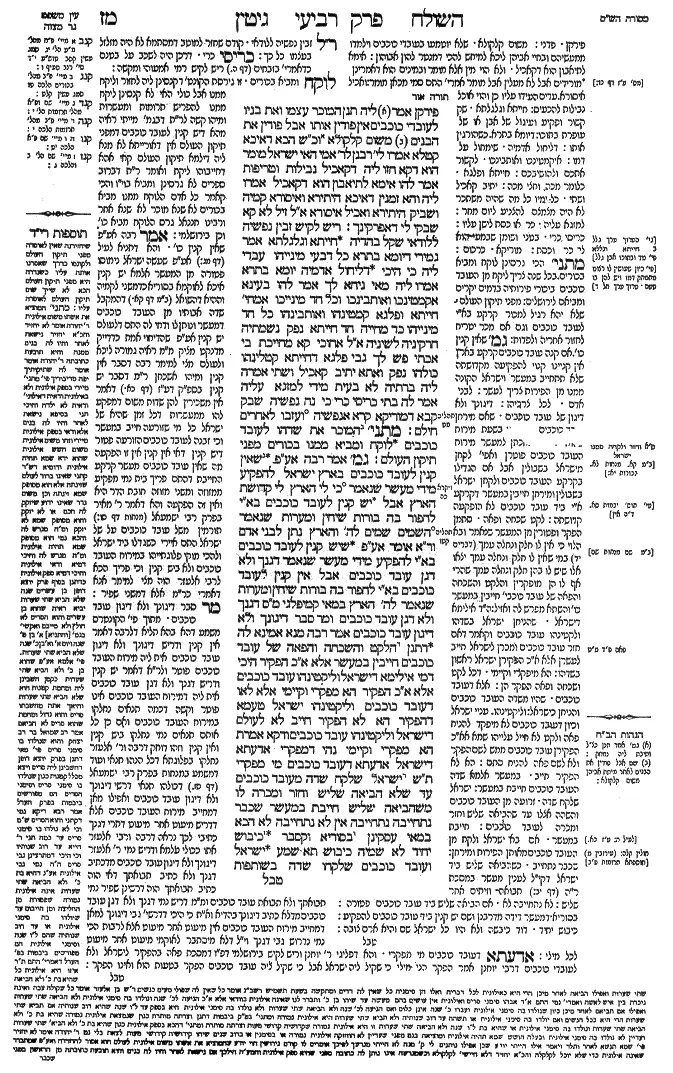
Gittin 47a - Guemara
פירקן אמר ליה תנן המוכר עצמו ואת בניו לעובדי כוכבים אין פודין אותו אבל פודין את הבנים משום קלקולא וכ"ש הכא דאיכא קטלא אמרו לי' רבנן לר' אמי האי ישראל מומר הוא דקא חזו ליה דקאכיל נבילות וטריפות אמר להו אימא לתיאבון הוא דקאכיל אמרו ליה והא זמנין דאיכא היתירא ואיסורא קמיה ושביק היתירא ואכיל איסורא א"ל זיל לא קא שבקי לי דאפרקינך:
ריש לקיש זבין נפשיה ללודאי שקל בהדיה חייתא וגלגלתא אמר גמירי דיומא בתרא כל דבעי מינייהו עבדי ליה כי היכי דליחול אדמיה יומא בתרא אמרו ליה מאי ניחא לך אמר להו בעינא אקמטינכו ואותבינכו וכל חד מינייכו אמחי' חייתא ופלגא קמטינהו ואותבינהו כל חד מינייהו כד מחייה חד חייתא נפק נשמתיה חרקיניה לשיניה א"ל אחוכי קא מחייכת בי אכתי פש לך גבי פלגא דחייתא קטלינהו כולהו נפק ואתא יתיב קאכיל ושתי אמרה ליה ברתיה לא בעית מידי למזגא עליה אמר לה בתי כריסי כרי כי נח נפשיה שבק קבא דמוריקא קרא אנפשיה (תהלים מט, יא) ועזבו לאחרים חילם:
מתני׳ המוכר את שדהו לעובד כוכבים לוקח ומביא ממנו בכורים מפני תיקון העולם:
גמ׳ אמר רבה אע"פ שאין קנין לעובד כוכבים בארץ ישראל להפקיע מידי מעשר שנאמר (ויקרא כה, כג) כי לי הארץ לי קדושת הארץ אבל יש קנין לעובד כוכבים בא"י לחפור בה בורות שיחין ומערות שנאמר (תהלים קטו, טז) השמים שמים לה' והארץ נתן לבני אדם ור"א אומר אע"פ שיש קנין לעובד כוכבים בא"י להפקיע מידי מעשר שנאמר דגנך ולא דגן עובד כוכבים אבל אין קנין לעובד כוכבים בא"י לחפור בה בורות שיחין ומערות שנאמר לה' הארץ במאי קמיפלגי מ"ס דגנך ולא דגן עובד כוכבים ומר סבר דיגונך ולא דיגון עובד כוכבים אמר רבה מנא אמינא לה דתנן הלקט והשכחה והפאה של עובד כוכבים חייבין במעשר אלא א"כ הפקיר היכי דמי אילימא דישראל וליקטינהו עובד כוכבים אלא א"כ הפקיר הא מפקרי וקיימי אלא לאו דעובד כוכבים וליקטינהו ישראל טעמא דהפקיר הא לא הפקיר חייב לא לעולם דישראל וליקטינהו עובד כוכבים ודקא אמרת הא מפקרי וקיימי נהי דמפקרי אדעתא דישראל אדעתא דעובד כוכבים מי מפקרי ת"ש ישראל שלקח שדה מעובד כוכבים עד שלא הביאה שליש וחזר ומכרה לו משהביאה שליש חייבת במעשר שכבר נתחייבה נתחייבה אין לא נתחייבה לא הכא במאי עסקינן בסוריא וקסבר כיבוש יחיד לא שמיה כיבוש תא שמע ישראל ועובד כוכבים שלקחו שדה בשותפות
Comments from Rashi on Masechet Gittin Page 47a
פירקן . פדני: משום קלקולא . שלא יוטמעו בעובדי כוכבים וילמדו ממעשיהם ובחיי אביהן ליכא למיחש להכי דמנטר להון אבוהון: אימא לתיאבון הוא דקאכיל . ולא הוי מין אלא מומר ובמינים הוא דאמרינן מורידים אבל לא מעלין אבל מומר אמרי' התם סמי מכאן מומר: ואכיל איסורא . עדים העידו עליו כן והוי אוכל נבילות להכעיס: חייתא וגלגלתא . שק קשור ופקיע ועיגול של אבן או של עופרת בתוכו: דיומא בתרא . כשהורגין אותו: דליחול אדמיה . שימחול על דמו: איקמטינכו ואותבינכו . לקשור אתכם ולהושיבכם: חייתא ופלגא . כלומר מכה וחצי מכה: יתיב קאכיל ושתי . כל ימיו כל מה שהיה משתכר לא היה מצמצם להצניע ליום מחר: למזגא עליה . כר או כסת לישן עליו: כריסי כרי . בטני ושומן שבמעי הוא לי כר וכסת: מוריקא . כרכום: מתני' הכי גרסינן לוקח ומביא בכורים . בכל שנה צריך ליקח מן העובד כוכבים ביכורי פירותיה בדמים יקרים ומביאם לירושלים: מפני תיקון העולם . שלא יהא רגיל למכור קרקע בא"י לעובד כוכבים וגם אם מכר יטריח לחזור אחריה ולפדות: גמ' שאין קנין כו' . אם קנה עובד כוכבים קרקע בארץ אין קניינו קנוי להפקיעה מקדושתה שלא תתחייב במעשר וישראל הקונה ממנו מן הפירות צריך לעשר: לבני אדם . לכל צרכיהן: דיגונך ולא דיגון של עובד כוכבים . שאם מירחן עובד כוכבים והן שלו בשעת מירוח שהוא גמר מלאכתן למעשר מירוח העובד כוכבים פוטרן ואפי' לקחן מישראל בשבולין אבל אם הגדילו בקרקע העובד כוכבים ולקחן ישראל בשבולין ומירחן חייבין במעשר דקרקע א"י ביד עובדי כוכבים לא הופקעה קדושתה: לקט שכחה ופאה . סתמן הפקר ופטורין מן המעשר שנאמר ובא הלוי כי אין לו חלק ונחלה עמך (דברים יד) במי שאין לו חלק ונחלה עמך יצאו אלו שיש לו בהן חלק ונחלה עמך שהרי אף לו הן מופקרין והלקט והשכחה והפאה של עובד כוכבי' חייבין במעשר כו' והשתא מפרש לה ואזיל: ה"ד אילימא דישראל . שהניחן ישראל בשדהו ולקטינהו עובד כוכבים וקאמר דאם חזר עובד כוכבים ומכרן לישראל חייב לעשרן אלא א"כ הפקירן ישראל ראשון בשדהו: הא מיפקרי וקיימי . דכל לקט ושכחה ופאה הפקר הן: אלא דעובד כוכבים . שהיו משדה העובד כוכבים והניחן כישראל: וליקטינהו . עניי ישראל וכיון דעובד כוכבים לא מיפקד להניח פאה ולקט לא חייל עלייהו שמא אא"כ הפקירן עובד כוכבים ממש לשם הפקר ולא לשם פאה להניח סתם: הא לא הפקיר חייב . במעשר אלמא שדה העובד כוכבים חייבת במעשר: ישראל שלקח שדה . זרועה מן העובד כוכבים והשהה אצלו עד שהביאה שליש וחזר ומכרה לעובד כוכבים: חייבת במעשר . אם בא ישראל ולקח מן העובד כוכבים מאותן הפירות ומירחן: שכבר נתחייב . כשהביאה שליש ביד ישראל דקי"ל לענין מעשר במסכת ר"ה (דף יב:) תבואה וזיתים אחר שליש: לא נתחייבה לא . אם הביאה שליש ביד עובד כוכבים פטורה: בסוריא . דמעשר דידה מדרבנן ושם יש קנין ביד עובד כוכבים להפקיע: כיבוש יחיד . דוד כיבשה ולא היו כל ישראל שם והיא ארם צובה:
Comments from Tosafot - Gittin 47a
ר"ל זבין נפשיה ללודאי . קודם שחזר למוטב דמסתמא לא היה מזלזל בעצמו כל כך: כריסי כרי . דרכן היה לשכב על בטנם כדאמרי' בזבחים (דף ה.) ריש לקיש רמי אמעוהי ומקשה: לוקח ומביא בכורים . זו גירסת הקונט' דקנסינן ליה לחזור וליקח ממנו אבל כולי האי לא קנסינן ליקח ממנו להפריש תרומות ומעשרות ומיהו קשה לר"ת דבגמ' מייתי ראיה מהא דיש קנין לעובד כוכבים דמפני תיקון העולם אין דאורייתא לא מנא ליה דילמא תיקון העולם קאי אהא דחייבוהו ליקח ואומר ר"ת דברוב ספרים לא גרסינן ומביא בוי"ו והכי קאמר כל אדם הלוקח ממנו מביא בכורים לא שנא מוכר לא שנא אחר ורבינו חננאל גרס הלוקח מביא כו' וכן בירושלמי: אמר רבה אע"פ שאין קנין כו' . והא דתניא לעיל (גיטין דף מג:) אע"פ שעשה ישראל נימוסו פטורה מן המעשר אלמא יש קנין איכא לאוקמא בסוריא כדמשני לקמיה וההיא דהשואל (ב"מ דף קא.) דהמקבל שדה אבותיו מן העובד כוכבים דמעשר ונותן לו ודחי לה התם דלעולם יש קנין אע"פ שהדיחוי אמת כדדייק מדנקט מציק מ"מ ראיה גמורה ליכא ולעולם מצי למימר רבה דסבר אין קנין ומיהו אשכחן ר"מ דסבר יש קנין בספ"ק דע"ז (דף כא.) דאמר אין משכירין להן שדות משום דמפקע להו ממעשרות דכל זמן שהיא של ישראל כל מי שזורעה חייב במעשר וכי זבנה לעובד כוכבים הזורעה פטור דיש קנין דאי אין קנין אין זו הפקעה מה שאין עובד כוכבים מעשר קרקע החייבת דהתם פריך בית נמי מפקיע ממזוזה ומשני מזוזה חובת הדר היא ואין זה הפקעה והא דאמר ר' מאיר בפרק רבי ישמעאל (מנחות דף סו:) תורמין משל עובד כוכבים על של ישראל התם איירי כשגדלו ביד ישראל ולהכי מוקי פלוגתייהו במירוח העובד כוכבים ולא ביש קנין וכי פריך הכא לרבי אלעזר הוה מצי למימר אנא דאמרי כר"מ אלא דמשני שפיר: מר סבר דיגונך ולא דיגון עובד כוכבים . מתוך פי' הקונטרס משמע דהא בהא תליא דלרבה דאמר אין קנין ודריש דיגונך ולא דיגון עובד כוכבים אית ליה מירוח העובד כוכבים פוטר ולר"א דאמר יש קנין ודריש דגנך ולא דגן עובד כוכבים אית ליה דמירוח העובד כוכבים אינו פוטר וקשה דכמה תנאים נחלקו במירוח העובד כוכבים ואם כן כל אותם תנאים נמי נחלקו ביש קנין ואין קנין וזהו דוחק דרבה ור' אלעזר נחלקו בפלוגתא דכל הנהו תנאי ועוד דמשמע במנחות בפרק רבי ישמעאל (דף סז.) דכולהו תנאי דרשי דיגונך ולא דיגון עובד כוכבים ואפילו מאן דמחייב מירוח העובד כוכבים אלא דדריש מיעוט אחר מיעוט דתרי דגנך כתיבי לכך נראה דרבה ורבי אלעזר אתו ככולי עלמא ודריש נמי ר' אלעזר דיגונך ולא דיגון עובד כוכבים מדכתיב דגנך ולא כתיב תבואתך דאי הוה כתיב תבואתך הוה דרשינן שפיר נמי תבואתך ולא תבואת עובד כוכבים ומ"מ דריש נמי דגנך ולא דגן עובד כוכבים מדלא כתיב דיגונך בהדיא וא"ת כי היכי דדרשי' גבי דיגונך למאן דמחייב מירוח העובד כוכבים אין מיעוט אחר מיעוט אלא לרבות הכי נמי נדרוש גבי דגנך וי"ל דלא מיסתבר לאוקמי מיעוט אחר מיעוט לכל מילי: אדעתא דעובד כוכבים מי מפקרי . והא דפליגי ר' יוחנן וריש לקיש בירושלמי דפ"ו דמסכת פאה בהפקיר לישראל ולא לעובדי כוכבים דרבי יוחנן אמר הפקר הני מילי כי שקיל ליה ישראל אבל כי שקיל ליה עובד כוכבים הפקר בטעות הוא ואינו הפקר:
Gittin 47a - Mishnah translated into english
Redeem me. Rabbi Ami said to him: We learned in a mishna: With regard to one who sells himself and his children as slaves to gentiles, he is not redeemed. However, his children are redeemed due to the harm of becoming assimilated among the gentiles, and all the more so here, where there is a concern that leaving him in bondage may lead to his death, he should be redeemed.
The Sages said to Rabbi Ami: This man is a Jewish apostate, as they saw him when he was eating unslaughtered animal carcasses and animals with a wound that will cause them to die within twelve months [tereifot]. He said to them: Say that he was eating them due to his appetite, not because he is an apostate, but because he was overcome by temptation.
They said to him: But there are times when there are permitted and forbidden foods before him, and he sets aside the permitted food and eats the forbidden food, indicating that it is not temptation alone that causes him to transgress. Once he heard this, Rabbi Ami said to that man: Go, because they do not allow me to redeem you.
The Gemara recounts a related incident: Reish Lakish sold himself to gladiators. He took a bag and a round stone inside of it with him. He said: There is a tradition that on the final day of a captive’s life, before his captors kill him, they do for him anything that he requests of them, so that he would forgive them for the spilling of his blood.
On the final day before they were set to kill him they said to him: What is amenable to you? He said to them: I want to tie you up and have you sit, and I will strike each one of you one and a half times. He tied them up and had each one of them sit. When he struck each of them with one strike with the stone in the bag, the one whom he struck died, because Reish Lakish was of great strength. Reish Lakish gritted his teeth in anger, and said to the one whom he killed, in order to prevent the others from realizing what was happening: Are you laughing at me? You still have half of a strike remaining with me, as I struck you only once. He killed them all, and Reish Lakish escaped his captors.
He left and came back home, and after some time had passed he was sitting, eating, and drinking, without concern for his livelihood. His daughter said to him: You don’t want something to lie upon? He said to her: My daughter, my belly is my pillow, and this is enough for me. When he died he left only a kav of saffron as an inheritance, and even so he recited this verse about himself: “And they leave their wealth for others” (Psalms 49:11), meaning that he was pained that he did not use all of his property. He exhibited his confidence that God would provide his needs by not saving money for the future.
MISHNA: One who sells his field to a gentile must purchase and bring the first fruits from the field that he sold, for the betterment of the world.
GEMARA: Rabba says: Even though a gentile has no capability of acquisition of land in Eretz Yisrael to cause the abrogation of the sanctity of the land, thereby removing it from the obligation to tithe its produce, as it is stated: “For the land is Mine” (Leviticus 25:23), which teaches: The sanctity of the land is Mine, and it is not abrogated when the land is sold to a gentile; a gentile does have, however, the capability of acquisition of land in Eretz Yisrael to allow him to dig pits, ditches, and caves in the land he has purchased, as it is stated: “The heavens are the heavens of the Lord; but the earth has He given to the children of men” (Psalms 115:16).
And Rabbi Elazar says: Even though a gentile has the capability of acquisition of land in Eretz Yisrael to cause the abrogation of the sanctity of the land, removing it from the obligation to tithe its produce, as it is stated with regard to tithes: “The tithe of your grain” (Deuteronomy 12:17), which teaches that it is only the grain of a Jew that is obligated in tithes and not the grain of a gentile; a gentile does not have, however, the capability of acquisition of land in Eretz Yisrael to allow him to dig pits, ditches, and caves, in the land he has purchased, as it is stated: “The earth is the Lord’s” (Psalms 24:1).
The Gemara asks: With regard to what principle do Rabba and Rabbi Elazar disagree? The Gemara answers: One Sage, Rabbi Elazar, holds that “your grain” teaches that only grain grown in the field of a Jew is obligated in tithes, but not the grain grown in the field of a gentile. And one Sage, Rabba, holds that “your grain” is not referring to the produce itself, but rather to your accumulation of the produce into a pile, which obligates the produce in tithes, and not the accumulation of the produce into a pile by a gentile, as Rabba holds that if a gentile harvests and gathers grain, the grain is not obligated in tithes.
Rabba said: From where do I say that a gentile’s acquisition of land in Eretz Yisrael does not cause the abrogation of the sanctity of the land with regard to tithes? As we learned in a mishna (Pe’a 4:9): With regard to the gleanings left for the poor, and the forgotten sheaves left for the poor, and the produce in the corner of the field, which is given to the poor [pe’a], of a gentile, one is obligated to tithe them unless the owner rendered them ownerless.
The Gemara discusses: What are the circumstances? If we say that this is referring to the gleanings, forgotten sheaves, and pe’a of a Jew, and a gentile collected them and sold them to a Jew, then how could the mishna write: Unless he rendered them ownerless? But they are already ownerless, since gleanings, forgotten sheaves, and pe’a are already ownerless, as anyone can take them. Rather, is it not the case that the mishna is referring to produce of a gentile, who then separated gleanings, forgotten sheaves, and pe’a, and declared them to be ownerless, and a Jew gathered them.
Rabba explains his inference: The reason that this produce is exempt from tithes is specifically because the gentile rendered it ownerless, but if he did not render it ownerless, then it would be obligated in tithes. One can infer from this mishna that the acquisition of land by a gentile does not cause the abrogation of the sanctity of the land with regard to tithes.
The Gemara rejects this: No, actually it may be that these were gleanings, forgotten sheaves, and pe’a of a Jew, and a gentile collected them. And that which you said: But they are already ownerless, is incorrect. Let it be that he rendered them ownerless with the intent that a Jew would collect them, but did he render them ownerless with the intent that a gentile would collect them? He did not in fact render them ownerless, as he expected only a Jew to collect them. Therefore, if a gentile collects them and sells them to a Jew, the Jew is obligated to tithe them.
The Gemara suggests: Come and hear another proof from a baraita: If there was a Jew who acquired a field from a gentile before its produce reached a third of its growth, at which point one is obligated to tithe the produce, and he then sold it to the gentile after its produce reached a third of its growth, then the owner is obligated to tithe the produce because the produce already became obligated in tithes when it reached a third of its growth while under Jewish ownership. The Gemara deduces from here: It is only when the produce became obligated in tithes while under Jewish ownership, that yes, the owner is obligated to tithe, but if the produce did not become obligated in tithes while under Jewish ownership, then no, the owner is not obligated to tithe. This teaches that produce that grows while the field is owned by a gentile is exempt from tithes, and a gentile’s acquisition in Eretz Yisrael abrogates the sanctity of the land with regard to tithes.
The Gemara rejects this: With what are we dealing here? We are not dealing with Eretz Yisrael proper, but with land in Syria, and this tanna holds that the conquest of an individual is not called a conquest. Since Syria was conquered in battle by King David, and not by the Jewish people as a whole, it is not bound by all the same halakhot that apply in Eretz Yisrael.
The Gemara suggests: Come and hear a proof from a baraita (Tosefta, Terumot 2:10): If there were a Jew and a gentile who purchased a field in partnership,
Traduction : The William Davidson digital edition of the Koren Noé Talmud, with commentary by Rabbi Adin Even-Israel Steinsaltz.