 Talmud Bavli
Gittin 86a : Youtube
Daf TubeYoutube
2 video classes :
Gittin Page 86a
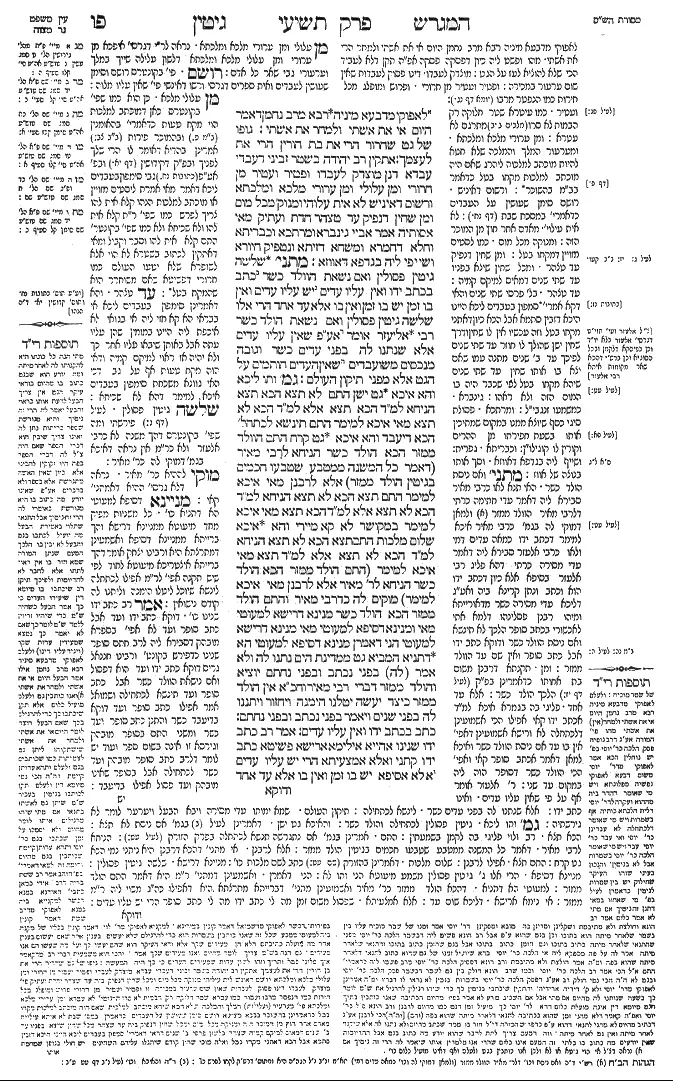
Gittin 86a - Guemara
לאפוקי מדבעא מיניה רבא מרב נחמן דאמר היום אי את אשתי ולמחר את אשתי:
גופו של גט שחרור הרי את בת חורין הרי את לעצמך:
אתקין רב יהודה בשטר זביני דעבדי עבדא דנן מוצדק לעבדו ופטיר ועטיר מן חרורי ומן עלולי ומן ערורי מלכא ומלכתא ורשום דאיניש לא אית עלוהי ומנוק' מכל מום ומן שחין דנפיק עד טצהר חדת ועתיק מאי אסותיה אמר אביי גינברא ומרתכא וכבריתא וחלא דחמרא ומשחא דזיתא ונטפיק חיורא ושייפי ליה בגדפא דאווזא:
מתני׳ שלשה גיטין פסולין ואם נשאת הוולד כשר כתב בכתב ידו ואין עליו עדים יש עליו עדים ואין בו זמן יש בו זמן ואין בו אלא עד אחד הרי אלו שלשה גיטין פסולין ואם נשאת הולד כשר רבי אליעזר אומר אע"פ שאין עליו עדים אלא שנתנו לה בפני עדים כשר וגובה מנכסים משועבדים שאין העדים חותמים על הגט אלא מפני תיקון העולם:
גמ׳ ותו ליכא והא איכא גט ישן התם לא תצא הכא תצא הניחא למ"ד הכא תצא אלא למ"ד הכא לא תצא מאי איכא למימר התם תינשא לכתחלה הכא דיעבד והא איכא גט קרח התם הוולד ממזר הכא הולד כשר הניחא לרבי מאיר (דאמר כל המשנה ממטבע שטבעו חכמים בגיטין הולד ממזר) אלא לרבנן מאי איכא למימר התם תצא הכא לא תצא הניחא למ"ד הכא לא תצא אלא למ"ד הכא תצא מאי איכא למימר במקושר לא קא מיירי והא איכא שלום מלכות התם תצא הכא לא תצא הניחא למ"ד הכא לא תצא אלא למ"ד תצא מאי איכא למימר (התם הולד ממזר הכא הולד כשר הניחא לר' מאיר אלא לרבנן מאי איכא למימר) מוקים לה כדרבי מאיר והתם הולד ממזר הכא הולד כשר מנינא דרישא למעוטי מאי ומנינא דסיפא למעוטי מאי מנינא דרישא למעוטי הני דאמרן מנינא דסיפא למעוטי הא דתניא המביא גט ממדינת הים נתנו לה ולא אמר (לה) בפני נכתב ובפני נחתם יוציא והולד ממזר דברי רבי מאיר וחכ"א אין הולד ממזר כיצד יעשה יטלנו הימנה ויחזור ויתננו לה בפני שנים ויאמר בפני נכתב ובפני נחתם:
כתב בכתב ידו ואין עליו עדים:
אמר רב כתב ידו שנינו אהייא אילימא ארישא פשיטא כתב ידו קתני ואלא אמצעיתא הרי יש עליו עדים אלא אסיפא יש בו זמן ואין בו אלא עד אחד
Comments from Rashi on Masechet Gittin Page 86a
לאפוקי מדבעא מיניה רבא מרב נחמן היום אי את אשתי ולמחר הרי את אשתי . מהו ופשט ליה כיון דפסקה פסקה אפ"ה תקן דלא לעביד הכי שלא להוציא לעז על הגט: מוצדק לעבדו . דינו פסוק לעבדות שאין שום ערעור במכירה: ופטיר ועטיר מן חרורי . ופרוש ומופלג מכל חירות כמו הנפטר מרבו (יומא דף נג.): ועטיר . כמו עיטרא שטר חלוקה רק הבמות לא סרו (מלכים ב יב) מתרגם לא עטרא: ומן ערורי מלכא ומלכתא . ומערעור המלך והמלכה שלא חטא להיות מוכתב למלכות ליהרג שאם היה מוכתב למלכות מקחו בטל כדאמר בב"מ בהשוכר: ורשום דאיניש . רושם סימן שעושין על העבדים כדאמרי' במסכת שבת (דף נח.): לא אית עילוי' . מאדם אחר חוץ מן המוכר הזה: ומנוקה מכל מום . כמו לסטים מזויין דמקחו בטל: ומן שחין דנפיק עד טצהר . וכל שחין שיצא בפניו עד שתי שנים דמאיס למיקם קמיה: עד טצהר . בל' פרסי שתי שנים והאי דקא אמרי' סמפון בעבדים ליכא היינו היכא דזבין סתמא אבל הכא כיון דאתני מקחו בטל וזה עכשיו אין לו שחין ודרך שחין ישן שהולך לו חוזר עד שתי שנים לפיכך עד ב' שנים מתנה עמו שאם יצא בו אותו שחין עד שתי שנים שיהא מקחו בטל לפי שכבר היה בו המום הזה ולא ראהו: גינברא . כמשמעו זנגבי"ל: ומרתכא . פסולת סיגי כסף שיוצא ממנו במקום שמתיכין אותו בשעת חפירתו מן ההרים וקורין לו קוגילו"ן: וכבריתא . גפרית: ושייף ליה בגדפא דאווזא . וסך אותו בנוצה של אווז: מתני' ואם ניסת הולד כשר . האי תנא לאו כרבי מאיר סבירא ליה דאמר עדי חתימה כרתי דלרבי מאיר הוולד ממזר ולמאן דמוקי לה בגמ' כרבי מאיר איכא למימר דכתב ידו כמאה עדים דמי ולאו כרבי אלעזר סבירא ליה דאמר עדי מסירה כרתי דהא פליג רבי אלעזר בסיפא אלא כיון דכתב ידו הוא וכתב ונתן קרינא ביה ואע"ג דליכא עדי מסירה כשר מדאורייתא ומיהו רבנן פסלינהו דלמא אתי לאכשורי בכתב סופר הלכך לא תינשא ואם ניסת הוולד כשר ודוקא כתב ידו אבל כתב סופר ואין שם עד הוולד ממזר: זמן . תקנתא דרבנן משום בת אחותו כדאמרינן בפ"ק (לעיל גיטין דף יז:) הלכך הולד כשר: אלא עד אחד . פליגי בה בגמרא איכא למ"ד אכתב ידו קאי אפילו הכי אשמועינן דלכתחלה לא ורישא אשמועינן דאפי' אין בו עד אם ניסת הוולד כשר ואיכא למאן דאמר אכתב סופר קאי ואפי' הכי הוולד כשר דסופר הוה ליה במקום עד שני: ר' אלעזר אומר אף על פי שאין עליו עדים . ואינו כתב ידו: אלא שנתנו לה בפני עדים כשר . לינשא לכתחילה: תיקון העולם . שמא ימותו עדי מסירה ויבא הבעל ויערער לומר לא גירשתיה: גמ' ותו ליכא . גיטין פסולין לכתחילה והולד כשר: והאיכא גט ישן . דאמרינן לעיל בגמ' אם ניסת לא תצא: הכא תצא . רב ולוי פליגי בה לקמן בשמעתין: התם . אמרינן בגמ' אם נתגרשה תנשא לכתחלה בפרק הזורק (לעיל גיטין עט:): הניחא לרבי מאיר . דאמר כל המשנה ממטבע שטבעו חכמים בגיטין הולד ממזר: אלא לרבנן . אי מתני' דהכא דרבנן היא ניתני נמי הכא גט קרח: התם תצא . אפילו לרבנן: שלום מלכות . דאמרינן בהזורק (שם עט:) כתב לשם מלכות כו': מניינא דרישא . שלשה גיטין פסולין: מניינא דסיפא . הרי אלו ג' גיטין פסולין משמע מיעוטא הני ותו לא: הני דאמרן . ואשמעינן דמתני' ר"מ היא דאמר התם הולד ממזר: למעוטי הא דתניא . דהכא הולד ממזר כר' מאיר ואשמועינן מתני' דברייתא מתרצתא היא דאפילו כה"ג משוי ליה ר"מ ממזר: אי נימא ארישא . דליכא שום עד: אלא אמצעיתא . שפסול משום זמן מה לי כתב ידו מה לי כתב סופר הרי יש עליו עדים:
Comments from Tosafot - Gittin 86a
מן עלולי ומן ערורי מלכא ומלכתא . נראה לר"י דגרסי' איפכא מן ערורי ומן עלולי מלכא ומלכתא דלשון עלילה שייך במלך וערעורי גבי שאר כל אדם: רושם . פי' בקונטרס רושם וסימן שעושין לעבדים ואית ספרים דגרסי ורשו דאינשי פי' שאין עליו מלוה: מן עלולי מלכא . כן הוא כמו שפי' בקונטרס כאן דמוכתב למלכות הוי מקח טעות כדאמרי' בהאומנין (ב"מ פ.) ובהמוכר פירות (ב"ב צב) אמרינן בהדיא דאומר לו הרי שלך לפניך ובפ"ק דקידושין (דף יא.) ובפ' אע"פ (כתובות נח.) גבי סימפון בעבדים ליכא דאמר מאי אמרת ליסטים מזויין או מוכתב למלכות הנהו קלא אית להו צריך לפרש כמו שפי' ר"ת קלא אית להו ולא שכיחא ולא כמו שפי' בקונטר' התם קלא אית להו וסבר וקביל ומאי דאתקין לכתוב בשטרא לא הוי אלא לשופרא שלא יטעו העולם כמו חרורי דפשיטא שאם משוחרר הוא שהלוקח בטל: עד טצהר . והא דאמרינן סימפון בעבדים ליכא אי בבראי הא קא חזי ליה אי בגואי לא איכפת ליה היינו במומין שהן עליו עתה אבל באותן שיבאו עליו אחר כך ולא יהיה אז ראוי למיקם קמיה ודאי הוה מקח טעות אף על גב דכי האי גוונא משכחת סימפון בעבדים איכא למימר דהא לא שכיחא: שלשה גיטין פסולין . לעיל (גיטין דף ג:) פירשתי ומה שפי' בקונטרס דהך משנה לא כרבי אלעזר ולא כר"מ אין נראה דאיכא בגמ' דמוקי לה כר' מאיר: מוקי לההיא כר' מאיר . נראה דלא גרסי' ההיא דאמתני' קאי: מניינא דסיפא למעוטי הא דתניא כו' . כל משניות מפיק מחד מיעוטא ממניינא דרישא והך ברייתא ממניינא דסיפא ואשמעינן דמתרצתא היא ורבינו יצחק אומר דהך. ברייתא איצטריכא מיעוטא לחוד לפי שיש תקנה אפי' לר"מ אפילו לכתחלה לינשא שיוכל ליטלו הימנה וליתנו לה קודם נישואין: אמר רב כתב ידו שנינו כו' . דוקא כתב ידו ועד אבל כתב סופר ועד לא אפי' בספרא מובהק דסבירא ליה לרב חתם סופר שנינו כדפירש בקונט' ורבינו חננאל גריס דוקא כתב ידו ועד הוא דפסול ואם נישאת הוולד כשר אבל כתב סופר ועד תינשא לכתחילה ושמואל אמר אפילו כתב סופר ועד דוקא בדיעבד כשר והתנן כתב סופר ועד כשר ומשני התם בסופר מובהק וגירסא זו אינה בשום ספר ועוד יש לומר דלרב כתב סופר מובהק ועד כשר לכתחילה אבל בסופר שאינו מובהק ועד פסול אפילו בדיעבד:
Gittin 86a - Mishnah translated into english
was instituted to the exclusion of that which Rava asked Rav Naḥman, with regard to a case where the husband said to his wife while handing her the bill of divorce: Today you are not my wife and tomorrow you are my wife. Does this limitation take effect? Although the conclusion of that inquiry was that once the wife is divorced she is divorced forever, Rava instituted the addition of this expression in the text of the bill of divorce to remove any uncertainty with regard to such a case.
§ It is stated in the mishna: The basic element of a bill of manumission for a maidservant is: You are hereby a free woman, or: You are hereby your own. Rav Yehuda instituted the following formulation in a document of sale for slaves: This slave is justified, i.e., fit for slavery, and he is dismissed and removed from manumission and from accusations and from contests of the king and queen, meaning that he was not sentenced to death by the governmental court. And there is not a sign [reshum] of ownership of another person on him. And he is clean of any blemish and of boils that emerge on him for four [tatzhar] years, whether new or old.
The Gemara asks tangentially: What is the cure for boils? Abaye said: One takes ginger [ginebara], and slag from silver, and sulfur [kavrita], and wine vinegar, and olive oil, and white naphtha [natpik], and spreads it with a goose feather.
MISHNA: Three bills of divorce are invalid ab initio, but if the woman marries another man on the basis of one of these bills of divorce the lineage of the offspring from this marriage is unflawed. In other words, she is not considered to be a married woman who engaged in sexual intercourse with another man, which would impair the lineage of their child.
These three bills are: A bill of divorce that the husband wrote in his handwriting but has no signatures of witnesses on the document at all, a case where there are signatures of witnesses on the document but there is no date written on it, and a case where there is a date written on it, but it contains only one witness. These are the three invalid bills of divorce with regard to which the Sages said: And if she marries, the lineage of the offspring is unflawed.
Rabbi Eliezer says: Even though there are no signatures of witnesses on the document, but he handed it to her in the presence of two witnesses, it is a valid bill of divorce. And on the basis of this bill of divorce the woman can collect the amount written for her in her marriage contract even from liened property, as Rabbi Eliezer maintains that the witnesses sign the bill of divorce only for the betterment of the world. If no witnesses sign a bill of divorce the husband can contest its validity at any time by denying that he wrote it. Nevertheless, the witnesses’ signatures are not an essential part of a bill of divorce.
GEMARA: The Gemara asks: But are there no other invalid bills of divorce? But isn’t there an outdated bill of divorce, where the husband and wife were secluded after it was written and before it was handed to her? The Gemara answers that there is a difference between the cases: There, in the case of an outdated bill of divorce, if the woman remarries on the basis of that bill of divorce she need not leave her husband; here, she must leave him.
The Gemara asks: This works out well according to the one who says that here she must leave her husband, even though the lineage of their children is unflawed. But according to the one who says that here she need not leave, what is there to say? Why is an outdated bill of divorce not mentioned in the mishna?
The Gemara answers: There is still a difference between the cases, as there, in the case of an outdated bill of divorce, she may remarry ab initio; while here, it is only after the fact, if she remarried, that she need not leave her second husband.
The Gemara asks: But isn’t there a bare bill of divorce, i.e., one that is missing a signature, which is also invalid? The Gemara answers: There, if the woman remarries based on this bill of divorce the offspring of her second marriage is a mamzer; here, the lineage of the offspring is unflawed.
The Gemara asks: This works out well according to Rabbi Meir, who said that anyone who deviates from the formula coined by the Sages with regard to bills of divorce renders the offspring a mamzer. Therefore, a bare bill of divorce is completely invalid, and if the woman remarries the offspring is a mamzer. But according to the Rabbis, who hold that the offspring is not a mamzer, what is there to say? Why is a bare bill of divorce not listed in the mishna?
The Gemara answers that there is still a distinction between the cases: There, if the woman remarries she must leave her husband, even according to the Rabbis who hold that the offspring is not a mamzer; here, she need not leave her husband.
The Gemara asks: This works out well according to the one who says that here she need not leave her husband; but according to the one who says that here she must leave her husband, what is there to say? The Gemara answers: Apparently the mishna is not speaking about a folded and tied bill of divorce, which requires a signature on every fold, but rather, an open bill of divorce. There are only three cases in which this type of a bill of divorce is invalid in a manner that obligates the woman, if she remarries, to leave her second husband, although the lineage of their children would be unflawed.
The Gemara asks: But isn’t there a bill of divorce that is invalid due to the need to maintain peaceful relations with the kingdom, as it mentions the year of the divorce according to the age of another kingdom? Why is this not mentioned in the mishna? The Gemara answers: There, she must leave her husband; here, she need not leave her husband.
The Gemara asks: This works out well according to the one who says that here she need not leave her husband. But according to the one who says that she must leave her husband, what is there to say? The Gemara answers: There, the offspring is a mamzer; here, the lineage of the offspring is unflawed.
The Gemara asks: This works out well according to Rabbi Meir; but according to the Rabbis, who hold that in the case of a bill of divorce in which the date is written according to the age of another kingdom, the offspring is not a mamzer, what is there to say? The Gemara answers: The one who holds that in the cases in the mishna the woman must leave her husband establishes it in accordance with the opinion of Rabbi Meir, according to whom there, the offspring is a mamzer. Here, the lineage of the offspring is unflawed.
The mishna emphasizes twice that there are three bills of divorce that are invalid. The Gemara asks: What does the quantity in the first clause serve to exclude? And what does the quantity in the latter clause serve to exclude?
The Gemara answers: The quantity mentioned in the first clause serves to exclude those invalid bills of divorce that we previously mentioned, which are treated either more or less stringently than the cases in the mishna.
The quantity mentioned in the latter clause serves to exclude that which is taught in a baraita: With regard to an agent who brings a bill of divorce for a certain woman from a country overseas, and gives it to her but does not say to her: It was written in my presence and it was signed in my presence, and she remarries, her second husband must divorce her, and the offspring of their marriage is a mamzer. This is the statement of Rabbi Meir.
And the Rabbis say: The offspring of the second marriage is not a mamzer; rather, how should the agent act to rectify the situation? He should take the bill of divorce from her, and give it to her again in the presence of two witnesses and say: It was written in my presence and it was signed in my presence. Since this problem can be corrected, it is not listed in the mishna as one of the invalid bills of divorce.
§ It is stated in the mishna: A bill of divorce that the husband wrote in his handwriting, but has no signatures of witnesses on it at all, is invalid; nevertheless, if the woman remarries, the lineage of the child born from her second husband is unflawed. Rav says: We learned that this is referring to his handwriting.
The Gemara asks: With regard to which clause of the mishna is this referring? If we say that it is referring to the first clause, what Rav said is obvious, as the case of his handwriting is explicitly taught in that clause.
And if it is rather referring to the middle clause, i.e., an undated bill of divorce, why does it matter whether it was written in the husband’s handwriting? Aren’t there signatures of witnesses on it? Rather, it must be referring to the latter clause in the mishna, i.e., a bill of divorce that has a date written on it but has only the signature of one witness.
Traduction : The William Davidson digital edition of the Koren Noé Talmud, with commentary by Rabbi Adin Even-Israel Steinsaltz.