 Talmud Bavli
Gittin 54a : Youtube
Daf TubeYoutube
2 video classes :
Gittin Page 54a
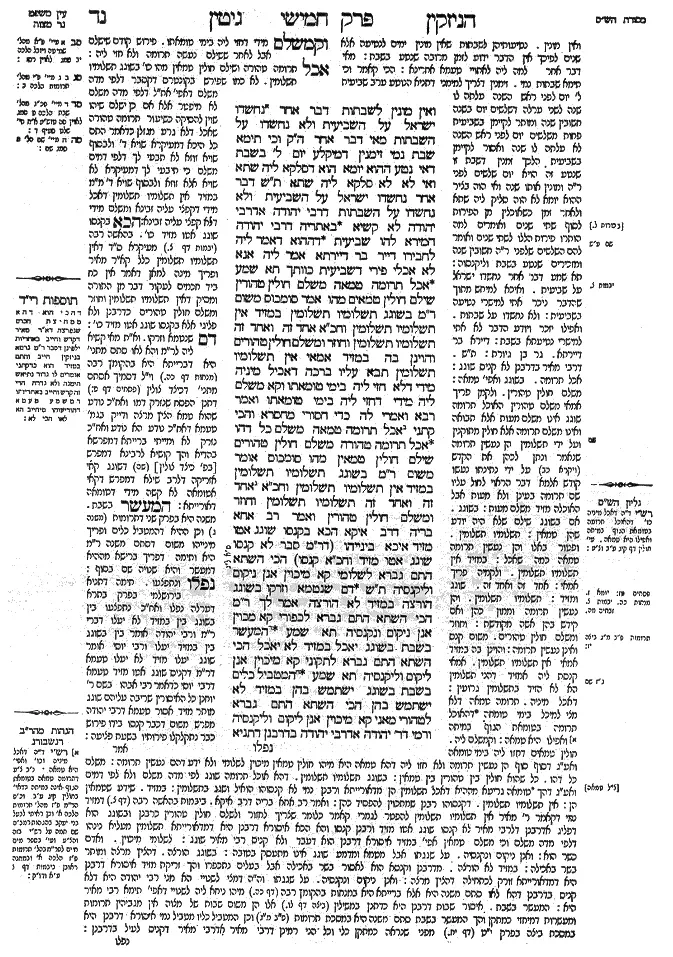
Gittin 54a - Guemara
ואין מונין לשבתות דבר אחר נחשדו ישראל על השביעית ולא נחשדו על השבתות מאי דבר אחר ה"ק וכי תימא שבת נמי זימנין דמיקלע יום ל' בשבת דאי נטע ההוא יומא הוא דסלקא ליה שתא ואי לא לא סלקא ליה שתא ת"ש דבר אחר נחשדו ישראל על השביעית ולא נחשדו על השבתות דרבי יהודה אדרבי יהודה לא קשיא באתריה דרבי יהודה חמירא להו שביעית דההוא דאמר ליה לחבירו דייר בר דיירתא אמר ליה אנא לא אכלי פירי דשביעית כוותך תא שמע אכל תרומה טמאה משלם חולין טהורין שילם חולין טמאים מהו אמר סומכוס משום ר"מ בשוגג תשלומיו תשלומין במזיד אין תשלומיו תשלומין וחכ"א אחד זה ואחד זה תשלומיו תשלומין וחוזר ומשלם חולין טהורים והוינן בה במזיד אמאי אין תשלומיו תשלומין תבא עליו ברכה דאכיל מיניה מידי דלא חזי ליה בימי טומאתו וקא משלם ליה מידי דחזי ליה בימי טומאתו ואמר רבא ואמרי לה כדי חסורי מחסרא והכי קתני אכל תרומה טמאה משלם כל דהו אכל תרומה טהורה משלם חולין טהורים שילם חולין טמאין מהו סומכוס אומר משום ר"מ בשוגג תשלומיו תשלומין במזיד אין תשלומיו תשלומין וחכ"א אחד זה ואחד זה תשלומיו תשלומין וחוזר ומשלם חולין טהורין ואמר רב אחא בריה דרב איקא הכא בקנסו שוגג אטו מזיד איכא בינייהו (דר"מ סבר לא קנסו שוגג אטו מזיד וחכ"א קנסו) הכי השתא התם גברא לשלומי קא מיכוין אנן ניקום וליקנסיה ת"ש דם שנטמא וזרקו בשוגג הורצה במזיד לא הורצה אמר לך ר"מ הכי השתא התם גברא לכפורי קא מכוין אנן ניקום ונקנסיה תא שמע המעשר בשבת בשוגג יאכל במזיד לא יאכל הכי השתא התם גברא לתקוני קא מיכוין אנן ליקום וליקנסיה תא שמע המטביל כלים בשבת בשוגג ישתמש בהן במזיד לא ישתמש בהן הכי השתא התם גברא לטהורי מאני קא מיכוין אנן ליקום וליקנסיה ורמי דר' יהודה אדרבי יהודה בדרבנן דתניא
Comments from Rashi on Masechet Gittin Page 54a
ואין מונין . נטיעותיהן לשבתות שאין מונין ימים לנטיעה אלא שנים לפיכך אין הדבר ידוע לזמן מרובה שנטע בשבת: מאי דבר אחר . למה ליה לאתויי טעמא אחרינא: הכי קאמר וכי תימא שבתות נמי . זימנין דצריך למימני דתניא הנוטע ערב שביעית ל' יום לפני ראש השנה עלתה לו שנה לשני ערלה דשלשים יום בשנה חשובין שנה ומותר לקיימן בשביעית פחות משלשים יום לפני ראש השנה לא עלתה לו שנה ואסור לקיימן בשביעית הלכך זמנין דשבת זו שנטע זה הויא יום שלשים לפני ר"ה ומונין אותו שנה ואי הוה בציר ההוא יומא לא הוה סליק ליה שתא ולאחר זמן כשאוכלין מן הפירות לסוף שתי שנים ואומרים למה הותרו פירות הללו לשתי שנים ואומר להם השלשים שלפני ר"ה חשובין שנה ומזכירים שנטע בשבת וליקנסוה: תא שמע דבר אחר נחשדו ישראל על שביעית . ואיכא למיחש מתוך שהדבר ניכר אתי למישרי נטיעה בשביעית: ולא נחשדו על שבתות . ואפילו יזכר ויודע הדבר לא אתי למישרי נטיעתא בשבת: דיירא בר דיירתא . גר בן גיורת: ת"ש . דרבי מאיר בדרבנן לא קניס שוגג: אכל תרומה . בשוגג ואפי' טמאה: משלם חולין טהורין . ולקמן פריך אמאי משלם טהורין האוכל תרומה שוגג אינו משלם מעות אלא תבואה ואינו משלם תרומה אלא חולין מתוקנין ועל ידי תשלומין הן נעשין תרומה שנאמר ונתן לכהן את הקדש (ויקרא כב) על ידי נתינתו נעשו קודש אלמא דבר הראוי לחול עליו שם תרומה בעינן ולא מעות אבל האוכלה מזיד משלם מעות: בשוגג . אם בשוגג שילם שלא היה יודע שהן טמאין: תשלומיו תשלומין . ופטור באלו והן נעשין תרומה טמאה כמה שאכל: במזיד אין תשלומיו תשלומין . ולקמיה פריך אמאי: אחד זה ואחד זה . שוגג ומזיד: תשלומיו תשלומין . והן נעשין תרומה וממון כהן ואם קידש בהן אשה מקודשת: וחוזר ומשלם חולין טהורים . משום קנס ואינן נעשין תרומה: והוינן בה במזיד אמאי אין תשלומיו תשלומין . אמאי קנסת ליה אמזיד דהני תשלומין הא לא הזיד בתשלומין גרועין: דאכל מיניה . תרומה טמאה דלא מצי למיכל בימי טומאה דהאוכל תרומה בטומאת הגוף במיתה ואפילו היא טמאה: וקמשלם ליה . חולין טמאים דחזו ליה בימי טומאה ואע"ג דסוף סוף הן נעשין תרומה ולא חזו ליה דהא טמאה היא מיהו חולין טמאין מיכוין לשלומי ולא ידע דהם נעשין תרומה: משלם כל דהו . כל שהוא חולין בין טהורין בין טמאין: בשוגג תשלומיו תשלומין . דהא אוכל תרומה שוגג לפי מדה משלם ולא לפי דמים ואע"ג דהך טומאה גריעא מההיא דאכל תשלומין הן מדאורייתא ורבנן נמי לא קנסוהו הואיל ושגג בתשלומין: במזיד . שידע שטמאין הן: אין תשלומיו תשלומין . דקנסוהו רבנן שמתכוין להפסיד כהן: ואמר רב אחא בריה דרב איקא . ביבמות בהאשה רבה (דף צ.) דמזיד נמי דקאמר ר' מאיר אין תשלומיו תשלומין להפטר לגמרי קאמר כלומר שצריך לחזור ולשלם חולין טהורין כרבנן ובשוגג הוא דפליג אדרבנן דלרבי מאיר לא קנסו שוגג אטו מזיד ורבנן קנסו והא הכא איסורא דרבנן היא דמדאורייתא תשלומין מעליא נינהו דלפי מדה משלם וכי משלם טמאין אפי' במזיד איסורא דרבנן הוא דעבד ולא קניס רבי מאיר שוגג: לשלומי מיכוין . ואדם כשר הוא: ואנן ניקום ונקנסיה . על שגגתו אבל מטמא ומדמע שוגג אינו מתעסק בטובה: בשוגג הורצה . דהציץ מרצה ומותר בשר באכילה: במזיד לא הורצה . מדרבנן וקנסא הוא לאסור בשר באכילה אבל בעלים נתכפרו והך זריקת מזיד איסורא דרבנן היא דמדאורייתא זורק לכתחילה דהציץ מרצה: ואנן ניקום ונקנסיה . על שגגתו וה"ה דמצי לשנויי הא מני רבי יהודה היא דלא קניס בדרבנן דהא לאו סתם משנה היא אלא ברייתא היא במנחות בהקומץ רבה (דף כה.) מיהו ניחא ליה לשנויי דאפי' תימא רבי מאיר היא: המעשר בשבת . איסור שבות דרבנן היא כדתנן במשילין (ביצה דף לו.) אלו הן משום שבות של מצוה אין מגביהין תרומות ומעשרות דמיחזי כמתקן והך המעשר בשבת סתם משנה היא במסכת תרומות (פ"ב מ"ג) וכן המטביל כליו מטביל נמי איסורא דרבנן היא במסכת ביצה בפרק י"ט (דף יח.) מפני שנראה כמתקן כלי וכל הני רמינן דרבי מאיר אדרבי מאיר דקניס לעיל בדרבנן:
Comments from Tosafot - Gittin 54a
וקמשלם מידי דחזי ליה בימי טומאתו . פירוש קודם שישלם אבל לאחר ששילם נעשה תרומה ולא חזי ליה: אכל תרומה טהורה ושילם חולין טמאין מהו כו' בשוגג תשלומיו תשלומין . לא כמו שפירש בקונטרס דקסבר דלפי מדה משלם דאפי' את"ל דלפי מדה משלם לא מיפטר אלא אם כן ישלם שיהו שוין להסיקה כשיעור תרומה טהורה שאכל דלא גרע מגזלן כדאמר התם כל היכא דמעיקרא שויא ד' ולבסוף שויא זוזא לא תבעי לך דלפי דמים משלם כי תיבעי לך דמעיקרא לא שויא אלא זוזא ולבסוף שויא ד' מ"מ במזיד אין תשלומיו תשלומין דאכל מידי דקפצי עליה זבינא ומשלם מידי דלא קפצי עליה זבינא: הכא בקנסו שוגג אטו מזיד כו' . בהאשה רבה (יבמות דף צ.) מעיקרא ס"ד דאין תשלומיו תשלומין כלל קא"ר מאיר ופריך מינה למאן דאמר אין כח ביד חכמים לעקור דבר מן התורה ומסיק דאין תשלומיו תשלומין וחוזר ומשלם חולין טהורים כדרבנן ולא פליגי אלא בקנסו שוגג אטו מזיד כו': דם שנטמא וזרקו . וא"ת מאי קשיא ליה לר"מ והא לאו סתם מתני' היא דברייתא היא בהקומץ רבה (מנחות דף כה.) וי"ל דסמיך אסתם מתני' דכיצד צולין (פסחים דף פ:) דתנן הפסח שנזרק דמו ואח"כ נודע שהוא טמא הציץ מרצה ודייק בגמ' טעמא דאח"כ נודע הא נודע ואח"כ נזרק לא ומייתי ברייתא דמפרשא בהדיא והך קושיא לרבינא דמפרש [בפ' כיצד צולין] (שם) דשוגג קאי אזריקה דלרב שילא דמפרש דקאי אטומאה לא קשה מידי דטומאה דאורייתא: המעשר בשבת . משנה היא בפרק שני דתרומות (משנה ג) וכן ההיא דהמטביל כלים ופריך מינייהו משום דסתם משנה ר"מ היא ותימה דפריך ברישא מההיא דמעשר והיא שנויה שם בסוף:
Gittin 54a - Mishnah translated into english
But they do not count from Shabbat, as there is no significance to the day of the week on which the tree was planted, and consequently no one remembers that the tree was planted on Shabbat.
Alternatively, the difference between Shabbat and the Sabbatical Year can be explained as follows: Jews are suspected of desecrating the Sabbatical Year, but they are not suspected of desecrating Shabbat. Therefore, Rabbi Meir imposes a penalty for the unintentional desecration of the Sabbatical Year, but he imposes no such penalty for the unintentional desecration of Shabbat.
The Gemara asks: What is the point of Rabbi Meir adding the second reason, introduced with the term alternatively? The Gemara answers: This is what Rabbi Meir is saying: And if you would say to contest the first reason: Jews also count from Shabbat, and unless the tree is uprooted, people will remember that it was planted on Shabbat, as at times the thirtieth day before Rosh HaShana falls on Shabbat. As, if he planted the tree on that day, the time from when he planted it counts for him as a full year with regard to the prohibition of fruit that grows during the first three years after the tree was planted. And if he did not plant it on that Shabbat, but rather on the next day, the twenty-ninth day before Rosh HaShana, it does not count for him as a full year. In such a case people will remember that the tree was planted on Shabbat, and they might come to think that planting a tree on Shabbat is permitted.
Consequently, Rabbi Meir adds: Come and hear that alternatively, the difference between Shabbat and the Sabbatical Year can be explained as follows: Jews are suspected of desecrating the Sabbatical Year, but they are not suspected of desecrating Shabbat. Therefore, Rabbi Meir imposes a penalty for the unintentional desecration of the Sabbatical Year, but not for the unintentional desecration of Shabbat.
The Gemara continues: And there is also no contradiction between one statement of Rabbi Yehuda with regard to the Sabbatical Year and the other statement of Rabbi Yehuda with regard to Shabbat. This is because in Rabbi Yehuda’s place the prohibition against desecrating the Sabbatical Year was regarded by them as a most serious one, and therefore there was no need to impose a penalty for its unintentional desecration, although it is a Torah law.
The Gemara adduces proof that this is true: It once happened that there was a certain person who said to another to insult him: Convert [dayyar], son of a convert. In anger the second person said to the first in response: At least I don’t eat produce of the Sabbatical Year as you do. This indicates that the Sabbatical Year was treated in that place as a very serious prohibition; therefore, Rabbi Yehuda deemed it unnecessary to impose a penalty for its unintentional desecration.
The Gemara proceeds to discuss another apparent contradiction between rulings of Rabbi Meir with regard to penalties imposed for the unintentional transgression of a rabbinic law: Come and hear what was taught in a baraita (Tosefta, Terumot 7:7): If one partook of teruma,which is the property of a priest, and it was ritually impure, he pays restitution with ritually pure, non-sacred produce. What is the halakha if he paid restitution with ritually impure, non-sacred produce? Sumakhos said in the name of Rabbi Meir: If he paid restitution with ritually impure, non-sacred produce unintentionally, his payment is valid. But if he did so intentionally, his payment is not valid. And the Rabbis say: Although both in this case and in that case his payment is valid, the Sages imposed a penalty and said that he returns and pays restitution a second time with ritually pure, non-sacred produce.
And we discussed the following question concerning the opinion of Rabbi Meir: In the case where he paid restitution with ritually impure, non-sacred produce intentionally, why is his payment not valid? On the contrary, blessing should come upon him, as he partook of something that is not fit for the priest to partake of even during the days of his impurity, since it is prohibited for a priest to partake of impure teruma, whether he himself is pure or impure, and he pays restitution to him with something, i.e., impure, non-sacred produce, which is at least fit for him to partake of during the days of his impurity.
And Rava said, and some say it is unattributed: The baraita is incomplete and this is what it is teaching: If one partook of ritually impure teruma, he can pay restitution with anything, even impure, non-sacred produce. If he partook of ritually pure teruma, he pays restitution with ritually pure, non-sacred produce. The baraita continues: What is the halakha if he paid restitution for ritually pure teruma with ritually impure, non-sacred produce? There is a tannaitic dispute about this. Sumakhos said in the name of Rabbi Meir: If he paid restitution with ritually impure, non-sacred produce unintentionally, his payment is valid. But if he did so intentionally, his payment is not valid. And the Rabbis say: Both in this case and in that case, his payment is valid, but the Sages imposed a penalty and said that he returns and pays restitution a second time with ritually pure, non-sacred produce.
And Rav Aḥa, son of Rav Ika, said: Here, the practical difference between Rabbi Meir and the Rabbis relates to the question of whether or not the Sages penalized an unintentional offender due to an intentional offender. Rabbi Meir holds that they did not penalize an unintentional offender due to an intentional offender, and the Rabbis say that they penalized him. Consequently, Rabbi Meir does not impose a penalty for an unintentional transgression of a rabbinic law, as by Torah law one can pay restitution to a priest with anything if he partakes of teruma. This contradicts what was stated previously, that in the case of a violation of rabbinic law, Rabbi Meir imposes a penalty even for an unintentional offense.
The Gemara answers: How can these cases be compared? There, the man intends to pay; should we arise and penalize him? It is specifically with regard to this case that Rabbi Meir holds that no penalty is imposed, as his mistake was made in the course of performing a laudatory action. By contrast, in cases where one rendered another’s produce impure and the like, there is a penalty, as the mistake was made while performing an action he should not have been performing.
The Gemara tries to bring proof concerning the previously stated opinion of Rabbi Meir that a penalty is imposed in a case of an unintentional transgression of a rabbinical law: Come and hear what was taught in a baraita: In the case of blood of an offering that became impure and a priest sprinkled it on the altar, if he did so unintentionally, the offering is accepted and achieves atonement for the owner of the offering. If he sprinkled the blood intentionally, the offering is not accepted. In any event, the tanna of this baraita did not penalize the unintentional offender due to an intentional offender, and this sprinkling of blood is prohibited by rabbinic law.
The Gemara answers: Rabbi Meir could have said to you: How can these cases be compared? There, the person intends to do a mitzva and atone; should we arise and penalize him? Here too, the mistake was made while performing a laudatory act. In such a case, even Rabbi Meir agrees that an unintentional offender is not penalized due to an intentional offender.
The Gemara attempts to adduce further proof: Come and hear what was taught in a mishna (Terumot 2:3): With regard to one who tithes produce on Shabbat, which is prohibited by rabbinic law because it appears as though he were repairing an article that requires repair, if he did this unintentionally, he may consume the produce, as it has been tithed and rendered fit for consumption. But if he did this intentionally, he may not consume it. Apparently, the Sages did not penalize the unintentional offender due to an intentional offender, although tithing produce on Shabbat is prohibited by rabbinic law. The Gemara answers: How can these cases be compared? There, the man intends to do a worthy deed and repair the produce by tithing it; should we arise and penalize him? As above, Rabbi Meir would agree that in such a case the unintentional offender is not penalized.
The Gemara brings yet another proof: Come and hear what was taught in that same mishna (Terumot 2:3): With regard to one who immerses utensils in a ritual bath on Shabbat, which is also prohibited by the Sages because it appears as if he were repairing an article that requires repair, if he immerses them unintentionally, he may use them. But if he immerses them intentionally, he may not use them. Here too the Sages did not penalize the unintentional offender due to an intentional offender. The Gemara answers as before: How can these cases be compared? There, the man intends to do a praiseworthy act and purify the utensils; should we arise and penalize him? The same distinction stated previously applies in this mishna as well.
The Gemara discusses the opinion of Rabbi Yehuda: And they raised a contradiction between one statement of Rabbi Yehuda and another statement of Rabbi Yehuda with regard to matters that are prohibited only by rabbinic law. As it is taught in a baraita:
Traduction : The William Davidson digital edition of the Koren Noé Talmud, with commentary by Rabbi Adin Even-Israel Steinsaltz.