 Talmud Bavli
Gittin 76b : Youtube
Daf TubeYoutube
2 video classes :
Gittin Page 76b
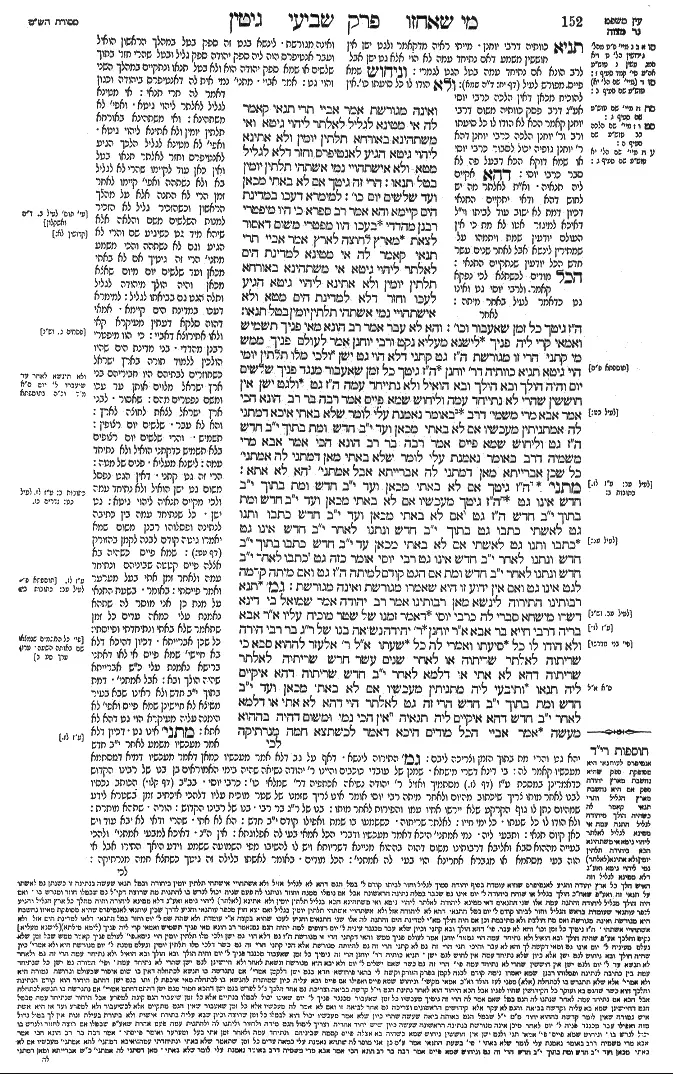
Gittin 76b - Guemara
ואינה מגורשת אמר אביי תרי תנאי קאמר לה אי מטינא לגליל לאלתר ליהוי גיטא ואי משתהינא באורחא תלתין יומין ולא אתינא ליהוי גיטא הגיע לאנטיפרס וחזר דלא לגליל מטא ולא אישתהויי נמי אשתהי תלתין יומין בטל תנאו:
הרי זה גיטך אם לא באתי מכאן ועד שלשים יום כו':
למימרא דעכו במדינת הים קיימא והא אמר רב ספרא כי הוו מיפטרי רבנן מהדדי בעכו הוו מפטרי משום דאסור לצאת מארץ לחוצה לארץ אמר אביי תרי תנאי קאמר לה אי מטינא למדינת הים לאלתר ליהוי גיטא אי משתהינא באורחא תלתין יומין ולא אתינא ליהוי גיטא הגיע לעכו וחזר דלא למדינת הים מטא ולא אישתהויי נמי אשתהי תלתין יומין בטל תנאו:
ה"ז גיטך כל זמן שאעבור וכו':
והא לא עבר אמר רב הונא מאי פניך תשמיש ואמאי קרי ליה פניך לישנא מעליא נקט ורבי יוחנן אמר לעולם פניך ממש מי קתני הרי זו מגורשת ה"ז גט קתני דלא הוי גט ישן ולכי מלו תלתין יומי הוי גיטא תניא כוותיה דר' יוחנן ה"ז גיטך כל זמן שאעבור מנגד פניך שלשים יום והיה הולך ובא הולך ובא הואיל ולא נתייחד עמה ה"ז גט ולגט ישן אין חוששין שהרי לא נתייחד עמה וליחוש שמא פייס אמר רבה בר רב הונא הכי אמר אבא מרי משמי דרב באומר נאמנת עלי לומר שלא באתי איכא דמתני לה אמתניתין מעכשיו אם לא באתי מכאן ועד י"ב חדש ומת בתוך י"ב חדש ה"ז גט וליחוש שמא פייס אמר רבה בר רב הונא הכי אמר אבא מרי משמיה דרב באומר נאמנת עלי לומר שלא באתי מאן דמתני לה אמתני' כל שכן אברייתא מאן דמתני לה אברייתא אבל אמתני' הא לא אתא:
מתני׳ ה"ז גיטך אם לא באתי מכאן ועד י"ב חדש ומת בתוך י"ב חדש אינו גט ה"ז גיטך מעכשיו אם לא באתי מכאן ועד י"ב חדש ומת בתוך י"ב חדש ה"ז גט אם לא באתי מכאן ועד י"ב חדש כתבו ותנו גט לאשתי כתבו גט בתוך י"ב חדש ונתנו לאחר י"ב חדש אינו גט כתבו ותנו גט לאשתי אם לא באתי מכאן עד י"ב חדש כתבו בתוך י"ב חדש ונתנו לאחר י"ב חדש אינו גט רבי יוסי אומר כזה גט כתבו לאחר י"ב חדש ונתנו לאחר י"ב חדש ומת אם הגט קודם למיתה ה"ז גט ואם מיתה קדמה לגט אינו גט ואם אין ידוע זו היא שאמרו מגורשת ואינה מגורשת:
גמ׳ תנא רבותינו התירוה לינשא מאן רבותינו אמר רב יהודה אמר שמואל בי דינא דשרו מישחא סברי לה כרבי יוסי דאמר זמנו של שטר מוכיח עליו א"ר אבא בריה דרבי חייא בר אבא א"ר יוחנן ר' יהודה נשיאה בנו של ר"ג בר רבי הורה ולא הודו לו כל סיעתו ואמרי לה כל שעתו א"ל ר' אלעזר לההוא סבא כי שריתוה לאלתר שריתוה או לאחר שנים עשר חדש שריתוה לאלתר שריתוה דהא לא אתי או דלמא לאחר י"ב חדש שריתוה דהא איקיים ליה תנאו ותיבעי ליה מתניתין מעכשיו אם לא באתי מכאן ועד י"ב חדש ומת בתוך י"ב חדש הרי זה גט לאלתר הוי דהא לא אתי או דלמא לאחר י"ב חדש דהא איקיים ליה תנאיה אין הכי נמי ומשום דהוה בההוא מעשה אמר אביי הכל מודים היכא דאמר לכשתצא חמה מנרתיקה
Comments from Rashi on Masechet Gittin Page 76b
ואינה מגורשת . לינשא בגט זה ספק בטל במהלך הראשון הואיל ועבר אנטיפרס הוה ליה ספק יהודה ספק גליל ובטל שהרי חזר בתוך שלשים או שמא ספק יהודה הוא ולא בטל תנאו ונתקיים במהלך השני והוי גט: אמר אביי . מתני' נמי אית לה דאנטיפרס ביהודה וכגון דאמר לה תרי תנאי: אי מטינא לגליל לאלתר ליהוי גיטא . ואפי' לא משתהינא: ואי משתהינא באורחא תלתין יומין ולא אתינא ליהוי גיטא . ואפי' לא מטינא לגליל הלכך הגיע לאנטיפרס וחזר לאלתר תנאו בטל ואין כאן עוד לקיימו שהרי לא לגליל בא ולא נשתהה ואפי' קיימו לאחר זמן הרי לא התנה אלא על מהלך הראשון וכשהזכיר גליל לא הזכיר למנות השלשים משם והלאה אלא שיהא מיד גט כשיגיע שם והרי לא הגיע וגם לא נשתהה והכי משמע מתני' הרי זה גיטיך אם לא באתי מכאן ועד שלשים יום מיום שאצא מכאן והיה הולך מיהודה לגליל ותלה הגט גם בביאתו לגליל: למימרא דעכו במדינת הים קיימא . אמאי דהוה סלקא דעתין מעיקרא קאי ולאו אתירוצא דאביי: כי הוו מיפטרי רבנן מהדדי . בני מדינת הים שהיו הולכין ללמוד תורה בארץ ישראל כשחוזרים לבתיהם היו חביריהם בני ארץ ישראל מלוים אותן עד עכו ומשם נפטרים מהם: שאסור . לבני ארץ ישראל לצאת לחוצה לארץ: והא לא עבר . שלשים יום רצופין: תשמיש . והרי שלשים יום רצופים בלא תשמיש כדקתני הואיל ולא נתיחד עמה: לישנא מעליא . פנים של מטה: הרי זה גט קתני . דאין הגט נפסל משום גט ישן הואיל ולא נתיחד עמה ולכי מקיים תנאיה ליהוי גיטא: גט ישן . כל שנתיחד עמה בין כתיבה לנתינה ופסלוהו רבנן משום שמא יאמרו גיטה קודם לבנה לקמן בהזורק (גיטין דף עט:): שמא פייס . כשהיה בא אצלה פייס קטטה שביניהם ונתיחד עמה ולאחר זמן אתי בעל מערער ואמר פייסתי: באומר . בשעת התנאי על מנת כן אני מוסר לה שתהא נאמנת עלי כמאה עדים כל זמן שתאמר שלא באתי ונתיחדתי ופייסתי: כל שכן אברייתא . דכיון דהיכא דלא בא חיישי' שמא פייס אי לאו דאתני ברישא נאמנת עלי כ"ש אברייתא שהיה הולך ובא: אבל אמתני' . דמת בתוך י"ב חדש ולא ראינו שבא בעיר משיצא לא חיישינן שמא פייס ואפי' לא הימנה עליה מעיקרא הוי גט דהא לא אתא: מתני' אינו גט . דכיון דלא אמר מעכשיו משמע לאחר י"ב חדש יהא גט והרי מת בתוך הזמן וצריכה ליבם: גמ' התירוה לינשא . דאף על גב דלא אמר מעכשיו כמאן דאמר מעכשיו דמיא דמסתמא מעכשיו קאמר לה: בי דינא דשרי מישחא . שמנן של עובדי כוכבים והיינו ר' יהודה נשיאה שהיה בימי האמוראים בן בנו של רבינו הקדוש כדאמרינן במסכת ע"ז (דף לז.) מסתמיך ואזיל ר' יהודה נשיאה אכתפיה דר' שמלאי כו': כרבי יוסי . בב"ב (דף קלו.) הכותב נכסיו לבנו לאחר מותו צריך שיכתוב מהיום ולאחר מיתה רבי יוסי אומר אינו צריך שזמנו של שטר מוכיח עליו דלהכי איכתיב זמן בשטרא לידע שמהיום נתן לו גוף הקרקע שלא יירשו אחיו עמו והפירות לאחר מותו: בנו של ר"ג בר רבי . בנו של רבינו הקדוש: הורה . שתהא מותרת: ולא הודו לו כל שעתו . כל ימי חייו: לאלתר שריתוה . כששמעו בו שמת ואפילו קודם י"ב חדש: הא לא אתי . שהרי ודאי לא יבא עוד ויש כאן קיום תנאי: ותבעי ליה . נמי אמתני' היכא דאמר מעכשיו ודברי הכל אמאי בעי לה אפלוגתא: אין ה"נ . דאיכא למבעי אמתני' ולהכי בעייה מההוא סבא ואליבא דרבותינו משום דהוה בההוא מניינא דשריותא ויש לו להשיבו מפי השמועה ששמע וידע היאך התירו אבל אי הוה בעי מסתמא או מגברא אחרינא הוי בעי לה אמתני': הכל מודים . באומר לאשתו בלילה זה גיטך כשתצא חמה מנרתיקה:
Comments from Tosafot - Gittin 76b
תניא כוותיה דרבי יוחנן . מייתי ראיה מדקאמר ולגט ישן אין חוששין משמע דאם נתיחד עמה לא הוי אלא גט ישן אבל לרב הונא אם נתיחד עמה בטל הגט לגמרי: וניחוש שמא פייס . מפורש לעיל (גיטין דף יח: ד"ה שמא) : ולא הודו לו כל סיעתו כו' . אין להוכיח מכאן דאין הלכה כרבי יוסי אע"ג דרב פסק כוותיה משום דרבי יוחנן קאמר הכא לא הודו לו כל סיעתו ורב ור' יוחנן הלכה כרבי יוחנן דהא ר' יוחנן גופיה יכול לסבור כרבי יוסי או שמא דוקא הכא דבעל פה לא סבר כרבי יוסי: דהא אקיים ליה תנאיה . וא"ת לאלתר מה יש לחוש דהא ודאי יתקיים התנאי דכיון דמת לא ישוב עוד לביתו וי"ל דאיכא למיגזר אטו לא מת כי אין העולם יודעין שמת ויתמהו על שמתירין לינשא אבל לאחר שנים עשר חדש הכל יודעין שנתקיים התנאי: הכל מודים לכשתצא לכי נפקא קאמר . ולרבי יוסי גט ואינו גט כדאמר לעיל באחר מיתה:
Gittin 76b - Mishnah translated into english
or whether she is not divorced.
Abaye said: It may be that Antipatris is in Judea and Kefar Otnai is in the Galilee. The mishna can be explained as follows: The husband was saying a statement including two conditions to her: If I arrive in the Galilee then this will be a bill of divorce immediately, or if I will tarry on the way for thirty days and I do not come back home, this will be a valid bill of divorce. If he reached Antipatris and returned within thirty days, as he did not arrive in the Galilee and he also did not tarry for thirty days, then his condition is void and his wife is not divorced.
The continuation of the mishna taught: This is your bill of divorce if I do not come back from now until the conclusion of thirty days. The Gemara asks: Is this to say that Akko is in a country overseas, and is not considered part of Eretz Yisrael? But didn’t Rav Safra say: When the Sages would take leave from one another before departing Eretz Yisrael, they would take their leave in Akko, because it is prohibited to leave from Eretz Yisrael to go outside of Eretz Yisrael? This indicates that Akko is within Eretz Yisrael.
Abaye said: The husband was saying a statement including two conditions to her: If I arrive in a country overseas, then this will be a valid bill of divorce immediately, or if I tarry thirty days on the way and I do not come back home, this will be a valid bill of divorce. If he reached Akko and returned, as he did not reach a country overseas and he also did not tarry for thirty days, his condition is void and his wife is not divorced.
§ The continuation of the mishna states: If a husband said to his wife: This is your bill of divorce if at any time I will depart from your presence for thirty consecutive days, then even if he was continually going and coming, going and coming, since he was not secluded with her during these thirty days this is a valid bill of divorce. The Gemara challenges: But did he not pass from her presence during this time, as he was going and coming the entire time? Rav Huna said: What is the meaning of the term your presence in this context? It means sexual intercourse. His actual condition was that if he will not engage in sexual intercourse with her for thirty days then the bill of divorce will be valid. And why does he call sexual intercourse your presence? He employed a euphemistic expression when he made his condition.
And Rabbi Yoḥanan disagreed and said: Actually, the husband means literally: Your presence, i.e., that he would not be in his wife’s presence for thirty consecutive days. Is the mishna teaching that she is divorced immediately? No, it is teaching only that this is a valid bill of divorce. This means that although the condition was not fulfilled during these thirty days, since he was not secluded with her this is not considered to be an outdated bill of divorce, which the Sages said may not be used for divorce. And when, at some point in the future, the thirty days during which he does pass from her presence are fulfilled, this will be a valid bill of divorce.
The Gemara comments that it is taught in a baraita (Tosefta 7:10) in accordance with the opinion of Rabbi Yoḥanan: If one says to his wife: This is your bill of divorce if at any time I will depart from your presence for thirty consecutive days, and he was going and coming, going and coming for the entire thirty days, since he was not secluded with her during that time, this is a valid bill of divorce. And one is not concerned that it is now considered an outdated bill of divorce, because he was not secluded with her.
The Gemara asks: But let there be a concern that perhaps he appeased his wife during this time that he was going and coming, and he was secluded with her. Rabba bar Rav Huna said: So said my father, my teacher, Rav Huna, in the name of Rav: The baraita is referring to a situation where the husband says: She is deemed credible by me to say that I did not come. Since the husband states explicitly that he believes her about this, if she said that he was not secluded with her then the bill of divorce remains valid.
There are those who teach this statement of Rav Huna in the name of Rav with regard to the mishna mentioned later on, which says that if the husband said to his wife: This is your bill of divorce from now if I do not come back from now until the conclusion of twelve months, and he died within twelve months, this is a valid bill of divorce. The Gemara asks: But let there be a concern that perhaps he appeased his wife during this time and was secluded with her. Rabba bar Rav Huna said: So said my father, my teacher, Rav Huna, in the name of Rav: The mishna is referring to a situation where the husband says: She is deemed credible by me to say that I did not come, and he did not appease her.
The Gemara comments: Concerning the one who taught that statement of Rav Huna in the name of Rav with regard to the mishna, all the more so would he teach this statement with regard to the baraita. Since he was constantly going and coming, the bill of divorce would be valid only if the husband stated that he trusts his wife to say that she was not secluded with him.
Concerning the one who taught this statement with regard to the baraita, it is possible that he taught this only with regard to the baraita, but with regard to the mishna, this is not the case, as he did not come back home within twelve months, but rather died. Therefore, even if he did not specify that he trusts his wife to say whether or not they were secluded, there is no concern that perhaps he was secluded with her without anyone knowing about it.
MISHNA: If a husband says to his wife: This is your bill of divorce if I do not come back from now until the conclusion of twelve months, and he died within twelve months, it is not a valid bill of divorce. This is because the bill of divorce cannot take effect after the husband’s death. As a result, she is bound by a levirate bond if her husband has no children.
By contrast, if he said to her: This is your bill of divorce from now if I do not come back from now until the conclusion of twelve months, and he died within twelve months, this is a valid bill of divorce. This is because the bill of divorce takes effect retroactively. Since he did not return within the year the condition was fulfilled.
If a husband said to others: If I do not come back from now until the conclusion of twelve months, write and give a bill of divorce to my wife, and they wrote a bill of divorce during the twelve months and gave it to her after twelve months had elapsed, it is not a valid bill of divorce because he instructed them to write the bill of divorce only after twelve months had elapsed.
Similarly, if he said to others: Write and give a bill of divorce to my wife if I do not come back from now until the conclusion of twelve months, and they wrote it during the twelve months but gave it to her after the twelve months, it is not a valid bill of divorce because he instructed them to write the bill of divorce only after twelve months had elapsed, when it was clear that he did not come back. Rabbi Yosei disagrees and says: In a case like this, it is a valid bill of divorce, as he did not tell them when to write the bill of divorce. Rather, he stipulated only the time of giving.
If they wrote the bill of divorce after twelve months had elapsed, and gave it after twelve months had elapsed, but in the interim the husband died, if the giving of the bill of divorce occurred before the husband’s death this is a valid bill of divorce. But if the husband’s death occurred before the giving of the bill of divorce it is not a valid bill of divorce. And if it is not known which occurred first, this is a case where the Sages said there is uncertainty whether she is divorced or whether she is not divorced.
GEMARA: The mishna states that if a husband said to his wife: This is your bill of divorce if I do not come back from now until the conclusion of twelve months, and the husband died within that time, it is not a valid bill of divorce. With regard to this it is taught in a baraita: Our Rabbis disagreed and permitted her to marry without requiring ḥalitza because they hold that it is a valid bill of divorce.
The Gemara clarifies: Who are our Rabbis mentioned in this baraita? Rav Yehuda said that Shmuel said: They are the court that permitted consuming oil manufactured by gentiles. Why do they hold that this is a valid bill of divorce? They hold in accordance with the opinion of Rabbi Yosei, who says: The date written in a document proves when it takes effect. Whenever a document is dated it is assumed that the intent is for it to take effect from that date even if it does not state explicitly: From now.
Rabbi Abba, son of Rabbi Ḥiyya bar Abba, says that Rabbi Yoḥanan says: Rabbi Yehuda Nesia, son of Rabban Gamliel the son of Rabbi Yehuda HaNasi, taught this matter, and all of his colleagues [siato] did not concede to his opinion. And some say that all of his life [she’ato] they did not concede to his opinion.
Rabbi Elazar said to a certain elderly man who was a member of Rabbi Yehuda Nesia’s court: When you permitted this woman to remarry, did you permit her to remarry immediately after her husband died or did you permit her only after twelve months? Did you permit her to remarry immediately after the husband died, because he will certainly not come back? Or perhaps you permitted her to remarry only after twelve months, because only then was the husband’s condition fulfilled?
The Gemara asks: And let his dilemma be raised also with regard to the mishna, in the case where the husband said to his wife: This is your bill of divorce from now if I do not come back from now until the conclusion of twelve months, and he died within the twelve months, this is a valid bill of divorce. Is the bill of divorce valid immediately once the husband dies, because he will certainly not come back? Or perhaps the bill of divorce is valid only after twelve months have elapsed, because only then was his condition fulfilled? The Gemara answers: Yes, indeed so; this question can be asked with regard to the case in the mishna. And Rabbi Elazar asked that particular elder because he was present at that incident, and he could answer based on what actually occurred.
§ Abaye said: Everyone concedes that in a case where the husband said to his wife that the bill of divorce will take effect once the sun emerges from its sheath [minnartikah],
Traduction : The William Davidson digital edition of the Koren Noé Talmud, with commentary by Rabbi Adin Even-Israel Steinsaltz.