 Talmud Bavli
Gittin 77a : Youtube
Daf TubeYoutube
2 video classes :
Gittin Page 77a
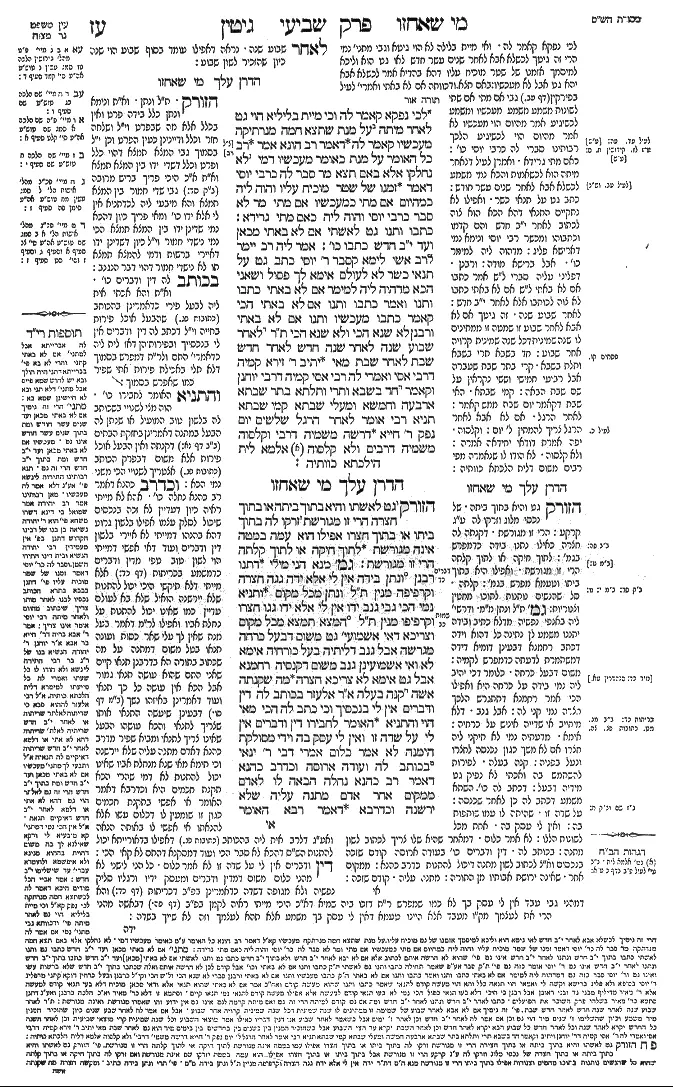
Gittin 77a - Guemara
לכי נפקא קאמר לה וכי מיית בליליא הוי גט לאחר מיתה על מנת שתצא חמה מנרתיקה מעכשיו קאמר לה דאמר רב הונא אמר רב כל האומר על מנת כאומר מעכשיו דמי לא נחלקו אלא באם תצא מר סבר לה כרבי יוסי דאמר זמנו של שטר מוכיח עליו והוה ליה כמהיום אם מתי כמעכשיו אם מתי מר לא סבר כרבי יוסי והוה ליה כאם מתי גרידא:
כתבו ותנו גט לאשתי אם לא באתי מכאן ועד י"ב חדש כתבו כו':
אמר ליה רב יימר לרב אשי לימא קסבר ר' יוסי כתב גט על תנאי כשר לא לעולם אימא לך פסול ושאני הכא מדהוה ליה למימר אם לא באתי כתבו ותנו ואמר כתבו ותנו אם לא באתי הכי קאמר כתבו מעכשיו ותנו אם לא באתי ורבנן לא שנא הכי ולא שנא הכי ת"ר לאחר שבוע שנה לאחר שנה חדש לאחר חדש שבת לאחר שבת מאי יתיב ר' זירא קמיה דרבי אסי ואמרי לה רבי אסי קמיה דרבי יוחנן וקאמר חד בשבא ותרי ותלתא בתר שבתא ארבעה וחמשא ומעלי שבתא קמי שבתא תניא רבי אומר לאחר הרגל שלשים יום נפק ר' חייא דרשה משמיה דרבי וקלסוה משמיה דרבים ולא קלסוה אלמא לית הילכתא כוותיה:
הדרן עלך מי שאחזו:
מתני׳ הזורק גט לאשתו והיא בתוך ביתה או בתוך חצרה הרי זו מגורשת זרקו לה בתוך ביתו או בתוך חצרו אפילו הוא עמה במטה אינה מגורשת לתוך חיקה או לתוך קלתה הרי זו מגורשת:
גמ׳ מנא הני מילי דתנו רבנן (דברים כד, א) ונתן בידה אין לי אלא ידה גגה חצרה וקרפיפה מנין ת"ל ונתן מכל מקום ותניא נמי הכי גבי גנב ידו אין לי אלא ידו גגו חצרו וקרפיפו מנין ת"ל (שמות כב, ג) המצא תמצא מכל מקום וצריכא דאי אשמועי' גט משום דבעל כרחה מגרשה אבל גנב דליתיה בעל כורחיה אימא לא ואי אשמועינן גנב משום דקנסיה רחמנא אבל גט אימא לא צריכא חצרה מה שקנתה אשה קנה בעלה א"ר אלעזר בכותב לה דין ודברים אין לי בנכסיך וכי כתב לה הכי מאי הוי והתניא האומר לחבירו דין ודברים אין לי על שדה זו ואין לי עסק בה וידי מסולקת הימנה לא אמר כלום אמרי דבי ר' ינאי בכותב לה ועודה ארוסה וכדרב כהנא דאמר רב כהנא נחלה הבאה לו לאדם ממקום אחר אדם מתנה עליה שלא ירשנה וכדרבא דאמר רבא האומר
Comments from Rashi on Masechet Gittin Page 77a
לכי נפקא קאמר לה . ואי מיית בלילה לא הוי גיטא וגבי מתני' נמי הרי זה גיטך לכשלא אבא לאחר שנים עשר חדש לאו גט הוא וליכא למיסמך אזמנו של שטר מוכיח עליו דהא בהדיא אמר לכשלא אבא יהא גט אבל לא מעכשיו: באם תצא . ודכוותה אם לא באתי ואמרי' לעיל בפירקין (גיטין דף עב.) גבי אם מתי אם שתי לשונות משמע משמע מעכשיו ומשמע לכשיגיע אמר מהיום הוי מעכשיו לא אמר מהיום הוי לכשיגיע הלכך רבותינו סברי לה כרבי יוסי כו': כאם מתי גרידא . ואמרן לעיל דלאחר מיתה הוא לכשאמות והכא נמי משמע לכשלא אבא לאחר שנים עשר חודש: כתב גט על תנאי כשר . ואפילו לא נתקיים התנאי דהא הכא הוא צוה לכתוב לאחר י"ב חדש והם קדמו וכתבוהו ומכשר רבי יוסי ונימא נמי דארישא פליג: מדהוה ליה למימר כו' . אבל ברישא מודה: ורבנן . דפליגי עליה סברי ל"ש אמר כתבו אם לא באתי ל"ש אם לא באתי כתבו לא צוה לכותבו אלא לאחר י"ב חדש: לאחר שבוע שנה . זה גיטך אם לא אבא לאחר שבוע זו שמטה זו ממתינים לו שנה שמינית דכל שנה שמינית קרויה אחר שבוע: חד בשבא תרי בשבא ותלת בשבא . קרי בתר שבת שעברה אבל רביעי חמישי וששי נקראין על שם שבת הבאה: קמי שבתא . האי שבת דקאמר יום שבת ממש קאמר: לאחר הרגל . אם לא אבא לאחר הרגל צריך להמתין ל' יום: וקלסוה . יפה אמרת דודאי יחידאה אמרה: ולא קלסוה . לא הודו לו שנאמרה מפי רבים משום דלית הלכתא כוותיה: מתני' הזורק גט והיא בתוך ביתה . של נכסי מלוג וזרקו לה ע"ג קרקע: הרי זו מגורשת . דקנתה לה חצרה כאילו נתנו בידה כדמפרש בגמ': לתוך חיקה או לתוך קלתה הרי זו מגורשת . ואפילו היא בתוך ביתו וטעמא מפרש בגמ': קלתה . סל שהנשים נותנות לתוכו מחטין וצנוריות: גמ' ת"ל ונתן מ"מ . ודרשי' ליה באנפי נפשיה מדלא כתיב ובידה יתננו משמע לן נתינה כל דהוא וידה דכתב רחמנא דבעינן דומיא דידה דמשתמרת לדעתה כדמפרש לקמיה: משום דבעל כרחה . כלומר דכי יהיב ליה נמי בידה על כרחה היא ואפילו הכי אמר רחמנא דתתגרש הלכך חצרה נמי קני לה: אבל גנב . דלא מיחייב אי שדייה איניש על כרחיה: אימא . מדעתיה נמי לא תיקני ליה חצרו אם לא משך כגון נכנסה לחצרו ונעל בפניה: קנה בעלה . לפירות להשתמש בה ואכתי לא נפיק גט מידיה דבעל: דכתב לה כו' . השתא משמע דכתב לה כן לאחר שכנסה: על שדה זו . שהיתה לו עמו שותפות בה: ואין לי עסק בה . אחת מכל לשונות הללו: לא אמר כלום . דמאחר שהיא שלו צריך לכתוב לשון מתנה: בכותב לה . דין ודברים כו' בעודה ארוסה קודם שזכה בנכסים וא"צ לכתוב לשון מתנה דיכול להתנות כדרב כהנא: ממקום אחר . שאינה ירושת אבותיו מן התורה: מתנה עליה . קודם שזכה:
Comments from Tosafot - Gittin 77a
לאחר שבוע שנה . נראה דאפילו עומד בסוף שבוע הוי שנה כיון שהזכיר לשון שבוע: מתני' הזורק. ת"ל ונתן . וא"ת ונימא ונתן כלל בידה פרט ואין בכלל אלא מה שבפרט וי"ל ושלחה חזר וכלל ודיינינן כעין הפרט וכן י"ל בסמוך גבי המצא תמצא דהוי כלל ופרט וכלל דשדי ידו בין המצא תמצא וא"ת א"כ היכי פריך בריש מרובה (ב"ק סד:) גבי שדי חמור בין המצא תמצא והא מיבעי ליה לכדתניא אין לי אלא ידו כו' ומאי פריך כיון דהכא נמי שדינן ידו בין המצא תמצא הכי נמי נישדי חמור וי"ל כיון דשדינן ידו דאיירי ברשות ודמי להמצא תמצא תו לא נישדי חמור דהוי דבר הנגנב: בכותב לה דין ודברים כו' . וא"ת והא אכתי אית ליה לבעל פירי כדאמרינן בהכותב (כתובות פג.) שהבעל אוכל פירות בחייה וי"ל דכתב לה דין ודברים אין לי בנכסייך ובפירותיהן דאז לית ליה כדאמרי' התם ולר"ת דמפרש בסמוך דלא תלי באכילת פירות אתי שפיר כמו שאפרש בסמוך: והתניא האומר לחבירו כו' . הוה מצי לשנויי בשכותב לה בלשון טוב המועיל או שנתן לה הבעל במתנה דאמרינן בחזקת הבתים (ב"ב דף נא:) דקנתה ואין הבעל אוכל פירות אלא משום דבפרק הכותב (כתובות פג.) אצטריך לשנויי הכי משני נמי הכא: דין ודברים אין לי על שדה זו לא אמר כלום . כל הני לישני לא מהני כלום משום דמדין ודברים ומעסק ידיו ורגליו סליק נפשיה ולא מגופה דשדה כדאמרינן בפ"ב דכריתות (דף כד:) והא דמהני גבי עבד אין לי עסק בך לא כמו שמפרש ר"ת דזכו ביה שמיא דא"כ היכי מייתי ראיה לקמן בפ"ב (גיטין דף פה.) דבאשה מהני הרי את לעצמך מק"ו מעבד אלא היינו טעמא דאין לי עסק בך משמע אלא תהא לעצמך וזה לא שייך בשדה: וכדרב כהנא דאמר רב כהנא נחלה כו' . אהא לא מייתי ראיה כיון דעדיין לא זכה בנכסים שיכול לסלק עצמו אפילו בלשון גרוע דהא בהנהו דמייתי לא איירי בלשון דין ודברים ועוד דאי אפשי דמייתי הוי לשון טוב טפי מדין ודברים כדמשמע בכריתות (דף כד:) אלא מייתי דלא תיקשי היכי יכול להתנות שלא יירשנה הואיל שלא בא לעולם עדיין כמו שאינו יכול להתנות על נחלת אביו ואפילו לר"מ דאמר בעל מנת שאין לך עלי שאר כסות ועונה תנאו בטל משום דמתנה על מה שכתוב בתורה הא בדרבנן תנאו קיים שאני התם שהוא עושה תנאי גמור אבל הכא אין עושה כל כך תנאי ועוד דאמרינן באיזהו נשך (ב"מ דף סו.) דבעינן שיעשה התנאי אותו שצריך לתנאי והכא עושהו הבעל שאינו צריך לתנאי ומביא שפיר מדרב כהנא דאדם מתנה עליה שלא יירשנה וכי תימא מאי שנא מנחלת אביו שאינו יכול להתנות לא דמי שהרי הכא תקנת חכמים היא וכדרבא דאמר האומר אי אפשי בתקנת חכמים כגון זו שומעין לו דכלום עשו אלא להנאתו אי אפשי לו באותה הנאה ואע"ג דלרב אית ליה בהכותב (כתובות פג.) דאפילו בדאורייתא יכול להתנות הש"ס דהכא לא סבר הכי ועוד דמסקנא דהתם לא קאי הכי:
Gittin 77a - Mishnah translated into english
he is saying to her that it will be valid once the sun comes out in the morning. And if the husband dies during the night, before sunrise, then this will be a bill of divorce after his death and is therefore invalid.
But if he said to her: On the condition that the sun will emerge from its sheath, then he is saying to his wife that the bill of divorce will take effect retroactively from now once the sun emerges. As Rav Huna says that Rav says: Anyone who states a condition employing the language: On the condition, is like one who states: The agreement will take effect retroactively from now.
The tanna’im disagreed only in the case of one who said to his wife: This will be your bill of divorce if the sun emerges from its sheath, and the husband died during the night. One Sage, referred to as: Our Rabbis, holds in accordance with the opinion of Rabbi Yosei, who says that the date written in a document proves when it takes effect, and it is as if the husband said: From today if I die, or as if he said: From now if I die. And one Sage, the unattributed tanna of the mishna, does not hold in accordance with the opinion of Rabbi Yosei, and it is as if the husband said only: If I die, in which case the bill of divorce is not valid because it cannot take effect after the husband’s death.
§ The mishna states that if a husband says to others: Write and give a bill of divorce to my wife if I do not come back from now until the conclusion of twelve months, and they wrote it within the twelve months but gave it to her after twelve months, it is not a valid bill of divorce. Rabbi Yosei disagrees and says: It is a valid bill of divorce.
Rav Yeimar said to Rav Ashi: Shall we say that Rabbi Yosei holds that in general, if he wrote a bill of divorce on condition then it is valid, even if the condition was not fulfilled? Rav Ashi replied: No, actually I could say to you that according to Rabbi Yosei it is invalid if the condition is not fulfilled, and here it is different. Since he could have said: If I do not come back within twelve months, write and give the bill of divorce to my wife, which would emphasize that they may write the document only if he does not come; but instead he said: Write and give a bill of divorce if I do not come back, this is what the husband is saying: Write the bill of divorce from now, and give it to my wife if I do not come back within twelve months. And what do the Rabbis hold? They hold that it is no different whether the husband formulates his instructions like this and it is no different if the husband formulates his instructions like that. The court cannot differentiate based on the minor differences in the formulation.
§ Since the mishna discussed conditions dependent on time, the Gemara cites a baraita on a similar topic. The Sages taught: If the husband said to his wife: This is your bill of divorce if I do not come back after a seven-year Sabbatical cycle, the word after means that the bill of divorce is not valid until a full year after the conclusion of the seven-year cycle. If he said: This is your bill of divorce if I do not come back after one year, it is not valid until one month after the end of that year. If he said: This is your bill of divorce if I do not come back after one month, it is not valid until one week after the end of the month.
The Gemara clarifies other similar cases not mentioned in the baraita. If the husband said: This is your bill of divorce if I do not come back after a week, then what is the halakha? The Gemara answers: Rabbi Zeira sat before Rabbi Asi, and some say that it was Rabbi Asi who sat before Rabbi Yoḥanan, and he said the following: Sunday and Monday and Tuesday are called after Shabbat. Wednesday and Thursday and Friday are all called prior to Shabbat.
It is taught in a baraita that Rabbi Yehuda HaNasi says: If a man says: This is your bill of divorce if I do not come back after the pilgrimage Festival, then the document is valid only thirty days after the festival. Rabbi Ḥiyya went out and taught this halakha in public in the name of Rabbi Yehuda HaNasi, and they praised it. He then taught it in the name of the majority, as an unattributed opinion, and they did not praise it. Apparently, the halakha is not in accordance with this ruling. Consequently, the Sages did not praise Rabbi Ḥiyya when he taught it as if it were a majority ruling, as that would cause it to be accepted as halakha.
MISHNA: In a case of one who throws a bill of divorce to his wife, and she is in her house or in her courtyard at the time, then she is divorced as though he placed the bill of divorce in her hand. If he threw it to her in his house or in his courtyard, even if the bill of divorce is with her in the bed, she is not divorced. If he threw the bill of divorce into her lap, or into her basket [kaltah], she is divorced, even if she was in her husband’s house at the time.
GEMARA: From where are these matters derived? What is the basis for the halakha that when the husband throws the bill of divorce into his wife’s house or courtyard, the divorce takes effect? The Gemara answers: It is as the Sages taught: The verse states with regard to a bill of divorce: “And gives it in her hand” (Deuteronomy 24:1), from which I have derived that she is divorced only if he actually places it in her hand. But from where do I derive that she is divorced even if he places it on her roof, in her courtyard, or in her enclosure? The verse states: “And gives it,” indicating that she is divorced in any case, regardless of the manner in which he gives her the bill of divorce.
And that is also taught in a baraita with regard to a thief. It is written: “If the theft be found in his hand” (Exodus 22:3), from which I have derived that one is liable for theft only when the stolen item was found in his hand. But from where do I derive that one is liable for theft even if it was found on his roof, in his courtyard, or in his enclosure, i.e., if the item reached his domain and he secured it with the intent to steal it? The verse states: “If the theft be found,” indicating that he is liable in any case, whether it was found in his hand or in his domain.
The Gemara comments: And it is necessary to teach this halakha in both cases. As if the Torah had taught us only with regard to a bill of divorce, one could have said: Because a husband divorces his wife against her will, the divorce is effective regardless of how the husband places the document in her possession. But a thief, who is not accountable for theft that he performs against his will, say no, he is liable only when he actually steals the item with his hand, and not when it enters his domain by other means.
And if the Torah had taught us only with regard to a thief, one could have said: Because the Merciful One penalized the thief, obligating him to pay double the value of the item, it is clear that the Torah is strict with a thief. Similarly, the Torah also deemed him responsible for an item that was not actually in his hand. But with regard to a bill of divorce, say no, the divorce is not effective unless the husband places the document in her hand. Therefore, it is necessary to teach this halakha in both cases.
§ It was taught in the mishna that if the husband threw the bill of divorce into his wife’s courtyard, she is divorced. The Gemara asks: How can she own a courtyard of her own? There is a principle: That which a woman acquired is acquired by her husband, which indicates that the husband has the rights to all profits generated by his wife’s property. Therefore, for all intents and purposes, the courtyard belongs to him for the duration of their marriage.
Rabbi Elazar says: The mishna is referring to a case where the husband writes to his wife: I have no legal dealings or involvement in your property, thereby relinquishing any ownership rights to her property.
The Gemara asks: And when he writes this to her, what of it? But isn’t it taught in a baraita: One who says to another with whom he owns a field in a partnership: I have no rights and claims to this field, or: I have no involvement with it, or: My hand is removed from it; it is as though he said nothing, since these expressions are not considered to be a withdrawal of his rights to the field.
The Gemara answers: They say in the school of Rabbi Yannai: The case is one where he writes to her and she is still only betrothed; he has yet to obtain ownership of her property, being that his rights to his wife’s property are only actuated at the time of the marriage. And this is in accordance with the statement of Rav Kahana, as Rav Kahana says: With regard to an inheritance that comes to a person from another place, i.e., it is not an inheritance from his father, a person can stipulate about it from the outset that he should not inherit it, and this condition is effective in annulling his rights to the inheritance. This teaches that as long as the property has not yet entered his possession, he can withdraw his rights to it.
And this is in accordance with the statement of Rava, as Rava says: One who says:
Traduction : The William Davidson digital edition of the Koren Noé Talmud, with commentary by Rabbi Adin Even-Israel Steinsaltz.