 Talmud Bavli
Gittin 6a : Youtube
Daf TubeYoutube
2 video classes :
Gittin Page 6a
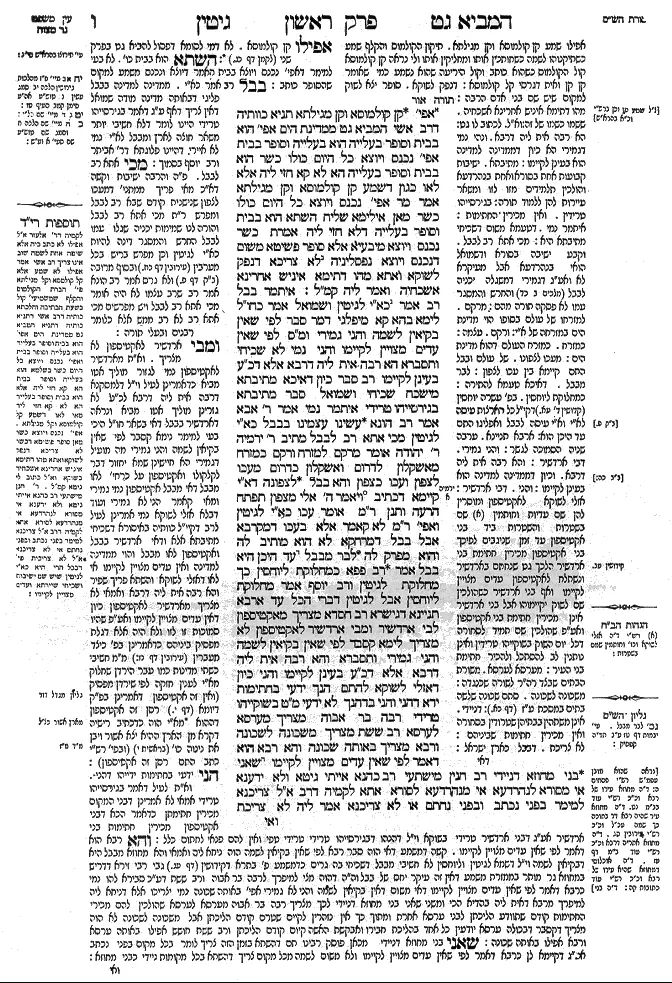
Gittin 6a - Guemara
אפי' קן קולמוסא וקן מגילתא תניא כוותיה דרב אשי המביא גט ממדינת הים אפי' הוא בבית וסופר בעלייה הוא בעלייה וסופר בבית אפי' נכנס ויוצא כל היום כולו כשר הוא בבית וסופר בעלייה הא לא קא חזי ליה אלא לאו כגון דשמע קן קולמוסא וקן מגילתא אמר מר אפי' נכנס ויוצא כל היום כולו כשר מאן אילימא שליח השתא הוא בבית וסופר בעלייה דלא חזי ליה אמרת כשר נכנס ויוצא מיבעיא אלא סופר פשיטא משום דנכנס ויוצא נפסליניה לא צריכא דנפק לשוקא ואתא מהו דתימא איניש אחרינא אשכחיה ואמר ליה קמ"ל:
איתמר בבל רב אמר כא"י לגיטין ושמואל אמר כחו"ל לימא בהא קא מיפלגי דמר סבר לפי שאין בקיאין לשמה והני גמירי ומ"ס לפי שאין עדים מצויין לקיימו והני נמי לא שכיחי ותסברא הא רבה אית ליה דרבא אלא דכ"ע בעינן לקיימו רב סבר כיון דאיכא מתיבתא מישכח שכיחי ושמואל סבר מתיבתא בגירסייהו טרידי איתמר נמי אמר ר' אבא אמר רב הונא עשינו עצמינו בבבל כא"י לגיטין מכי אתא רב לבבל מתיב ר' ירמיה ר' יהודה אומר מרקם למזרח ורקם כמזרח מאשקלון לדרום ואשקלון כדרום מעכו לצפון ועכו כצפון והא בבל לצפונה דא"י קיימא דכתיב (ירמיהו א, יד) ויאמר ה' אלי מצפון תפתח הרעה ותנן ר"מ אומר עכו כא"י לגיטין ואפי' ר"מ לא קאמר אלא בעכו דמקרבא אבל בבל דמרחקא לא הוא מותיב לה והוא מפרק לה לבר מבבל עד היכן היא היא בבל אמר רב פפא כמחלוקת ליוחסין כך מחלוקת לגיטין ורב יוסף אמר מחלוקת ליוחסין אבל לגיטין דברי הכל עד ארבא תניינא דגישרא רב חסדא מצריך מאקטיספון לבי ארדשיר ומבי ארדשיר לאקטיספון לא מצריך לימא קסבר לפי שאין בקיאין לשמה והני גמירי ותסברא והא רבה אית ליה דרבא אלא דכ"ע בעינן לקיימו והני כיון דאזלי לשוקא להתם הנך ידעי בחתימות ידא דהני והני בדהנך לא ידעי מ"ט בשוקייהו טרידי רבה בר אבוה מצריך מערסא לערסא רב ששת מצריך משכונה לשכונה ורבא מצריך באותה שכונה והא רבא הוא דאמר לפי שאין עדים מצויין לקיימו שאני בני מחוזא דניידי רב חנין מישתעי רב כהנא אייתי גיטא ולא ידענא אי מסורא לנהרדעא אי מנהרדעא לסורא אתא לקמיה דרב א"ל צריכנא למימר בפני נכתב ובפני נחתם או לא צריכנא אמר ליה לא צריכת
Comments from Rashi on Masechet Gittin Page 6a
אפילו שמע קן קולמוסא וקן מגילתא . תיקון הקולמוס והקלף שמע כשתיקנוהו לשמה כשחותכין אותו ומחליקין אותו ולי נראה קן קולמוסא קול הקולמוס כשהוא כותב וקול היריעה שהוא נשמע כמי שאומר קן קן ואית דגרסי קל קולמוסא: דנפק לשוקא . סופר יצא לשוק למקום שיש שם בני אדם הרבה: מהו דתימא איניש אחרינא אשכחיה . ששמו כשמו של זה: וא"ל . לכתוב לו גט: הא רבה אית ליה דרבא . ונהי נמי דגמירי הא כיון דממדינה למדינה הוא בעינן לקיימו: מתיבתא . ישיבות קבועות אחת בסורא ואחת בנהרדעא והולכין תלמידים מזו לזו ומשאר עיירות להן ללמוד תורה: בגירסייהו טרידין . ואין מכירין החתימות: איתמר נמי . דטעמא משום דשכיחי מתיבתא היא: מכי אתא רב לבבל . וקבע ישיבה בסורא ודשמואל הואי בנהרדעא אבל מעיקרא לא ואע"ג דגמירי דמשגלה יכניה לבבל (מלכים ב כד) והחרש והמסגר עמו לא פסקה תורה מהם: מרקם . למזרחו של עולם בסופו הוי מדינת הים במזרחה של א"י: ורקם . עצמה: כמזרח . כמזרח העולם דהוא מדינת הים: מעכו לצפונו . של עולם ובבל התם קיימא בין עכו לצפון: לבר מבבל . דאיכא טעמא להתירה: כמחלוקת ליוחסין . בפ' עשרה יוחסין (קדושין ד' עא.) דקי"ל כל הארצות עיסה לא"י וא"י עיסה לבבל ואפליגו התם עד היכן הוא: ארבא תניינא . ערבה שניה הסמוכה לגשר: והני גמירי . דבי ארדשיר: והא רבה אית ליה דרבא . וכיון דממדינה למדינה הוא בעינן לקיימו: והני . דבי ארדשיר: אזלי לשוקא . לאקטיספון ומוסרין להן שם עדיות וחותמין שם בשטרות והשטרות ביד בני אקטיספון עד זמן שניגבים לפיכך בני אקטיספון מכירין חתימת בני ארדשיר הלכך גט שנחתם בארדשיר ונשתלח לאקטיספון עדים מצויין לקיימו ואף בני ארדשיר כשהולכין שם לשוק יקיימוהו אבל בני ארדשיר אינן מכירין חתימת בני אקטיספון ואע"פ שהולכין שם תמיד לסחורה דכל יום השוק בשוקייהו טרידין ואינן נותנין לב להסתכל ולהכיר חתימת בני העיר: מערסא לערסא . משורת הבתים שבצד רה"ר לשורה שכנגדה: משכונה לשכונה . סתם שכונה שלשה בתים במסכת ע"ז (דף כא.): דניידי . אינן משתהין בבתיהן שטרודין בסחורה ואין מכירין חתימות שביניהם: לא צריכת . דבבל כארץ ישראל:
Comments from Tosafot - Gittin 6a
אפילו קן קולמוסא . לא דמי לסומא דפסול להביא גט בפרק שני (לקמן גיטין דף כג.): השתא הוא בבית כו' . לא בעי למימר דאפי' נכנס ויוצא בבית קאמר דיוצא ונכנס משמע למקום שהסופר כותב: בבל רב אמר כא"י . ממדינה למדינה בבבל פליגי דבאותה מדינה מודה שמואל דאין צריך דאף ע"ג דאמר בגירסייהו טרידי היינו לומר דלא חשיבי יותר משאר חוצה לארץ ומבבל לא"י נמי לא איירי דהיינו פלוגתא דר' אביתר ורב יוסף בסמוך: מכי אתא רב לבבל . פ"ה והרבה ישיבות וקשה דא"כ מאי פריך ממתני' דמעכו לצפון שנישנית קודם שבא רב לבבל ומפרש ר"ת מכי אתא רב לבבל והורה לנו שמימות יכניה שגלו עמו לבבל החרש והמסגר דינה להיות כא"י לגיטין וכן מפרש בריש בכל מערבין (עירובין דף כח.) ובסוף מרובה (ב"ק דף פ.) ולא גרס אמר רב: הונא אמר רב שרב עצמו לא היה אומר מכי אתא רב לבבל ויש מפרשים מכי אתא רב לא רב ממש אל"א כלומר רבנים ובעלי תורה: ומבי ארדשיר לאקטיספון לא מצריך . וא"ת מארדשיר לאקטיספון נמי לגזור מוליך אטו מביא כדאמרינן לעיל וי"ל דלמסקנא דרבה אית ליה דרבא לכ"ע לא גזרינן מוליך אטו מביא ונראה דארדשיר בבבל דאי בשאר חו"ל היכי בעי למימר נימא קסבר לפי שאין בקיאין לשמה והני גמירי מה מועיל דגמירי הא חיישינן שמא יחזור דבר לקלקולו ואקטיספון על כרחי' לאו מבבל דאי מבבל אקטיספון נמי גמירי ומאי קאמר הני לא גמירי ועוד דבלא אזלי לשוקא נמי אמרינן לעיל לרב דקיי"ל כוותיה באיסורא דשכיחי מתיבתא אלא ודאי ארדשיר בבבל ואקטיספון לאו מבבל והוי ממדינה למדינה ואין עדים מצויין לקיימו אי לאו דאזלי לשוקא והשתא פריך שפיר. והא רבה אית ליה דרבא ואמאי לא מצריך מארדשיר לאקטיספון כיון דאין עדים מצויין לקיימו ואע"פ שהיו סמוכות זו לזו ולא היה אלא דגלת מפסיק ביניהם כדאמרינן בפ' כיצד מעברין (עירובין דף נז:) מ"מ חשיבי כשתי מדינות כמו עבר הירדן שחלוק מא"י לענין חזקה לפי שירדן מפסיק (ואין זה אקטיספון דאמרינן בפ"ק דיומא (דף י.) רסן זה אקטיספון דההוא מא"י הוה כדכתיב רישיה דקרא מן הארץ ההיא יצא אשור ויבן את נינוה כו' (בראשית י) (ובפי' רש"י כתב התם רסן זה אקטיספון): הני ידעי בחתימות ידייהו דהני . וא"ת לעיל דאמר בגירסייהו טרידי אמאי לא אמרינן דבני המקום מכירין חתימתן כדאמר הכא דבני אקטיספון מכירין חתימות בני ארדשיר אע"ג דבני ארדשיר טרידי בשוקא וי"ל דהנהו דבגירסייהו טרידי טרידי טפי ואין להם פנאי לחתום כלל: והא רבא הוא דאמר לפי שאין עדים מצויין לקיימו . קשה דמשמע דאי הוה סבר רבא לפי שאין בקיאין לשמה הוה ניחא ליה ואמאי והא מחוזא מבבל היא דבקיאין לשמה וי"ל דשמא לגיטין וליוחסין לא חשיבי מבבל דשכיחי בה גרים כדמשמע פ' בתרא דקידושין (דף עג.) גבי רבי זירא דדריש במחוזא גר מותר בממזרת משמע דאין זה עיקר יחס של בבל וה"ה דהוה מצי למיפרך לרבה בר אבוה ורב ששת דע"כ סבירא להו נמי כרבא דאמר לפי שאין עדים מצויין לקיימו דאי משום דאין בקיאין לשמה והני לא גמירי אפי' באותה שכונה נמי יצריכו אלא דניחא ליה למיפרך מרבא דאית ליה בהדיא הכי ומשני שאני בני מחוזא דניידי לכך מצריך רבה בר אבוה מערסא לערסא שהולכין להם מכירי החתימות קודם שתוודע הליכתן לבני ערסא אחרת ומתוך כך אין נזהרין לקיים שטרם קודם הליכתן אבל משכונה לשכונה לא הוה מצריך דקסבר דבכולה ערסא יודעין כל אחד בהליכת חבירו ומבקשת האשה קיום קודם הליכתן ורב ששת חושש אפילו באותה ערסא ורבא אפילו באותה שכונה: שאני בני מחוזא דניידי . מכאן פוסק רבינו תם דהשתא בזמן הזה צריך לומר בכל מקום בפני נכתב אע"ג דקיימא לן כרבא דאמר לפי שאין עדים מצויין לקיימו ולא משום לשמה מכל מקום צריך דהשתא בכל מקומות ניידי כבני מחוזא:
Gittin 6a - Mishnah translated into english
Even if he heard the sound of the quill [kulmusa] and the sound of the scroll when the scribe was writing the bill of divorce for the sake of that woman, this is sufficient.
It is taught in a baraita in accordance with the opinion of Rav Ashi: With regard to one who brings a bill of divorce from a country overseas, even if he was in the house but the scribe was in the loft writing the bill of divorce, or if he was in the loft and the scribe was in the house writing the bill of divorce, and even if he was entering and exiting the entire day the bill of divorce is valid and he can testify that it was written properly.
The Gemara notes: If he was in the house and the scribe was in the loft, he does not see him at all. Rather, is it not correct to say that the baraita is speaking about a case where he heard the sound of the quill and the sound of the scroll? This is a proof which supports the statement of Rav Ashi.
The Master said above, in the baraita: Even if he was entering and exiting the entire day, the bill of divorce is valid. The Gemara asks: Who is the one entering and exiting? If we say that this is referring to the agent, who is required to later testify about the bill of divorce, now that in the case where he was in the house and the scribe was in the loft, when the agent does not see the scribe at all and nevertheless you said that the bill of divorce is valid, is it necessary to say that it is valid when he was entering and exiting the place where the bill of divorce was written? Rather, perhaps this is referring to the scribe himself, i.e., he enters and exits all day and does not write the bill of divorce in one uninterrupted act. The Gemara asks: This halakha is obvious, as would we render the bill of divorce invalid merely because he was entering and exiting?
The Gemara answers: No, it is necessary to teach the halakha in a case where the scribe exited the house to go to the market and returned to continue writing the bill of divorce. Lest you say that perhaps while he was in the market another person found him and told him to write a bill of divorce on his behalf, and he is now writing a bill of divorce for the sake of a woman other than the one for which he was writing it at the outset, the baraita therefore teaches us that this possibility is disregarded and the bill of divorce is valid.
§ It was stated that the amora’im disagreed concerning the status of Babylonia with regard to the halakhot of bills of divorce: Rav says that Babylonia is considered to be like Eretz Yisrael with regard to bills of divorce, and Shmuel says that it is considered like outside of Eretz Yisrael.
The Gemara suggests: Shall we say that Rav and Shmuel disagree with regard to this, that one Sage, Rav, holds that the reason an agent is required to say: It was written in my presence and it was signed in my presence, is because they are not experts in writing a bill of divorce for her sake, and these Babylonians are learned. And one Sage, Shmuel, holds that the reason is because there are no witnesses available to ratify it, and these Babylonians are also not frequently available.
The Gemara rejects this suggestion: And can you understand it that way? But it was already stated above that Rabba, who says that the concern is whether the document was written for her sake, is of the opinion that the reason is also in accordance with the opinion of Rava, who maintains that witnesses are also required to ratify the bill of divorce. Therefore, even if Babylonians are knowledgeable about writing a bill of divorce for the woman’s sake, Babylonia should be treated like anywhere else outside of Eretz Yisrael because witnesses are not readily available.
Rather, everyone agrees that we require witnesses to ratify it, and they disagree with regard to this: Rav holds that since there are central academies where people study, witnesses are frequently available to ratify bills of divorce. And Shmuel holds that those studying in the academies are preoccupied by their studies; therefore, they cannot be used as witnesses to confirm a bill of divorce, as they will not recognize peoples’ signatures.
It was also stated that Rabbi Abba says that Rav Huna says: We made ourselves in Babylonia like Eretz Yisrael with regard to bills of divorce, from the time when Rav came to Babylonia.
Rabbi Yirmeya raises an objection from the mishna: Rabbi Yehuda says: From Rekem eastward is considered to be part of the overseas country, and Rekem itself is like east of Eretz Yisrael. From Ashkelon southward is outside of Eretz Yisrael, and Ashkelon itself is like south of Eretz Yisrael. From Akko northward is outside of Eretz Yisrael, and Akko itself is like north of Eretz Yisrael. Rabbi Yirmeya explains his objection: But Babylonia is situated north of Eretz Yisrael, as it is written with regard to the destruction that will come through Babylonia: “Then the Lord said to me: Out of the north the evil shall break forth” (Jeremiah 1:14).
And we further learned in the mishna that Rabbi Meir says: Akko is like Eretz Yisrael with regard to bills of divorce, and even Rabbi Meir said this only with regard to Akko, which is close to Eretz Yisrael. However, with regard to Babylonia, which is far from Eretz Yisrael, no, he did not dispute the ruling that it is not considered part of Eretz Yisrael. The Gemara explains: Rabbi Yirmeya raised the objection and he resolved it himself: This border of Eretz Yisrael was stated with the exception of Babylonia.
The Gemara inquires: Until where is Babylonia? In other words, what are the boundaries of Babylonia with regard to this issue? Rav Pappa says: Just as there is a dispute concerning the boundaries of Babylonia with regard to lineage (Kiddushin 72a), as Babylonian Jews were considered to have a more prestigious lineage than those of Eretz Yisrael, so is there the same dispute with regard to bills of divorce. And Rav Yosef says: The dispute that is stated there applies only to lineage. However, with regard to bills of divorce, everyone agrees that the boundary of Babylonia is until the second arch of the bridge over the Euphrates River.
The Gemara relates: Rav Ḥisda required even those who delivered bills of divorce from Akteisfon to Bei Ardeshir to say: It was written in my presence and it was signed in my presence. But for bills of divorce brought from Bei Ardeshir to Akteisfon he did not require this declaration. The Gemara asks: Shall we say that he holds that the reason an agent is required to say that it was written and it was signed in his presence, is because they are not experts in writing a bill of divorce for her sake, and these residents of Bei Ardeshir are learned in this matter?
The Gemara asks: And can you understand it that way? But Rabba is of the opinion that the reason is also in accordance with the opinion of Rava, that it is necessary to ratify a bill of divorce. Rather, everyone agrees that we require the presence of two witnesses to ratify the document, and with regard to these residents of Bei Ardeshir, since they go to the market there, in Akteisfon, these residents of Akteisfon recognize the signatures of these inhabitants of Bei Ardeshir.
But these residents of Bei Ardeshir do not recognize the signatures of these residents of Akteisfon. What is the reason for this? They are preoccupied by their market business, as they are buying and selling their merchandise, and therefore they are not familiar with the signatures of the residents of Akteisfon.
§ The Gemara relates that Rabba bar Avuh would require that an agent state the declaration even when transmitting a bill of divorce from one side of the public domain to the other side [me’arsa le’arsa]. Rav Sheshet required that an agent state the declaration even when transmitting a bill of divorce from one group of houses to another group of houses on the same side of the public domain. And Rava required that an agent state the declaration even when transmitting a bill of divorce within the same group of houses.
The Gemara asks: But Rava is the one who said that the reason an agent must state the declaration is because there are no witnesses available to ratify it, so why would he require the declaration even when transmitting a bill of divorce within the same group of houses? The Gemara explains: Rava issued this decree only with regard to his city of Meḥoza. The reason is that the residents of Meḥoza are different, as they are constantly mobile, and do not stay in one place. Therefore, it is possible that the witnesses who were present when the bill of divorce was written have already moved elsewhere.
Rav Ḥanin relates: Rav Kahana brought a bill of divorce, and I do not know if he brought it from Sura to Neharde’a or if he brought it from Neharde’a to Sura. He came before Rav and said to him: Am I required to say: It was written in my presence and it was signed in my presence, or am I not required to state this declaration? Rav said to him: You are not required to do so.
Traduction : The William Davidson digital edition of the Koren Noé Talmud, with commentary by Rabbi Adin Even-Israel Steinsaltz.