 Talmud Bavli
Gittin 42a : Youtube
Daf TubeYoutube
2 video classes :
Gittin Page 42a
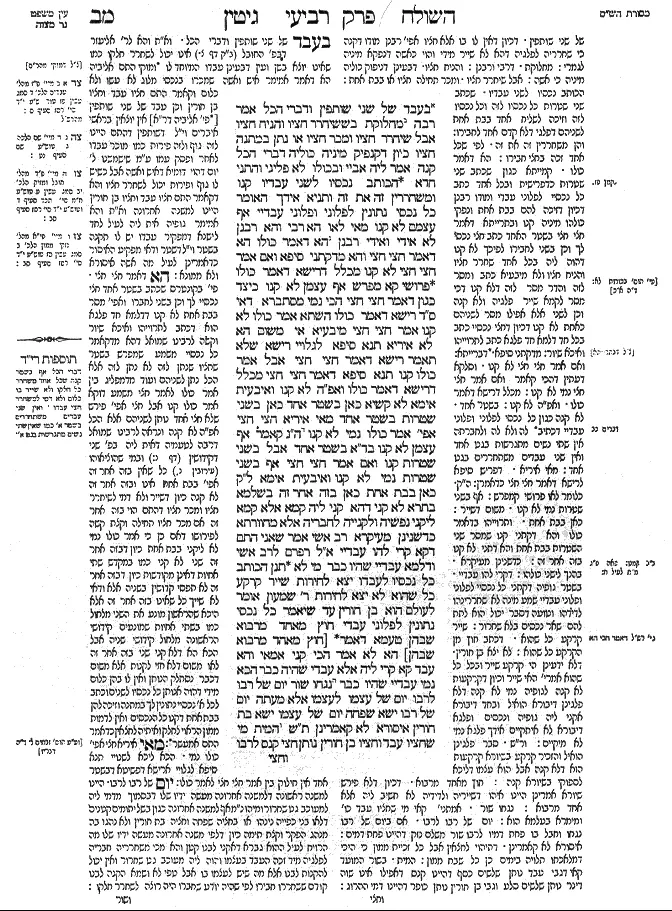
Gittin 42a - Guemara
בעבד של שני שותפין ודברי הכל אמר רבה מחלוקת בששיחרר חציו והניח חציו אבל שיחרר חציו ומכר חציו או נתן במתנה חציו כיון דקנפיק מיניה כוליה דברי הכל קנה אמר ליה אביי ובכולו לא פליגי והתני חדא הכותב נכסיו לשני עבדיו קנו ומשחררין זה את זה ותניא אידך האומר כל נכסי נתונין לפלוני ופלוני עבדיי אף עצמם לא קנו מאי לאו הא רבי והא רבנן לא אידי ואידי רבנן הא דאמר כולו הא דאמר חצי חצי והא מדקתני סיפא ואם אמר חצי חצי לא קנו מכלל דרישא דאמר כולו פרושי קא מפרש אף עצמן לא קנו כיצד כגון דאמר חצי חצי הכי נמי מסתברא דאי ס"ד רישא דאמר כולו השתא אמר כולו לא קנו אמר חצי חצי מיבעיא אי משום הא לא איריא תנא סיפא לגלויי רישא שלא תאמר רישא דאמר חצי חצי אבל אמר כולו קנו תנא סיפא דאמר חצי חצי מכלל דרישא דאמר כולו ואפ"ה לא קנו ואיבעית אימא לא קשיא כאן בשטר אחד כאן בשני שטרות בשטר אחד מאי איריא חצי חצי אפי' אמר כולו נמי לא קנו ה"נ קאמר אף עצמן לא קנו בד"א בשטר אחד אבל בשני שטרות קנו ואם אמר חצי חצי אף בשני שטרות נמי לא קנו ואיבעית אימא ל"ק כאן בבת אחת כאן בזה אחר זה בשלמא בתרא לא קני דהא קני ליה קמא אלא קמא ליקני נפשיה ולקנייה לחבריה אלא מחוורתא כדשנינן מעיקרא רב אשי אמר שאני התם דקא קרי להו עבדיי א"ל רפרם לרב אשי ודלמא עבדיי שהיו כבר מי לא תנן הכותב כל נכסיו לעבדו יצא לחירות שייר קרקע כל שהוא לא יצא לחירות ר' שמעון אומר לעולם הוא בן חורין עד שיאמר כל נכסי נתונין לפלוני עבדי חוץ מאחד מרבוא שבהן טעמא דאמר [חוץ מאחד מרבוא שבהן] הא לא אמר הכי קני אמאי והא עבד קא קרי ליה אלא עבדי שהיה כבר הכא נמי עבדיי שהיו כבר נגחו שור יום של רבו לרבו יום של עצמו לעצמו אלא מעתה יום של רבו ישא שפחה יום של עצמו ישא בת חורין איסורא לא קאמרינן ת"ש המית מי שחציו עבד וחציו בן חורין נותן חצי קנס לרבו
Comments from Rashi on Masechet Gittin Page 42a
של שני שותפין . דכיון דאין לו בו אלא חציו אפי' רבנן מודו דקנה כי שחרריה לפלגיה דהא לא שייר מידי והוי כאשה דנפקא מיניה לגמרי: מחלוקת . דרבי ורבנן: והניח חציו . דבעינן דניפוק כוליה מיניה כי אשה: אבל שיחרר חציו . ומכר תחילה חציו או בבת אחת: הכותב נכסיו לשני עבדיו . שכתב שני שטרות כל נכסיו לזה וכל נכסיו לזה וזיכה לשליח אחד בבת אחת לשניהם דפלגי דלא קדם אחד לחבירו: והן משחררין זה את זה . לפי שכל אחד זכה בחצי חבירו: הא דאמר כולו . קמייתא כגון שכתב שני שטרות כדפרישית ובכל אחד כתב כל נכסיי לפלוני עבדי ומודו רבנן דכיון דזיכה להם בבת אחת ונפקי כולהו מיניה קנו ובתרייתא דאמר חצי חצי בשטר האחד כתב חצי נכסי לך וכן בשני לחבירו לפיכך לא קנו דהוה ליה בכל אחד שחרר חציו והניח חציו ולא מיבעיא כתב ומסר לזה והדר מסר לזה דלא קנו דכי מסר לקמא שייר פלגיה ולא קנה וכן לשני אלא אפילו מסר לשניהם כאחת לא קנו דכיון דחצי נכסיי כתב בכל חד דלמא חד פלגא כתב לתרוייהו ואיכא שיור: מדקתני סיפא . דברייתא: ואם אמר חצי חצי לא קנו . וסלקא דעתין דהכי קאמר ואם אמר חצי חצי נמי לא קנו: מכלל דרישא דאמר כולו . ואפ"ה לא קנו: בשטר אחד . לא קנה כגון כל נכסי לפלוני ופלוני עבדיי דכתיב לה ולא לה ולחברתה אין שתי נשים מתגרשות בגט אחד ואין שני עבדים משתחררים בגט אחד: מאי איריא . דפריש סיפא לרישא דאמר חצי חצי כדאמרן: ה"ק . כלומר לאו פרושי קמפרש: אף בשני שטרות נמי לא קנו . משום דשייר: כאן בבת אחת . ותרוייהו בדאמר כולו והא דקתני קנו שמסר שני השטרות בבת אחת והא דתני לא קנו בזה אחר זה: כדשנינן מעיקרא . בהנך לישני כולהו: דקרי להו עבדיי . בשטר גופיה דקתני כל נכסיי לפלוני ופלוני עבדיי שמע מינה לא שחררינהו לדידהו וטועה דסבר יכול הוא לתת להם שאר נכסים בלא שחרור: שייר קרקע כל שהוא . דכתב חוץ מן הקרקע כל שהוא: לא יצא בן חורין . דלא ידעינן הי קרקע שייר ובכל כל שהוא אמרי' האי שייר וכיון דקרקעות לא קנה לגופיה נמי לא קנה דלא פלגינן דיבורא הואיל ובחד דיבורא אקני ליה גופיה ונכסים ופלגא דיבורא לא איתקיים אידך פלגא נמי לא מיקיים: ור"ש . סבר פלגינן הואיל והזכיר קרקע בשיורא קרקעות הוא דלא קנה אבל הוא עצמו דליכא לספוקי בשיורא קנה: חוץ מאחד מרבוא . דכיון דלא פירש שיורא אמרינן היינו איהו דשייריה ולדידיה לא חשיב ליה אלא אחד מרבוא: נגחו שור . אמתני' קאי מי שחציו עבד כו' ומימרא בעלמא הוא: יום של רבו לרבו . אם ביום של רבו נגחו וחבל בו פחת דמיו לרבו שור משלם נזק דהיינו פחת דמים: איסורא לא קאמרינן . דתיהוי לחצאין אבל כל זכיית ממון כי היכי דמלאכתו תלויה בימים כן כל שבח ממון: המית . בשור המועד קאי דגבי עבד נותן שלשים כסף דהיינו קנס דאפילו אינו שוה דינר נותן שלשים סלע וגבי בן חורין נותן כופר דהיינו דמי ההרוג:
Comments from Tosafot - Gittin 42a
בעבד של שני שותפין ודברי הכל . וא"ת והא לר' אליעזר דבפ' החובל (ב"ק דף צ.) אינו יכול לשחרר חלקו כמו שאינו יוצא בשן ועין דבעינן עבדו המיוחד לו ומוקי התם אליביה הא דאמר אמימר איש ואשה שמכרו בנכסי מלוג לא עשו ולא כלום וקאמר התם חציו עבד וחציו בן חורין וכן עבד של שני שותפין [. פי' אליביה דר"א] אין יוצאין בראשי איברים וי"ל דשותפין דהתם היינו לזה גוף ולזה פירות כמו מוכר עבדו לאחר ופסק עמו ע"מ שישמשנו ל' יום דהוי דומיא דאיש ואשה אבל כשיש לו גוף ופירות יכול לשחרר חציו והא דקאמר התם חציו עבד וחציו בן חורין היינו למשנה אחרונה וא"ת והא אמימר גופיה אית ליה לעיל לחד לישנא דמפקיר עבדו יש לו תקנה בשטר וי"ל דשטר ודאי מפקיע האיסור כדאמרינן לעיל מה אשה איסורא ולא ממונא: הא דאמר חצי חצי . פי' בקונטרס שכתב בשטר אחד חצי נכסיי לך וכן בשני לחברו ואפי' מסר בבת אחת לא קנו דדלמא חד פלגא הוא דכתב לתרוייהו ואיכא שיור וקשה לרבינו שמואל דהא מדקאמר כל נכסיי משמע שמפרש בשטר שחציו שנתן לזה לא נתן לזה אלא הכל נתן לשניהם ועוד מדמפליג בין אמר כולו לאמר חצי משמע דוקא אמר כולו קנו אבל חצי אפי' פירש שלא חצי אחד נותן לשניהם אלא הכל אפ"ה לא קנה ונראה לרבינו שמואל דרבה לטעמיה דאית ליה בפ' שני דקידושין (דף נ:) ובמי שהוציאוהו (עירובין נ.) כל שאין בזה אחר זה אפי' בבת אחת אינו ובזה אחר זה לא קנה כיון דשייר ולא דמי לשיחרר חציו ומכר חציו דהתם הוי בזה אחר זה אם מכר חציו תחילה וקצת קשה לפירושו דאם כן כי אמר כולו נמי לא ליקני בבת אחת כיון דבזה אחר זה שני לא קני כמו במקדש שתי אחיות דאינן מקודשות כיון דבזה אחר זה לא תפסי קדושין בשניה אלא ודאי לא שייך כל שאינו בזה אחר זה אלא היכא שהראשון מונע את השני מלחול כמו בשתי אחיות שמונעים קידושי הראשונה מלחול קידושי שניה אבל הכא הא דלא קני שני בזה אחר זה לאו משום דלא חזי לקנות אלא משום דכבר נסתלק הנותן ואין לו בהן כלום מידי דהוה אנותן כל נכסיו לשנים וכתב לכל א' נכסיי נתונין לך במתנה וזיכה להן בבת אחת דקנו כל הנכסים ואין לדמות ממון הראוי לחלק ואיתיה לחצאין כדאמר התם אמעשר: מאי איריא חצי אפי' כולו נמי . הכא ליכא לשנויי תנא סיפא לגלויי ארישא דפשיטא דבשטר אחד אין חילוק בין אמר חצי חצי לאמר כולו: יום של רבו לרבו . היינו למשנה ראשונה דלמשנה אחרונה מעשה ידיו שלו דבסמוך מדמי ליה למעוכב גט שחרור ומיהו נ"מ אף למשנה אחרונה כגון בשל יתומים קטנים דלאו בני כפייה נינהו או בחציה שפחה וחציה בת חורין ולא נהגו בה . מנהג הפקר וקצת תימה כיון דלפי משנה אחרונה מעשה ידיו שלו מה הרויח לעיל ההוא גברא דאקני לבנו קטן והא מכי משחרריה חבריה לפלגיה מיד זכה העבד בעצמו והוה ליה מעוכב גט שחרור ואין יכול להקנות לבנו אלא מה שיש לעצמו בו אבל טפי לא ושמא הקנה לבנו קודם ששחררו חבירו לפי שהיה יודע שחברו היה רוצה לשחרר חלקו:
Gittin 42a - Mishnah translated into english
The mishna is referring to a slave belonging to two partners, and in that case everyone agrees that each one of them can emancipate his portion of the slave. Consequently, there could be a half-slave half-freeman even according to Rav Yosef’s understanding of the opinion of the Rabbis.
§ The Gemara discusses another dispute with regard to one who emancipates half of his slave. Rabba said: The dispute between Rabbi Yehuda HaNasi and the Rabbis concerning whether the slave can be half-emancipated applies only when the master freed half of him and left the other half of him unaffected. However, if he freed half of him and sold the other half of him, or gave the other half of him as a gift to someone else, then, since the slave left him entirely, as the original master no longer owns any portion of the slave, everyone agrees that the slave has acquired half of his freedom.
Abaye said to him: And do they not disagree with regard to a case where he is released entirely? But it is taught in one baraita: In the case of one who writes his property to his two slaves, i.e., gives it to them via a document, they acquired the property and they free each other, because each one has ownership over half of the other slave. And it was taught in another baraita that in the case of one who says: All of my property is given to so-and-so and so-and-so my slaves, they did not acquire even themselves, and all the more so they did not acquire the property. Seemingly, the two baraitot contradict each other.
Abaye continues his question: What, is it not that the way to reconcile the baraitot is to say that this, the first baraita, is in accordance with the opinion of Rabbi Yehuda HaNasi, that emancipation can take effect with regard to half a slave? And that, the second baraita, is in accordance with the opinion of the Rabbis, who maintain that even when the master retains no hold on the slave, a slave cannot be partially released?
The Gemara offers a different reconciliation: No, both this and that baraita are in accordance with the opinion of the Rabbis. This first baraita is discussing a case where one said that he is giving all of his property to each one of the slaves. Since he gave everything to both of them, they each acquire the property, including each other, emancipate each other, and divide the property between them. That second baraita is discussing a case where one said that he is giving half of his property to one slave and half of it to the other, so neither is fully emancipated.
The Gemara challenges this explanation: But from the fact that the latter clause of the second baraita teaches: But if he said that he is giving half of his property to one slave and half of it to the other, they did not acquire the property, it may be inferred that the first clause is discussing a case where he said that he is giving all of his property to each one of them, and yet they do not acquire the property. The Gemara answers: There are not two separate cases in the baraita. Rather, the second clause is explaining the first clause of the baraita, as follows: They did not acquire even themselves. How so? For example, this is the halakha in a case where the master said that he is giving half of his property to one slave and half of it to the other.
The Gemara comments: So too, it is reasonable to say this, for if it enters your mind to say that the first clause of the baraita is discussing a case where he said that he gives all of his property to his slaves, and yet they do not acquire it, then the latter clause is unnecessary. Now that the mishna taught that if one said that he gives all of the property to his two slaves, then each slave did not acquire himself, is it necessary to state in the second clause that this is true when one gives half of his property to one slave and half of it to the other?
The Gemara answers: If it is due to that reason, there is no conclusive argument. One could say that the tanna taught the latter clause to shed light on the first clause, so that you do not say: The first clause is discussing only a case where one said that he gives half of his property to one slave and half to the other, but if one said that he gives all of it to both of them, then they did acquire the property. Therefore, the tanna taught the latter clause, where it explicitly discusses a case where he said that he gives half to one and half to the other, and by inference it is clear that the first clause must be discussing a case where he said that he gives all of it to both of them, and even so they did not acquire the property.
And if you wish, say instead that it is not difficult. It is possible to reconcile the two baraitot differently: Here, in the second baraita, where they did not acquire the property, this is a case where the master wrote everything in one document. The reason the slaves do not acquire themselves is that it is not possible to emancipate two slaves with one document. There, in the first baraita, which rules that they did acquire the property, the case is one where the master wrote the transfer of property in two documents.
The Gemara asks: If the second baraita is referring to a case where he wrote everything in one document, why specifically mention that the slaves do not acquire themselves when he gave half to one and half to the other? Even if he said all of it as well, they did not acquire the property, as was taught explicitly in the beginning of the baraita. The Gemara answers: That is also what the tanna is saying: They did not acquire even themselves. In what case is this statement said? In a case where the master wrote everything in one document. But if he wrote it in two documents, they acquired the property. And if the master said that he gives half to one and half to the other, then even if he wrote it in two documents they also did not acquire the property.
And if you wish, say instead that it is not difficult, and it is possible to reconcile the two baraitot differently: Here, the first baraita, where they did acquire the property, is referring to a case where he gave them the documents simultaneously. There, the second baraita, where they did not acquire, the property is referring to a case where he gave them the documents sequentially.
The Gemara questions this explanation: Granted, if the master gave the documents sequentially, the last slave did not acquire, for the first slave had already acquired him, as the second slave was among the possessions transferred via the first document. However, the first slave should acquire himself and should also acquire the other slave, as he was given all of the property in one document. Due to this objection, the Gemara concludes: Rather, it is clear as we initially answered, and in any case it is referring to when he gave both documents simultaneously.
Rav Ashi said: The contradiction between the baraitot can be resolved by noting that it is different there, in the second baraita, because the master calls them: My slaves. By writing: All of my property is given to so-and-so and so-and-so my slaves, he indicates that he does not intend to free them. Rafram said to Rav Ashi: But perhaps when he says: My slaves, he is referring to those who were his slaves in the past.
Rafram attempts to prove that the expression my slaves can be used in this manner. Didn’t we learn in a mishna (Pe’a 3:8): In the case of one who writes all of his property to his slave, i.e., gives it to him via a document, the slave has been emancipated. But if he reserved for himself even any amount of land, then he has not been emancipated. Rabbi Shimon says: Actually, the slave is a freeman until the master says the following: All of my property is given to so-and-so my slave except for one ten-thousandth of it, as in that case it is possible that the master meant to include the slave in the portion that he is not giving.
Rafram continues his proof: The reason the slave is not emancipated is specifically because the master said: Except for one ten-thousandth of it. But if he did not say this, then the slave acquires the property. Rafram asks: According to your reasoning, why does he acquire the property? Didn’t he call him a slave? Rather, it must be that when he called him: My slave, he meant that he was his slave in the past. Here also, when he said: My slaves, he meant: Those who were my slaves in the past. Therefore, Rav Ashi’s attempt to resolve the contradiction between the baraitot cannot be accepted.
§ If a half-slave half-freeman, who works for himself and his master on alternating days, was gored by an ox and damaged, then, if he was gored on the day of his master, the reimbursement for the damage caused is paid to his master. If it was on his own day, it is paid to the slave himself. The Gemara asks: However, if that is so, if he is viewed as entering and leaving a state of slavery each day, then on the day of his master he should be able to marry a maidservant and on his own day he should be able to marry a free woman. However, the mishna states that he cannot marry anyone. The Gemara answers: We are not saying that he is viewed as entering and leaving a state of slavery each day with regard to prohibitions.
Come and hear a proof with regard to this issue: When a Canaanite slave is killed by an ox, in addition to the ox being put to death, the owner of the ox pays a fixed penalty of thirty shekels to the slave’s owner. If a freeman is killed by an ox, in addition to the ox being put to death, the freeman’s value is paid to his heirs. If an ox killed a half-slave half-freeman, then the owner of the ox gives half of a penalty, i.e., fifteen shekels, to his master
Traduction : The William Davidson digital edition of the Koren Noé Talmud, with commentary by Rabbi Adin Even-Israel Steinsaltz.