 Talmud Bavli
The learning on the whole site is dedicated : L'ilui Nishmat Ledicia bat David Banoun
The learning on the whole site is dedicated : L'ilui Nishmat רינה בת לדיסיה
The learning on the whole site is dedicated : For the success of Elyahou ben H'anna & family
Yoma 81b : Youtube
Daf TubeYoutube
3 video classes :
Yoma Page 81b
Yoma 81b - Guemara
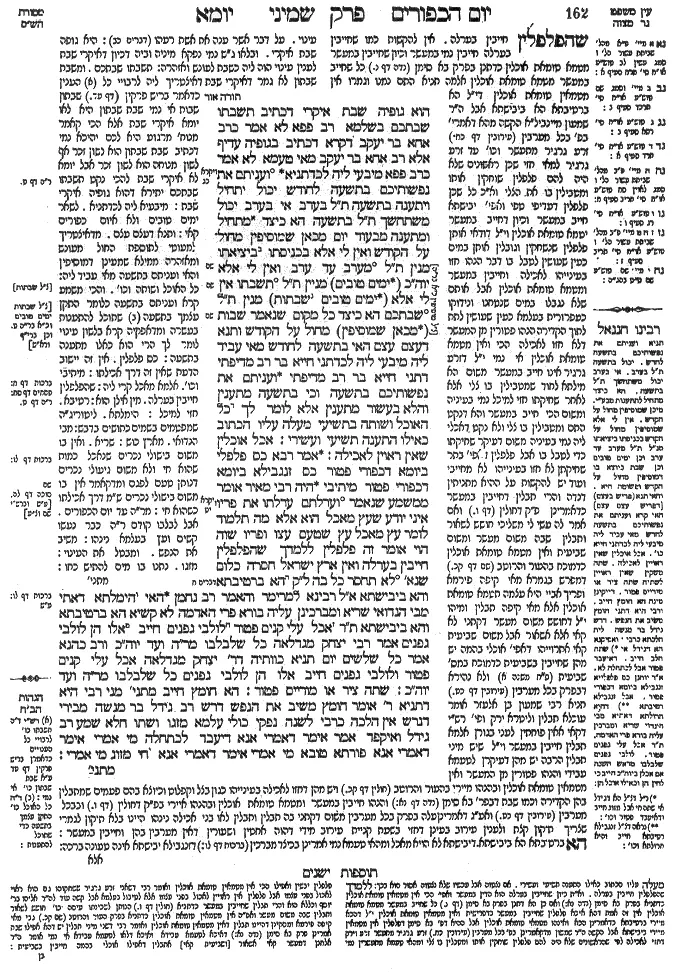
הוא גופיה שבת איקרי דכתיב תשבתו שבתכם בשלמא רב פפא לא אמר כרב אחא בר יעקב דקרא דכתיב בגופיה עדיף אלא רב אחא בר יעקב מאי טעמא לא אמר כרב פפא מיבעי ליה לכדתניא (ויקרא כג, לב) ועניתם את נפשותיכם בתשעה לחודש יכול יתחיל ויתענה בתשעה ת"ל בערב אי בערב יכול משתחשך ת"ל בתשעה הא כיצד מתחיל ומתענה מבעוד יום מכאן שמוסיפין מחול על הקודש ואין לי אלא בכניסתו ביציאתו מנין ת"ל (ויקרא כג, לב) מערב עד ערב ואין לי אלא יוה"כ (ימים טובים) מניין ת"ל (ויקרא כג, לב) תשבתו אין לי אלא (ימים טובים שבתות) מנין ת"ל (ויקרא כג, לב) שבתכם הא כיצד כל מקום שנאמר שבות (מכאן שמוסיפין) מחול על הקודש ותנא דעצם עצם האי בתשעה לחודש מאי עביד ליה מיבעי ליה לכדתני חייא בר רב מדיפתי דתני חייא בר רב מדיפתי ועניתם את נפשותיכם בתשעה וכי בתשעה מתענין והלא בעשור מתענין אלא לומר לך כל האוכל ושותה בתשיעי מעלה עליו הכתוב כאילו התענה תשיעי ועשירי אכל אוכלין שאין ראוין לאכילה אמר רבא כס פלפלי ביומא דכפורי פטור כס זנגבילא ביומא דכפורי פטור מיתיבי היה רבי מאיר אומר ממשמע שנאמר (ויקרא יט, כג) וערלתם ערלתו את פריו איני יודע שעץ מאכל הוא אלא מה תלמוד לומר עץ מאכל עץ שטעם עצו ופריו שוה הוי אומר זה פלפלין ללמדך שהפלפלין חייבין בערלה ואין ארץ ישראל חסרה כלום שנא' (דברים ח, ט) לא תחסר כל בה ל"ק הא ברטיבתא והא ביבישתא א"ל רבינא למרימר והאמר רב נחמן האי הימלתא דאתי מבי הנדואי שריא ומברכינן עליה בורא פרי האדמה לא קשיא הא ברטיבתא והא ביבישתא ת"ר אכל עלי קנים פטור לולבי גפנים חייב אלו הן לולבי גפנים אמר רבי יצחק מגדלאה כל שלבלבו מר"ה ועד יוה"כ ורב כהנא אמר כל שלשים יום תניא כוותיה דר' יצחק מגדלאה אכל עלי קנים פטור ולולבי גפנים חייב אלו הן לולבי גפנים כל שלבלבו מר"ה ועד יוה"כ שתה ציר או מורייס פטור הא חומץ חייב מתני' מני רבי היא דתניא ר' אומר חומץ משיב את הנפש דרש רב גידל בר מנשה מבירי דנרש אין הלכה כרבי לשנה נפקי כולי עלמא מזגו ושתו חלא שמע רב גידל ואיקפד אמר אימר דאמרי אנא דיעבד לכתחלה מי אמרי אימר דאמרי אנא פורתא טובא מי אמרי אימר דאמרי אנא חי מזוג מי אמרי
Comments from Rashi on Masechet Yoma Page 81b
היא גופה שבת איקרי . ובלאו ג"ש נמי נפקא מיניה וביה דכיון דאיקרי שבת לענין עינוי הוה ליה כשבת לעונש ואזהרה: תשבתו שבתכם . ומשבת שבתון לא גמר דאיקרי שבת דאיצטריך ליה לרבויי כל הענין כדאמר בריש פרקין (דף עד.) שבתון שבות אי נמי שבת שבתון היא לאו יומא איקרי שבת אלא הכי קאמר מנוח' מרגוע היא לכם והיכא נמי דכתיב שבת שבתון הוא לשון זכר אף לשון מנוחה הוא לשון זכר אבל יומא לא איקרי שבת להכי נקט תשבתו שבתכם יתירא דהוא גופיה איקרי שבת: מיבעיא ליה לכדתניא . לשאר ימים טובים ולא איום כפורים קאי: ותנא דעצם עצם . מדאיצטריך למעוטי לתוספת החול מעונש ומאזהרה ממילא שמעינן דמוסיפין והאי ועניתם בתשעה מאי עביד ליה: כל האוכל ושותה וכו' . והכי משמע קרא ועניתם בתשעה כלומר התקן עצמך בתשעה שתוכל להתענות בעשרה ומדאפקיה קרא בלשון עינוי לומר לך הרי הוא כאלו מתענה בתשעה: כס פלפלין . אין זה יישוב הדעת שאין זה דרך אכילתו: מיתיבי וכו' . אלמא מאכל קרי ליה: שהפלפלין חייבין בערלה . מין אילן הוא: רטיבא . חזי למיכל: הימלתא . ליטוריג"ה שמפטמים בשמים כתושים בדבש: מבי הנדואי . מארץ כוש: שריא . ואין בו משום בישולי נכרים שנאכל כמות שהוא חי ולא משום גיעולי נכרים דנותן טעם לפגם ומדקאמר אין בו משום בישולי נכרים ש"מ דרך אכילתו כשהוא חי: מר"ה עד יום הכפורים . אבל לבלבו קודם ר"ה כבר נעשו קשים ועץ בעלמא נינהו: משיב את הנפש . ומבטל את העינוי: מזגו . נתנו בו מים להתיש כחו:
Comments from Tosafot - Yoma 81b
שהפלפלין חייבין בערלה . אין להקשות כמו שחייבין בערלה חייבין נמי במעשר וכיון שחייבין במעשר מטמא טומאת אוכלין כדתנן בפרק בא סימן (נדה דף נ.) כל שחייב במעשר מטמא טומאת אוכלין אלמה תניא התם נמנו וגמרו אין מטמאין טומאת אוכלין די"ל הא ברטיבתא הא ביבישתא אבל ה"ר שמעון מיינביל"א הקשה מהא דאמרי' בפ' בכל מערבין (עיריבין דף כח.) זרע גרגיר מתעשר וכו' עד זרע גרגיר למאי חזי שכן ראשונים שלא היה להם פלפלין שוחקין אותו ומטבילין בו את הצלי וא"כ כל שכן פלפלין דעדיפי טפי ואפי' יבישתא חייב במעשר וכיון דחייב במעשר יטמא טומאת אוכלין וי"ל דודאי אותן פלפלין שנשחקין וגובלין אותן במים כעין שעושין לטבל בו דבר הנהו חזו בעינייהו לאכילה וחייבין במעשר ומטמא טומאת אוכלין אבל אותם שלא נגבלו במים שנטחנו ונידוקו כעפרורית בעלמא כעין שעושין לתת לתוך הקדירה הנהו פטורין מן המעשר דלא חזו לאכילה הכי ואין מטמא טומאת אוכלין אי נמי י"ל דזרע גרגיר אינו חייב במעשר משום הא מילתא לחוד שמטבילין בו צלי אלא לאחר שחיקתו חזי למיכל נמי בעיניה ומשום הכי חייב במעשר והא דנקט התם ומטבילין בו צלי ולא נקט דאכלי ליה נמי בעיניה משום דעיקר שחיקתו כדי לטבל בו אבל פלפלין דאפי' בתר שחיקתן לא חזו בעינייהו לא מחייבי ועוד יש להקשות על ההיא מתניתין דנדה והרי תבלין דחייבין במעשר כדאמרינן פ"ק דחולין (דף ו.) ואם אמר לה עשי לי משליכי חושש לשאור ותבלין שבה משום מעשר ומשום שביעית ואין מטמא טומאת אוכלין כדמוכח בהעור והרוטב (שם דף קכ.) דמפרש בגמרא מאי קיפה פירמא ופריך אביי היא עצמה תטמא טומאת אוכלין אלא מאי קיפה תבלין ומיהו י"ל דחושש משום מעשר דקתני לא קאי אלא אשאור אבל משום שביעית קאי אתרוייהו דאפי' אוכלי בהמה יש מהן שחייבין בשביעית כדמוכח במס' שביעית (פ"ח משנה א) ולא נהירא דבפרק בכל מערבין (עירובין דף כט.) תניא רבי שמעון בן אלעזר אומר עוכלא תבלין וליטרא ירק ופי' רש"י דקאי אאין פוחתין לעני בגורן אלמא תבלין חייבין במעשר וי"ל שיש מיני תבלין הרבה יש מהן דעיקרן לטעמא עבידי והנהו פטורין מן המעשר ואין מטמאין טומאת אוכלין ובהנהו מיירי בהעור והרוטב (חולין דף קכ.) ויש מהן דחזו לאכילה בעינייהו כגון בצל וקפלוט וכיוצא בהם פעמים שמתבלין בהן הקדירה וכמו שבת דבפר' בא סימן (נדה דף נא:) והנהו חייבין במעשר ומטמא טומאת אוכלין ובהנהו איירי בפ"ק דחולין (דף ו.) ובבכל מערבין (עירובין דף כט.) ואע"ג דאמרינן עלה בפרק בכל מערבין משום דקתני בה תבלין ותבלין לאו בני אכילה נינהו היינו בלא תיקון לגמרי שצריך תיקון קצת ולענין עירוב בעינן דחזי בשעת קניית עירוב מידי דהוה אחטין ושעורין דאין מערבין בהן וחייבין במעשר: הא ברטיבתא הא ביבישתא . דיבישתא לא הויא מאכל ומהאי טעמא נמי אמרינן בכיצד מברכין (ברכות דף לו:) דזנגבילא יבישתא אינה טעונה ברכה:
Yoma 81b - Mishnah translated into english
Yom Kippur itself is called “Shabbat,” as it is written: “From evening until evening, you shall rest on your Shabbat” (Leviticus 23:32). The Gemara compares the various opinions. Granted, Rav Pappa did not say as Rav Aḥa bar Ya’akov did because a verse that is written about the matter itself is preferable to a verbal analogy. But what is the reason that Rav Aḥa bar Ya’akov did not state his opinion in accordance with the opinion of Rav Pappa?
The Gemara answers: He requires this verse of “keep your Shabbat” for that which was taught in a baraita: The verse states: “And you shall afflict your souls on the ninth day of the month at evening, from evening until evening, you shall rest on your Shabbat” (Leviticus 23:32). One might have thought that one should start to afflict oneself on the ninth of Tishrei; therefore, the verse states “at evening.” If the Torah had stated only “at evening,” one might have thought that the fast starts only when darkness falls; therefore, the verse states “on the ninth,” implying that one begins to fast on the ninth of Tishrei. How can these verses be reconciled? One begins to fast while it is still daytime; from here it is derived that one sanctifies and extends from the non-sacred weekday to the sacred day of Yom Kippur.
I have derived only that one must add time at the beginning of Yom Kippur. From where do I derive that one adds time at the conclusion of Yom Kippur? The verse states: “From evening until evening” (Leviticus 23:32), implying that one adds at the end as well, just as he does at the beginning. And I have derived only the mitzva of adding to Yom Kippur; from where is it derived that one must also sanctify and append time before and after Festivals? The verse states: “You shall rest” (Leviticus 23:32), to teach that this rule applies even to Festivals, on which one is commanded to rest. I have derived only that one adds an extension to Festivals; from where do I derive that one must also sanctify and append to Shabbatot? The verse states: “Your Shabbat” (Leviticus 23:32). How so? Every place the term: Rest [shevut] is stated, it teaches from here that one sanctifies and appends from the non-sacred weekday to the sacred.
The Gemara asks: And the tanna who learns a verbal analogy from the words “that same day,” “that same day,” what does he do with the phrase: “On the ninth day of the month”? The Gemara answers: He requires it, in accordance with that which Ḥiyya bar Rav of Difti taught. As Ḥiyya bar Rav of Difti taught: It states: “And you shall afflict your souls on the ninth day of the month” (Leviticus 23:32). But does one afflict oneself on the ninth of Tishrei? Doesn’t one in fact afflict oneself on the tenth of Tishrei? Rather, the verse comes to tell you: Anyone who eats and drinks on the ninth of Tishrei and then fasts on the tenth, the verse ascribes him credit as though he fasted on both the ninth and the tenth. The verse alludes to this when it states that the fast is on the ninth.
§ It was taught in the mishna: If one ate food that is not fit for eating, he is exempt. Rava said: If one chews raw pepper on Yom Kippur, he is exempt, since this is not considered eating. Similarly, if one chews ginger [zangvila] on Yom Kippur, he is exempt.
The Gemara raises an objection to this. Rabbi Meir would say about the verse: “And when you shall come into the land, and shall have planted all manner of trees for food, then you shall count the fruit of it as forbidden [orla]; three years it shall be forbidden to you, it shall not be eaten” (Leviticus 19:23). From the implication of what is stated: “Then you shall count the fruit of it as forbidden,” do I not know that the verse is referring to “trees for food,” since it uses the word “fruit”? Rather, what is the meaning when the verse states “trees for food”? It includes a tree whose wood and fruit taste the same, i.e., a tree that is itself eaten in addition to its fruit. One must say that this is referring to pepper that grows on a tree, to teach you that even pepper is subject to the halakha of orla. And this also teaches that Eretz Yisrael lacks nothing, as even pepper can grow there, as it is stated among the listed praises of Eretz Yisrael: “You will not lack anything in it” (Deuteronomy 8:9). In any event, it has been derived that pepper is called food, which contradicts Rava’s statement.
The Gemara answers: This is not difficult. This statement about edible pepper is referring to fresh pepper, which is moist; and that halakha pertaining to Yom Kippur is referring to dry pepper, which is not considered food.
Ravina said to Mareimar: But didn’t Rav Naḥman say that it is permitted to eat this cooked ginger [himalta] that comes from India, and there is no concern that gentiles may have cooked it. And we recite the blessing: Who creates the fruit of the ground, over it. Apparently, ginger is edible. The Gemara answers: This is not difficult: This statement is referring to wet ginger, which is considered food; and that earlier statement pertaining to Yom Kippur, which maintained that ginger is not food, is referring to dry ginger.
The Sages taught in a baraita: If one ate leaves of reeds on Yom Kippur, he is exempt, but if one ate grapevine shoots he is liable. The Gemara clarifies: What are these grapevine shoots? Rabbi Yitzḥak from the city of Migdal said: All shoots that sprouted between Rosh HaShana and Yom Kippur and are still very soft are considered food. And Rav Kahana said: All shoots that sprouted up to thirty days before Yom Kippur are considered food. The Gemara comments: It was taught in a baraita in accordance with the opinion of Rabbi Yitzḥak from Migdal: If one ate leaves of reeds he is exempt, but if one ate grapevine shoots he is liable. What are these grapevine shoots? They are all those that sprouted between Rosh HaShana and Yom Kippur.
It was taught in the mishna that if on Yom Kippur one drank fish brine or the briny liquid in which fish are pickled, he is exempt. The Gemara comments: From the language of the mishna it may be inferred that if one drank vinegar, he is liable. Who is the tanna of the mishna? It is Rabbi Yehuda HaNasi, as it was taught in a baraita that Rabbi Yehuda HaNasi says: Vinegar revives the spirit and is therefore considered a beverage.
The Gemara relates: Rav Giddel bar Menashe from the town of Birei DeNeresh taught in a public lecture that the halakha is not in accordance with the opinion of Rabbi Yehuda HaNasi, and vinegar is not considered a beverage. The next year everyone went out and mixed vinegar with water and drank vinegar on Yom Kippur. Rav Giddel heard this and became angry with them for their actions. He said: Say that I said one is not liable for drinking vinegar only after the fact; however, did I say it is permitted to drink it ab initio? Furthermore: Say that I said my statement with regard to one who drinks a little, but did I say it is permitted to drink a lot? Furthermore: Say that I said my statement in reference to pure vinegar, which is very strong, but did I say anything about diluted vinegar? That is certainly prohibited.
Traduction : The William Davidson digital edition of the Koren Noé Talmud, with commentary by Rabbi Adin Even-Israel Steinsaltz.