 Talmud Bavli
The learning on the whole site is dedicated : L'ilui Nishmat Yaakov ben Myriam
The learning on the whole site is dedicated : L'ilui Nishmat Amram ben Itshak Loubaton
The learning on the whole site is dedicated : L'ilui Nishmat Jamila bat Chlomo Abensour
Yoma 10a : Youtube
Daf TubeYoutube
3 video classes :
Yoma Page 10a
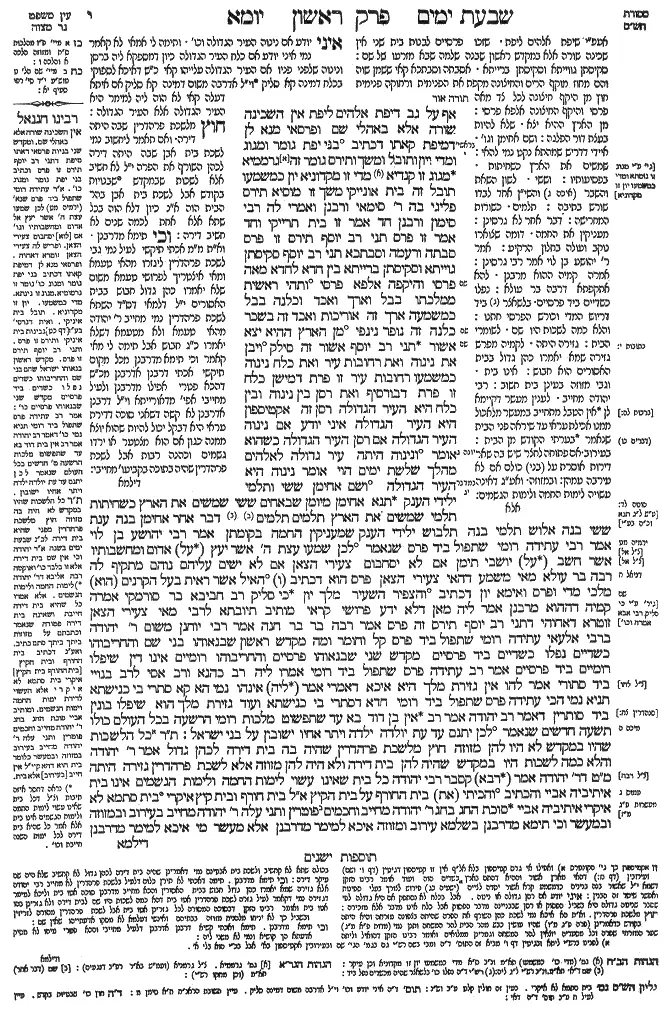
Yoma 10a - Guemara
אף על גב דיפת אלהים ליפת אין השכינה שורה אלא באהלי שם ופרסאי מנא לן דמיפת קאתו דכתיב (בראשית י, ב) בני יפת גומר ומגוג ומדי ויון ותובל ומשך ותירס גומר זה גרממיא מגוג זו קנדיא מדי זו מקדוניא יון כמשמעו תובל זה בית אונייקי משך זו מוסיא תירס פליגי בה ר' סימאי ורבנן ואמרי לה רבי סימון ורבנן חד אמר זו בית תרייקי וחד אמר זו פרס תני רב יוסף תירס זו פרס סבתה ורעמה וסבתכא תני רב יוסף סקיסתן גוייתא וסקיסתן ברייתא בין חדא לחדא מאה פרסי והיקפה אלפא פרסי (בראשית י, י) ותהי ראשית ממלכתו בבל וארך ואכד וכלנה בבל כמשמעה ארך זה אוריכות ואכד זה בשכר כלנה זה נופר נינפי (בראשית י, יא) מן הארץ ההיא יצא אשור תני רב יוסף אשור זה סילק (בראשית י, יא) ויבן את נינוה ואת רחובות עיר ואת כלח נינוה כמשמעו רחובות עיר זו פרת דמישן כלח זו פרת דבורסיף ואת רסן בין נינוה ובין כלח היא העיר הגדולה רסן זה אקטיספון היא העיר הגדולה איני יודע אם נינוה העיר הגדולה אם רסן העיר הגדולה כשהוא אומר (יונה ג, ג) ונינוה היתה עיר גדולה לאלהים מהלך שלשת ימים הוי אומר נינוה היא העיר הגדולה (במדבר יג, כב) ושם אחימן ששי ותלמי ילידי הענק תנא אחימן מיומן שבאחים ששי שמשים את הארץ כשחיתות תלמי שמשים את הארץ תלמים תלמים דבר אחר אחימן בנה ענת ששי בנה אלוש תלמי בנה תלבוש ילידי הענק שמעניקין החמה בקומתן אמר רבי יהושע בן לוי אמר רבי עתידה רומי שתפול ביד פרס שנאמר (ירמיהו מט, כ) לכן שמעו עצת ה' אשר יעץ (על) אדום ומחשבותיו אשר חשב (על) יושבי תימן אם לא יסחבום צעירי הצאן אם לא ישים עליהם נוהם מתקיף לה רבה בר עולא מאי משמע דהאי צעירי הצאן פרס הוא דכתיב (דניאל ח, כ) האיל אשר ראית בעל הקרנים (הוא) מלכי מדי ופרס ואימא יון דכתיב (דניאל ח, כא) והצפיר השעיר מלך יון כי סליק רב חביבא בר סורמקי אמרה קמיה דההוא מרבנן אמר ליה מאן דלא ידע פרושי קראי מותיב תיובתא לרבי מאי צעירי הצאן זוטרא דאחוהי דתני רב יוסף תירס זה פרס אמר רבה בר בר חנה אמר רבי יוחנן משום ר' יהודה ברבי אלעאי עתידה רומי שתפול ביד פרס קל וחומר ומה מקדש ראשון שבנאוהו בני שם והחריבוהו כשדיים נפלו כשדיים ביד פרסיים מקדש שני שבנאוהו פרסיים והחריבוהו רומיים אינו דין שיפלו רומיים ביד פרסיים אמר רב עתידה פרס שתפול ביד רומי אמרו ליה רב כהנא ורב אסי לרב בנויי ביד סתורי אמר להו אין גזירת מלך היא איכא דאמרי אמר (ליה) אינהו נמי הא קא סתרי בי כנישתא תניא נמי הכי עתידה פרס שתפול ביד רומי חדא דסתרי בי כנישתא ועוד גזירת מלך הוא שיפלו בונין ביד סותרין דאמר רב יהודה אמר רב אין בן דוד בא עד שתפשוט מלכות רומי הרשעה בכל העולם כולו תשעה חדשים שנאמר (מיכה ה, ב) לכן יתנם עד עת יולדה ילדה ויתר אחיו ישובון על בני ישראל ת"ר כל הלשכות שהיו במקדש לא היו להן מזוזה חוץ מלשכת פרהדרין שהיה בה בית דירה לכהן גדול אמר ר' יהודה והלא כמה לשכות היו במקדש שהיה להן בית דירה ולא היה להן מזוזה אלא לשכת פרהדרין גזירה היתה מ"ט דר' יהודה אמר (רבא) קסבר רבי יהודה כל בית שאינו עשוי לימות החמה ולימות הגשמים אינו בית איתיביה אביי והכתיב (עמוס ג, טו) והכיתי (את) בית החורף על בית הקיץ א"ל בית חורף ובית קיץ איקרי בית סתמא לא איקרי איתיביה אביי סוכת החג בחג ר' יהודה מחייב וחכמים פוטרין ותני עלה ר' יהודה מחייב בעירוב ובמזוזה ובמעשר וכי תימא מדרבנן בשלמא עירוב ומזוזה איכא למימר מדרבנן אלא מעשר מי איכא למימר מדרבנן
Comments from Rashi on Masechet Yoma Page 10a
אעפ"י שיפת אלהים ליפת . שזכו פרסיים לבנות בית שני אין שכינה שורה אלא במקדש ראשון שבנה שלמה שבא מזרעו של שם: סקיסתן גווייתא וסקיסתן ברייתא . אסבתה וסבתכא קאי ששמן שוה והם מחוז מוקף הרים והחיצונה מקפת את הפנימית ורחוקה פנימית חוץ מן היקף חיצונה לכל צד מאה פרסי והיקף החיצונה אלפא פרסי: מן הארץ ההיא יצא . שלא להיות בעצת דור הפלגה: ושם אחימן וגו' . איידי דדריש שמהתא נקט נמי להאי: שמשים את הארץ כשחיתות . בפסיעותיו: וששי . לשון השאת והשבר (איכה ג) והשי"ן אחד לבדו שורש בתיבה: תלמים . כשורות המחרישה: דבר אחר לא גרסינן: מעניקין את החמה . דומה שצוארו נוקב ועולה בחלון הרקיע: אמר רבי יהושע בן לוי אמר רבי גרסינן: אמרה קמיה ההוא מרבנן . להא אתקפתא דרבה בר עולא: נפלו כשדיים ביד פרסיים . בלשאצר ביד דריוש המדי וכורש הפרסי חתנו: והלא כמה לשכות היו שם . לשומרי הבית: גזירה היתה . לקמיה מפרש גזירה שמא יאמרו כהן גדול בבית האסורים הוא חבוש: אינו בית . וגבי מזוזה בעינן בית חשוב: רבי יהודה מחייב . לענין מעשר דקיימא לן אין הטבל מתחייב במעשר מלאכול ממנו אכילת עראי עד שיראה פני הבית שנאמר בערתי הקודש מן הבית: בעירוב . אם פתוחה לחצר שיש בה שאר דירות אוסרת על (בני) כולם אם לא עירבה עמהן: ובמזוזה . ואע"ג דאינה עשויה לימות החמה ולימות הגשמים:
Comments from Tosafot - Yoma 10a
איני יודע אם נינוה העיר הגדולה וכו' . ותימה לי אמאי לא קאמר נמי איני יודע אם כלח העיר הגדולה כיון דמספקא ליה ברסן ונינוה שלפני פניו אם העיר הגדולה עלייהו קאי כ"ש דאיכא לספוקי בכלח דמינה קא סליק וי"ל אדרבה משום דמינה קא סליק אם איתא דעלה קאי לא הוה ליה למימר היא העיר הגדולה אלא העיר הגדולה: חוץ מלשכת פרהדרין שבה היתה דירה . ואם תאמר ליחשוב נמי לשכת בית אבן שבה היתה דירה לכהן השורף את הפרה י"ל לא חשיב אלא לשכות שבמקדש שבנויות בקודש אבל לשכת בית אבן בהר הבית הוה א"נ כיון דלא הוה בכל שתא אלא אחת לכמה שנים לא חשיב דירה: וכי תימא מדרבנן . וא"ת מ"מ אכתי תיקשי לעיל נמי גבי לשכת פרהדרין ליגזרו מהאי טעמא ומאי איצטריך לפרושי טעמא משום שלא יאמרו כהן גדול חבוש בבית האסורים י"ל דלמאי דס"ד השתא לשכת פרהדרין נמי מחייב ר' יהודה מהאי טעמא ולא מטעמא דשלא יאמרו כ"ג חבוש אבל תימה לי מאי קאמר וכי תימא מדרבנן מכל מקום תיקשי אכתי דרבנן אדרבנן מכ"ש דהכא פטרי אפילו מדרבנן ולעיל מחייבי אפי' מדאורייתא וי"ל דרבנן אדרבנן לא קשה דשאני סוכה דדירת עראי היא דבקל יכול להיות שהוא יוצא ממנה כגון אם הוא מצטער או ירדו גשמים וכהנה רבות אבל לשכת פרהדרין שהיה בתוכה בקביעו' מחייבי:
Yoma 10a - Mishnah translated into english
The Gemara explains: Although God will enlarge Japheth, referring to the Persians, who descended from Japheth and who assisted in constructing the Second Temple, the Divine Presence rests only in the tents of Shem, in the First Temple, which was built by King Solomon without the patronage of a foreign power.
§ The Gemara asks: From where do we derive that the Persians descend from Japheth? The Gemara answers: As it is written: “The sons of Japheth were Gomer and Magog and Madai and Javan and Tuval and Meshech and Tiras” (Genesis 10:2). The Gemara explains: Gomer, that is Germamya; Magog, that is Kandiya; Madai, that is Macedonia; Javan, in accordance with its plain meaning, Greece; Tuval, that is the nation called Beit Unaiki; Meshech, that is Musya. With regard to Tiras, Rabbi Simai and the Rabbis disagree, and some say the dispute is between Rabbi Simon and the Rabbis: One said: That is Beit Teraiki, and one said: That is Persia. According to that approach, Persia is listed among the descendants of Japheth. Rav Yosef taught: Tiras is Persia.
The list of nations continues: “And Sabtah and Raamah and Sabteca” (Genesis 10:7). Rav Yosef taught: These are the inner Sakistan and the outer Sakistan. Between one and the other there was a distance of one hundred parasangs, and the circumference of the land was one thousand parasangs.
The Gemara continues interpreting the verses. It is stated: “And the beginning of his kingdom was Babel, and Erech, and Accad, and Calneh, in the land of Shinar” (Genesis 10:10). Babel in accordance with its plain meaning, Babylonia; Erech, that is the city known then as Orikhut; and Accad, that is the place known then as Baskar; Calneh, that is Nofer Ninefi.
The Torah continues: “Out of that land went forth Asshur” (Genesis 10:11). Rav Yosef taught: Asshur, that is Silek, meaning that is the region where the town Silkiya was built. “And built Nineveh and Rehoboth-ir and Calah” (Genesis 10:11). Nineveh, in accordance with its plain meaning; Rehovoth-ir, that is the town later known as Perat of Meishan; Calah, that is Perat of Bursif. “And Resen between Nineveh and Calah, it is the great city” (Genesis 10:12). Resen, that is the town later known as Akteisfon. It is the great city; I do not know whether this means that Nineveh is the great city, or whether it means that Resen is the great city. When it says: “And Nineveh was a great city of God, a three-day journey across” (Jonah 3:3), you must say that Nineveh is the great city.
The Gemara continues to discuss the interpretation of names in the Bible. The Torah says: “And there were Ahiman, Sheshai, and Talmai, the children of Anak” (Numbers 13:22). It was taught: Ahiman was so called because he was the greatest and most skillful [meyuman] of his brothers. Ahiman is a contraction of brother [aḥ] and right [yamin], which is the skilled hand. Sheshai was so called because he renders the ground like pits [sheḥitot] with his strides. Talmai was so called because he renders the ground filled with furrows [telamim] with his strides. Alternatively: Ahiman built the city of Anat; Sheshai built the town Alush; Talmai built the city of Talbush. The children of Anak is referring to the fact that it appears that the sun is a necklace [shema’anikin] around their necks because of their height.
§ Apropos the opinion that Tiras is Persia, the Gemara addresses a related matter. Rabbi Yehoshua ben Levi said that Rabbi Yehuda HaNasi said: Rome is destined to fall into the hands of Persia, as it is stated: “Now hear the plan that the Lord has devised for Edom, and the thoughts He has considered for the residents of Teiman. Surely the youngest of the flock will drag them away, surely their habitation will be appalled due to them” (Jeremiah 49:20).
Rabba bar Ulla strongly objected to this. From where may it be inferred that this phrase: Youngest of the flock, is Persia? It is as it is written: “The ram that you saw sporting two horns are the kings of Media and Persia” (Daniel 8:20), and the ram is a member of the flock mentioned in the verse. Still, how is that proof? And say that youngest of the flock refers to Greece, who will overthrow Rome, as it is written: “The goat is the king of Greece” (Daniel 8:21). The goat, too, could be characterized as a member of the flock.
When Rav Ḥaviva bar Surmakei ascended from Babylonia to Eretz Yisrael, he stated this difficulty before a certain one of the Sages. That Sage said to him: One who does not know how to interpret verses is so arrogant that he raises an objection to the opinion of the great Rabbi Yehuda HaNasi? Indeed, Rabba bar Ulla misunderstood the basis of Rabbi Yehuda HaNasi’s interpretation. What is the meaning of the phrase: The youngest of the flock? It means the youngest of the brothers, a reference to Persia, as Rav Yosef taught: Tiras, the youngest of Japheth’s sons, that is Persia.
Similarly, Rabba bar bar Ḥana said that Rabbi Yoḥanan said in the name of Rabbi Yehuda, son of Rabbi Elai: Rome is destined to fall into the hands of Persia. This is derived by means of an a fortiori inference: Just as the First Temple, that the descendants of Shem built it and the Chaldeans destroyed it, and in turn the Chaldeans, ruled by Belshazzar, fell to Persians, ruled by Darius the Mede and his son-in-law Cyrus the Persian; the Second Temple, that the Persians built it and the Romans destroyed it, is it not right that the Romans will fall into the hands of the Persians?
In contrast, Rav said: Persia is destined to fall into the hands of Rome. Rav Kahana and Rav Asi, Rav’s students, said to Rav: The builders will fall into the hands of the destroyers? Is that justice? He said to them: Although it seems unjust, yes, that is the King’s decree. Some say that he said this to them: They, too, are destroyers of synagogues, and they are no better than the Romans.
That was also taught in a baraita: Persia is destined to fall into the hands of Rome. One reason is that they destroyed synagogues. And furthermore, it is the King’s decree that the builders will fall into the hands of the destroyers, as Rav Yehuda said that Rav said: The son of David will come only when the wicked kingdom of Rome spreads its dominance throughout the world for nine months, as it is stated: “Therefore He will give them up until she who is to bear has borne; then the remnants of his brethren will return with the children of Israel” (Micah 5:2). The duration of Rome’s rule over the world will be the duration of a pregnancy, nine months.
§ The Gemara resumes the discussion of the High Priest’s relocation to the Parhedrin chamber. The Rabbis taught: None of the chambers in the Temple had a mezuza except for the Chamber of Parhedrin, in which there was a place of residence of the High Priest. Only residences in which one sleeps require a mezuza, and the only chamber in the Temple that fits that description was the Parhedrin chamber.
Rabbi Yehuda said: That is not the reason; after all, weren’t there several chambers in the Temple in which there was a place of residence designated for priests to sit and sleep, and yet they did not have a mezuza? Rather, the mezuza in the Chamber of Parhedrin was there because there was a rabbinic decree.
The Gemara asks: What is the reason for the opinion of Rabbi Yehuda that there was no fundamental obligation to affix a mezuza in the Parhedrin chamber, and that one was affixed there due to a decree? Rava said that Rabbi Yehuda holds: The legal status of any house that is not designated for residence both for the summer and for the rainy season is not that of a house and therefore does not require a mezuza. Abaye raised an objection to his opinion from a verse. How could you suggest that the legal status of a residence occupied for only part of the year is not that of a house? Isn’t it written: “I will strike the winter-house with the summer-house” (Amos 3:15)? Apparently, even a residence occupied only half the year is a house. Rava said to him: A residence occupied only part of the year may be called the winter-house or the summer-house. It is not called a house unmodified. A house is a structure used year round.
Abaye raised a different objection to the opinion of Rava, from a mishna: If one brought produce from the field into the sukka that he constructed for the festival of Sukkot on the festival of Sukkot, Rabbi Yehuda obligates him to tithe the produce and the Rabbis exempt him from tithing the produce. And it was taught concerning the mishna: Rabbi Yehuda obligates the owner of that sukka to include the sukka in the joining of courtyards, like any of the houses in the courtyard; and in the mitzva of affixing a mezuza in the sukka; and in separating tithes from produce brought into the sukka. One is obligated to tithe his produce only when its processing has been completed. When he brings the produce into the house, he is obligated to tithe it. Rabbi Yehuda holds that the legal status of a sukka, in which one resides for a mere seven days, is that of a house in terms of the mitzva of mezuza.
And if you say that Rabbi Yehuda rules that by rabbinic law the status of the sukka is like that of a house, but that by Torah law his opinion is consistent with Rava’s opinion, granted, with regard to the joining of courtyards and mezuza, it is possible to say that the obligation is by rabbinic law; however, with regard to tithes, is it possible to say that according to Rabbi Yehuda the obligation is by rabbinic law?
Traduction : The William Davidson digital edition of the Koren Noé Talmud, with commentary by Rabbi Adin Even-Israel Steinsaltz.